
Shibuya Crossing at a glance
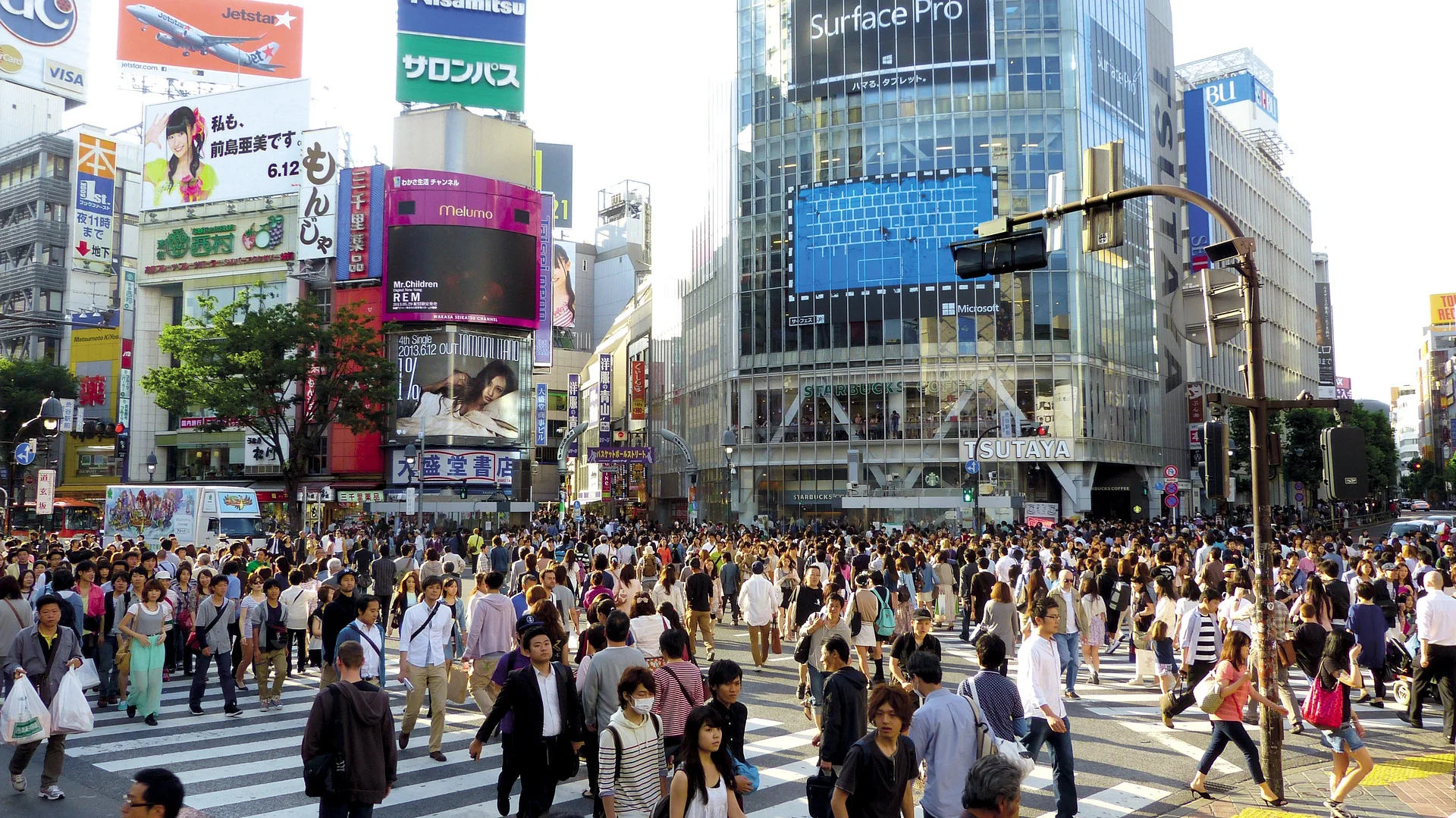
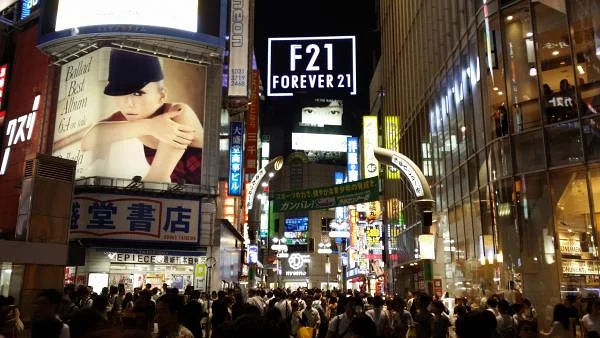
Often seen on screen, Shibuya Crossing is one of the busiest intersections in the world. With its 10 lanes, five zebra-striped crosswalks, and futuristic skyscrapers covered in massive neon signage, it is an essential stop for anyone visiting Tokyo. Navigating the crossing and watching the chaos is a surreal experience, even for the most seasoned urban traveler.
Located right next to the train station of the same name, it is also known as the Hachiko crossing. This refers to the nearby statue of the Akita dog that faithfully waited for his master, a university professor who died of a cerebral hemorrhage, for more than nine years after his death. You will easily find it by exiting the JR station into the small square, which is usually packed with young people.
As a symbol of Tokyo, an extravagant megalopolis that never stops moving, Shibuya Crossing handles over 2,500 people during each two-minute light cycle. Every year, more than one billion people pass through here.
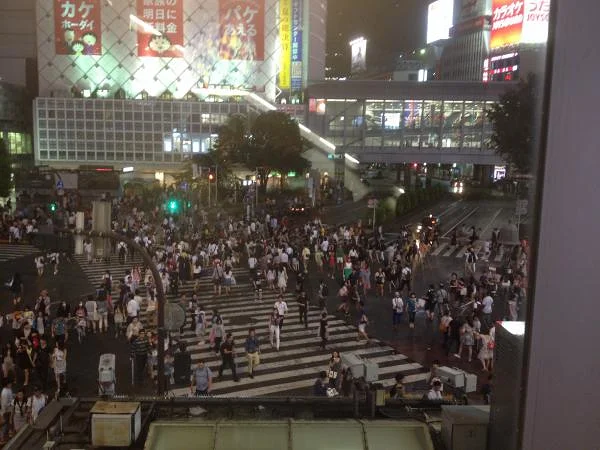
The best times to watch this highly organized crowd, which waits patiently for the green light signal to walk, are Friday and Saturday nights. You should also visit when it rains to see the ballet of umbrellas, a common sight in Tokyo given how quickly the weather changes.
For a better perspective, head to the Starbucks in Shibuya Tsutaya, which is often cited for offering one of the best overhead views. Plenty of other spots remain to be explored, including multi-story shopping malls, bars, and cafes. Once you have finished your time in the crowd, you can recharge at the Meiji-jingu shrine and its expansive park. If you have time, the Tokyo Metropolitan Government Building is in Shinjuku, the neighboring ward. It features two towers with free access. Its observation decks, open until 11:00 PM, offer a great view of the Japanese capital at no charge.

The first time the light turned green and hundreds of people started crossing in every direction, I thought it was complete chaos. Between the giant screens, the noise, and everything else, it actually all happens so fast. But like I was told, crossing these crosswalks is nothing superhuman and I have to admit that the Japanese are extremely respectful when it comes to that.