
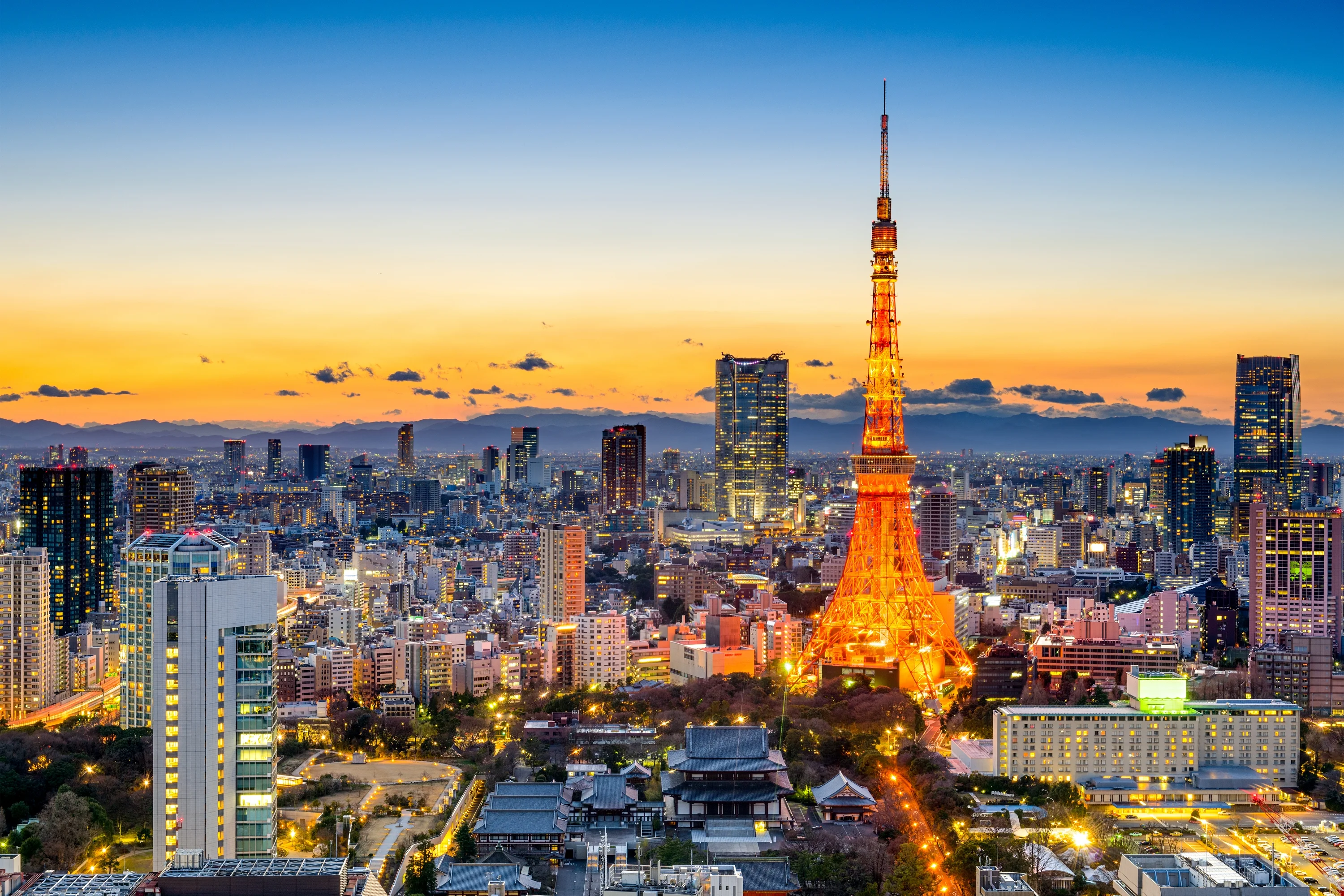
Tokyo: A mix of futuristic maze and living tradition
The scent of grilled skewers drifts from a narrow alley, while in the distance, a robotic voice announces the arrival of a high-speed train. Tokyo is this disorienting blend: a giant puzzle where futuristic skyscrapers, ancient temples, and tiny neighborhoods with a timeless atmosphere interweave.
Is Tokyo the right destination for you?
This city is a waking dream for fans of Japanese culture, foodies looking for new discoveries, and those who love high-energy cities. Here, everything changes at light speed, and every neighborhood hides a different personality.
On the other hand, if you are looking for absolute quiet, empty spaces, or a slow-paced trip, Tokyo can quickly feel overwhelming. The budget is significant, especially for lodging, but the experiences easily justify the expense.
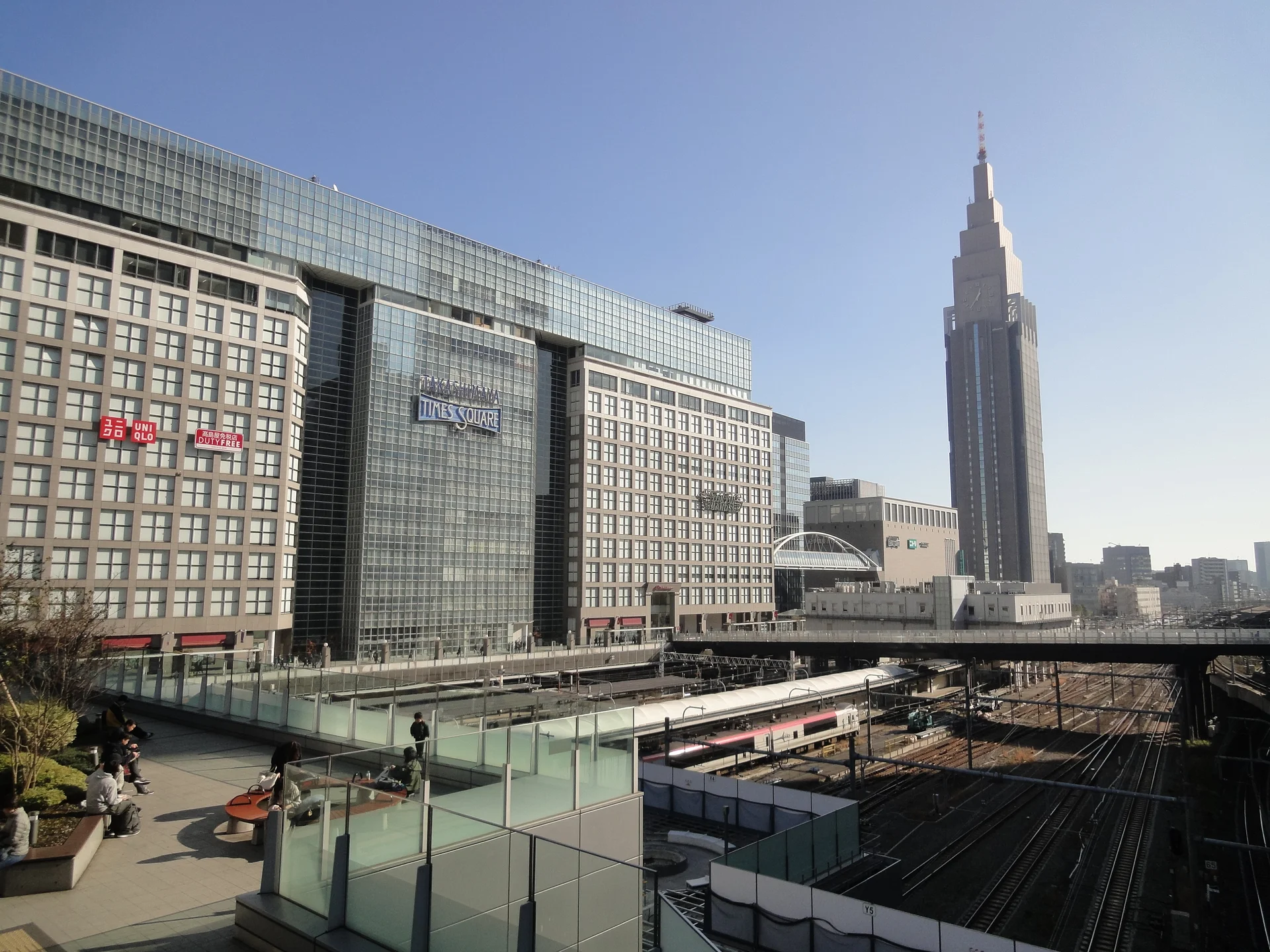
Shinjuku: Skyscrapers and electric nights
Shinjuku is the embodiment of Tokyo frenzy: giant towers, packed train stations, and neon signs as far as the eye can see. Yet, just a few steps away, the Shinjuku Gyoen National Garden offers a green bubble where you can finally catch your breath.
When night falls, the small alleys of Golden Gai light up. This micro-neighborhood packs dozens of tiny bars, each with its own unique vibe.
Insider tip: Avoid rush hour at Shinjuku Station, which functions like a human anthill. Prefer exploring the area in the evening, when the neon glow transforms the district into a movie set.
Asakusa: The charm of old Tokyo
In Asakusa, the vibe shifts completely. Small shops selling yukata (light cotton kimonos) and local sweets line Nakamise-dori, the street leading to the Senso-ji Temple. This is where you feel the weight of tradition, between prayers, incense, and colorful architecture.
Insider tip: Get up early to admire Senso-ji before the crowds arrive. And try a grilled senbei rice cracker purchased on Nakamise-dori: crunchy, salty, and quintessentially Tokyo.
Shibuya: Energy and trends
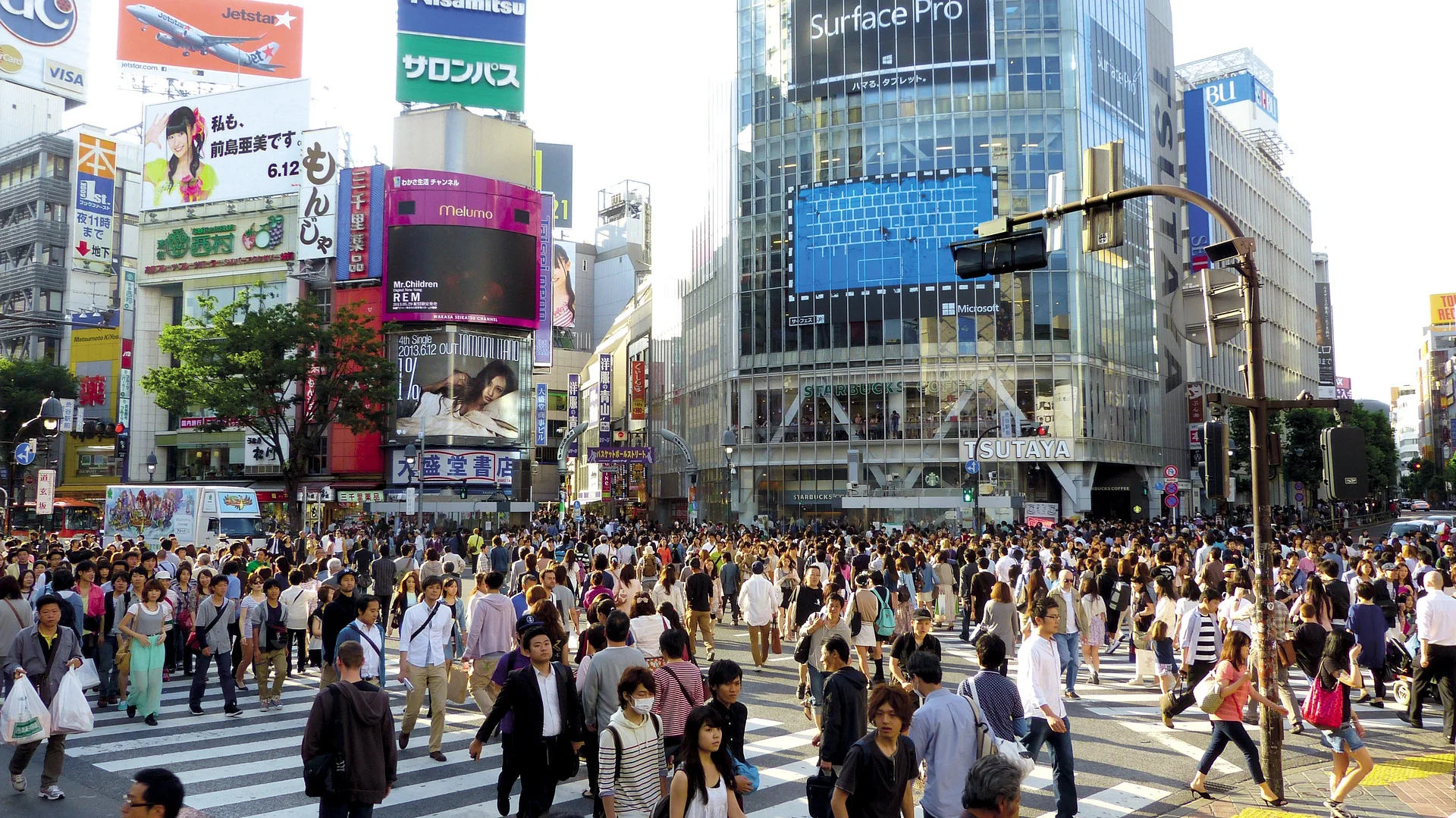
Shibuya is the neighborhood that symbolizes Japanese youth. The Shibuya Crossing grabs all the attention, but the real soul is elsewhere: in shopping malls like Shibuya 109 and the trendy little spots hidden in the backstreets.
A few minutes away, the Meiji Shrine, nestled in a vast forest, offers a calming contrast. Nearby, Yoyogi Park is the favorite spot for locals to picnic or practice dance routines.
Insider tip: Grab a coffee on a terrace overlooking the crossing, at the Shibuya Excel Hotel Tokyu for example, which is perfect for watching the constant choreography of pedestrians.
Akihabara: The empire of passions
It is impossible to talk about Tokyo without mentioning Akihabara. This neighborhood is a total immersion into the world of manga, anime, and video games. Specialized shops, massive arcades, and themed cafes make up a unique scene.
Insider tip: Explore the small parallel streets of Akihabara, which are often less crowded but rich in vintage finds for collectors.
Where to eat and drink in Tokyo?
The Japanese capital is an endless culinary playground. From Edomae sushi, crafted with high precision, to monjayaki, a savory, melt-in-your-mouth pancake typical of working-class neighborhoods, every meal is an adventure.
For a memorable experience, eat a steaming bowl of ramen at Ichiran in Shibuya, try delicate tempura at Tempura Kondo, or step into the cinematic atmosphere of Gonpachi in Roppongi.
Where to stay in Tokyo and the surrounding area?
Choosing the right neighborhood is crucial. In Shinjuku, the Park Hyatt Tokyo appeals to luxury seekers, while the Hotel Gracery attracts guests with its quirky personality.
In Shibuya, the Shibuya Excel Hotel Tokyu is a strategic choice. For a more authentic Japanese immersion, try a capsule hotel: surprising and budget-friendly, often costing around 4,000 to 8,000 JPY ($27, $54) per night.
Getting to and around Tokyo
Two international airports serve the city: Haneda, which is close to the city center, and Narita, which is further out. From the US, flights are long-haul, often 12 to 14 hours. Prices fluctuate by season, typically ranging from 100,000 to 250,000 JPY ($670, $1,675).
Once you arrive, the subway and train network is incredibly efficient. A Suica or Pasmo card simplifies all travel, while the JR Pass becomes worth the investment if you plan to travel beyond the capital.
When to go?
Spring, with the cherry blossoms, and autumn, highlighted by red maple leaves, are the most photogenic seasons. Summer is humid and lively with festivals, requiring more stamina, while winter is cold but dry, revealing a more peaceful side of the city.
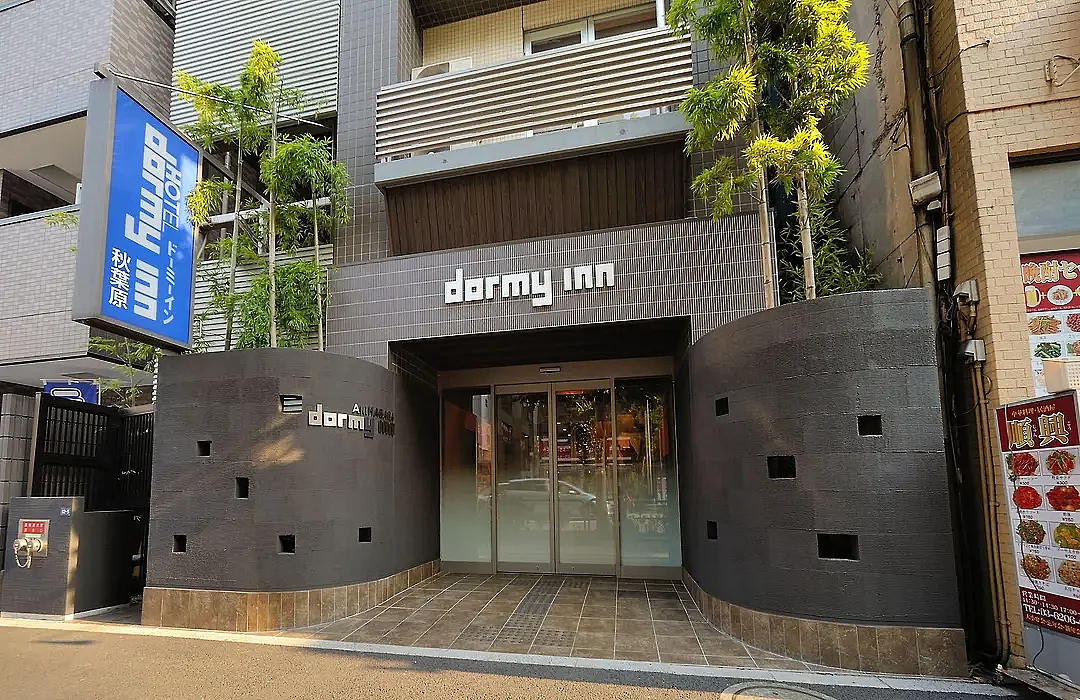
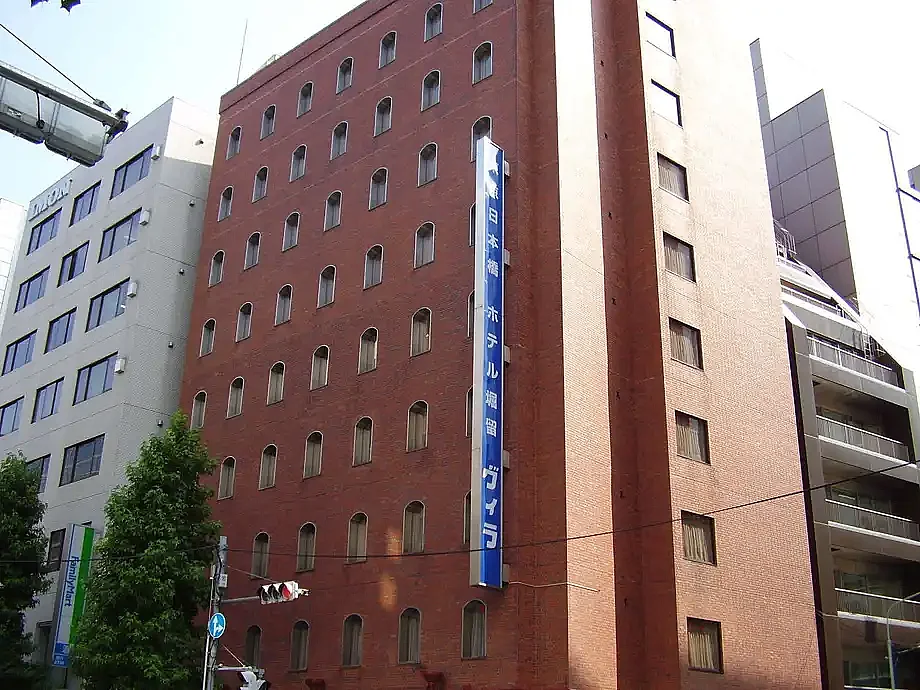
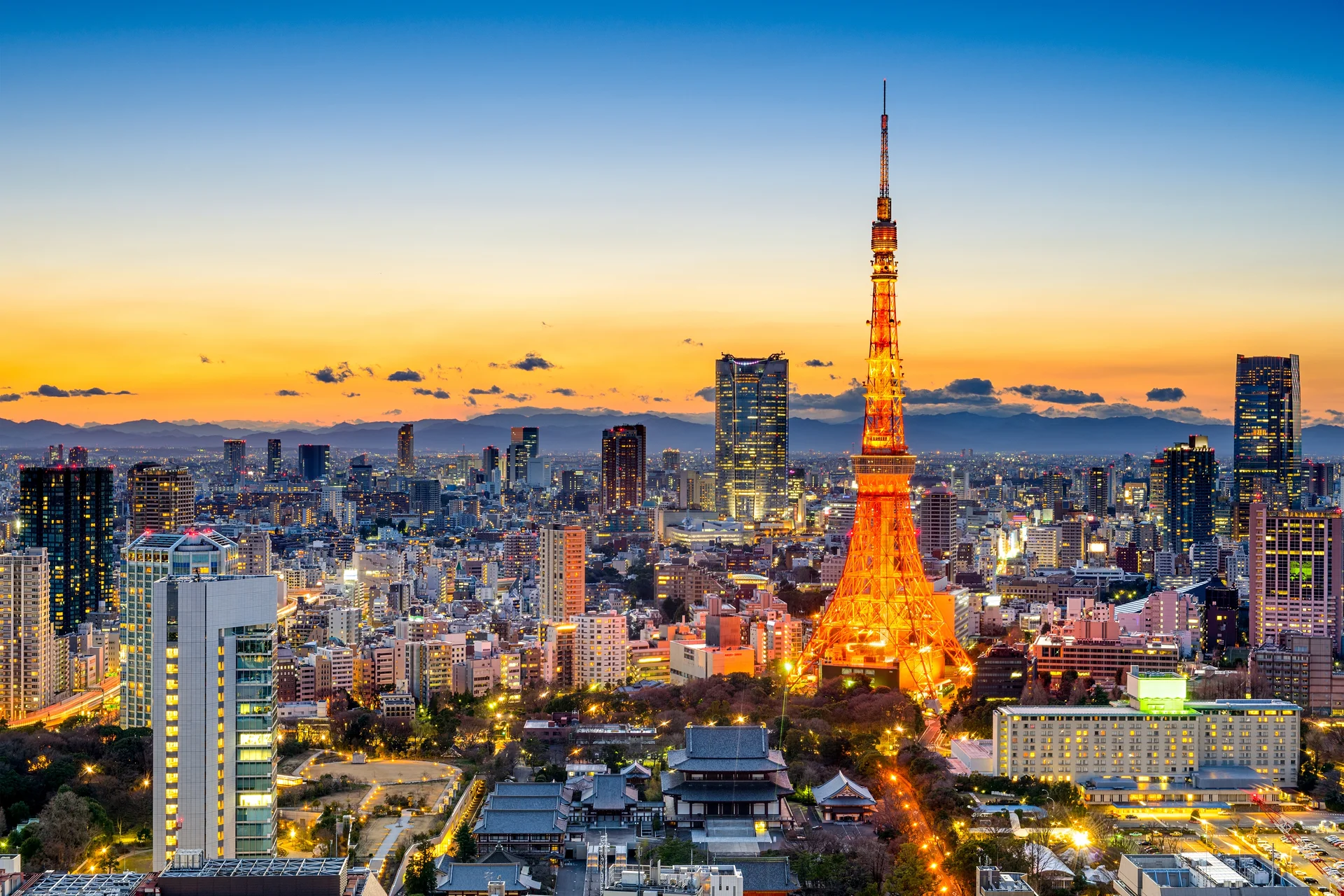
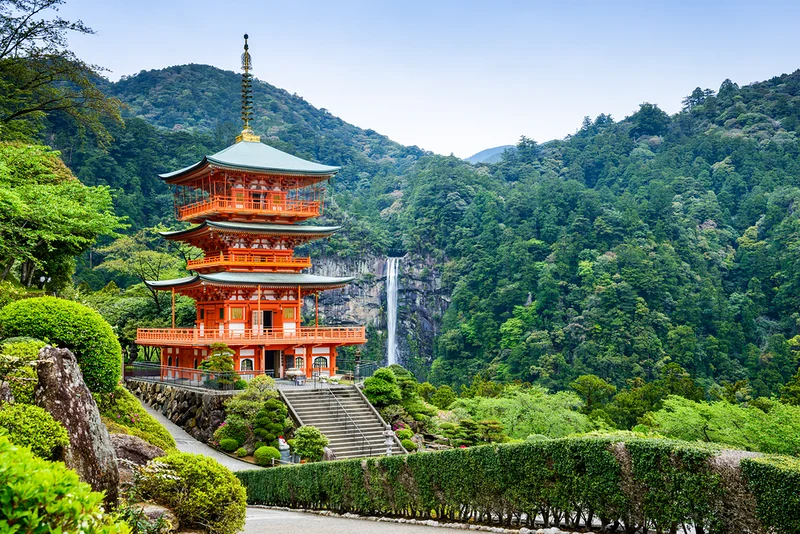
Tokyo is an intense city that is a completely different world. If possible, stay for a few days to settle in before continuing your visit through Japan. While the city remains a must-see, I personally preferred the more traditional and serene sites in the Japanese countryside. Try not to spend your whole trip in Tokyo.