
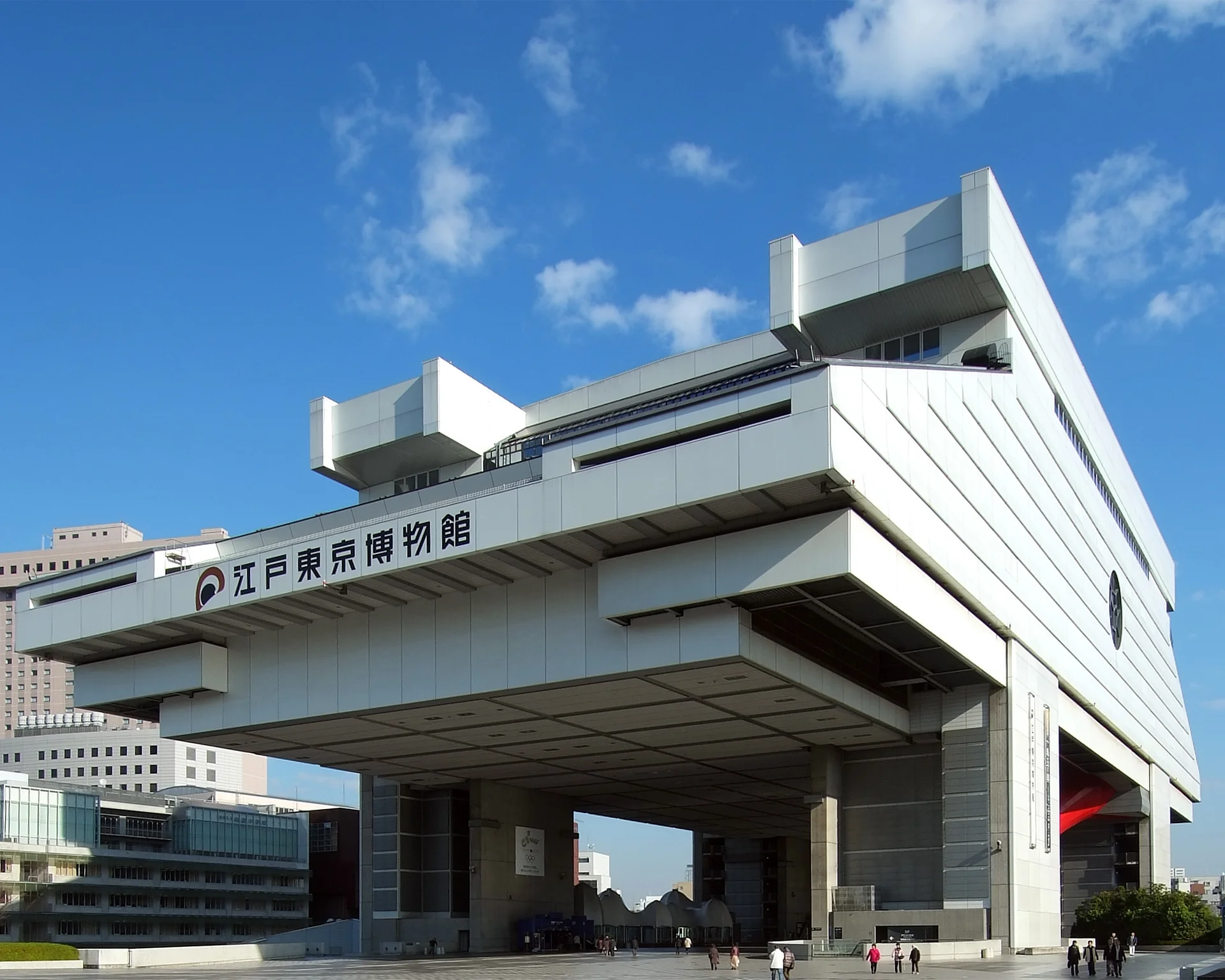
Visiting the Edo-Tokyo Museum, a time machine in the city
First, there is the building itself, a colossal structure on stilts that looks like it was pulled from a science-fiction film, inspired by an old elevated granary. Once inside, you walk across a full-scale replica of the Nihonbashi bridge to literally step into the past, watching the modern megalopolis dissolve to make way for the bustling city of Edo.
Why this museum is key to understanding Tokyo
The Edo-Tokyo Museum is not just a collection of artifacts. It is a narrative machine designed to bring to life four centuries of history, culture, and daily existence in the Japanese capital. It provides essential context for understanding how a small fishing village named Edo became the sprawling metropolis known today as Tokyo.
Its strength lies in its immersive approach. Rather than simply displaying items, it engages visitors, offering the sensation of walking through streets of the past, touching everyday objects, and grasping the major upheavals that shaped the city, from the era of the shoguns to the post-war reconstruction.
A spectacular journey into the Edo period
The first part of the museum is a genuine historical theme park. Visitors are greeted by life-size reconstructions that immediately capture the imagination.
The Nihonbashi bridge and the Nakamura-za theater
Crossing the wooden replica of the Nihonbashi bridge, the starting point for all major roads in feudal Japan, is the real beginning of the journey. A few steps further, the monumental facade of the Nakamura-za kabuki theater transports you into the vibrant world of entertainment from that era.
Life in miniature
The museum excels in the art of the diorama. Models of incredible precision depict scenes of daily life, including the interior of a daimyo (feudal lord) residence, the activity of a merchant district, and the modest homes of commoners. You could spend hours observing every detail of these miniature worlds.
From Meiji to the modern era: the great transformation
The second half of the museum tour tells the story of the rapid transition from Edo to Tokyo starting in the Meiji era (1868). This section explores Westernization, rapid industrialization, and the scars of history. Objects as diverse as one of the first imported automobiles, a vintage streetcar, and propaganda posters document cultural shifts and destruction, such as the Great Kanto Earthquake of 1923 and the air raids of 1945.
Friendly tip: The main museum reopened on March 31, 2026, after four years of major renovations. For a similar experience, visit the Edo-Tokyo Open Air Architectural Museum in the western suburbs of Tokyo, which preserves magnificent historical buildings relocated from all over the city.

Superb museum, but it takes a very long time to get through. And only go if you are passionate about the Edo period, otherwise you will probably find it a bit long!
I haven't visited since its recent renovation.