
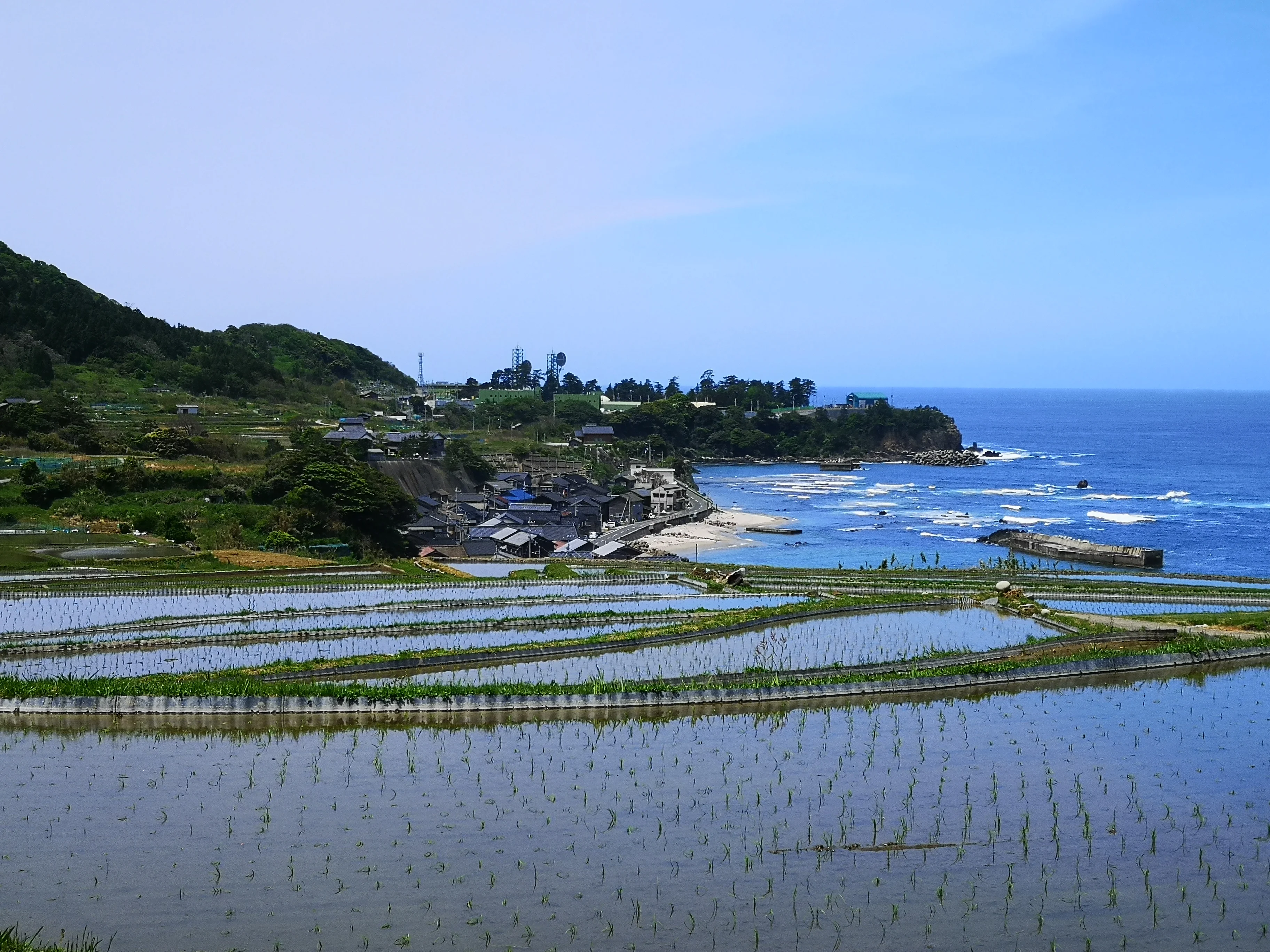
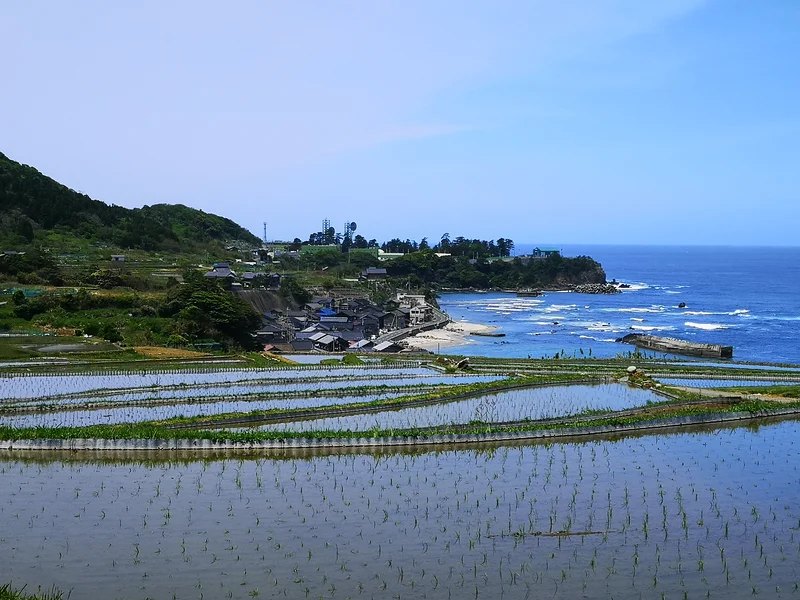
Kyotango, the secret Kyoto where the Sea of Japan sets the pace
The residents of this coast live longer than almost anywhere else in Japan. The statistic is staggering: in 2013, Jiroemon Kimura, a resident of Kyotango, became the oldest verified man in world history at 116 years old. The region claims 2.8 times more centenarians than the Japanese national average.
Their secret boils down to three habits mentioned by Kimura himself: eat well, stay active, and know how to relax. This is likely why this stretch of the Tango Peninsula, facing the cold waves of the Sea of Japan, attracts travelers looking for a slower version of Japan.
A getaway for nature lovers and seafood enthusiasts
This destination is for those who want to escape the crowds of Kyoto City while staying within the same prefecture. Seafood lovers will find their absolute paradise, especially in winter with the famous Taiza crab. Families will appreciate the 16 beaches in summer, while couples looking for a ryokan stay with a private onsen will find plenty of options.
However, if you do not speak Japanese or English, prepare for some communication hurdles. The region remains very rural and tourist infrastructure is modest. A car is almost essential to explore the surroundings, as local trains are infrequent. Travelers looking for nightlife should look elsewhere.
A budget that changes with the seasons
In summer, expect to pay between 15,000 and 25,000 JPY per night for a decent ryokan with breakfast. In winter, prices soar: a stay with a Taiza crab menu can reach 35,000 to 50,000 JPY per person, per night. Transportation from Kyoto costs about 3,200 JPY by express bus or 4,000 JPY by train.
The beaches and coastline of the San'in Kaigan Geopark
The entire city is part of the San'in Kaigan Global Geopark, which explains the spectacular diversity of its coastal formations. Kotobikihama beach is worth the detour for a peculiar reason: its sand sings. When you walk on it, it produces a sound reminiscent of the koto, a traditional Japanese stringed instrument. The acoustic phenomenon, caused by the exceptional purity of the quartz grains, only occurs on a few beaches in the world.
The Kyogamisaki Lighthouse marks the northernmost point of the Kansai region. The view over the Sea of Japan is striking, especially at sunset. Below, the islets of Tango Matsushima recall the famous Matsushima Bay in Tohoku. Sea kayaking is the best way to explore these coves that are inaccessible by road.
Friendly tip: Avoid the most popular beaches in August, the peak vacation period for Japanese families. Prefer lesser-known coves like Kyuso Beach, 600 meters of golden sand that is often deserted.
The hot springs of Kumihama and Yuhigaura
Kyotango has 40 different thermal springs, a record for Kyoto Prefecture. The Kumihama area has the best concentrations, with alkaline waters known for softening the skin. The ryokans of Yuhigaura offer baths with sea views, which are particularly spectacular when the sun dips into the waves.
Several establishments offer private in-room baths, which is ideal if you are not comfortable with public onsens. The Taiza Onsen Sumihei, founded in 1868, represents the traditional high-end experience. The Shorenkan Yoshinoya, open since 1928, remains a benchmark for its cuisine and its three types of baths.
Crafts and cultural experiences
Tango chirimen, a crepe silk with characteristic embossed textures, has made the region's reputation. The Amino district remains the center of production for this fabric used to make high-end kimonos. The Chirimen Culture Center offers dyeing workshops accessible to beginners.
More unusual, the Kojima Shoten workshop has been keeping the art of traditional lanterns alive since the Edo period. The tenth-generation master craftsman left Kyoto City to set up shop facing the sea. They make miniature Chibimaru lanterns from washi paper, a much more personal souvenir than a fridge magnet. A Japanese sword forge, Nippon Genshosha, also set up home here in 2021.
Seasonal activities
Summer turns the region into a beach resort popular with families from Osaka and Kyoto. The Yasaka Fruit Kingdom allows you to pick pears, peaches, and sweet potatoes in the fall, with the possibility of eating as much as you want during the harvest. Winter brings snow to Mount Taiko and its small ski resort, Swiss Village, at an altitude of 683 meters. The region's five sake breweries offer tours and tastings year-round, including the Kinoshita Brewery in Kumihama.
Where to eat and drink in Kyotango?
The Taiza crab reigns supreme from November to March. Nicknamed the "ghost crab" because of its rarity, it is caught by only five small boats that return to port the same day. Its sweet meat is enjoyed as sashimi, grilled, boiled, or in tempura. Expect to pay at least 33,000 JPY per person for a full menu at a reputable ryokan like Sumihei or Hisami.
Outside of crab season, the region excels in seafood: fresh sea urchin, oysters from Kumihama Bay, and heshiko, a mackerel fermented in rice bran for one to two years. In Kumihama, try the konoshiro sushi, a whole marinated fish stuffed with okara, available from November to March. The Torimatsu restaurant serves excellent barazushi, which is colorful sushi decorated with fresh fish and seasonal vegetables.
Where to stay in and around Kyotango?
Ryokans with onsens are the classic and most immersive option. The Taiza sector gathers establishments specializing in crab, with prices that skyrocket from November to March. Book several weeks in advance during the high winter season. The Yuhigaura sector offers spectacular sea views and slightly lower prices.
For tighter budgets, some minshukus and pensions exist around the Mineyama and Amino train stations. The Tango Kingdom Shoku-no-Miyako, a massive roadside station, even offers accommodations with access to the park's facilities. Vacation rentals are slowly developing, especially toward the fishing village of Ine nearby.
How to get to and around Kyotango?
From Kyoto Station, the train trip takes about 2 hours and 30 minutes with a transfer at Fukuchiyama or Amanohashidate. The Tango Aomatsu tourist train runs on the local line for no extra charge, featuring sofa seating and a counter. Note: the national JR Pass does not work on the Kyoto Tango Railway network, which is managed by a private company.
The express bus from Kyoto Station costs about 3,200 JPY one way and avoids transfers. In winter, direct buses run from Osaka and Kobe. By car, count on about two hours from Kyoto via the Kyoto Jukan expressway. Once there, a rental car remains the most practical way to explore the coast. Biking is suitable for the more athletic on the flat coastal roads.
When to go?
Winter, from November to March, attracts gourmets for the Taiza crab and steaming onsens under the snow. Summer offers beaches and water activities, but crowds flock in August. Spring remains the most balanced time: mild temperatures, cherry blossoms, and reasonable prices.
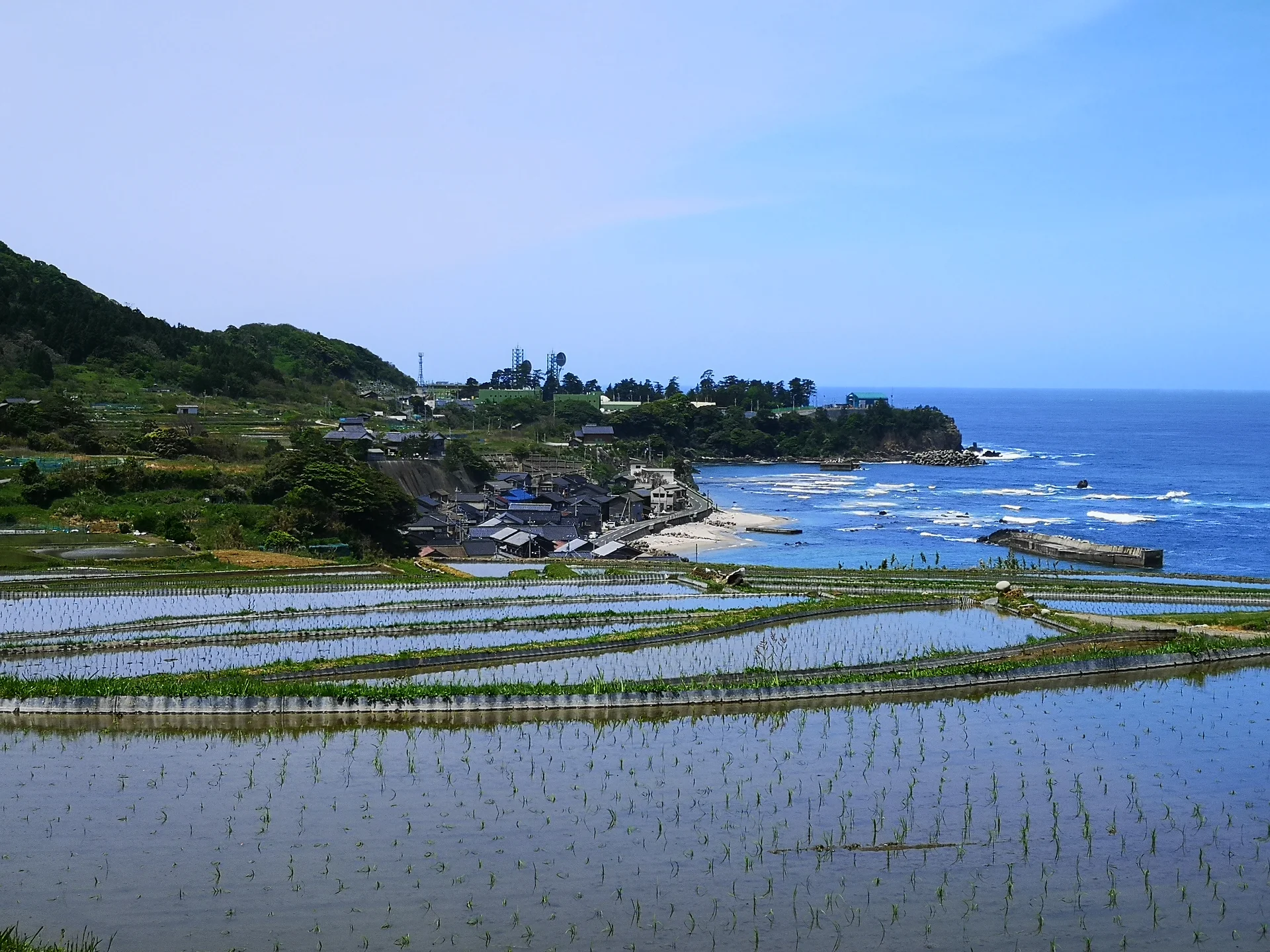
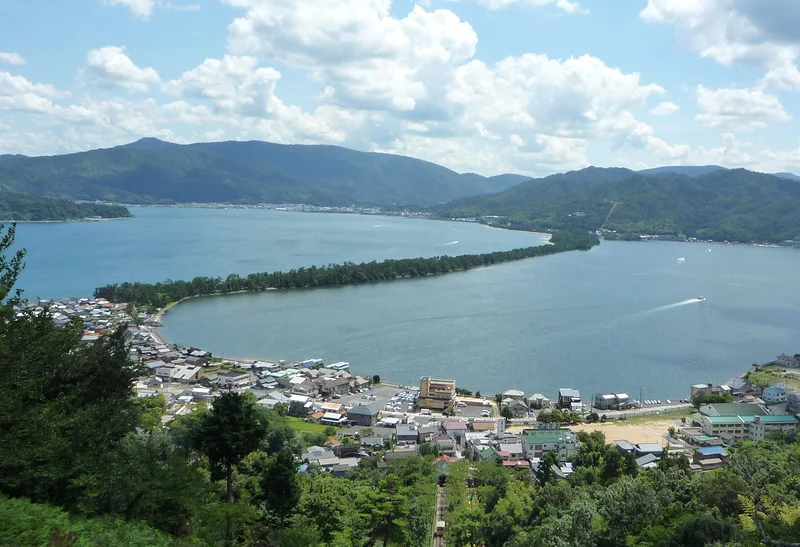
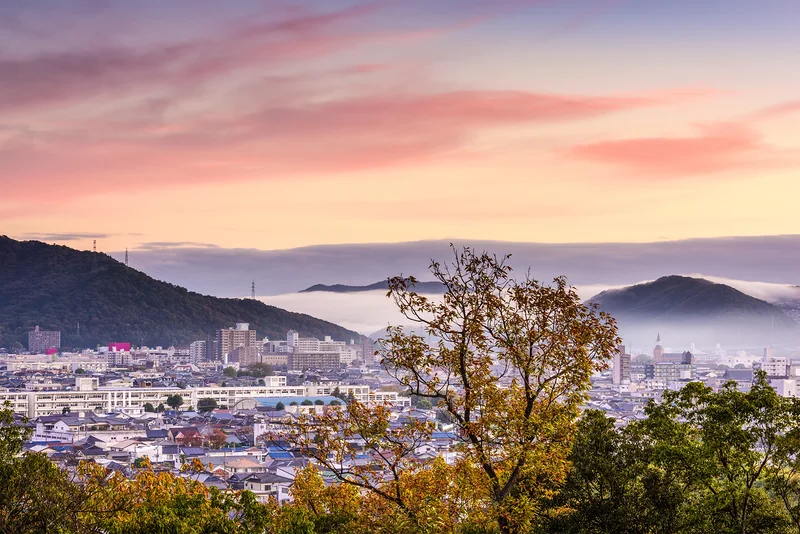
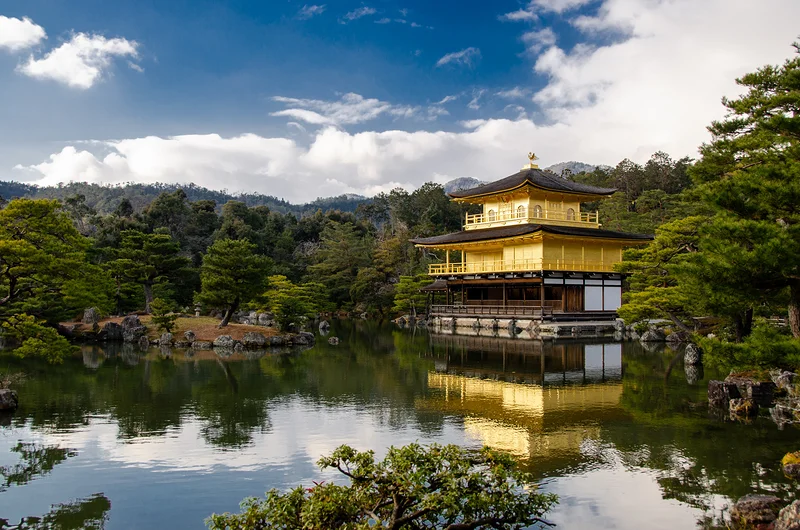
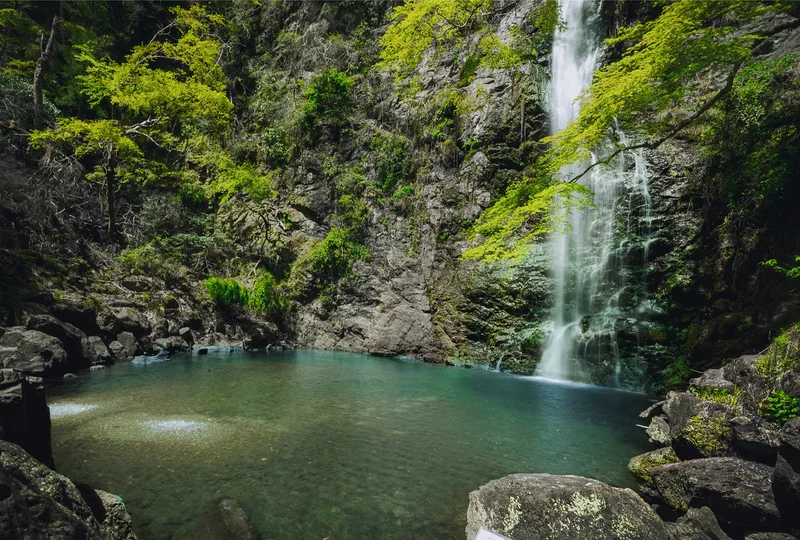
This stay in Kyotango remains one of my best Japanese memories. On the edge of the Sea of Japan, where I only waded up to my waist on the advice of a grandma I met in the street (a bit too many sharks if I understood correctly), with the forest, the rice fields, a pure marvel. Staying with a local, in a very rustic, totally traditional fisherman's house on stilts, with no tourists at all but lots of monkeys everywhere, a magical experience in the heart of Japan. Heads up, no restaurants, no grocery stores. Note the presence of an American military base, tsunami walls everywhere... a bit stressful for some people perhaps? Largely overshadowed by the exceptionally beautiful nature.