
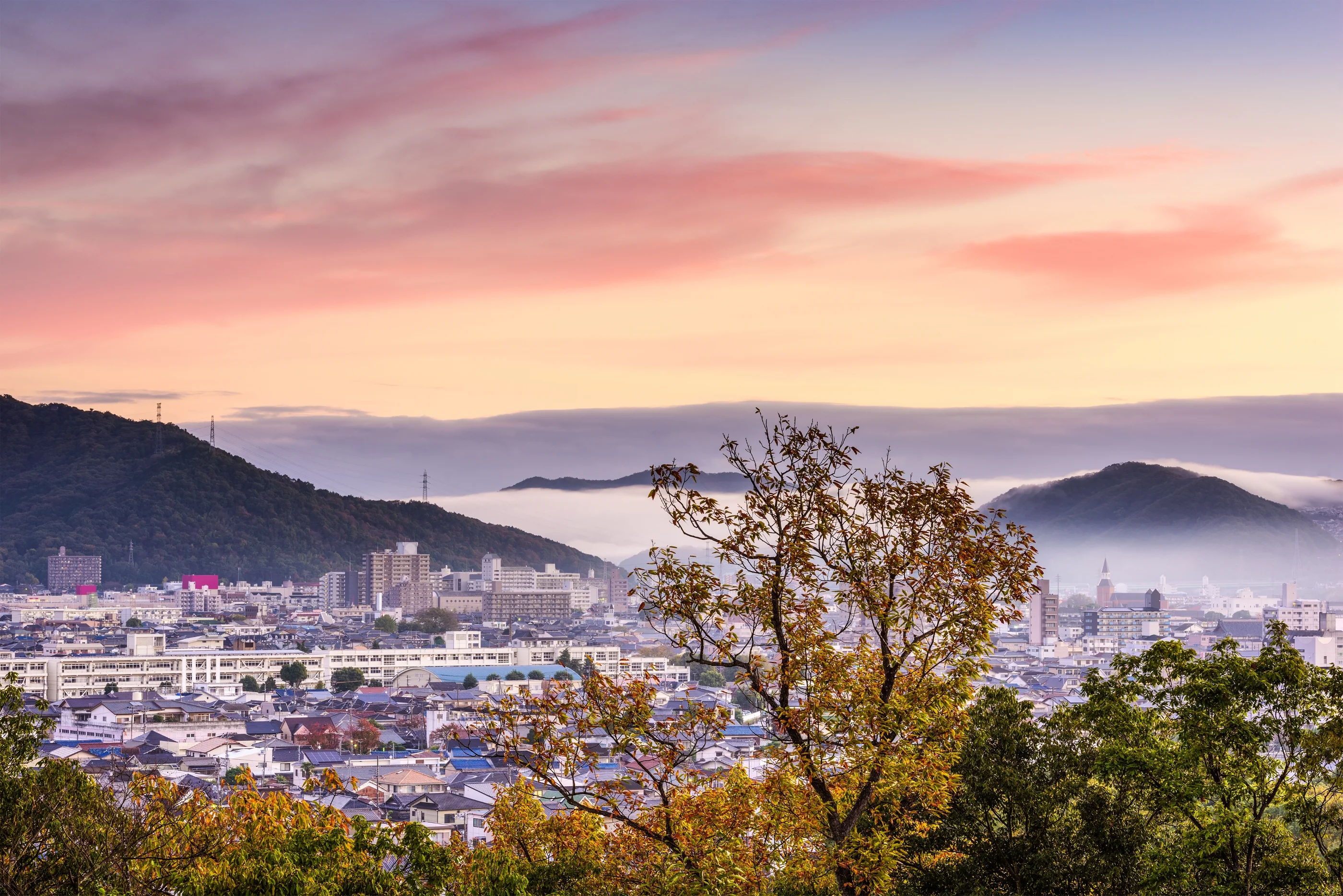
Himeji, the White Heron city that refuses to die
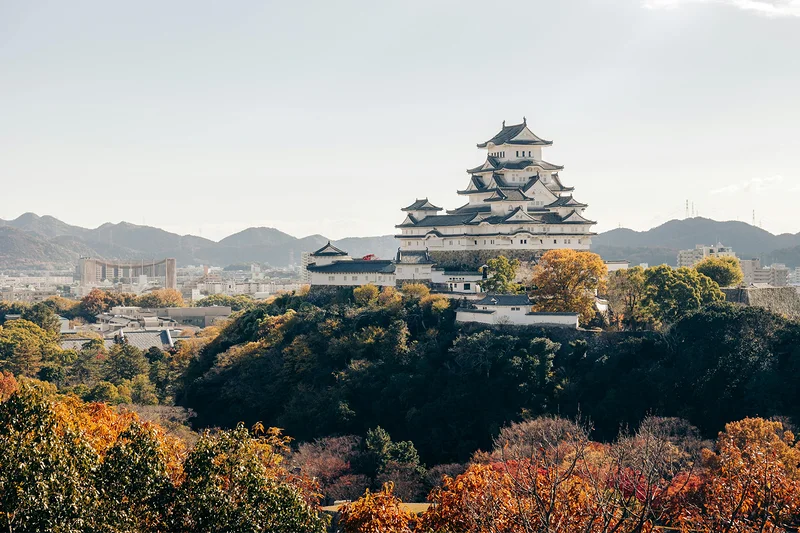
It is 8 a.m., the sun hits the white facade of the castle, and the structure seems to glow. The Japanese have been watching this light for over four centuries. That is the miracle of this city in Hyogo Prefecture: its castle has never burned. Neither civil wars, nor the 1945 firebombings, nor the devastating 1995 Kobe earthquake could bring it down. An incendiary bomb even landed on the keep without detonating. Residents talk about luck, though some whisper that the white heron protects its home.
A perfect excursion, and more than just a stopover
Most travelers blow through this city, squeezed between two trains to Hiroshima. That is a mistake. Yes, the castle can be seen in two hours. Yes, you can leave immediately after. But staying one night changes everything. You will see the structure illuminated after sunset, you will wander through the shopping arcades without checking your watch, and you will discover a thousand-year-old temple lost in the mountains where Tom Cruise filmed The Last Samurai.
This destination is perfect for fans of Japanese feudal architecture and travelers who appreciate human-scale cities. Families with children will find the terrain flat and easy to navigate. However, if you are looking for the nightlife of Tokyo or the dense temple clusters of Kyoto, you might find the pace too quiet.
A reasonable budget for the Kansai region
Expect to spend between 8,000 and 15,000 JPY ($55, $100) per day depending on your style. Castle admission is 1,000 JPY ($7), and a combined ticket with the Koko-en gardens is only 1,050 JPY ($7). A night in a guesthouse starts around 3,000 JPY ($20), while a comfortable hotel near the station runs about 8,000 to 12,000 JPY ($55, $80). A good bowl of ramen costs between 800 and 1,200 JPY ($5, $8).
The castle: much more than a postcard
When you exit the JR station, look up. At the end of the main avenue, a fifteen-minute walk away, the castle of Himeji stands on its hill. This perfectly aligned perspective is no accident. The entire city was designed around its stone lord. The nickname Shirasagi-jō comes from the slender silhouette of the building, which evokes a white heron spreading its wings.
Inside, the stairs are steep and the wood creaks under your feet. The rooms are empty, which disappoints some visitors. But this austerity captures the essence of Japanese castles: they were military fortresses, not palaces. From the sixth floor, the view of the city and the Chugoku mountains is worth the climb.
Friendly tip: arrive at opening time, around 9 a.m. In April for cherry blossoms or in August, the line can exceed an hour by midday. English-speaking volunteer guides offer free tours at 10 a.m. and 1 p.m.
Mount Shosha and its forgotten temple
Take bus number 10 from the station for 25 minutes, then hop on the cable car. At the top awaits Engyo-ji, a Buddhist complex founded in 966 that feels frozen in time. The lack of modern infrastructure makes it a popular filming location for Japanese and international directors.
The main temple, Maniden, has a wooden veranda overlooking the forest. Behind it, a ten-minute walk through the undergrowth, three halls form a silent U where monks meditated a thousand years ago. Hikers will enjoy the trails that wind between maples and cedars. Wear shoes that are easy to slip on and off, as you will remove them several times to enter the buildings.
The cable car costs 1,000 JPY ($7) round trip, and temple admission is 500 JPY ($3.50). An optional bus connects the summit to the Maniden for an extra 500 JPY ($3.50), but the 20-minute walk through the forest is part of the experience.
Koko-en gardens: nine worlds in one
Right next to the castle, the Koko-en gardens offer a green counterpoint to the white stone. Created in 1992 on the former site of the lord's residence, they gather nine distinct gardens, each representing a style from the Edo period. Koi ponds, a bamboo forest, paths of manicured pines: the walk takes about an hour.
The Soju-an tea house, in the heart of the park, serves matcha accompanied by seasonal sweets. Sitting facing the pond after climbing the castle provides a sense of peace that is hard to describe. It is the Japan you imagine, without the crowds of Kyoto.
The shopping arcades and local life
Between the station and the castle stretches Miyuki-dori, a covered arcade where time seems to have stopped in the Showa era. Vintage kimono shops, traditional confectioneries, green tea stalls: the atmosphere contrasts with modern malls. The Tairiku Honten candy shop sells a cake shaped like oden, the local dish.
For a more contemporary vibe, the Piole Himeji mall adjoins the station. Curry restaurants, gyoza chains, French-style bakeries: it is the ideal place to grab a quick meal before a train.
Where to eat and drink in Himeji?
The absolute specialty is Himeji oden. This Japanese stew is distinguished by its side: fresh grated ginger soy sauce instead of the mustard served elsewhere. The Nadagiku Kappatei restaurant, in the Himeji Noren alley near the station, serves it in a castle-shaped pot. Stools shaped like taiko drums add a theatrical touch.
For ramen, Menme and Mendokoro Nakayama make their own noodles and offer honest prices. For fish, try anago-don, a rice bowl topped with grilled conger eel, a specialty of the Seto Inland Sea. Hinepon is also worth the detour: mature laying hen served with a tangy ponzu sauce.
At the end of the day, the city produces excellent local sake. The Tatsuriki brewery offers tastings where the master brewer sometimes greets visitors in person.
Where to sleep in Himeji and the surrounding area?
The area around the JR station concentrates most accommodations. The Nikko Himeji offers rooms with views of the castle from the upper floors. The Dormy Inn features public thermal baths and good value. For tight budgets, the Himeji 588 hostel offers clean dorms starting at 3,000 JPY ($20).
The Shironoshita Guesthouse, a twenty-minute walk from the castle, appeals to travelers seeking a friendly atmosphere. For a more immersive experience, the Yumenoi ryokan offers onsen and traditional kaiseki meals. The SETRE Highland Villa, a bit off the beaten path, combines fusion cuisine and views of the surrounding countryside.
How to get to and around Himeji?
From Osaka, the Shinkansen takes 30 minutes to reach JR Himeji station, covered by the Japan Rail Pass. JR rapid trains take an hour and cost about 1,520 JPY ($10). From Kyoto, count on 45 minutes by Shinkansen. The city is a logical stop on the Sanyo line between Osaka and Hiroshima.
The closest airport is Kobe, at 52 km. Kansai International Airport, at 65 km, remains the main entry point for international travelers. Long-distance buses connect Tokyo to Himeji overnight.
Once there, everything can be done on foot. The castle is 15 minutes from the station, the gardens right next door. For Mount Shosha, municipal bus number 10 leaves from the station. The Himeji Loop Bus serves the main tourist sites. A 600 JPY ($4) day pass allows unlimited travel. Renting a bike is a pleasant option: the terrain is flat and the lanes are well-maintained.
When to go?
Spring and autumn are the ideal seasons. In April, the cherry blossoms in the castle park create one of the most beautiful hanami spots in the Kansai region. In November, the maples on Mount Shosha turn red and orange. Summer is hot and humid, but the mountain offers a bit of relief. Winter remains mild, with few tourists.
The Nada no Kenka Matsuri, in October, features portable shrine bearers clashing in an impressive spectacle. The Himeji Yukata Matsuri, in late June, celebrates the summer kimono in a festive atmosphere. Avoid Golden Week in early May and the weekend of August 15 if you dislike crowds.
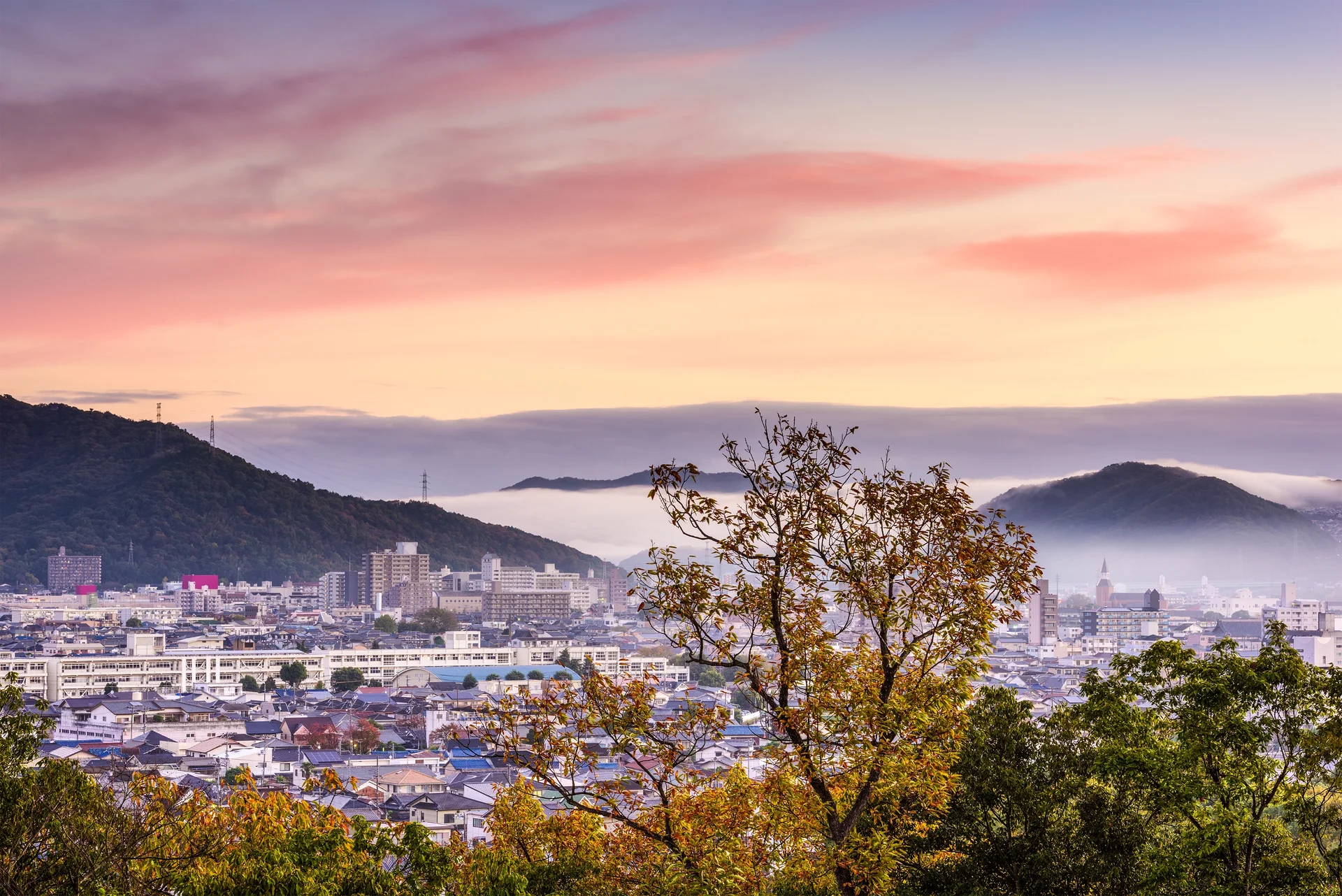
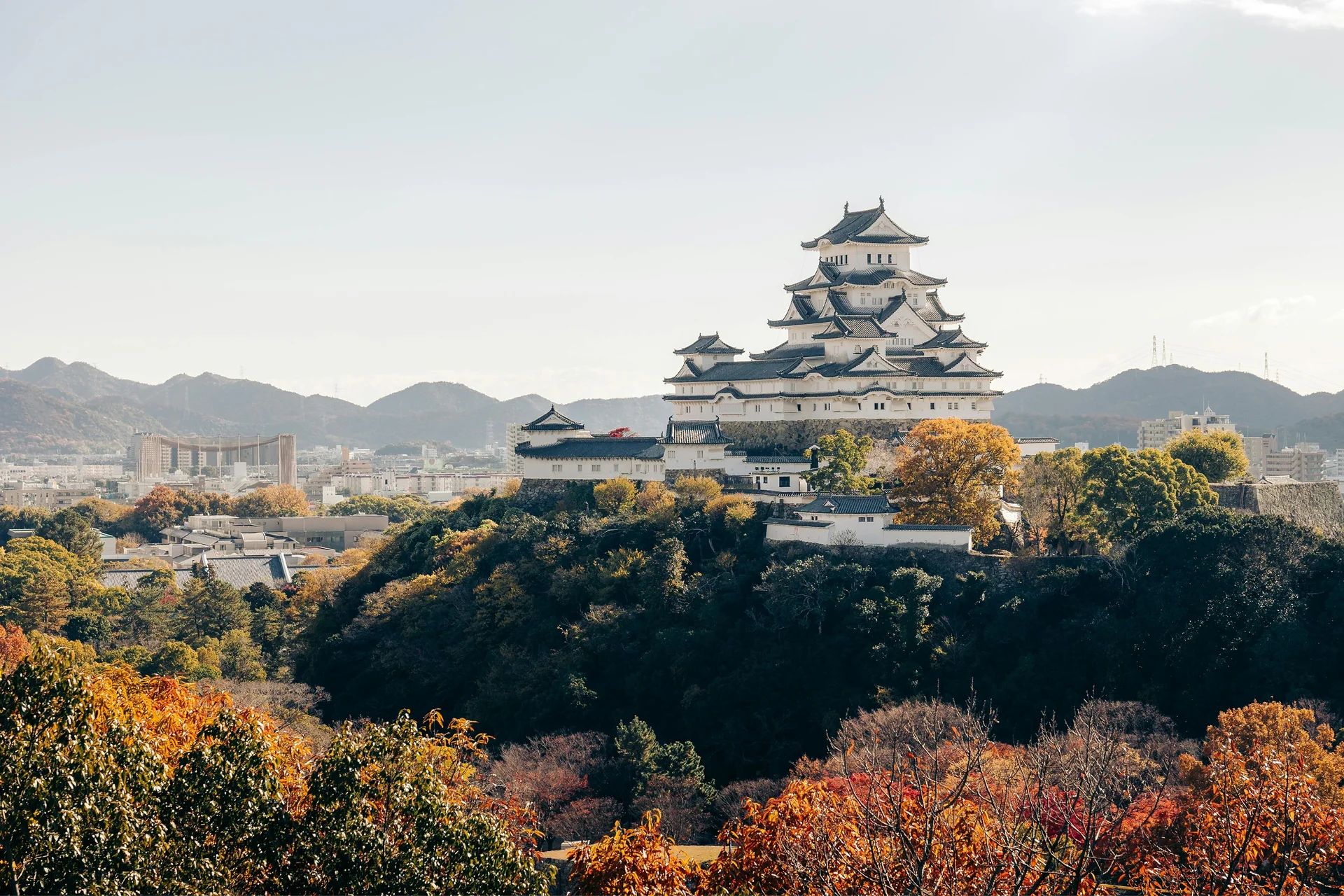
If you are visiting Osaka, I really recommend going to Himeji. The city is accessible in 30 minutes by train. You only have to walk from the station to reach Himeji Castle. Since the visit only takes an afternoon, do not miss it! Listed as a UNESCO World Heritage site, its beauty is breathtaking.