
Himeji Castle: The White Heron of Feudal Japan
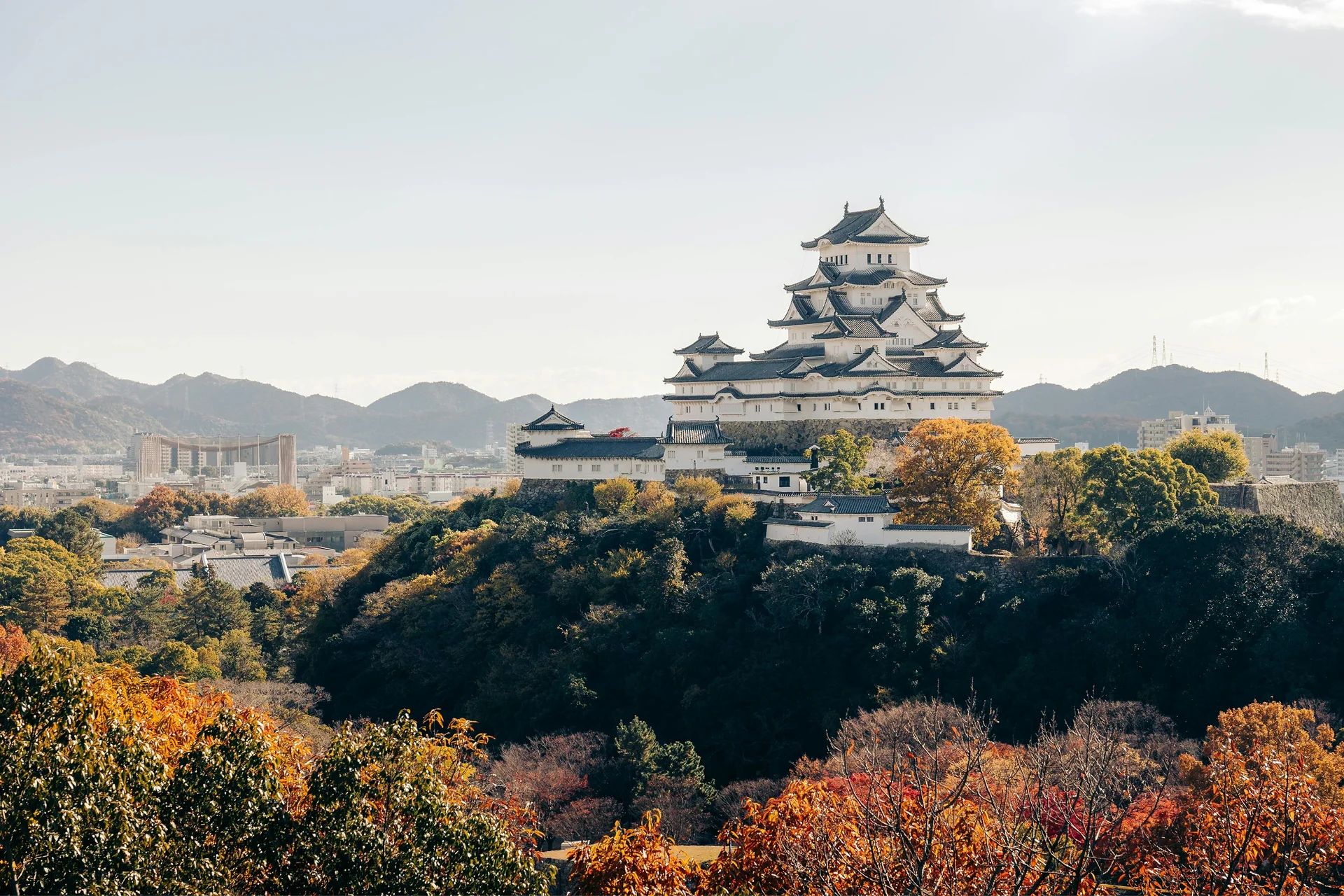
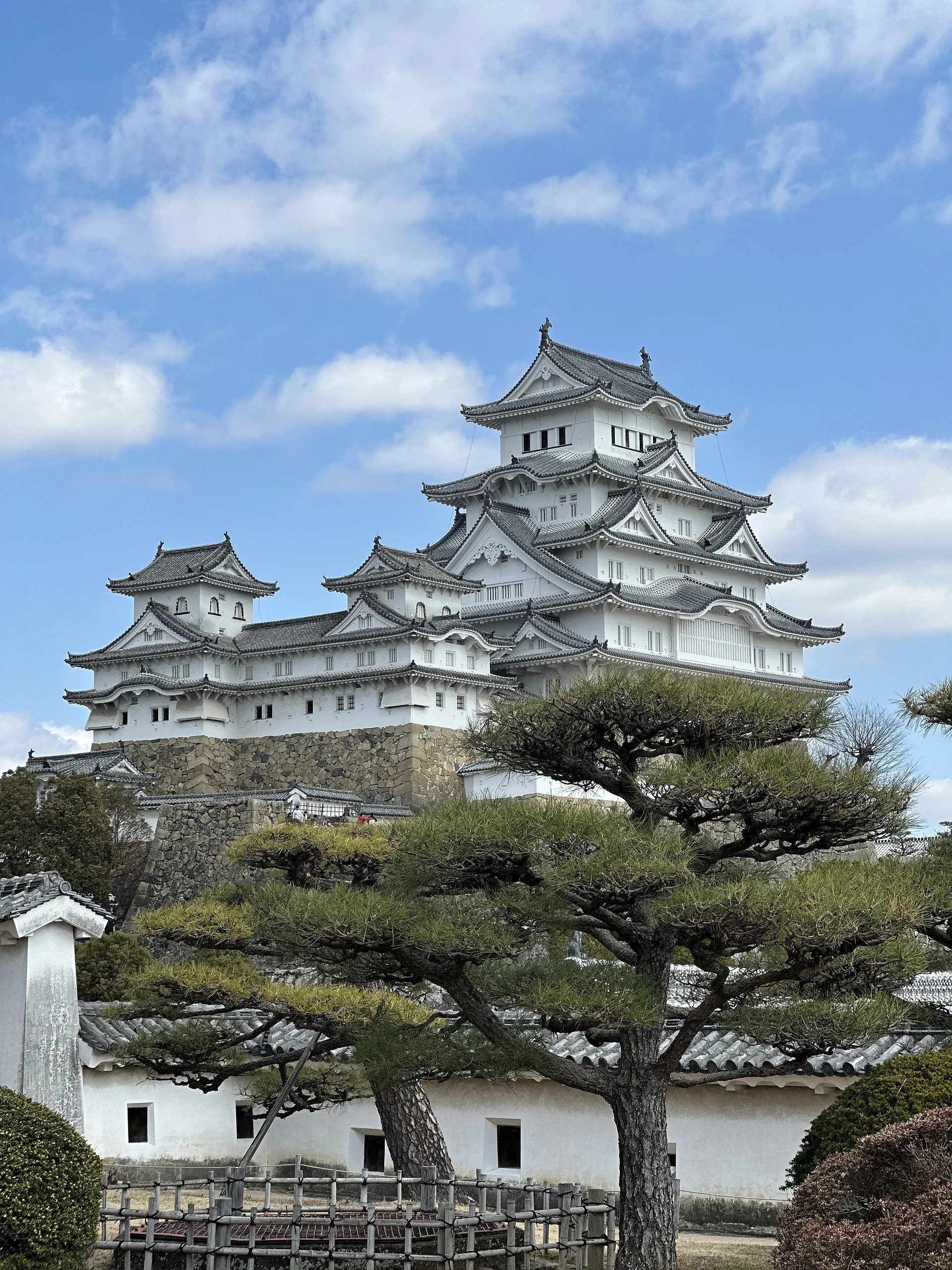
Perched on Himeyama Hill in the heart of Himeji, Himeji Castle displays walls of immaculate white that look like the wings of a heron about to take flight. This fortress, which has stood for four centuries without ever being besieged or destroyed, perfectly embodies the pinnacle of Japanese defensive architecture. It is one of the last twelve Japanese castles with an original wooden keep, and it was designated a UNESCO World Heritage site in 1993.
Why visit Himeji Castle?
The castle as we see it today was completed in 1609 by the daimyo Ikeda Terumasa, a gift from shogun Tokugawa Ieyasu after the Battle of Sekigahara. Its history actually stretches back to the 14th century, when the first fortification was built on this strategic site west of Kyoto. What makes Himeji exceptional is its miraculous state of preservation. Unlike most Japanese castles destroyed during the Meiji Restoration or bombed during World War II, this one survived intact.
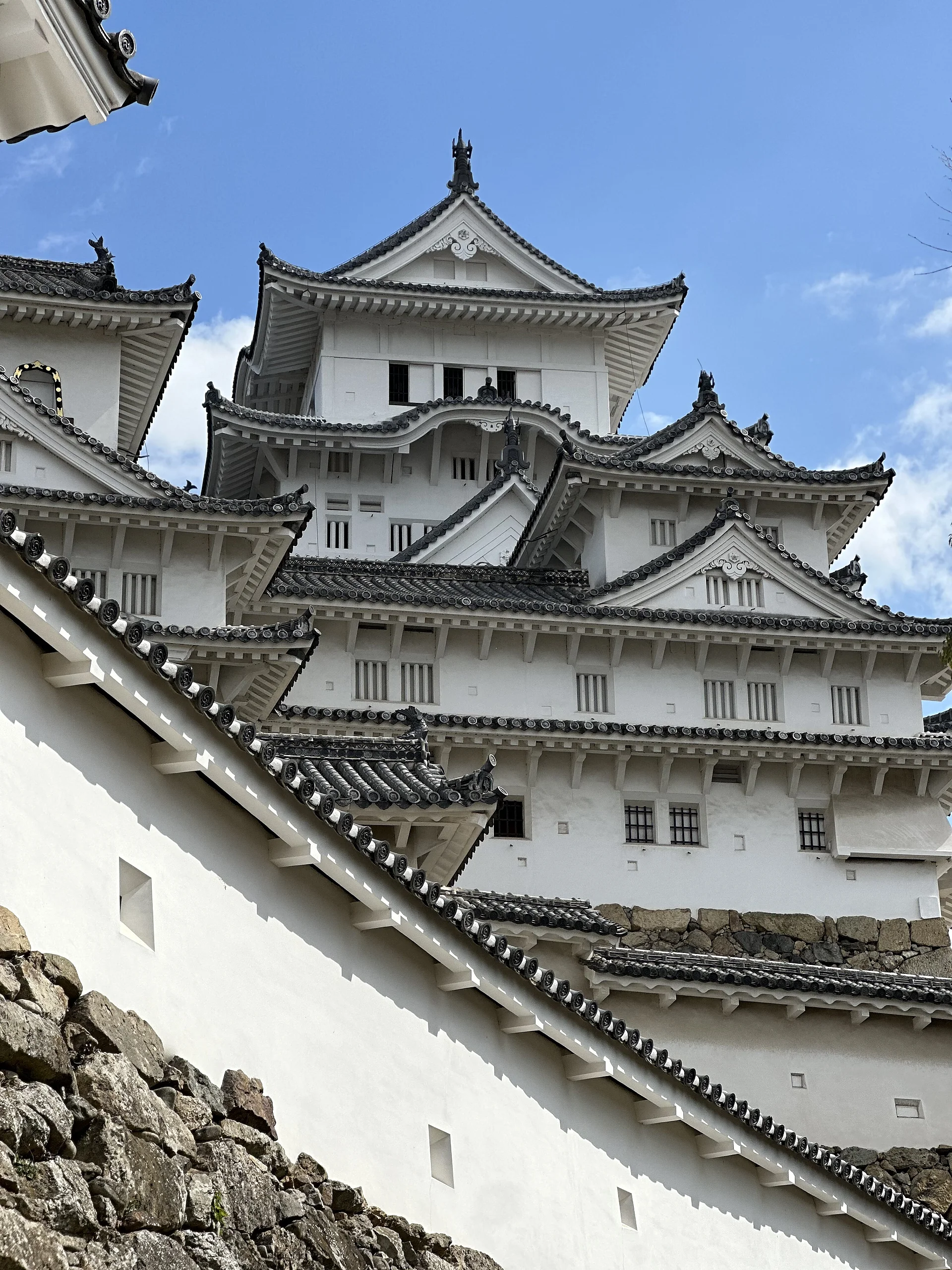
Nicknamed Shirasagi-jo, or White Heron Castle, it owes its poetic name to walls covered in brilliant white plaster that contrast with its dark tiled roofs. This whiteness serves a practical purpose beyond aesthetics, as the plaster protects the wood from fire and humidity. Major renovations between 2010 and 2015 restored its original luster, reviving that legendary brightness.
A defensive labyrinth of ruthless ingenuity
The castle architecture is a feat of military engineering. There are 83 buildings in this fortified complex, connected by winding paths designed to trap enemies. Every gate and turn exposes attackers to fire from defenders stationed at arrow slits. The curved walls, often compared to fans, are not there for decoration. Their shape provides exceptional structural support and makes climbing them impossible.
The climb to the main keep feels like ascending a small mountain. There are six floors inside, though only five are visible from the outside. The floors narrow as you go up, and the staircases become increasingly steep. At the summit, a small Shinto shrine watches over the castle, and the windows offer a panoramic view of Himeji and the surrounding area.
Essential stops during your visit
The keep and its architectural secrets
Inside the keep, the vast wooden rooms reveal two massive original pillars that have supported the entire structure for four centuries. The strategic openings meant for archers and arquebusiers recall the fortress's primary function. The wood creaks under your feet, and each step resonates with the history of the samurai who once walked these same stairs.
The West Bailey and Princess Sen's apartments
The Nishi-no-maru, or West Bailey, housed the apartments of Princess Sen, granddaughter of shogun Tokugawa Ieyasu. This more intimate section of the castle contrasts with the military austerity of the main keep and offers a glimpse into the daily life of feudal nobility.
Koko-en Garden: A moment of serenity
Right next to the castle, the Koko-en Garden, created in 1992, consists of nine separate gardens, each designed according to different styles from the Edo period. With koi ponds, traditional tea houses, and wooden bridges, it is the perfect place to rest after climbing the keep. The garden also provides beautiful views of the castle in the background.
A unique seasonal experience
The castle takes on different personalities throughout the seasons. In the spring, over 1,000 cherry trees burst into bloom within the walls, creating a magical scene during hanami (flower viewing). Autumn sets the surrounding area ablaze with vibrant colors. Winter reveals the structure in its most absolute purity. Each night, the castle is illuminated until midnight, offering a striking nocturnal view.
Other things to see:
- Strategic arrow slits: Over 1,000 openings in various shapes (round, triangular, square) for archers and arquebusiers
- Successive gates: A system of 21 gates that slows down the enemy and forces them to expose themselves
- Inner moat: Boat tours available on weekends and holidays
Friendly tip: Arrive 15 to 30 minutes before opening (9:00 AM, or even 8:00 AM to 8:30 AM in peak season) to avoid the crowds. Bring thick socks or comfortable indoor shoes, as you will have to remove your outdoor footwear to enter the buildings, and the wooden stairs can be slippery. Plan for at least 90 minutes for a complete visit.
Opening hours
Summer hours (June through August): 9:00 AM to 6:00 PM (last entry at 5:00 PM).
Closed December 29 and 30.
*Information subject to change

Easily accessible from Osaka for a day trip, Himeji Castle is clearly a must-see. Its white facade, silver roofs, and majestic architecture are truly impressive.
For 2500 yen (about 13€), you can visit the grounds and climb the floors of the main tower to take in the panoramic view of the city. About two to three hours is enough to fully enjoy the visit without rushing.