
Visiting Miyazu, a quiet escape between sea and mountains
Amanohashidate: one of Japan's most iconic views
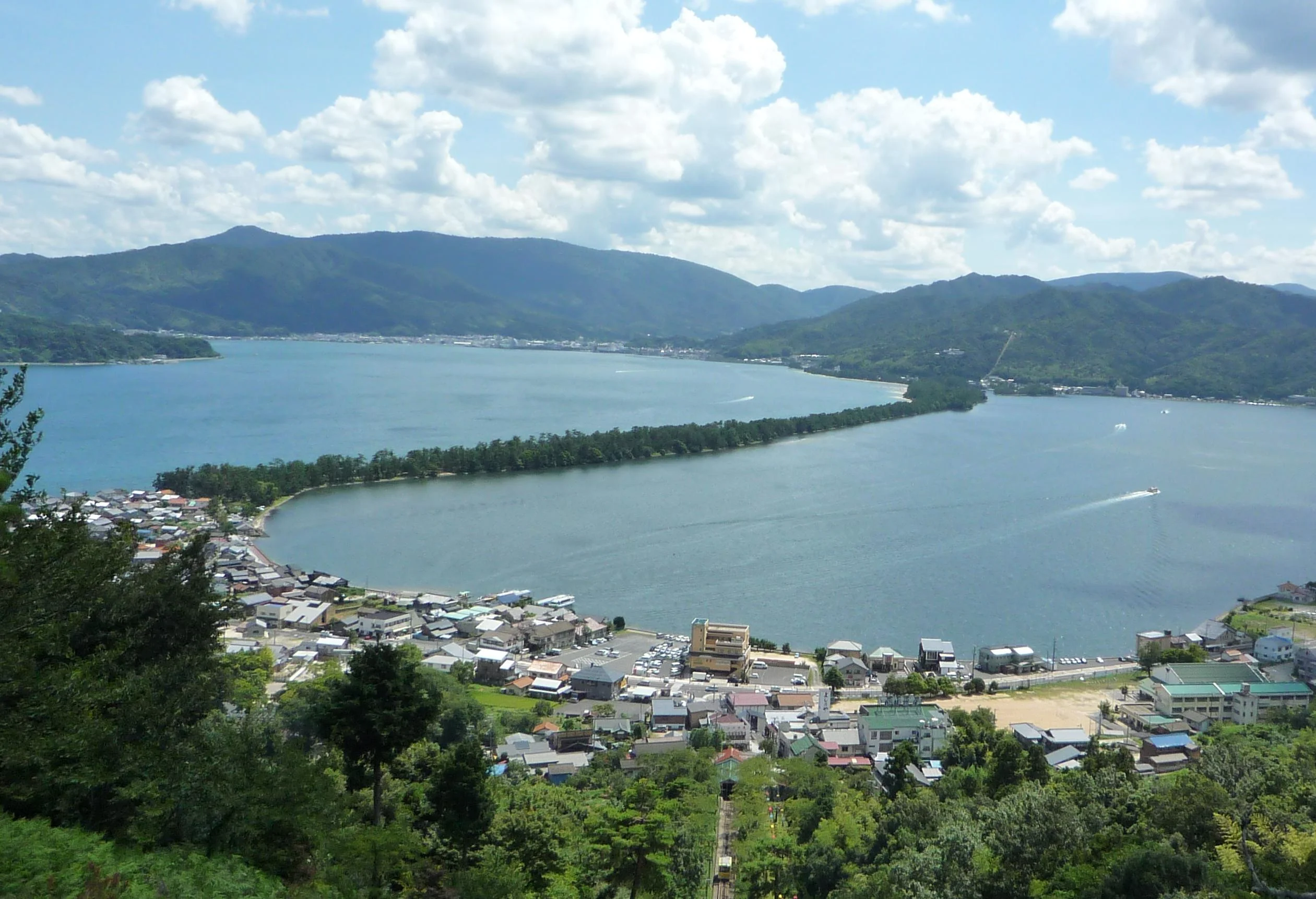
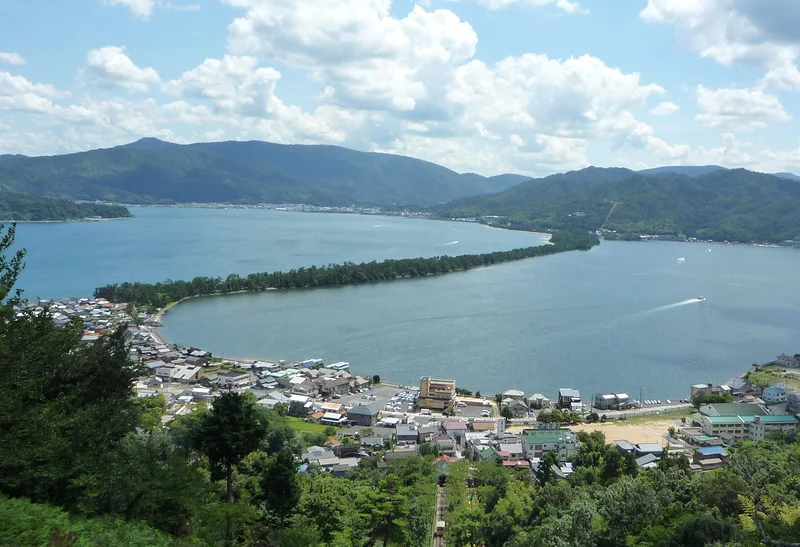
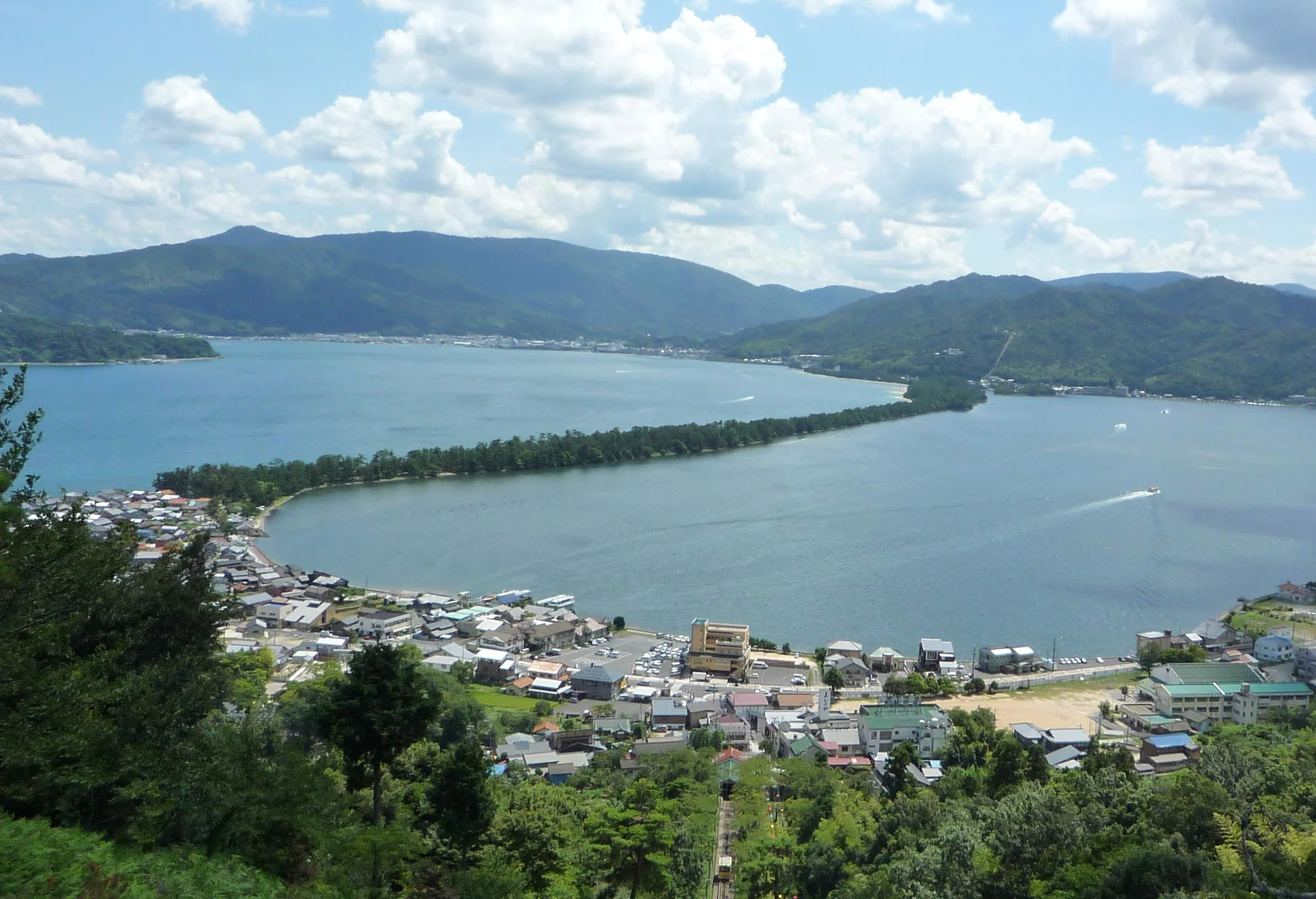
Miyazu is defined by Amanohashidate, a pine-covered sandbar that stretches about 2.2 miles (3.6 km) across the bay. Often ranked among the "three most famous views in Japan," this natural formation is best seen from elevated vantage points like Kasamatsu Park.
A local tradition involves viewing the scenery upside down by bending over and looking between your legs, which is said to create the illusion of a "heavenly bridge" suspended between the sky and the sea.
Temples and shrines: a spiritual atmosphere
The town and its surroundings are dotted with temples and shrines. Chion-ji, a Buddhist temple at the southern end of Amanohashidate, is known for housing a large statue of Monju Bosatsu, the bodhisattva of wisdom.
The Motoise Kono shrine, which predates the famous Ise Grand Shrine, is also worth a visit for its history and traditional architecture. These sites offer a quiet space for reflection and a look into Japanese spirituality.
Miyazu hot springs
If you are looking to unwind, the onsen (hot springs) scattered throughout the area are a highlight. Amanohashidate Onsen features baths with views of the sea, which are perfect for relaxing after a day of sightseeing. Some ryokans in Miyazu also provide private baths for a more intimate experience.
Local gastronomy: fresh seafood
Located on the Sea of Japan, Miyazu is famous for its fresh catch. Winter crab, known as Matsuba-gani, is a local specialty highly prized during its season from November to March. Grilled sea bass and sashimi featuring fish caught right in the bay are also staples. For a local culinary experience, you can eat these dishes at a traditional ryokan or a waterfront restaurant.
When to go
Spring (April-May) and autumn (October-November) are the best times to visit Miyazu. The temperatures are mild, and the cherry blossoms or changing maple leaves enhance the scenery. In the summer, the beach at Amanohashidate draws visitors, though the humidity can be intense. Winter, despite the cold, is the prime time to enjoy the famous Matsuba crab.
How to get there
From Kyoto, Miyazu is accessible by the Hashidate Limited Express train, which connects the two cities in about 2 hours (roughly 4000 JPY, or about $27). By car, the trip takes about 1.5 hours via the expressway.
From Tokyo, the journey takes about 5 hours by taking the shinkansen to Kyoto and transferring to the express train. Long-distance buses are a cheaper option but take significantly longer.
Plus, it is easily accessible from Kyoto Station! People think a lot about the old capital, but there are many pretty little towns accessible nearby. I really enjoyed this one for its tranquility. No frantic attractions, just magnificent views, the sea, and the sand. As for food, plan ahead if you are not big on seafood!