
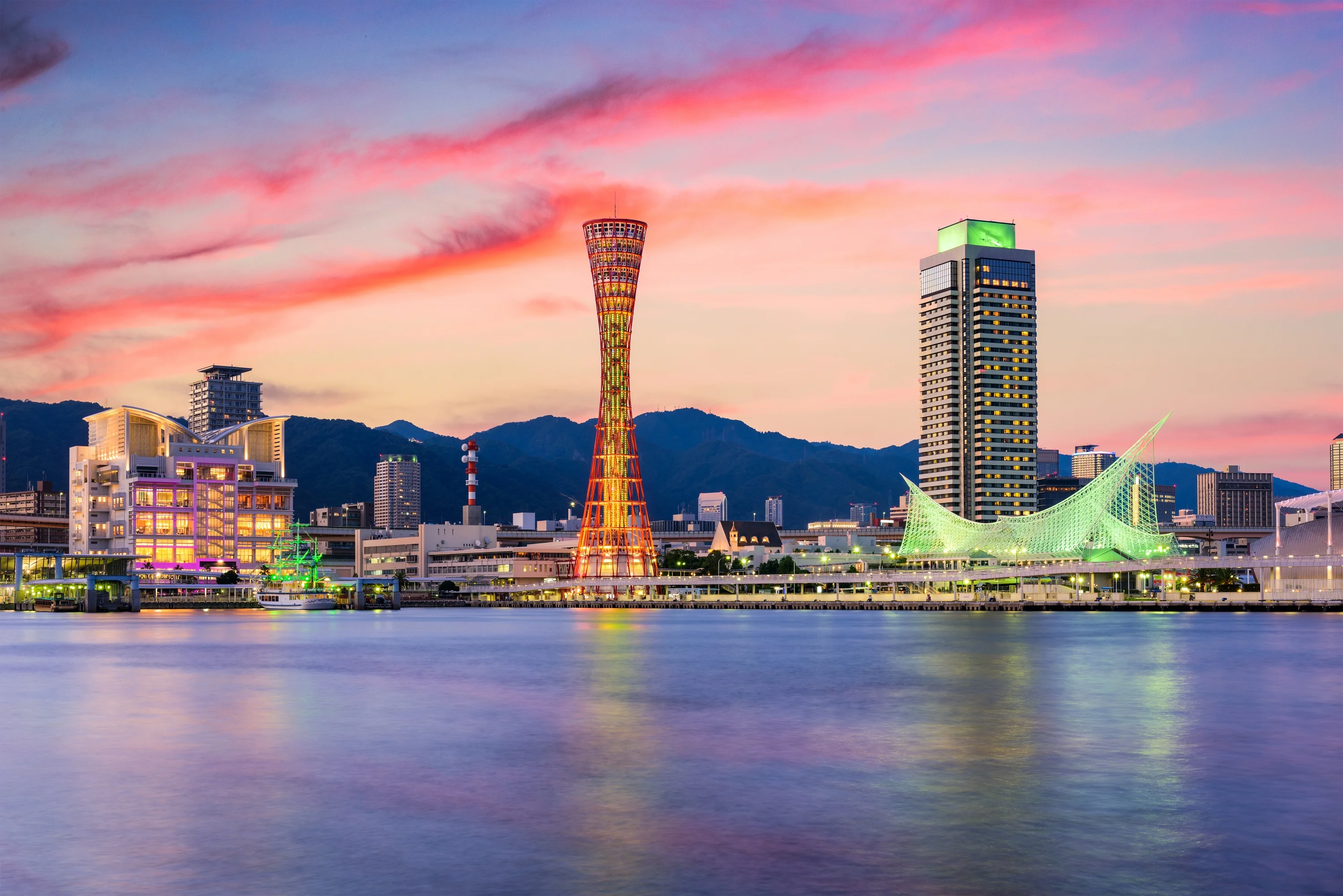
Visiting Kobe, where Japan meets the world
Set between the mountains and the sea, Kobe feels like a departure from the typical Japanese travel experience. Forget the clichéd image of marbled beef. This port city has always had its gaze turned toward the horizon, welcoming Chinese merchants, European traders, and international influences to weave a unique identity. The scent of roasted coffee mingles with temple incense here, Victorian facades sit alongside Shinto shrines, and this coexistence feels entirely natural, much like the eclectic architectural mix found in parts of San Francisco.
A stopover for those seeking a different side of Japan
This destination is perfect for travelers who enjoy human-scale cities, the kind you explore on foot without getting lost in a maze of interchangeable neighborhoods. Kobe attracts food lovers, of course, but also those who want to understand how Japan opened itself to the world without losing its soul.
However, if you are looking for the frenetic energy of Tokyo or the ancient cultural treasures of Kyoto, you might be disappointed. Kobe cultivates a more relaxed atmosphere, with a coastal vibe reminiscent of Santa Monica.
Average budget to plan for: The city remains accessible, especially compared to Tokyo, though local beef will drive up the bill if you indulge. One day is enough for those in a hurry, while two or three allow you to really savor the city.
Kitano-cho, the neighborhood where the West settled
Climb the steep alleys of Kitano-cho and you will understand why foreign merchants chose these heights in the 19th century. About twenty ijinkan houses, those Western-style homes with colorful facades, tell the story of a city that was cosmopolitan long before its time. The Weathercock House with its iconic weathervane and the Uroko no Ie (the fish scale house) are worth the detour, but do not try to visit them all. Choose two or three based on your interests.
Between visits, lose yourself in the hidden cafes of the neighborhood. Some occupy former residences and serve exceptional coffee, a legacy of a century-old importation tradition.
Friendly tip: Buy the two-house combined pass, Kazamidori and Moegi, at 800 JPY instead of paying for each one separately; free up to high school age. Also, arrive early in the morning, around 9:30 AM, to enjoy the neighborhood before the tour groups arrive.
The port and Harborland, between nostalgia and modernity
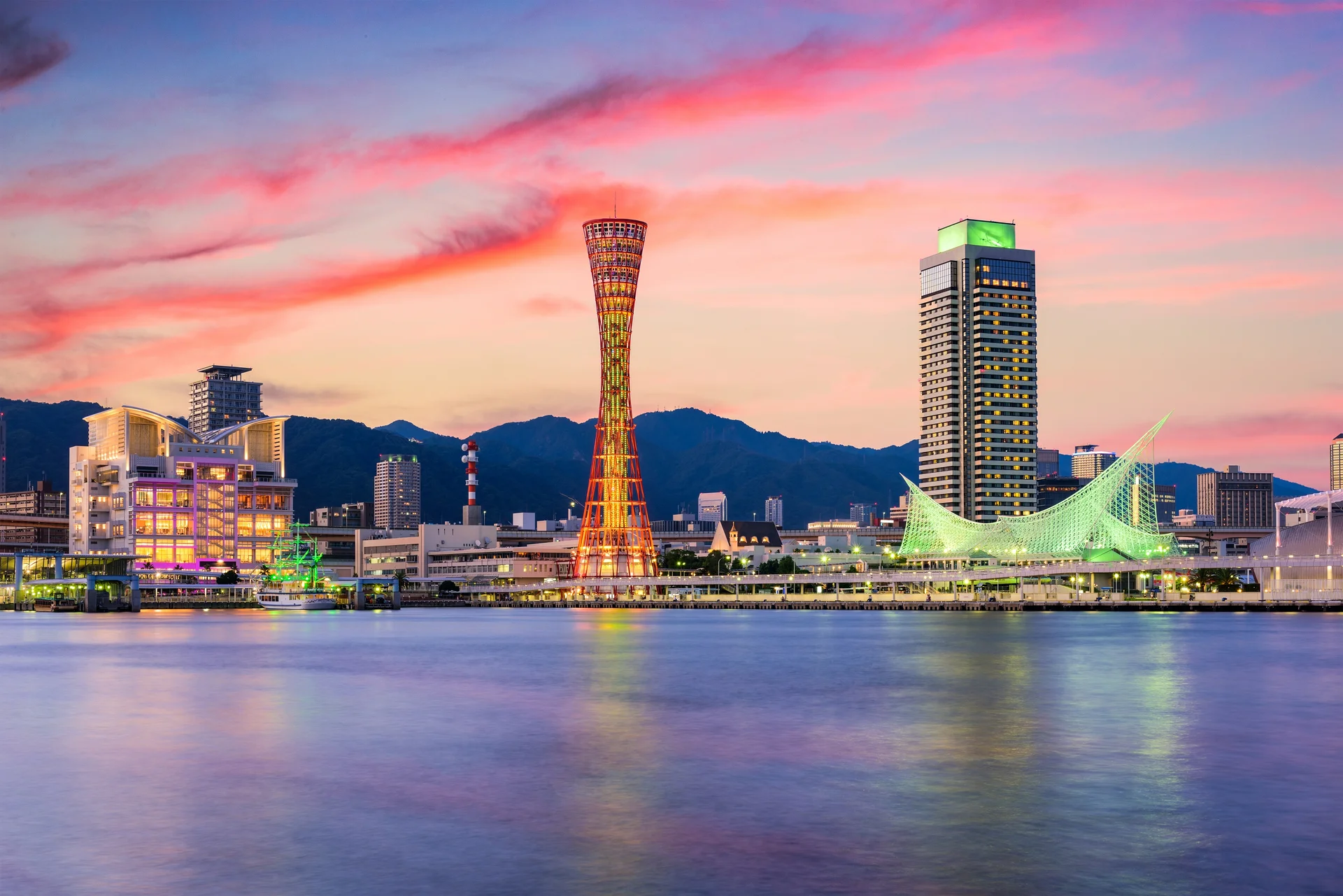
The Kobe waterfront tells another story, that of a port that served as Japan's gateway to the world. The Kobe Port Tower, red and slender, offers a panoramic view of the bay, but it is down at the water level that the neighborhood reveals its true charm. Harborland blends shopping centers and promenades along the docks without falling into the trap of soulless development.
Do not miss Meriken Park with its bold contemporary architecture, including the maritime museum and its white structure evoking sails filled by the wind, and especially the Kobe Port Tower illuminated at nightfall. The earthquake memorial soberly commemorates the 1995 disaster with a section of the pier left fissured, a raw testament to that tragedy.
Friendly tip: Save your harbor walk for the late afternoon. Watch the sunset from the docks, then dine at one of the Harborland restaurants with a view of the harbor lights.
Sannomiya and Nankinmachi, the beating heart
Sannomiya serves as the neural center where trains and crowds converge. The covered shopping arcades stretch for miles, housing shops, restaurants, and that quintessential Japanese energy. But just a short walk away, in the small Nankinmachi Chinatown, the experience becomes truly singular.
This Chinese district, one of the three oldest in Japan, fits into just a few streets but overflows with life. Steaming dim sum, roast ducks hanging in store windows, and a brightly colored Taoist temple make the atmosphere change radically in just a few steps. Come at lunchtime to taste the specialties in a lively market atmosphere.
Friendly tip: Try the butaman, those steamed meat-filled buns sold at Nankinmachi street stalls. At 150-200 JPY each, they are the perfect snack for exploring the neighborhood.
Mount Rokko, taking it to the heights
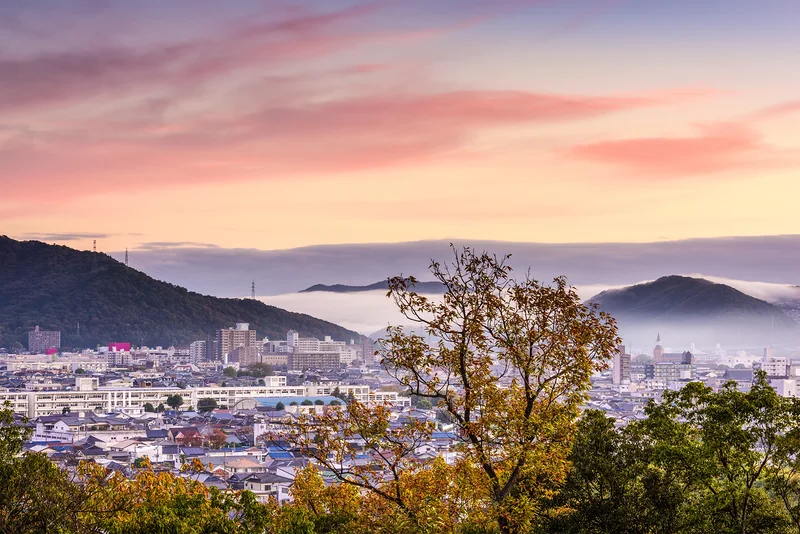
A few miles from the center, Mount Rokko offers a green escape and a spectacular view of the city and the Seto Inland Sea. The cable car hauls you to 737 meters of altitude, below a summit that peaks at 931 meters, where the air becomes cooler and the perspectives infinite. At the top, the Rokko Botanical Garden surprises with its collection of alpine plants, an unlikely sight at this latitude.
In winter, you can even ski (modestly). In summer, people come for the cool air. And all year round, the night view of the ten million dollars, as the glittering panorama of the illuminated city is nicknamed, justifies the ascent on its own.
Friendly tip: Buy the daily Rokko-Maya Pass that combines the cable car, bus, and entry to attractions. Check the weather before heading up, as a summit in the fog has little to offer.
Where to eat and drink in Kobe?
The local gastronomy fluctuates between international excellence and Japanese traditions. Kobe beef, obviously, reigns supreme. This marbled wagyu meat literally melts in your mouth, but expect to pay between 8000 and 20000 JPY for a proper meal at a reputable restaurant. Addresses in the Sannomiya district often offer better value than the touristy restaurants at the port.
But Kobe is not just about beef. The city has developed a unique fusion cuisine, mixing Chinese and Western influences. Try the sobameshi, a local specialty mixing yakisoba noodles and fried rice, or head to the Nada district to taste sake at one of the many historic breweries. The Hakutsuru Sake Brewery Museum offers free tastings and explains the production process.
For coffee, Kobe possesses one of the oldest roasting cultures in Japan. Traditional cafes, or kissaten, serve impeccable drip coffee in a soothing, retro atmosphere.
How to get there and get around Kobe?
Kansai International Airport, on an artificial island south of Osaka, serves the region. From there, count on 70 minutes by direct bus to Sannomiya for 1950 JPY, or take the train with a transfer in Osaka (about 90 minutes, 1500 JPY or $10). From Kyoto, the express train takes 50 minutes for 1110 JPY. Tokyo is 3 hours away by shinkansen.
Within Kobe, the subway and urban train network works perfectly. A day of sightseeing generally only requires two or three trips, at about 200-300 JPY each. The city center is easily navigated on foot, with a 20-minute walk between Sannomiya and Harborland, and 15 minutes to climb to Kitano-cho.
For Mount Rokko or Arima Onsen, combined passes exist and prove more economical than individual tickets. A car is not necessary and becomes a liability for parking in the city center.
When to go?
Spring (March-May) and autumn (September-November) offer ideal conditions, with pleasant temperatures, often clear skies, and magnificent seasonal colors in the gardens and on the slopes of Rokko. The cherry blossom season in early April attracts crowds, though fewer than in neighboring Kyoto.
Summer is hot and humid, with temperatures regularly exceeding 30°C (86°F) in July and August, but the ascent to Mount Rokko offers a bit of relief. Winter remains mild in the city, with snow being rare, although the surrounding summits do get covered in white.
If possible, avoid Golden Week in early May and the New Year week, when the Japanese themselves travel en masse, saturating hotels and transportation.

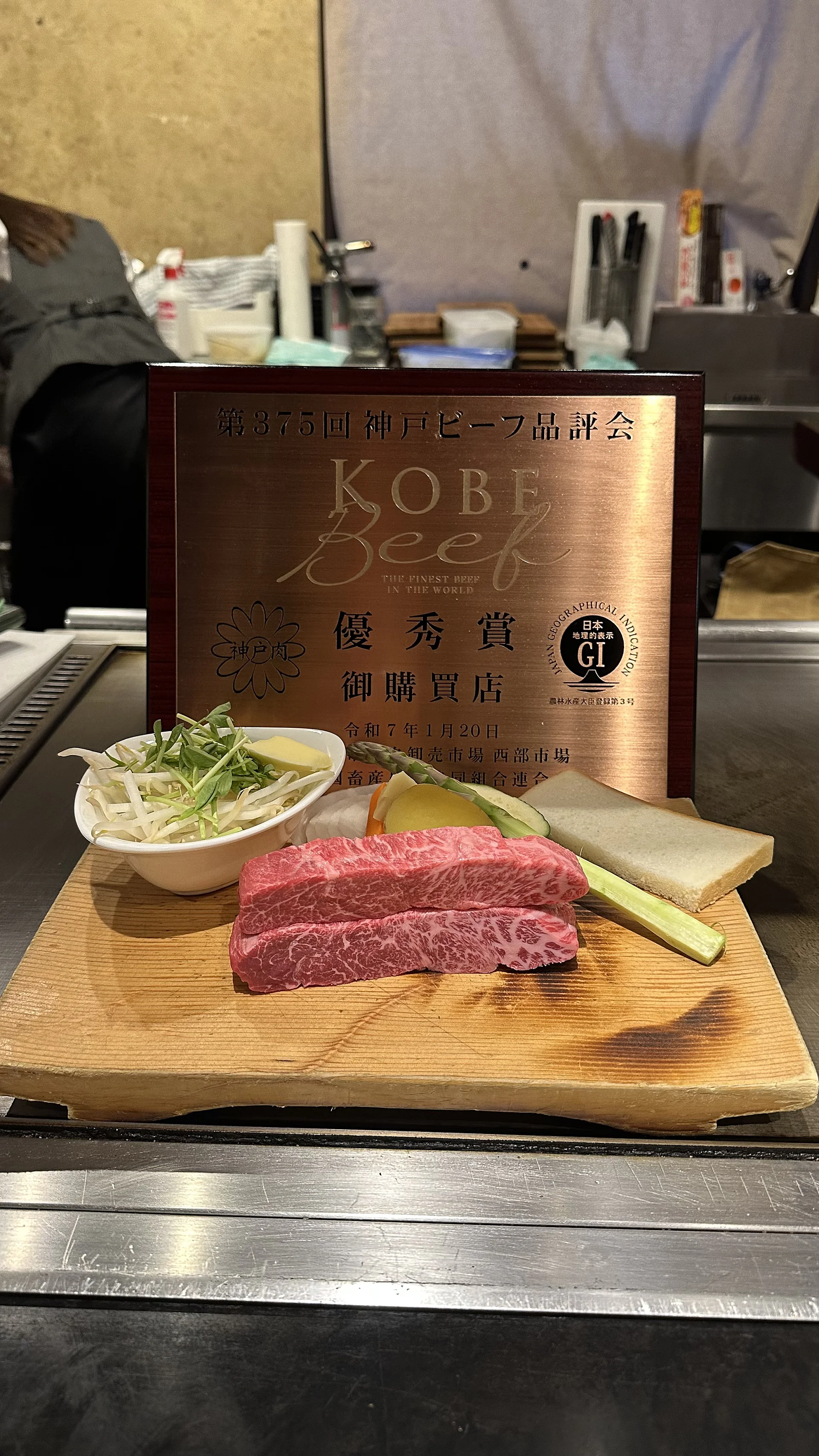
Si ça peut te "soulager", tu aurais payé la même viande 5 à 6 fois plus cher à Paris. Cela dit, effectivement, très tendre, mais je préfère une bonne entrecôte argentine à un boeuf de Kobe 😊