
Where to stay in Kansai: the 7 areas to know in 2026
In Kansai you do not change hotels, you change trains. Six of our reviews say it one after another about six different cities: Nara is half an hour from Kyoto, Himeji thirty minutes from Osaka, Kobe and Ōtsu barely more. The densest rail network in Japan outside Tokyo turns the whole region into day trips.
So the real question is not which city to pick, but which neighborhood: sleeping in Gion and sleeping in front of Kyoto Station do not give you the same trip, and Namba is nothing like Umeda. Seven areas below, and only one where you sleep because there is no other way.
Compare hotel prices in Kansai
In a hurry? Find the best accommodation deals in 3 clicks.
Compare live deals from Booking, Expedia, Agoda and other partners.
Of all the cities I have visited in Japan, Kyoto is my absolute favorite. It is actually where I will stay when I return to this extraordinary country.
One base or several?
The whole region sits within an hour's train ride of Kyoto and Osaka, except the northern coast. Here is what works, by length of stay.
- Three days: A single base, in Kyoto, near the station. Osaka is fifteen minutes away, Nara thirty-five: you do not move house for that.
- A week: Two bases: four nights in Kyoto, three in Osaka. The two cities are nothing alike, and the trip between them takes a quarter of an hour.
- Ten days: Three bases, adding a night in Nara to have the park on waking, and one in Kobe for the dinner. Everything else is still a day trip.
- Two weeks: Four bases, and the fourth is the only real one: two nights on the Sea of Japan coast, at Miyazu or Kyotango. It is the one area a day trip cannot replace.
How much driving between two bases?
By train, and that is almost always the right call: the Japan Rail Pass covers the Shinkansen and the JR lines across the whole region.
| Route | Driving time | Good to know |
|---|---|---|
| Kyoto → Osaka | 15 min | Shinkansen, or 30 min on the local line |
| Kyoto → Nara | 35 min | Nara line, direct |
| Kyoto → Ōtsu | 10 min | Lake Biwa, two stops away |
| Kyoto → Amanohashidate | 2 hr | Hashidate express, a few trains a day |
| Osaka → Kobe | 20 min | Three companies to choose from |
| Osaka → Himeji | 40 min | Shinkansen, or 1 hr on the local line |
| Osaka → Nara | 40 min | Kintetsu line, direct |
| Namba → aéroport du Kansai | 35 min | Rapi:t, no changes |
| Kyoto → aéroport du Kansai | 1 hr 15 | Haruka, direct |
At a glance: our picks by traveller type
Pick the profile that fits you and go straight to the recommended area.
Map of the areas in Kansai
See how the areas sit relative to one another before choosing your base. Click a name to jump to its description.
Kyoto: Gion and Higashiyama Eastern Kyoto, at the foot of the hills
to sleep in the Kyoto you came to see
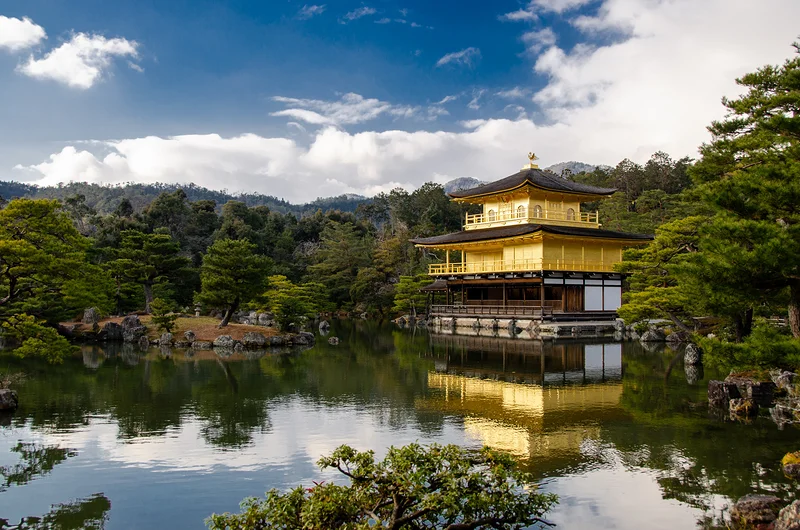
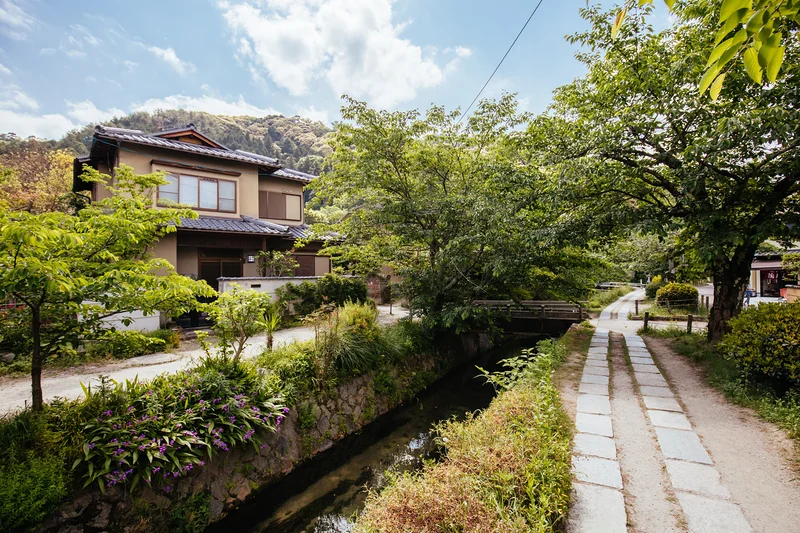
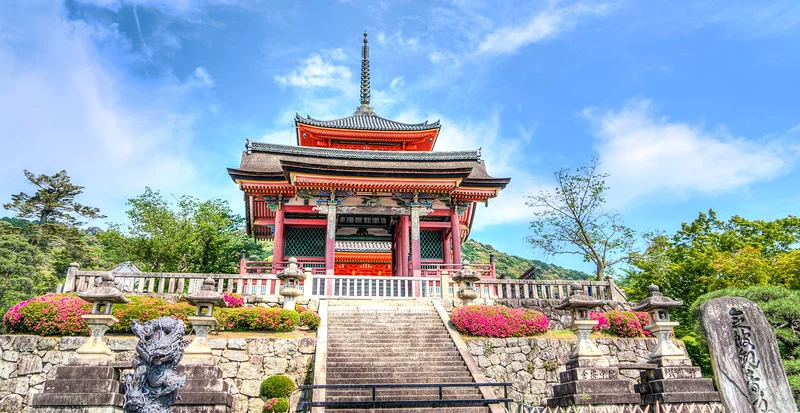
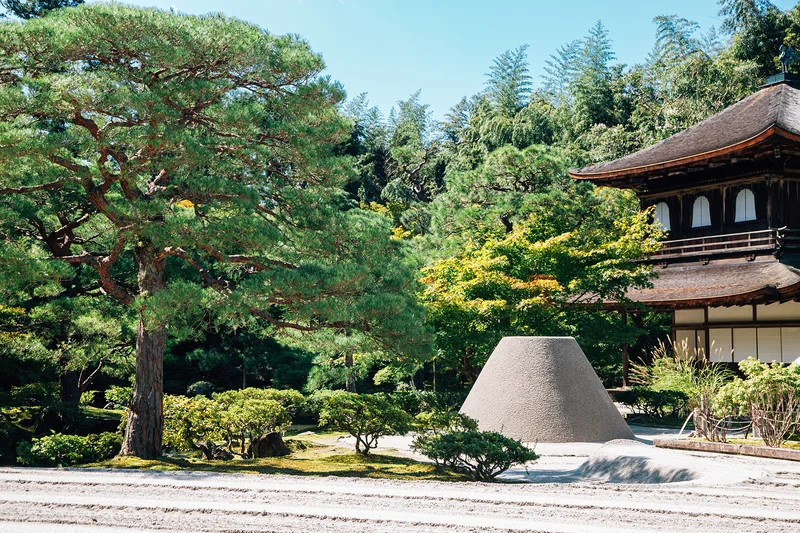
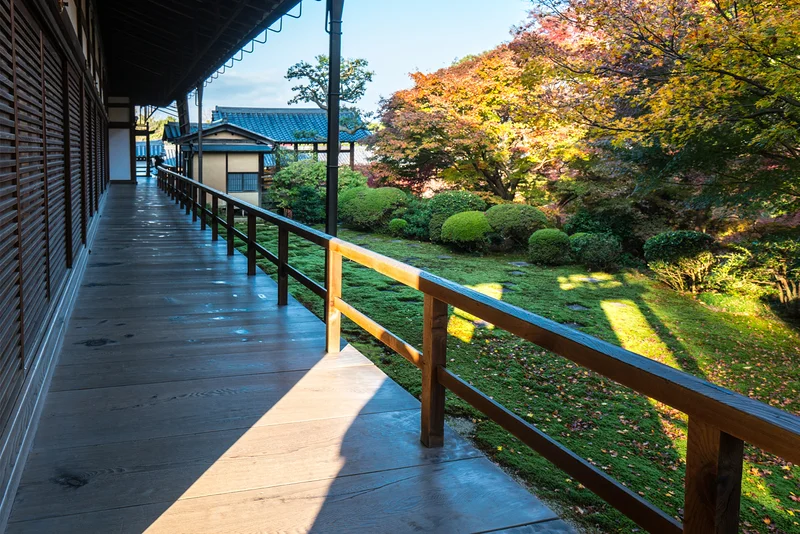
The wooden lanes of Gion, the lanterns lit at dusk, and the paved climb to Kiyomizu-dera overlooking the city. To the north, the Philosopher's Path follows a cherry-lined canal to Ginkaku-ji. This is the only area where you step out of the hotel straight into the scenery, and it is also the most expensive. The flip side: the sites open at six and fill up by nine, so a stay here gets up early.
I stayed in Gion, a truly traditional neighborhood where it is not rare to cross paths with geishas, women but also men.
The towns in this area
What to see and do in this area
Where to stay in this area
The Hotel Seiryu Kyoto Kiyomizu Luxury
In a former 1933 school on the climb to Kiyomizu-dera, with a garden, a terrace and a view over the roofs of Higashiyama. You are a two-minute walk from the temple, so inside it before the coaches.
Gion Hatanaka Luxury
A twenty-one-room ryokan right in Gion, five minutes from Yasaka shrine, which keeps the calm of a mountain inn in the middle of the most visited quarter in town.
Ryokan Motonago Mid-range
A small ryokan with an inner garden in the lanes of Gion, between Yasaka and Kiyomizu. The traditional formula without the rates of the grand houses.
Pros
- You are in the scenery as you step out, no train needed
- The eastern temples open at six and are empty
Cons
- The most expensive area in the region
- Very crowded from nine in the morning to five in the afternoon
Kyoto: the station and downtown Southern and central Kyoto
to cover the whole region from a single bed
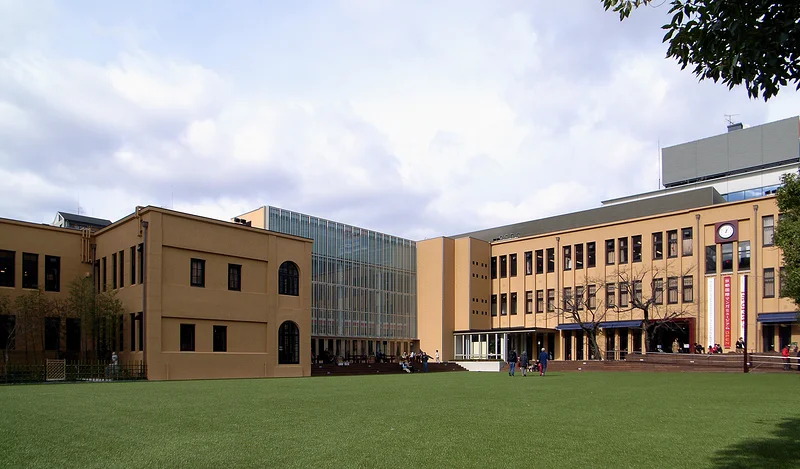
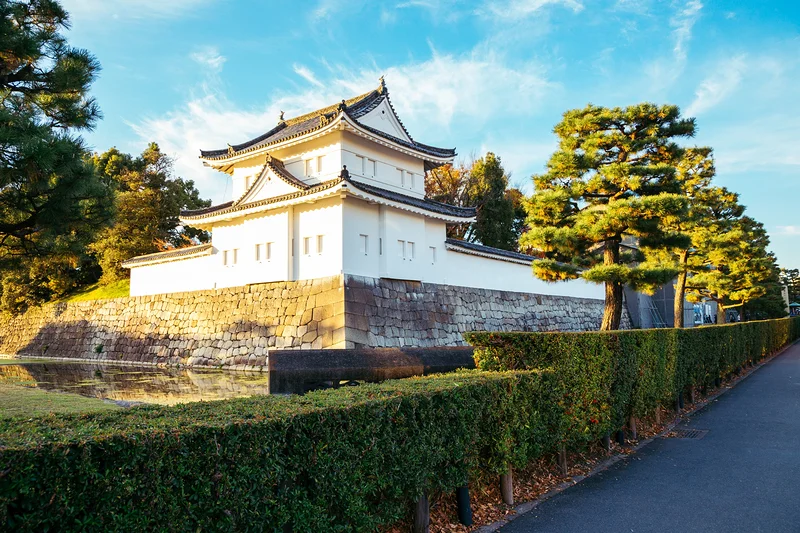
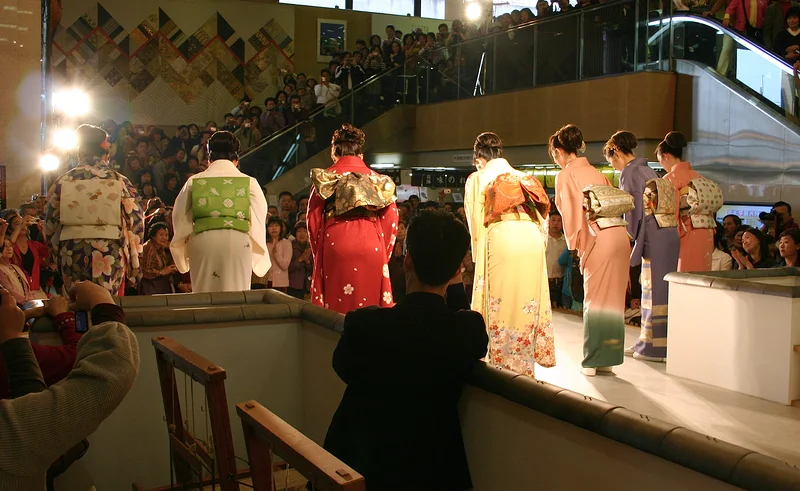
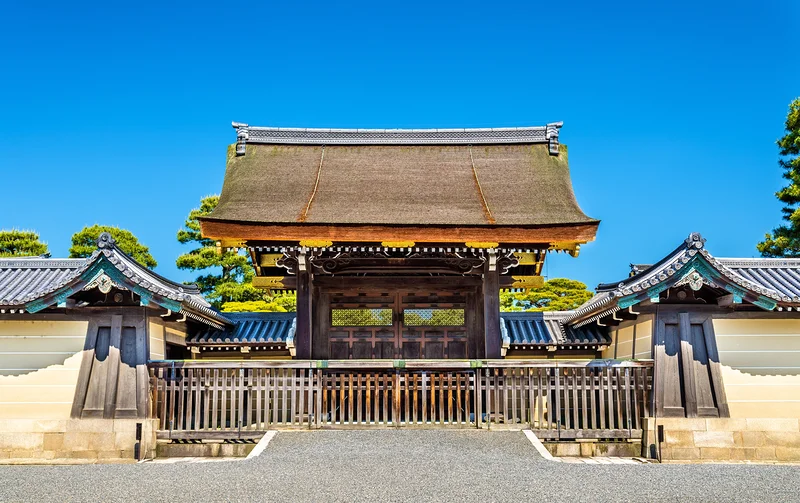
Kyoto Station is where everything starts: the Shinkansen to Osaka in fifteen minutes, the Nara line in thirty-five, the trains to the Sea of Japan, and the buses that climb to the temples. To the north, Nishiki market and Nijō Castle hold the modern center. This is the cheapest area in Kyoto and the one that saves the most time; what you give up is the scenery: you sleep in an office district and take the bus to see the temples.
Kyoto is full of historic monuments, and for anyone who loves history, it is a necessary stop during a trip to Japan.
The towns in this area
What to see and do in this area
Where to stay in this area
Hotel Granvia Kyoto Luxury
Inside the Kyoto Station building itself, with an indoor pool and nine restaurants. You take the elevator down and you are on the Shinkansen platform: that is the whole argument.
Sakura Terrace Mid-range
Three hundred yards from the station's south exit, with a patio and a bar. One of only three places to stay in the region that our database knows, and the best placed for a trip where you take a train every morning.
Hotel Hokke Club Kyoto Budget
Facing the station's Karasuma exit, with Japanese baths. The sensible compromise when the hotel is only somewhere to come back to at night.
Pros
- Osaka fifteen minutes away, Nara thirty-five, Himeji an hour
- A third cheaper than Gion, for the same comfort
Cons
- No scenery at all: the district is functional
- The eastern temples take a bus or a twenty-minute walk
Osaka: Namba and Dotonbori Southern Osaka
to eat, to go out, and to walk home at two in the morning
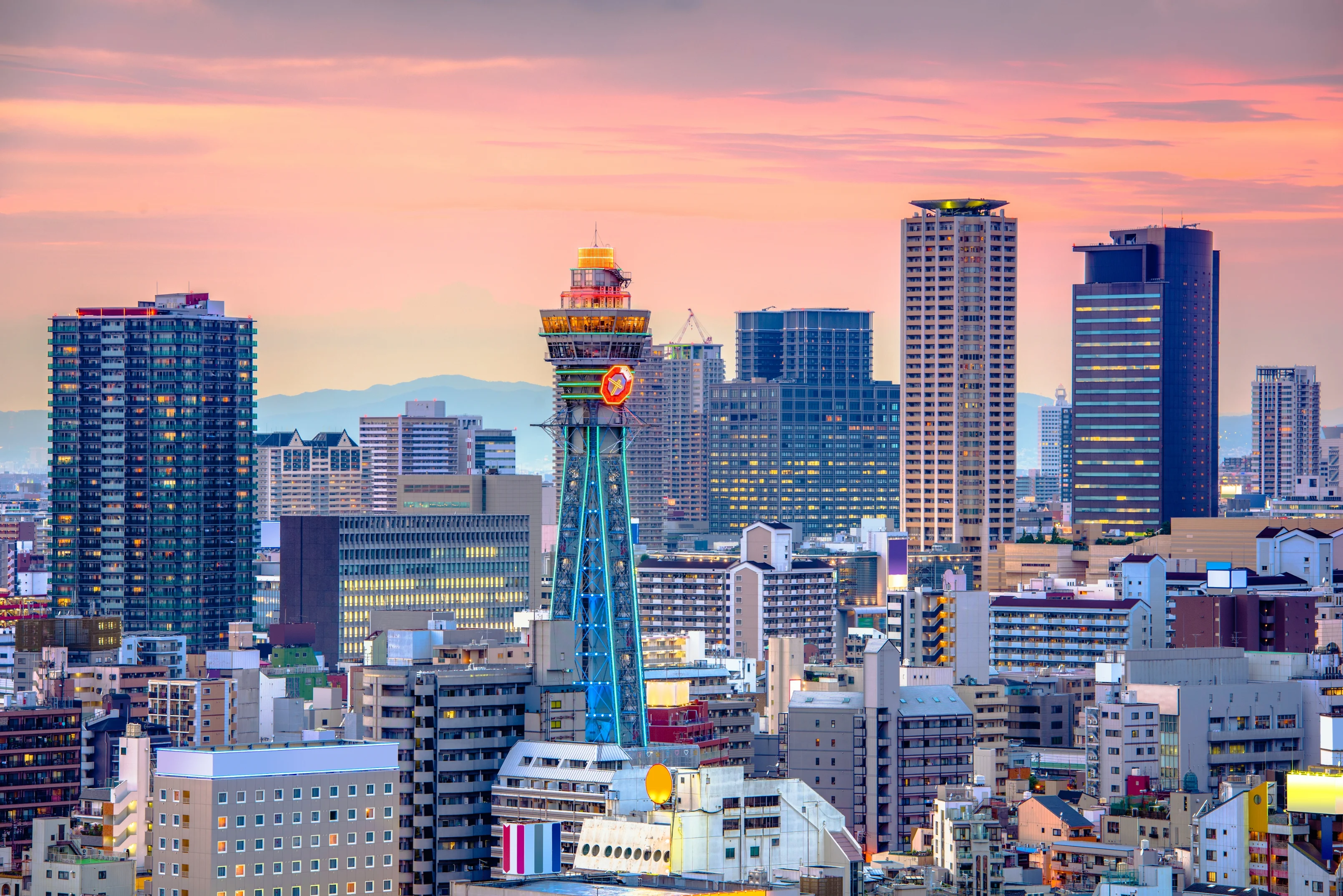
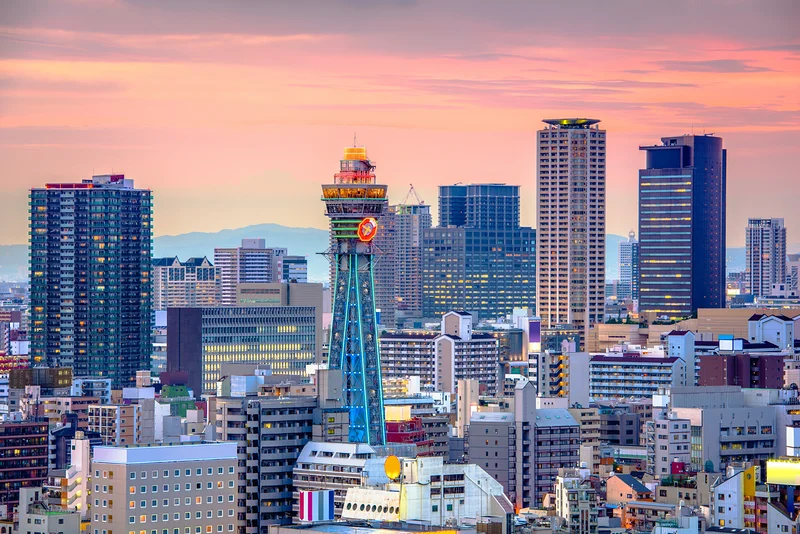
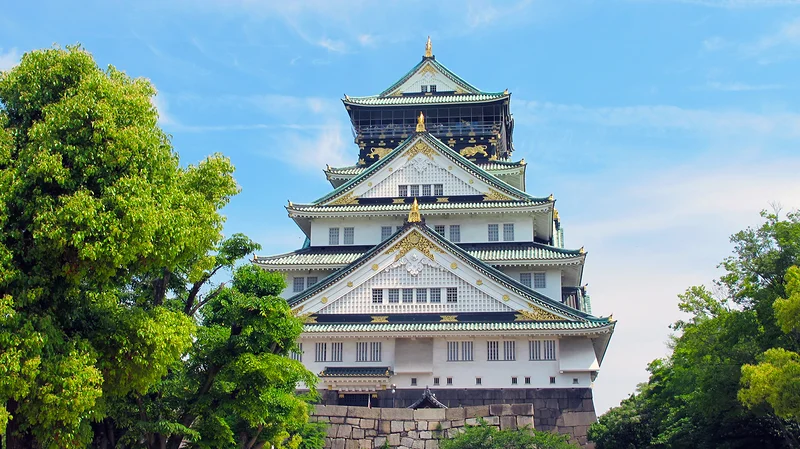
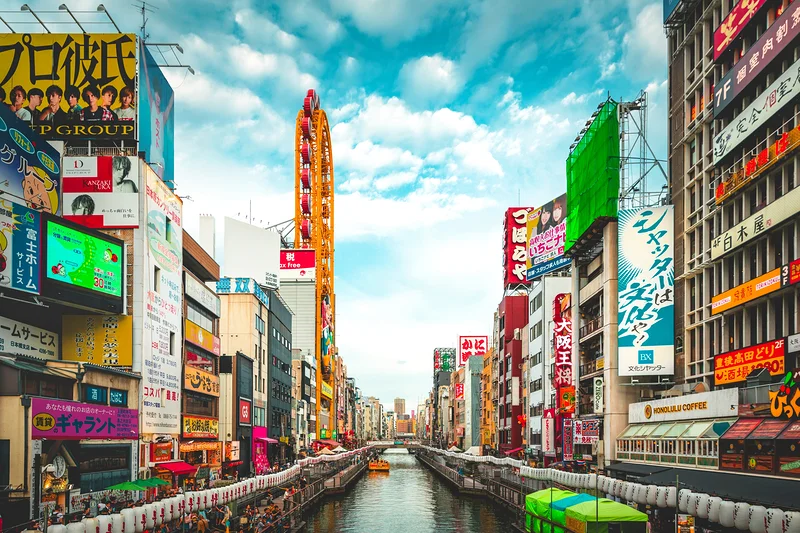
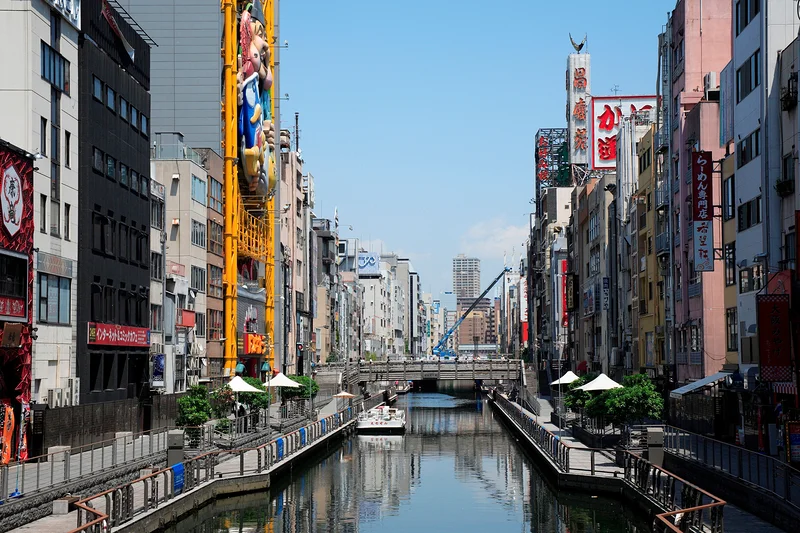
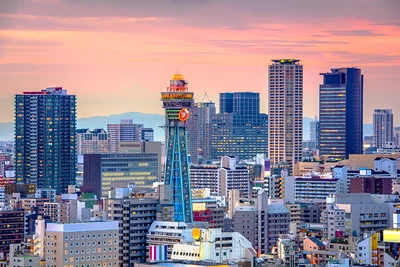
Dotonbori and its neon signs above the canal, the Namba district and its covered arcades, and restaurants open until morning: Osaka calls itself "Japan's kitchen", and this is where it happens. Namba station reaches Kansai airport in thirty-five minutes, direct. What you give up: sleep, if the room faces the street, and the prices of the tourist traps along the canal, which one of our reviews names outright.
Osaka is also the belly of Japan with restaurants and bars open late into the night.
The towns in this area
What to see and do in this area
Where to stay in this area
Swissotel Nankai Osaka Luxury
Above Namba station, so above the direct airport train, a ten-minute walk from Dotonbori. The address that puts the whole region within elevator reach.
Cross Hotel Osaka Mid-range
One street from Dotonbori, between the canal and Namba. You are in the noise, which is precisely what you come to this area for.
Daiwa Roynet Hotel Osaka Uehonmachi Budget
Two metro stops from Namba, in a quiet residential district. The only place to stay in Osaka that our database knows, and the compromise for actually sleeping.
Pros
- Kansai airport in thirty-five minutes, no changes
- Everything on foot, including the walk back from dinner
Cons
- Noisy until late: ask for a high floor
- The tourist traps along the canal, flagged by one of our reviews
Osaka: Umeda Northern Osaka
for the fastest connections in all of Kansai
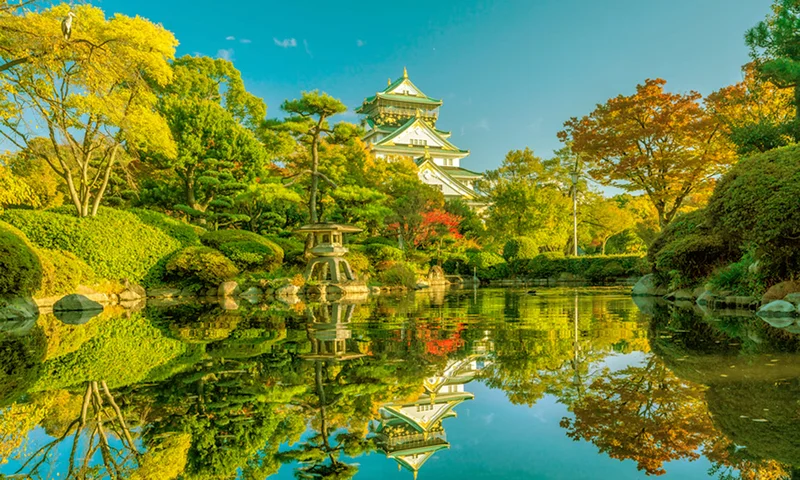
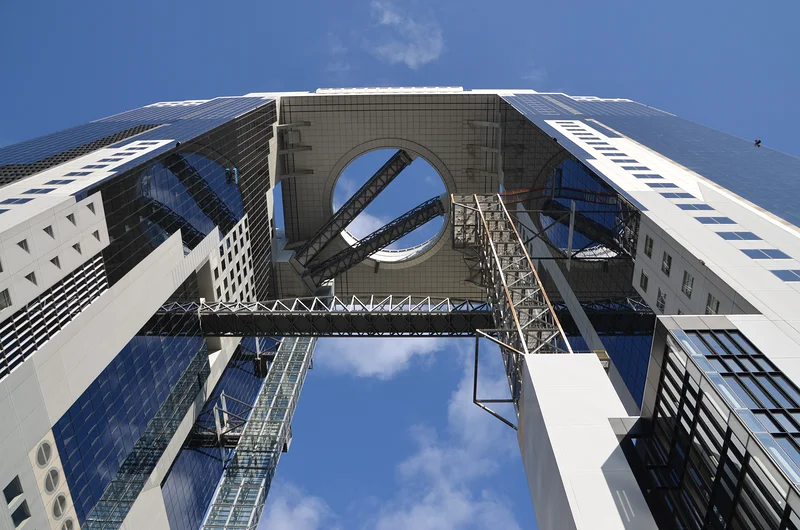
Six rail companies cross under Umeda: the JR, Hankyu and Hanshin lines and the metro, plus the Shinkansen one stop away. Kyoto is twenty-five minutes off, Kobe twenty, Himeji forty. Above it, the Umeda Sky Building opens its circular walkway five hundred and sixty-eight feet up. This is the business district, so the best served and the least picturesque: you do not come for the neighborhood, you come for the station.
Osaka wasn't the place I had the highest expectations for, just a stopover city. I discovered a really lovely city, both modern and historic, lively without being overwhelming.
The towns in this area
What to see and do in this area
Where to stay in this area
Conrad Osaka Luxury
On the upper floors of a tower in Umeda, with windows over the whole city. The best address in Osaka, and the view is half the price.
Hotel Granvia Osaka Mid-range
Inside the Osaka Station building, reception on the nineteenth floor. Seven hundred and twenty-six rooms, so space even in April, and the platform below.
Hotel Hankyu Gran Respire Osaka Luxury
Recent, in the Grand Green Osaka complex linked directly to the station, with a lounge on the twenty-seventh floor. The choice for those who want quiet without leaving Umeda.
Pros
- Six rail networks under the same roof
- Kyoto, Kobe and Nara all under forty minutes away
Cons
- An office and department-store district
- Dotonbori is fifteen minutes by metro, not on foot
Nara The south of the region
to have the deer park before the coaches
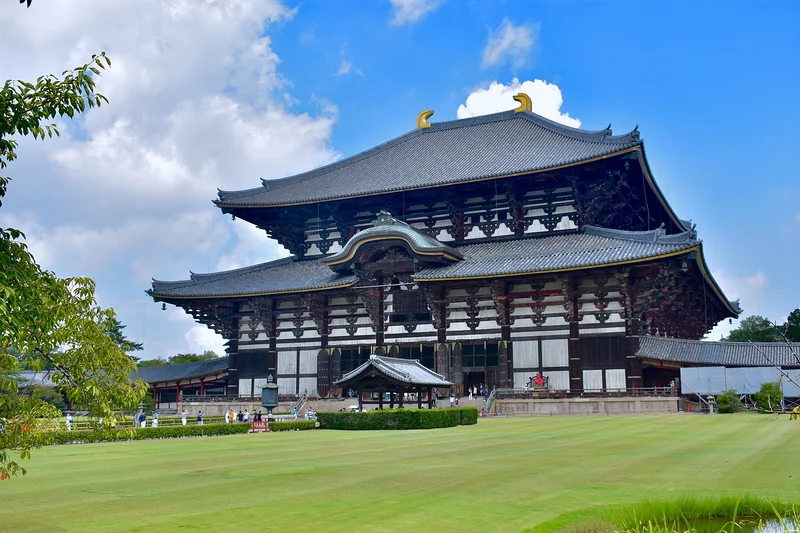
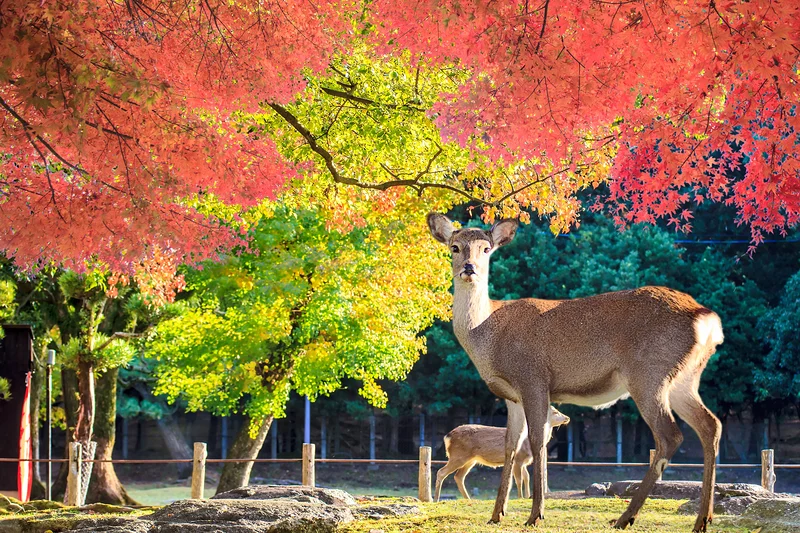
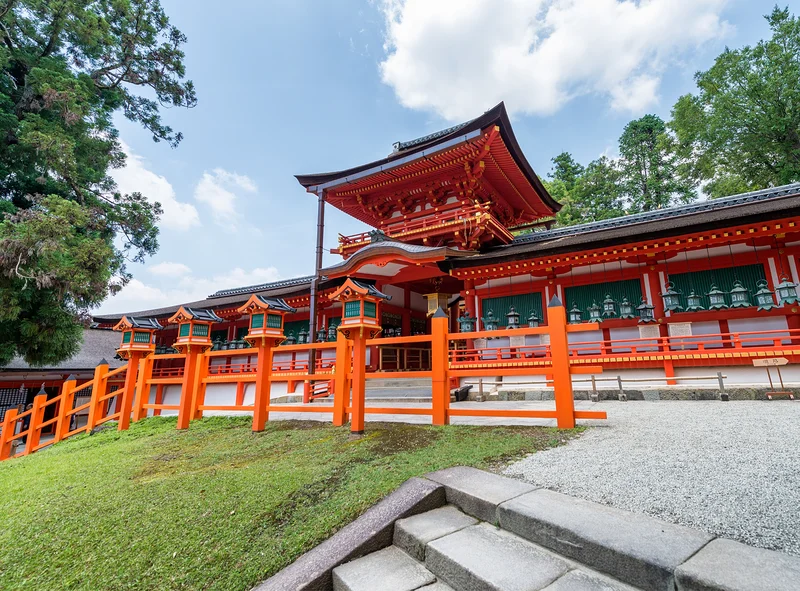
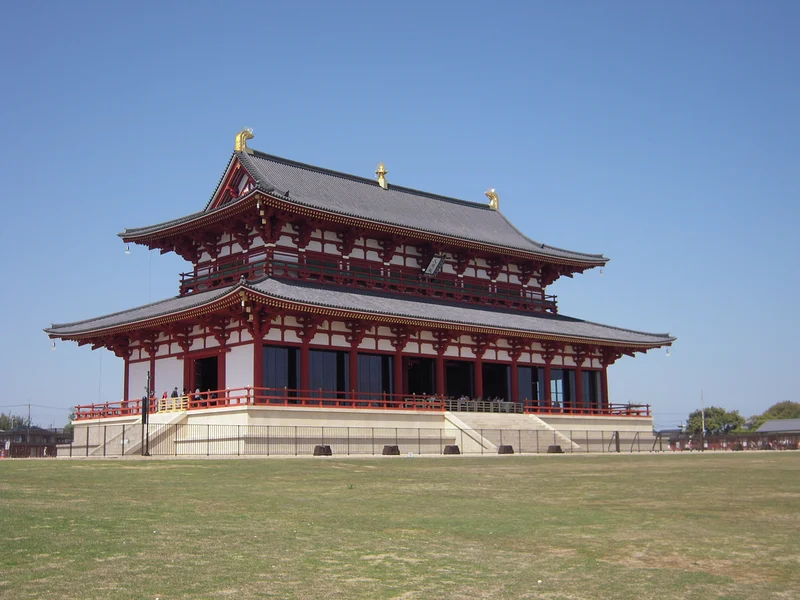
Japan's capital before Kyoto, from 710 to 784, and the city kept from that period the Tōdai-ji and its fifty-foot bronze Buddha, the Kasuga-taisha and its three thousand stone lanterns, and a park where twelve hundred sika deer roam free. Almost everyone comes from Kyoto for the day: sleeping here gives you the park at seven and the primeval forest of Kasugayama, where one of our members found herself alone. The flip side: downtown shuts down early.
Silent trails, tiny temples hidden among the trees, light filtering through the leaves.. and still a few deer wandering freely.
The towns in this area
What to see and do in this area
Where to stay in this area
Nara Hotel Luxury
Opened in 1909 on the hill above Nara Park, a hundred and twenty-nine rooms in a period building. You walk down to the Tōdai-ji before the ticket windows open.
Hotel Nikko Nara Mid-range
Linked directly to the west exit of Nara JR station, three hundred and thirty rooms. The practical choice when Nara is just one night between Kyoto and Osaka.
Pros
- The park and the temples on foot, and empty before eight
- Half an hour by train from Kyoto, forty minutes from Osaka
Cons
- The town shuts down early: few restaurants open after nine
- One of our reviews calls it overrated, and says why
Kobe and Himeji The west, along the Inland Sea
for the port, the beef, and the finest castle in Japan
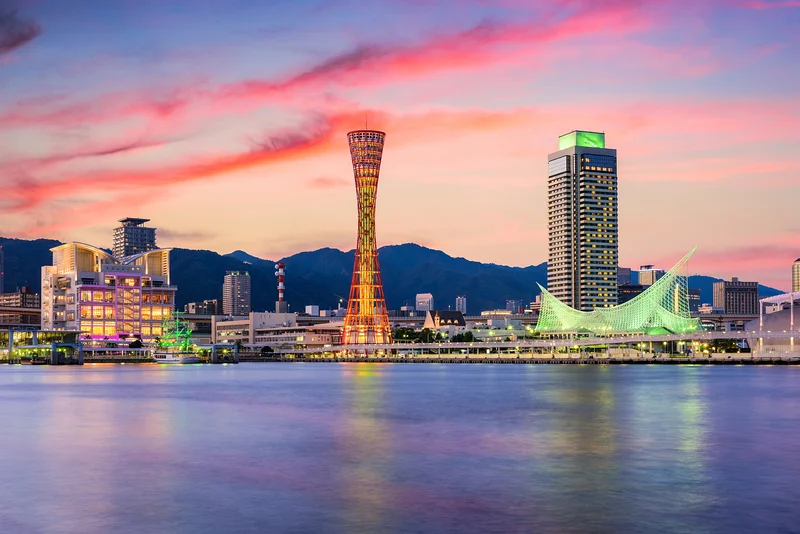
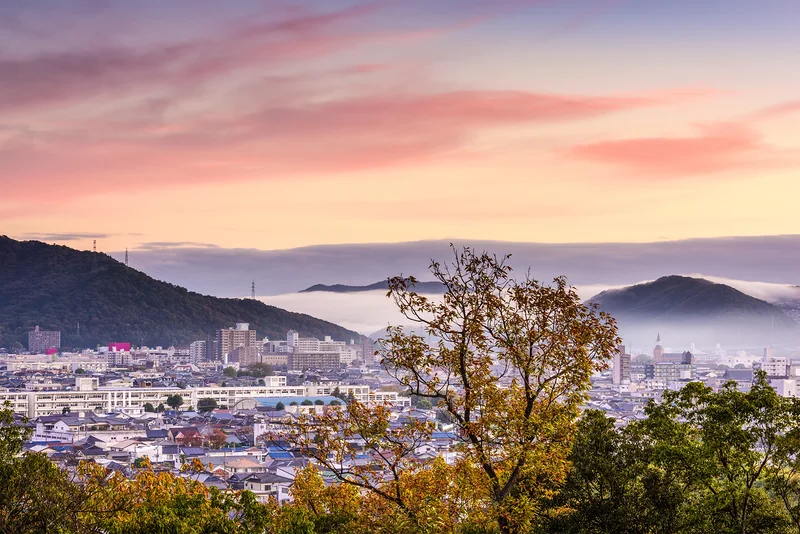
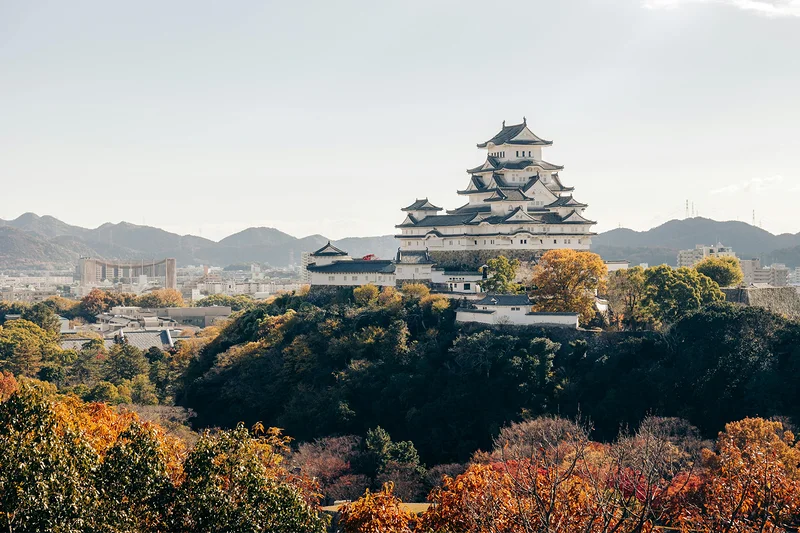
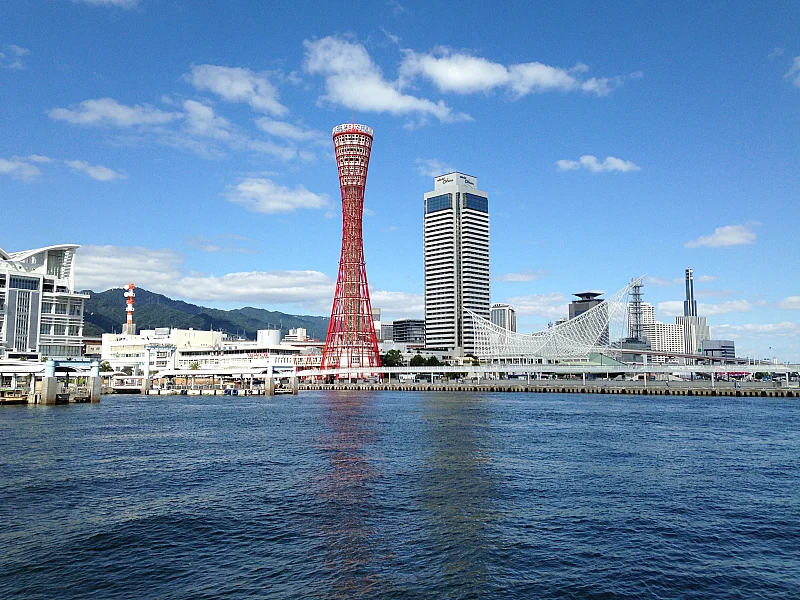
Kobe is wedged between Mount Rokko and the sea on a two-and-a-half-mile strip, and it shows: the port, the Nankinmachi Chinatown, and the cable car that climbs above the city. It is also where you eat the beef, cut in front of you. Forty minutes further west, Himeji Castle is the only great Japanese keep never burned and never bombed: it is the original, and it is on the Unesco list. Be warned: both are done as day trips from Osaka, sleeping here only makes sense for the dinner.
The meat is cooked right on the griddle in front of you, and honestly I had never tasted meat so tender.
What to see and do in this area
Where to stay in this area
Kobe Meriken Park Oriental Hotel Luxury
On the Meriken Park pier, with the sea on three sides and a balcony in every room. The view over the lit-up port is the argument.
Hotel Nikko Himeji Mid-range
In front of Himeji station, at the end of the avenue that leads to the castle. You can see the keep from the sidewalk, and reach it in a fifteen-minute walk.
Pros
- The original Himeji castle, forty minutes from Osaka
- A port and a Chinatown, a change from other Japanese cities
Cons
- One of our reviews warns: Kobe beef costs over a hundred euros
- Both towns can be seen in a day from Osaka
The Sea of Japan coast The north, two hours from Kyoto
for the one area where you sleep because there is no other way
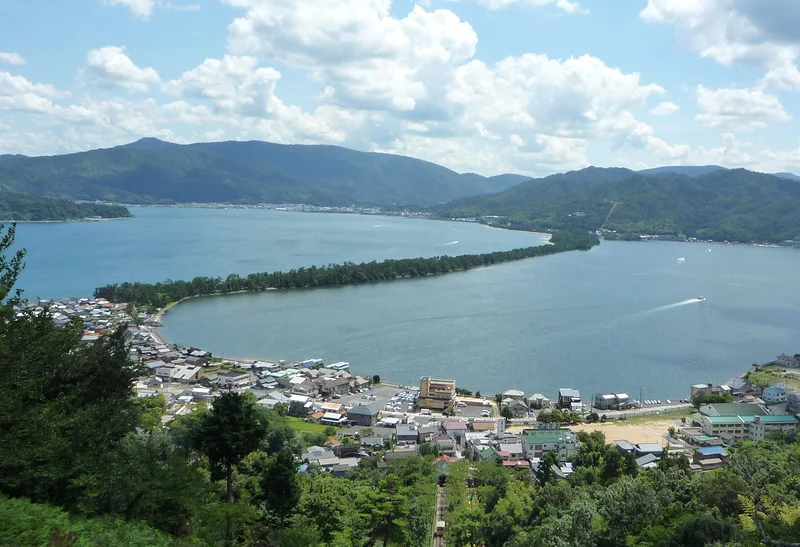
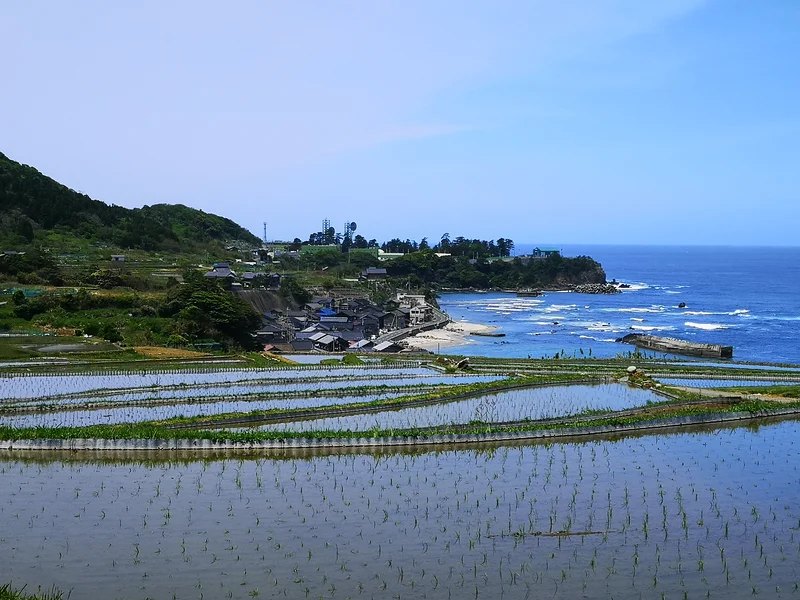
Two hours by train north of Kyoto, and Kansai changes worlds: Amanohashidate is a two-mile sandbar planted with pines, ranked since the 17th century among the three finest views in Japan, and traditionally looked at bent double, head upside down. Further west, Kyotango lines up terraced rice fields and fishermen's houses on stilts. This is the only area in the guide that forces you to sleep on site, and our review warns: no restaurant and no grocery store in the hamlets.
Staying with a local, in a very rustic, totally traditional fisherman's house on stilts, with no tourists at all but lots of monkeys everywhere, a magical experience in the heart of Japan.
What to see and do in this area
Where to stay in this area
Genmyoan Luxury
Seventeen rooms on Mount Genmyo, fourteen of them facing the Amanohashidate sandbar. Sukiya architecture, communal baths, and the ranked view from the window.
Monjusou Luxury
Five minutes from Amanohashidate station, with baths and a view over Miyazu bay. For some guests the kaiseki dinner is the reason for the stay.
Pros
- One of Japan's three ranked views, and almost nobody
- Snow crab and seafood, from November to March
Cons
- Two hours by train from Kyoto, and nothing along the way
- Our review is blunt: no restaurants, no grocery stores
Our tips for booking the right place
- You change trains, not hotels: This is the Kansai rule, and six of our reviews state it separately: Nara, Himeji, Kobe, Ōtsu, Minoh and Miyazu are all described as "easily reachable by train" from Kyoto or Osaka. So a week is done with two bases, and every day is a round trip. The one exception is the northern coast, two hours away.
- In Kyoto the neighborhood matters more than the city: Sleeping in Gion costs a third more than at the station, and that third buys one specific thing: being in the lanes before seven, when they are empty. Sleeping in front of the station buys the exact opposite: the Shinkansen under the elevator and the whole region within reach. Both make sense, but not for the same trip.
- April and November cost double, and book six months ahead: The cherry trees bloom roughly from March 25 to April 10, the maples turn from mid-November to early December, and each of those windows lasts two weeks. For the same accommodation, a night goes from single to double, and the ryokan of Kyoto sell out six months in advance. May, June and October are the sensible months.
- Getting up early is the only answer to the crowds: Three of our reviews say it for Kyoto and for Nara: the temples open at six or seven, the coaches arrive at nine. "The best thing is to be an early riser in this city", writes one of our members. The same reasoning holds in Nara Park, where the crowd starts feeding the deer biscuits at ten and where the forest stays silent all day.
- Changing hotels every night to follow your itinerary: Kyoto, Osaka, Nara, Kobe and Himeji are all under an hour from one another, and unpacking five times costs a whole day.
- Sleeping on Dotonbori and expecting quiet: the area lives until morning, and that is its reason for being. Ask for a high floor, or sleep in Umeda.
- Aiming for Amanohashidate as a day trip from Kyoto: two hours by train out, two back, and only a few express trains a day. That area wants two nights.
- Counting on restaurants in the hamlets of Kyotango: our review is blunt, there is no restaurant and no grocery store, and half board at your lodging is not optional.
FAQ: where to stay in Kansai
Where should you stay in Kansai on a first visit?
Kyoto or Osaka to sleep in?
Should you sleep in Nara?
Where can you stay cheaply in Kansai?
Do you need a Japan Rail Pass for Kansai?
What is the best time to stay in Kansai?
Our city guides in Kansai
 Keep exploring
Things to do in Kansai
Keep exploring
Things to do in Kansai
Comments (0)
No comments yet. Be the first!