
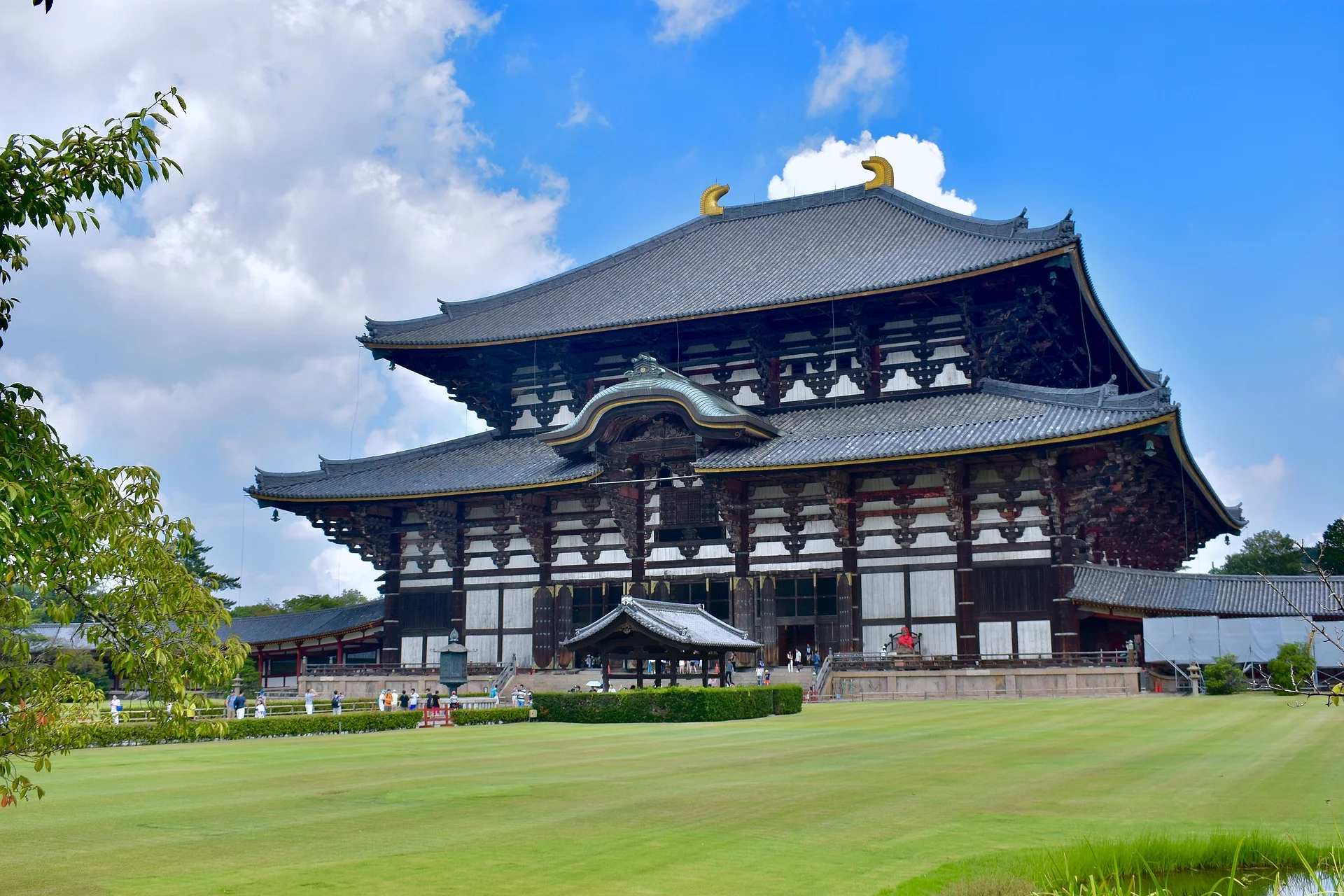
Where to stay in Nara: the 4 neighborhoods to know in 2026
Almost everyone sees Nara between ten in the morning and five in the afternoon. Trains from Kyoto and Osaka drop visitors off late in the morning, and the town empties before dinner. Sleeping here buys you the hours on either side.
Nara Park has no gate and no ticket, so you can walk in at dawn, and Todai-ji opens at 7.30am from April to October. Four areas are covered below, from the park to the western temples. Nara stays cheaper than its neighbours: hostels stay below $34* a night, a good room lands between $79 and $135*, and a ryokan with bath and kaiseki dinner climbs well above that.
Certainly very touristy, but the park is open around the clock, so do not hesitate to go early in the morning.
Compare hotel prices in Nara
In a hurry? Find the best accommodation deals in 3 clicks.
Compare live deals from Booking, Expedia, Agoda and other partners.
At a glance: our picks by traveller type
Pick the profile that suits you to head straight to the recommended neighborhood.
The neighborhood map in Nara
Get your bearings on the neighborhoods and must-see sights before choosing where to drop your bags. Click a name to jump to its description.
The park and the great temples East, at the foot of the hills
for reaching Todai-ji before the coaches
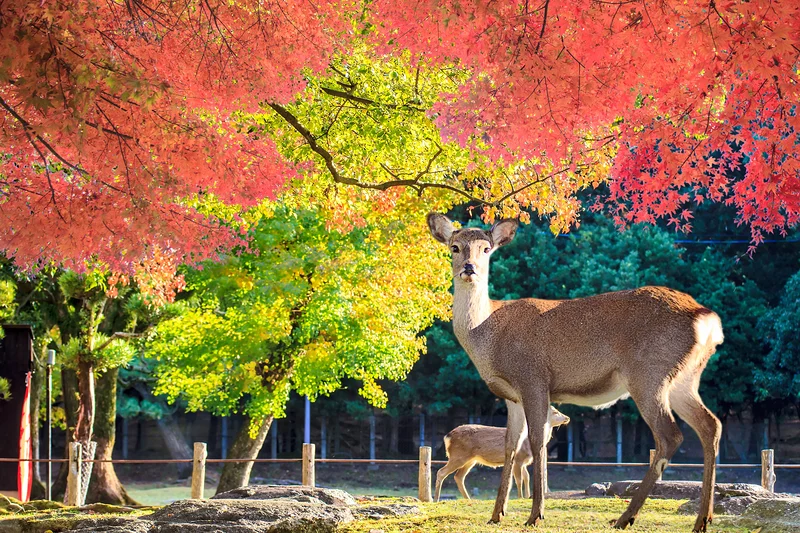
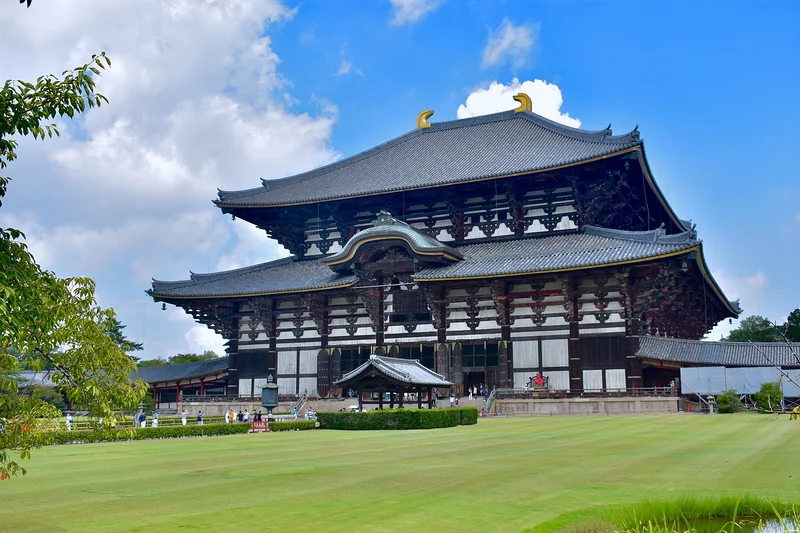
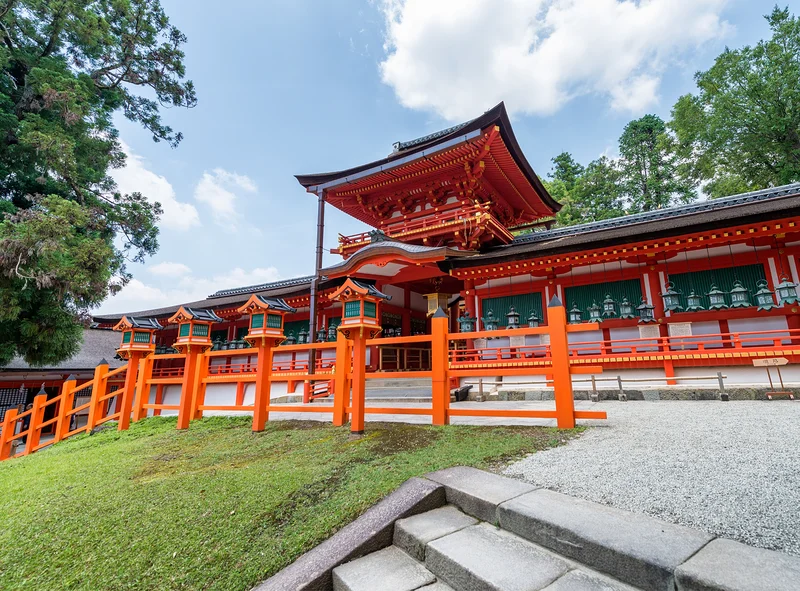
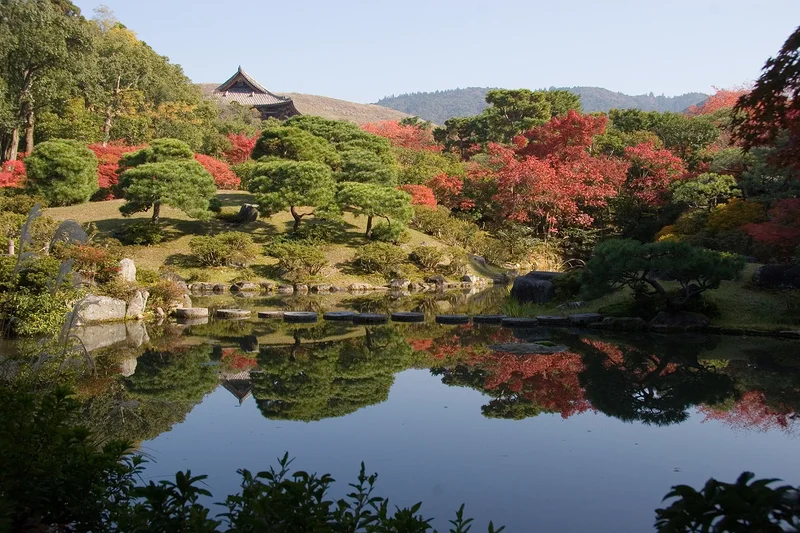
Nara Park fills the whole eastern side of town: over a thousand free-roaming deer, Todai-ji and its fifteen-metre bronze Buddha, the lanterns of Kasuga-taisha at the end of a cedar avenue, the pagoda of Kofuku-ji and the Isuien garden. Sleeping here means being there before the coaches, and one member confirms it: « It is not too crowded at the start of the day, so take advantage of it! ». The downside comes in two parts: hotels are scarce and expensive, and the cheap beds are all elsewhere.
What to see & do in the neighborhood
Where to stay in this neighborhood
Nara Hotel Luxury
The grand hotel of 1909, on a hill between the park and Naramachi, where Japanese timberwork and Western furniture have lived together from the start. Deer walk past the windows.
Fufu Nara Luxury
A contemporary ryokan in Takabatake, on the south-eastern edge of the park, with a private hot-water bath in every room and a kaiseki dinner. The most expensive night in this guide.
Kasuga Hotel Mid-range
At the entrance to the park, facing Kofuku-ji: tatami rooms, communal baths and regional cooking. The sensible compromise for being on the spot at first light.
Pros
- Todai-ji and Kasuga-taisha on foot from opening time
- Deer under the windows on waking
Cons
- Few hotels, and none of them truly cheap
- The deer rummage through any open bag
Naramachi and the old town South of Kofuku-ji
for machiya lanes and quiet evenings
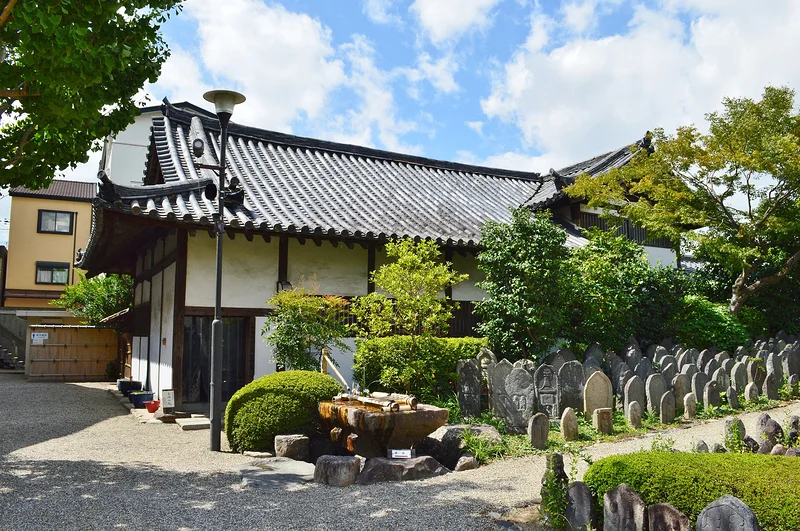
The old merchant quarter lines up its machiya, low wooden houses with latticed fronts, now cafés, workshops and sake shops. Gango-ji hides among them, one of Japan's oldest temples, which a member sums up like this: « A simple and clean temple. Maybe not the most beautiful in Nara. » That is the spirit of the area, and Sarusawa pond puts the park five minutes away. The downside: almost everything shuts after dinner, cafés included.
What to see & do in the neighborhood
Where to stay in this neighborhood
Kazeno Naramachi Luxury
Just eight rooms, inside the former residence of the Nara Toyosawa sake brewer, right in the middle of the lanes. The best way to sleep inside the setting rather than next to it.
Asukasou Mid-range
A ryokan facing Sarusawa pond, between Kintetsu station and the first lanes. Communal baths, tatami rooms, and deer coming down to drink at daybreak.
Guesthouse Nara Backpackers Budget
A former tea master's house turned hostel, with a garden and a tatami room. Rare at this price, and ten minutes' walk from the park.
Pros
- Machiya lanes, cafés and craftspeople
- The park and the pond five minutes away
Cons
- No major monument on the spot
- Everything closes early in the evening
Between the two stations The shopping centre, west of the park
for small budgets and trains
Nara has two stations and the difference matters: Kintetsu Nara leaves the park five minutes away on foot, while the JR station sits a good quarter of an hour further west. One member describes the park as « Accessible in 5 minutes on foot from the station, and therefore the city center »: true of the first, not of the second. Between them, the covered arcades of Higashimuki and Mochiidono gather the restaurants, the late-opening konbini and the cheapest business hotels. The downside: nothing picturesque, you stay here for the price and the trains.
Where to stay in this neighborhood
JW Marriott Hotel Nara Luxury
Great international comfort about ten minutes from the JR station: spa, pool and wide rooms. The base for anyone ranging across the whole Kansai.
Hotel Nikko Nara Mid-range
Linked straight to the JR station by a walkway, with communal baths upstairs. You step out of the lift and onto the platform, which counts if you are stringing together Kyoto and Osaka.
Super Hotel Premier JR Nara Station Budget
A reliable chain sitting on top of the JR station, with natural hot-spring baths and breakfast included. Tiny rooms, unbeatable rate.
Guesthouse Nara Komachi Budget
A small guesthouse in Sanjocho, halfway between the two stations. Dorms and simple rooms, shared kitchen, and the park at the end of the shopping street.
Pros
- Direct trains to Kyoto and Osaka
- Restaurants and shops open late
Cons
- A functional centre with no character
- The park is far from the JR station
Nishinokyo and Ikaruga West, along the Kintetsu line
for the oldest temples, far from everything
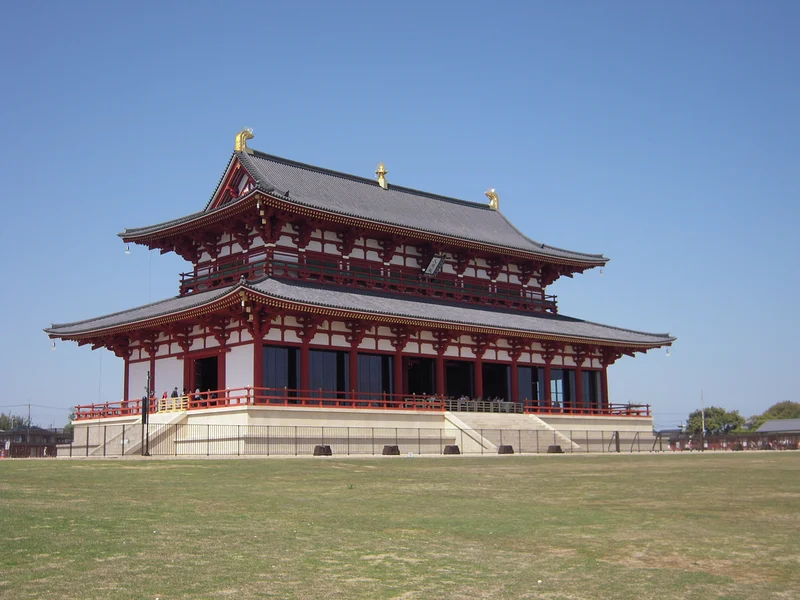
To the west the town thins out and the sites spread apart: the esplanade of the Heijo Palace with its rebuilt gate, the Yakushi-ji and Toshodai-ji temples in Nishinokyo, then Horyu-ji in Ikaruga, home to the oldest wooden buildings in the world. It is the one corner of Nara where you visit without queueing. The downside is plain: almost no hotel on the spot, everything needs a train or a bus, and nothing happens once the temples close.
I think few tourists visit this palace because it is a bit out of the way compared to the city and the park.
What to see & do in the neighborhood
Where to stay in this neighborhood
Nara Royal Hotel Mid-range
A large hotel standing on its own near the Heijo Palace site, with communal baths and shuttles to both stations. Roughly the only sizeable address on this side of town.
Pros
- Horyu-ji and Yakushi-ji without the crowd
- Lower rates than by the park
Cons
- Almost nowhere to stay on the spot
- Train or bus needed for everything
Our tips for booking the right place
- What happens before nine: Nara Park has no opening hours and no ticket: you can walk it at six in the morning as easily as at midnight. Todai-ji opens at 7.30am from April to October, 8am the rest of the year, and the Isuien garden is at its clearest early. The first coaches turn up around ten: that is the window a traveller sleeping here gains.
- The deer are not soft toys: Regarded as messengers of the gods, they roam entirely free and are thoroughly used to people. Shika senbei, the sugar-free biscuits sold in the park, are the only thing you are allowed to give them. They bow to beg, but they also nibble bags, maps and any ticket sticking out of a pocket. Put anything edible away before you go in.
- Two spells when improvising costs you: The cherry blossom from late March to early April and the red maples of November fill the town: on those two windows you have to book months ahead and rates double. The lantern nights at Kasuga-taisha, in early February and mid-August, do the same over a few days. Summer is hot and heavy, winter mild and bright, and the town books up without difficulty then.
- Booking « near Nara station » without checking which one: from the JR station it takes a good twenty minutes on foot to reach the park, against five from Kintetsu Nara. Over three days, you feel the difference.
- Settling for half a day from Kyoto. One member warns that « You have to walk an awful lot before you actually reach the nature part. »: that is accurate, and it is what makes the express round trip frustrating.
- Choosing Nishinokyo or Ikaruga for a first short stay: the temples are magnificent but far apart, everything needs a train or a bus, and there is nothing to do once night falls.
FAQ: where to stay in Nara
Which area for a first time in Nara?
Where to stay in Nara on a budget?
Which area for families?
Which area for a ryokan?
Do you need a car in Nara?
How much does a hotel night cost in Nara?
 Keep exploring
Things to do in Nara
Keep exploring
Things to do in Nara
Comments (0)
No comments yet. Be the first!