
Where to stay in Kyoto: the 4 neighborhoods to know in 2026
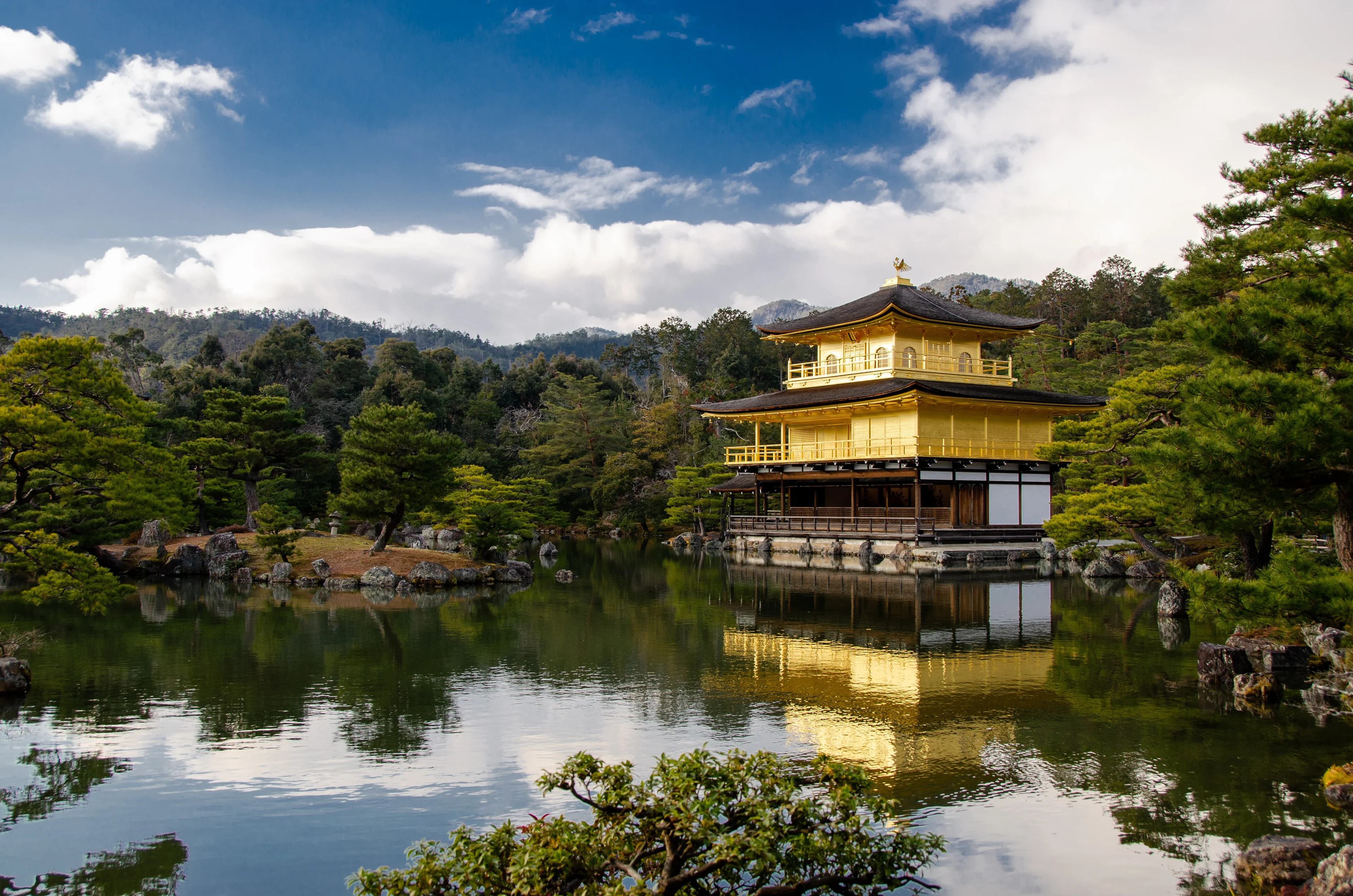
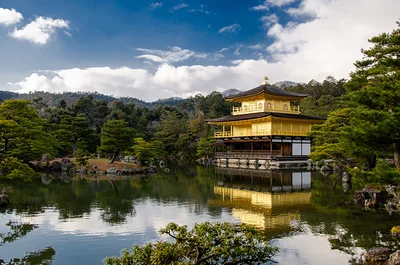
People picture Kyoto as one vast old quarter. It is the opposite: the centre is a modern city on a grid, and the temples form a ring all around it. Kinkaku-ji sits to the north-west, Fushimi Inari to the south, Arashiyama to the west, the lanes of Gion to the east.
No hotel puts all of that within walking distance. Your area therefore sets what you can do on foot; everything else needs a bus or a train. We cover four of them. On budget: from $29* a hostel bed, $103 to $182* a good, well-placed room, well above that for a ryokan.
Compare hotel prices in Kyoto
In a hurry? Find the best accommodation deals in 3 clicks.
Compare live deals from Booking, Expedia, Agoda and other partners.
At a glance: our picks by traveller type
Pick the profile that suits you to head straight to the recommended neighborhood.
The neighborhood map in Kyoto
Get your bearings on the neighborhoods and must-see sights before choosing where to drop your bags. Click a name to jump to its description.
Gion and the eastern hills Higashiyama, east bank
for walking from temple to temple
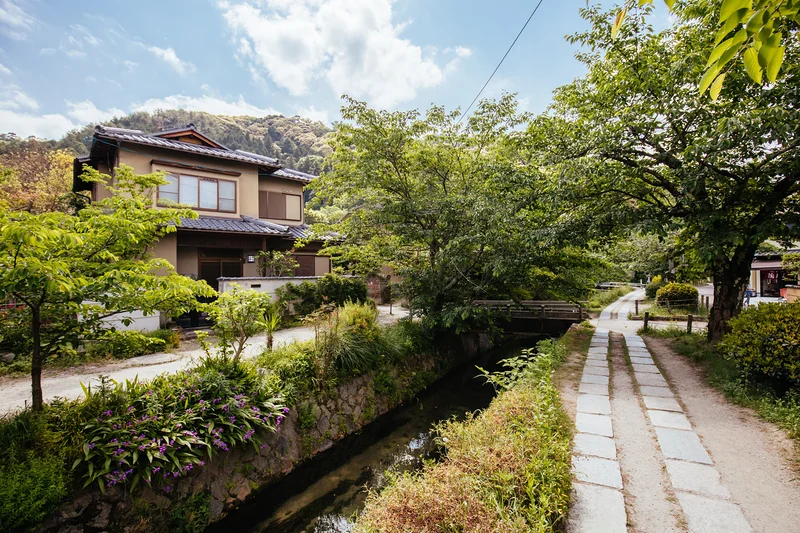
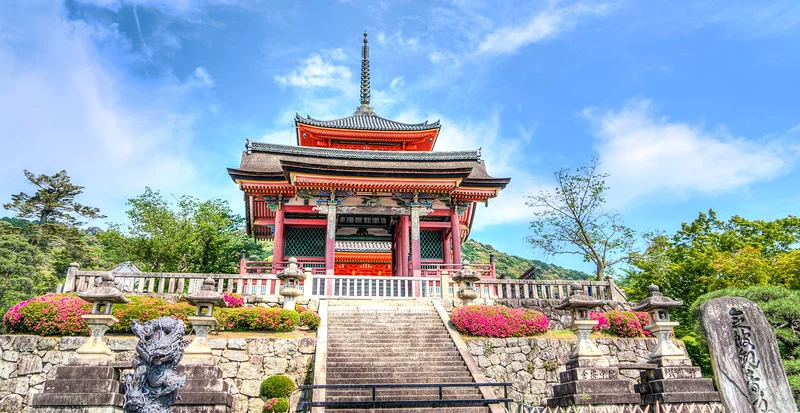
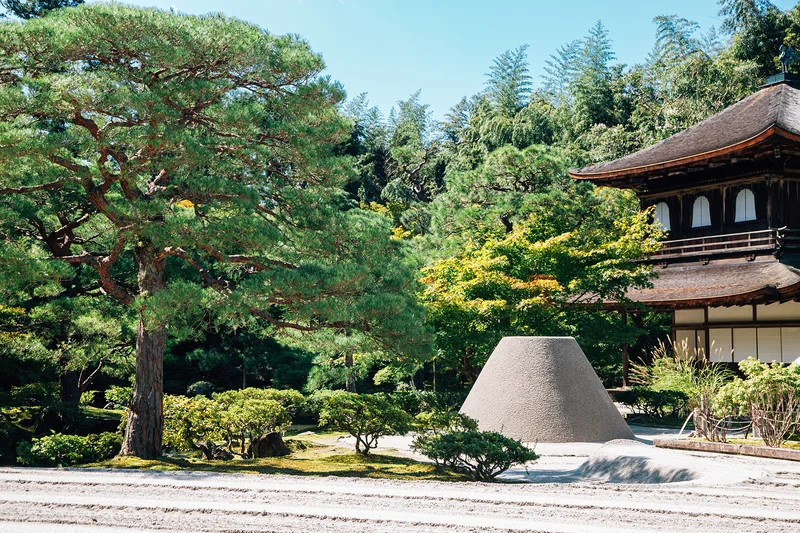
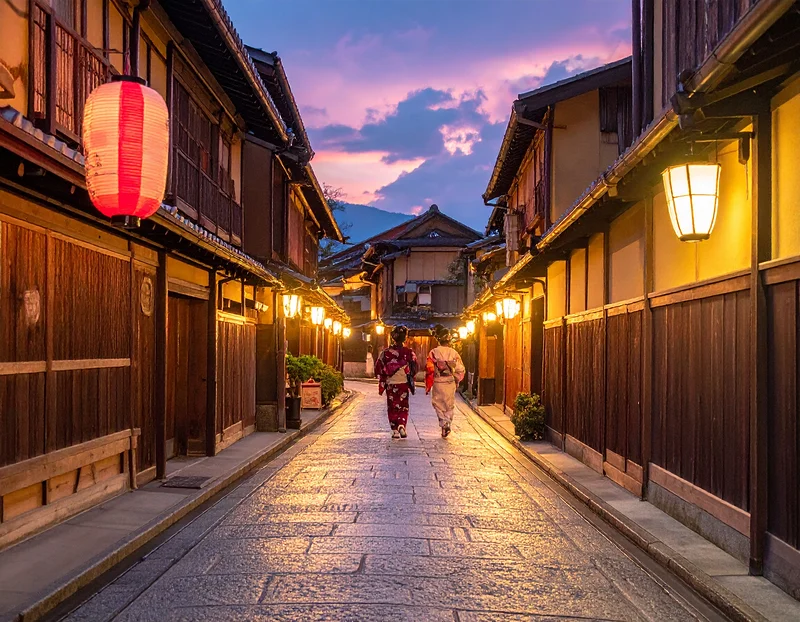
The eastern hills hold everything people come for: the wooden tea houses of Gion, the sloping lanes climbing to Kiyomizu-dera, the Yasaka shrine, then further north the Silver Pavilion and the Philosopher's Path. It is the only area where the temples follow one another on foot. The downside is real: by day Kiyomizu-dera is « Like all the iconic sites in the city, however, it is overrun by tourists. », and so are the shopping streets beside it. Sleeping here changes nothing at midday, but it hands you the area at seven in the morning and after the temples close.
The neighborhood where this temple is located is without a doubt my favorite area in Kyoto. From the bus stop, you walk down a small street full of traditional shops, and the shopkeepers, who are often very elderly, are happy to let you taste little homemade treats.
What to see & do in the neighborhood
Where to stay in this neighborhood
Park Hyatt Kyoto Luxury
High on the Higashiyama slopes, minutes from Kiyomizu-dera, with rooms facing the Yasaka pagoda. The most enviable position in the city.
Hotel The Celestine Kyoto Gion Mid-range
Right in Gion, in a restrained contemporary Japanese register. The tea houses and the first temples are at the end of the street.
The Millennials Kyoto Budget
A capsule hotel between Kawaramachi and Gion, on the edge of the area. The cheapest way to sleep within walking distance of the eastern temples.
Pros
- Temples follow one another on foot
- The area goes quiet again once the temples close
Cons
- Saturated from 10am to 5pm
- The highest prices in the city
Kawaramachi, Pontochō and Nijō Centre, between the two rivers
to be central, with restaurants downstairs
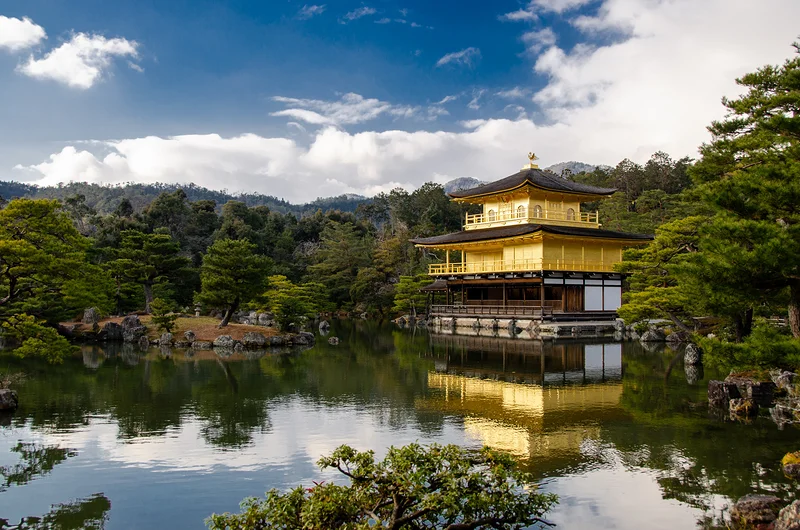
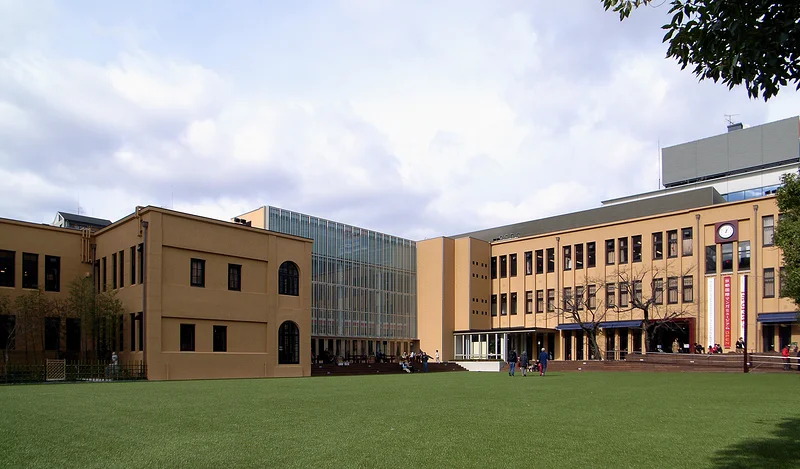
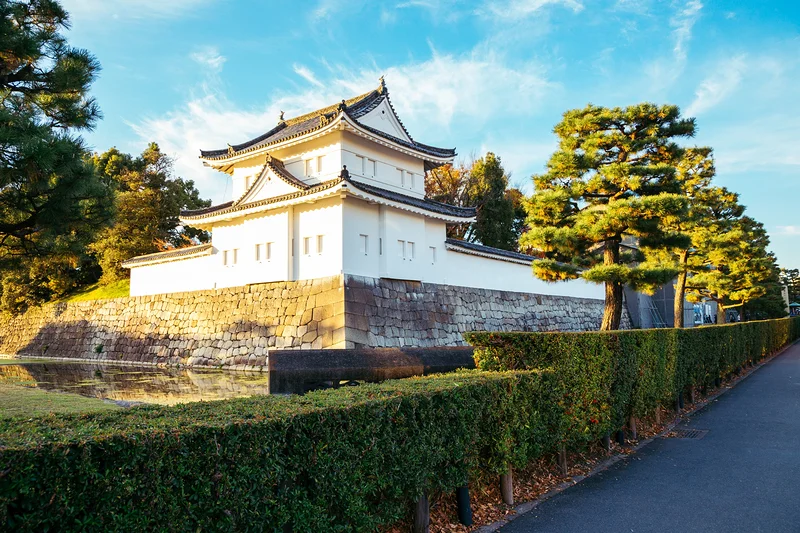
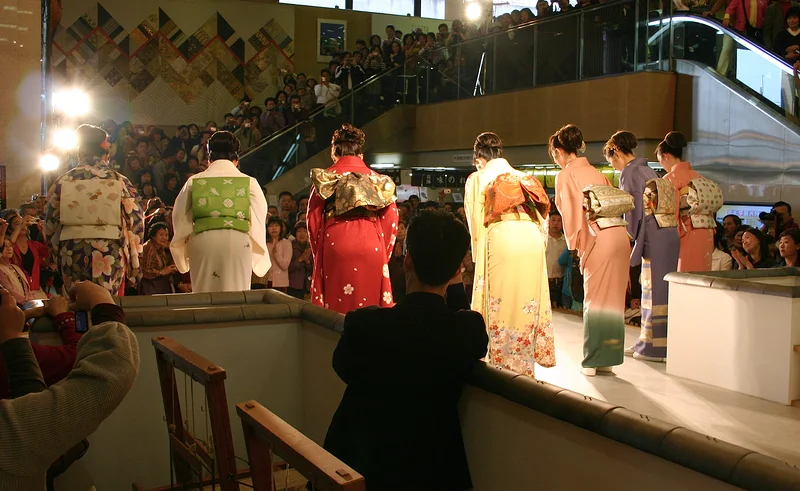
This is the working city: the long shopping artery of Kawaramachi, the covered Nishiki market, and the restaurant lanes of Pontochō along the Kamo river. Nijō castle closes the area to the west, and the Golden Pavilion stays about twenty minutes away by bus to the north-west. You sleep here in the middle of the metro and bus lines, which shortens every journey of the day. The downside: nothing here is old, and weekend nights are noisy on the Pontochō side.
What to see & do in the neighborhood
Where to stay in this neighborhood
HOTEL THE MITSUI KYOTO Luxury
Facing Nijō castle, with a historic garden and a bath fed by a hot spring. The most accomplished address in the centre.
Hotel Okura Kyoto Mid-range
At the Kawaramachi and Oike crossroads, above a metro station. Pontochō and the Nishiki market are ten minutes on foot.
Len Kyoto Kawaramachi Budget
A hostel with a café-bar right in Kawaramachi, dorms and private rooms. The best location in town at this price.
Pros
- Metro, buses and stations at your door
- Restaurants and the covered market down the street
Cons
- No historic character
- Noisy at weekends on the Pontochō side
Kyoto station and the south South of the grid
to arrive, leave and travel out by train
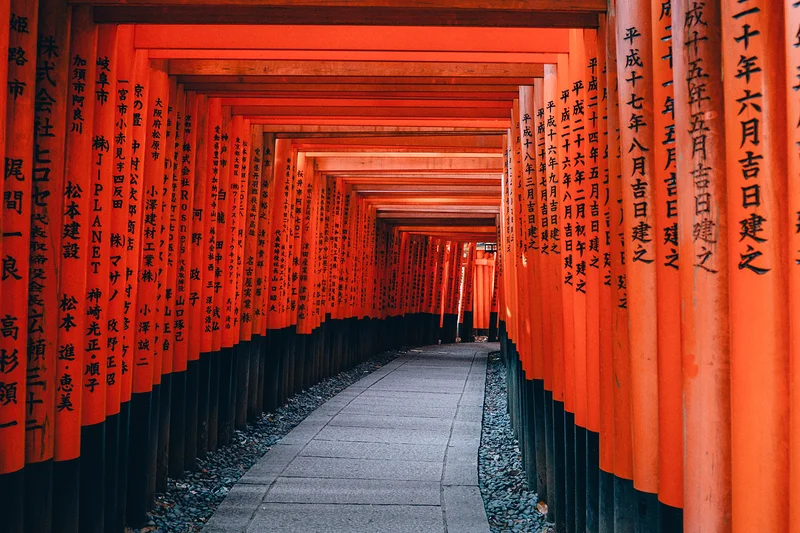
Kyoto station is a vessel of glass and steel set down at the south of the grid, and it is where the Shinkansen arrives, along with the trains from Osaka and Nara. Just behind it begin Fushimi Inari and its thousands of torii, Tōfuku-ji and Tō-ji. One member notes that the shrine « Good to know: the site is not very far from the central Kyoto train station and is open 24 hours a day. »: sleeping here lets you climb it at nightfall, once the tour groups have gone. The downside: the area is functional, and nothing happens here in the evening.
What to see & do in the neighborhood
Where to stay in this neighborhood
Hotel Granvia Kyoto Luxury
Inside the station itself: you step off the Shinkansen and you are at reception. Unbeatable if you are lining up day trips.
Sakura Terrace The Gallery Mid-range Listed on Avygeo This property has its own page on Avygeo: it introduces itself there, collects guest reviews and answers the community's questions. It does not influence our recommendations, which stay editorial.
Hotel
+3 recs 5.0
A few minutes south of the station, with a garden and a shared bath. The best comfort-to-price ratio in the area.
Piece Hostel Kyoto Budget
A bright, well-kept hostel five minutes from the station. The cheapest bed in the city, with the trains a suitcase away.
Pros
- Shinkansen, Nara and Osaka at your door
- Fushimi Inari reachable at night
Cons
- A station district, no charm
- Nothing to do here after dinner
Arashiyama and the west West, at the foot of the mountains
for quiet, the river and a night in a ryokan
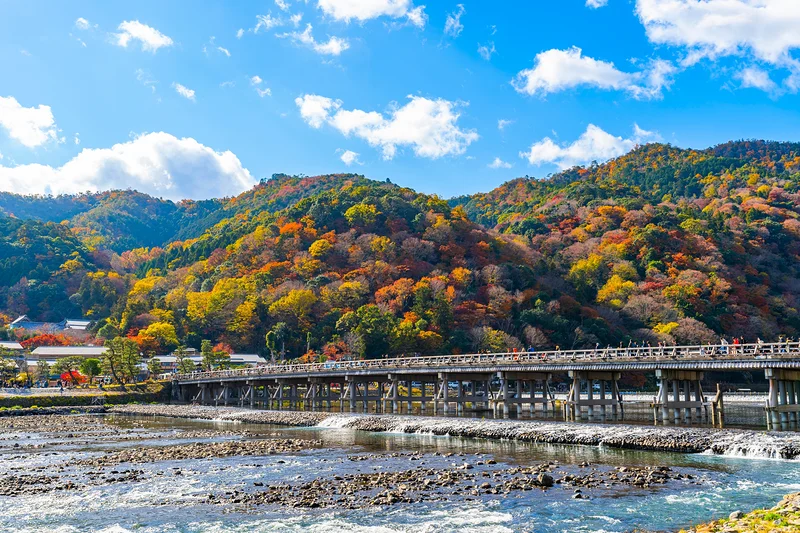
Some twenty minutes by train from the centre, at the foot of the mountains: the bamboo grove, the Togetsukyō bridge over the river, the Zen temple Tenryū-ji and its gardens, the monkey mountain. One member calls it « Superb spot, real nature right in the city. », and that is exactly what you buy by sleeping here. The area empties in late afternoon, when visitors head back to the centre, and that is the real reason to spend the night. The downside: after dinner nothing happens, and every trip back to the centre costs a train ride.
What to see & do in the neighborhood
Where to stay in this neighborhood
Suiran, a Luxury Collection Hotel, Kyoto Luxury
On the bank of the Hozu river, with private hot-spring baths and a garden. The address to book for one memorable night.
Arashiyama Benkei Mid-range
A traditional ryokan on the water, with Japanese baths and a kaiseki dinner served in your room. The rate includes both meals.
Hotel Binario Saga Arashiyama Budget
Near Saga-Arashiyama station, with a shared bath. The most affordable way to sleep in the west without giving up the train.
Pros
- The bamboo grove and the river to yourself in the evening
- The most accessible ryokans in Kyoto
Cons
- 20 to 30 minutes by train from the centre
- Packed from 10am to 4pm
Our tips for booking the right place
- A bicycle erases the distances: Central Kyoto is flat and laid out on a strict grid, which makes it one of the few large Japanese cities where a bicycle beats the bus. The bus network is dense but slow and often full at peak times. Pick up an ICOCA card on arrival for the metro and trains, and rent a bike by the day if you are staying in the centre or the east.
- Cherry blossom and maples double the prices: Two periods change everything: the blossom, from late March to early April, and the red maples, from mid to late November. Rates double and the good addresses go four to five months ahead. Summer is hot and heavy, winter clear and quiet: those are the two windows where rooms are still available at normal prices.
- One night in a ryokan is enough: Tatami, futon, shared bath and a kaiseki dinner served at a fixed hour: the experience is worth having, but the rhythm is demanding and the rate includes two meals you do not choose. One night, in Arashiyama or the eastern hills, then a normal hotel for the rest of the stay.
- Sleeping in Osaka because a listing says « close to Kyoto ». The trip takes 45 minutes to an hour door to door, twice a day, and you lose the very thing that justifies staying here: the temples at first light and the walk home in the evening.
- Taking an address far from a metro station or a bus stop. The city is spread out and its sites sit in all four corners; between two hotels at the same price, the one five minutes from a line will give you back an hour a day.
- Booking Arashiyama for a two-night stay. The area is superb, but it imposes 20 to 30 minutes of train each way as soon as you want to see anything else. It makes sense from four nights, or for a single ryokan night in the middle of a stay spent elsewhere.
FAQ: where to stay in Kyoto
Which area should I choose for a first visit to Kyoto?
Where can I stay cheaply in Kyoto?
Which area suits families?
Should I sleep in a ryokan?
Do I need a car in Kyoto?
How much does a hotel night cost in Kyoto?
 Keep exploring
Things to do in Kyoto
Keep exploring
Things to do in Kyoto
Comments (0)
No comments yet. Be the first!