
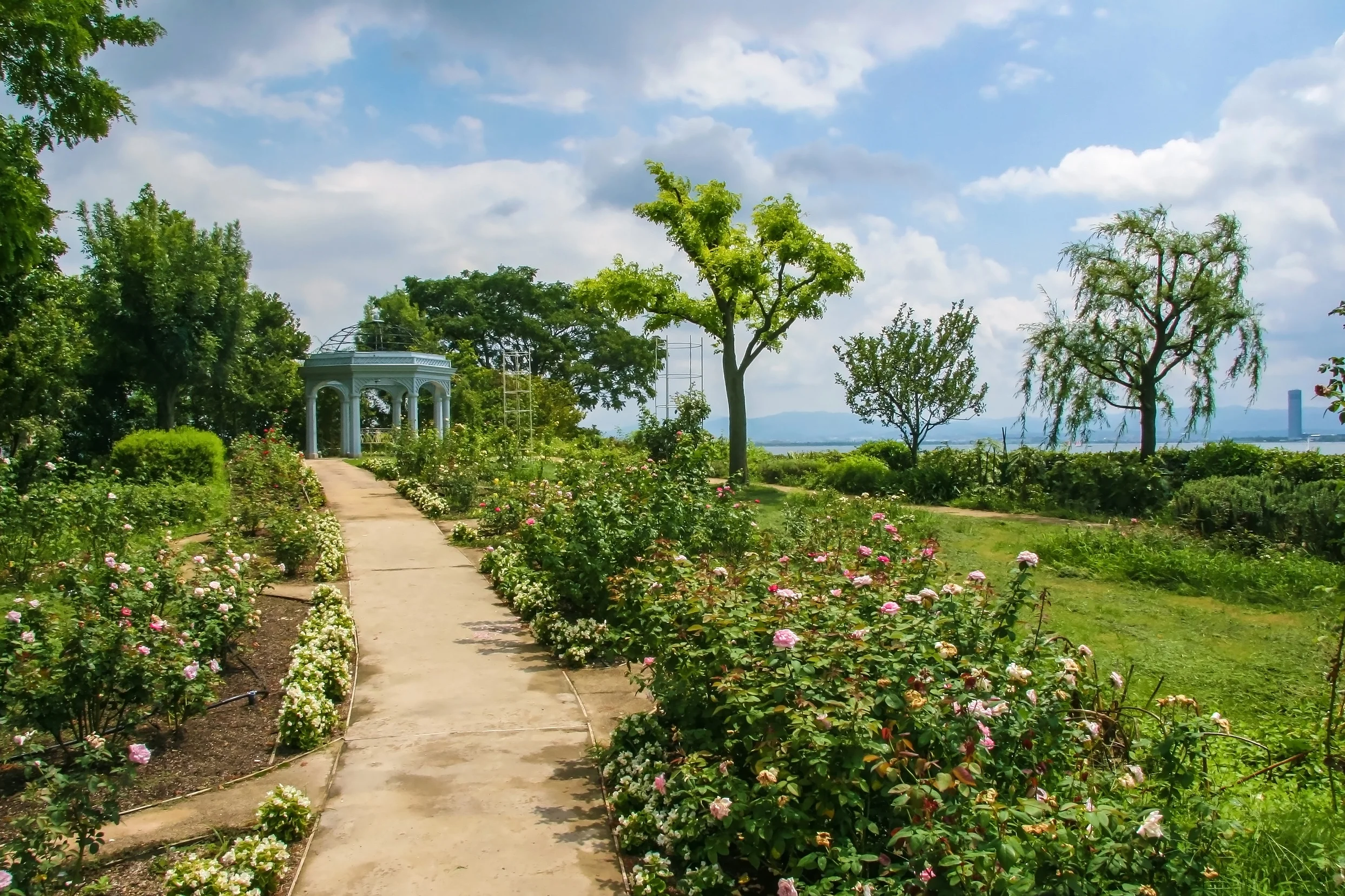
Ōtsu, the forgotten capital beside Japan's largest lake
For five years, between 667 and 672, this city served as the capital of Japan. Then the emperor relocated, and the world largely moved on. Today, Ōtsu exists in the massive shadow of Kyoto, located just a nine-minute train ride away. Lake Biwa, the country's largest body of fresh water at 670 km², stretches out before it like an inland sea. Centuries-old temples dotting the surrounding mountains trained the greatest masters of Japanese Buddhism, yet most travelers pass right through without stopping.
An escape for those avoiding the crowds
If you are looking for the postcard version of Japan with jammed sidewalks and selfie sticks crowding every shrine gate, skip this stop. Ōtsu caters to travelers who prefer quiet observation over sensory overload. Buddhism enthusiasts will find UNESCO-recognized sites here delivered with a tranquility impossible to track down in Kyoto. Fans of classic literature can retrace the steps of Murasaki Shikibu, who wrote the world's first novel inside a temple overlooking the water.
Downtown Ōtsu itself lacks architectural charm, and honest guidebooks admit that 1970s urban planning left its mark. Visitors do not come for concrete blocks. They come for Mount Hiei and its mist-shrouded monasteries, for hot spring baths facing the water, and for the sensation of stepping off the typical tourist track while remaining within arm's reach of Kyoto.
An accessible budget compared to Kyoto
Prices remain reasonable. Expect $17 to $29* per day for sightseeing, or $127 to $260* for a hot spring inn in Ogoto. A lunch at a local spot costs between 1,000 and 2,000 yen, while the train fare from Kyoto runs 200 yen.
Mount Hiei: The cradle of Japanese Buddhism
The Enryaku-ji temple has dominated the region since 788. Founded by the monk Saicho, it became the headquarters of the Tendai sect and trained generations of religious figures who later established their own schools. Japanese Zen, Pure Land Buddhism, and the Nichiren sect all trace their roots here. At its peak, the complex encompassed 3,000 buildings and an army of warrior-monks so powerful that the warlord Oda Nobunaga ordered it razed in 1571.
The current structures, rebuilt by Toyotomi Hideyoshi, spread across 1,700 hectares divided into three zones: To-do, Sai-to, and Yokawa. The Konpon Chu-do hall houses an eternal flame that has burned continuously for 1,200 years, tended daily. The view of Lake Biwa from the complex terraces alone makes the trip worthwhile, and admission costs 1,000 yen for all three zones.
Friendly tip: Ride the Sakamoto Cable, Japan's longest funicular, up from the Sakamoto neighborhood at the mountain base. The 11-minute ride delivers sweeping views, particularly during peak foliage season in autumn.
Ishiyama-dera: Where the world's first novel was born
In August 1004, court lady Murasaki Shikibu retreated to this temple for seven days. One moonlit night, gazing out over the water, she mapped out the plot for The Tale of Genji. This work, widely regarded as the first novel in human history, details Heian-era aristocratic life with psychological nuance that still captivates readers.
The temple grounds rest on a striking geological formation of wollastonite, a white stone designated as a natural monument. The main hall and two-story pagoda are national treasures, and a recreation of the Genji chamber shows Murasaki Shikibu at her desk. Exhibitions dedicated to the novel run during spring and autumn at the Hojoden museum.
The site is part of the Kansai 33 Kannon pilgrimage. The printmaker Hiroshige immortalized the autumn moon view from Ishiyama-dera in his Eight Views of Omi series.
Lake Biwa: Activities and panoramas
Lake Biwa has existed for four million years, and its unique ecosystem includes endemic species found nowhere else, notably the nigorobuna, a crucian carp used to make funazushi. Boat cruises depart from the Ōtsu port aboard the Michigan, an American-style paddle steamer, twin of a boat in Lansing, Ōtsu's sister city in the US.
For an aerial vantage point, Biwako Valley is the primary spot. Japan's fastest aerial tramway lifts passengers to an altitude of 1,100 metres in five minutes. The Biwako Terrace observation deck provides 360-degree views of the lake and surrounding peaks. On a clear day, the skyscrapers of Osaka are visible to the west. In winter, nine ski runs draw day-trippers from Kyoto.
Friendly tip: The ropeway costs around 3,500 yen for a round trip. Pack a jacket, as the summit temperature runs 5 to 7 degrees cooler than the base.
Ogoto Onsen: Hot springs facing the lake
Located twenty minutes from Kyoto by train, Ogoto Onsen offers something its famous neighbor cannot: thermal baths with direct views of Lake Biwa. The resort area features nine traditional inns, some offering private balcony hot spring tubs. The mineral waters, discovered 1,200 years ago by the monk Saicho, are valued for their softening effect on the skin.
Local properties offer packages that include a multi-course kaiseki dinner prepared with regional ingredients. The Yumotokan and Biwako Ryokusuitei rank among the most sought-after addresses. Expect to pay between 20,000 and 40,000 yen per person for an overnight stay with meals included.
Where to eat and drink in Ōtsu
The local specialty divides opinion: funazushi. This fermented sushi, considered the ancestor of modern sushi, cures for up to three years packed in rice and salt. The pungent aroma deters first-timers, but culinary purists revere it as a delicacy. The Koshu restaurant near Ishiyama-dera offers an introductory tasting complete with English explanations.
Omi beef represents the region's other culinary pride. This wagyu ranks among the top three beef brands in Japan, offering exceptional marbling that melts instantly on the tongue. Matsukiya, established in 1870, remains the standard-bearer, utilizing a low-temperature aging process to concentrate the flavors. Meals run between 5,000 and 15,000 yen.
Freshwater fish from the lake also deserve attention, with ayu sweetfish, Biwa salmon, and local trout appearing on traditional menus. Shiga prefecture sake, brewed using pure mountain snowmelt, pairs naturally with these dishes.
Where to stay in and around Ōtsu
Your choice depends on priorities. For a traditional inn experience with hot spring access, Ogoto Onsen is the clear choice, with properties providing free shuttles from JR Ogoto Onsen station. Rates range from 15,000 yen for basic plans to over 50,000 yen for suites featuring private tubs.
For a tighter budget or practical transit access, business hotels clustered around JR Ōtsu Station work efficiently. The Lake Biwa Otsu Prince Hotel blends modern amenities with sweeping lake views. Some travelers choose to base themselves in Kyoto and visit Ōtsu as a quick day trip since the ride takes under ten minutes.
How to get to and around Ōtsu
From Kyoto, the JR Tokaido Line connects the two stations in 9 minutes for 200 yen, and the route is fully covered by the Japan Rail Pass. The JR Kosei Line serves the western shore of the lake, stopping at Ogoto Onsen and Shiga stations for Biwako Valley.
From Osaka, transit takes about 50 minutes via Kyoto. From Kansai International Airport, the Haruka limited express reaches Kyoto in 75 minutes, and Ōtsu is nine minutes further on. Travelers coming from Tokyo take the Shinkansen bullet train to Kyoto and transfer to the local line.
Locally, the Keihan railway network connects temples and lakeside spots. Walking remains the best approach within specific districts, while the Hieizan Drive bus or the Sakamoto Cable funicular are the main options for reaching Mount Hiei. Bicycle rentals are available for riding along the waterfront paths.
When to go?
Spring draws heavy domestic crowds for the cherry blossoms lining the Lake Biwa Canal. Autumn, running from mid-November to early December, sets the Mount Hiei maples ablaze in brilliant reds and oranges. Summer brings hot and humid weather, but opens up swimming and watersports on the lake.
Winter turns Biwako Valley into a ski resort, offering the unusual combination of carving turns on snow while looking down at a massive lake. The Ogoto hot springs hit the spot after a cold day on the slopes.
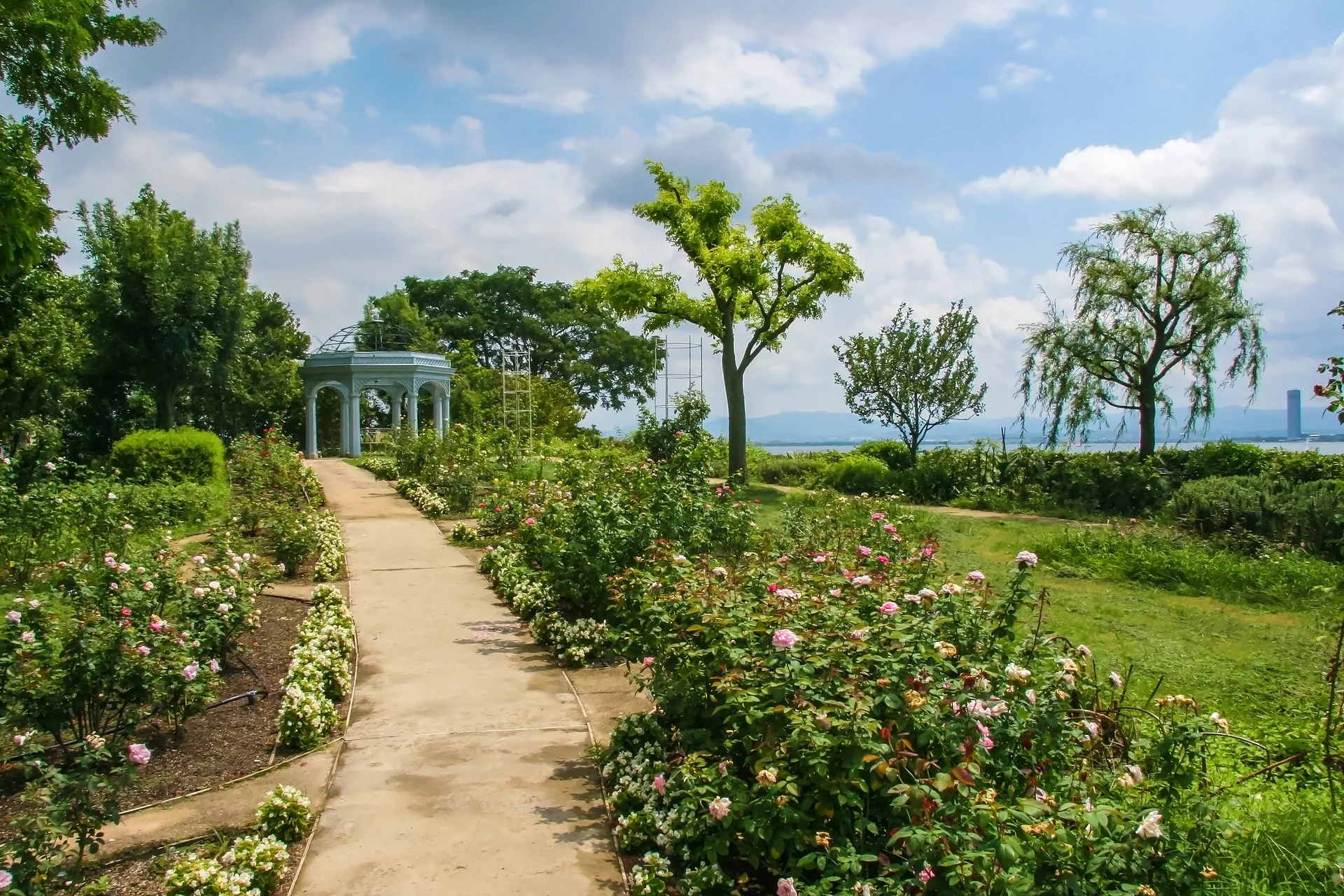
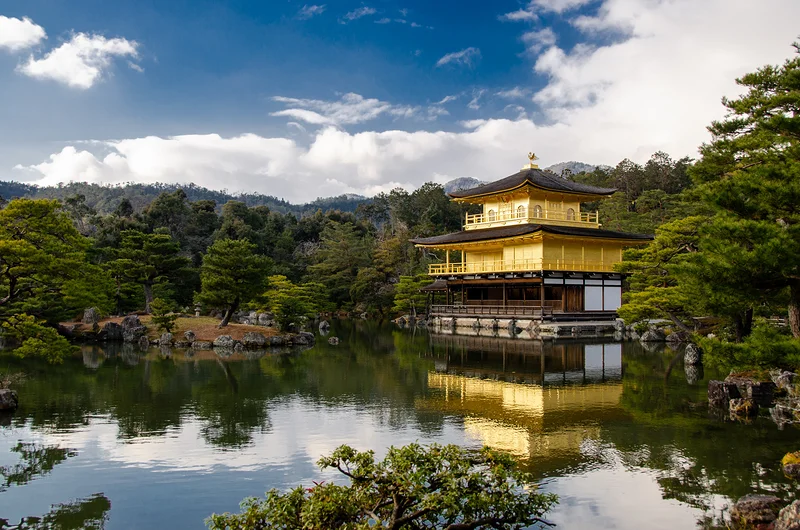
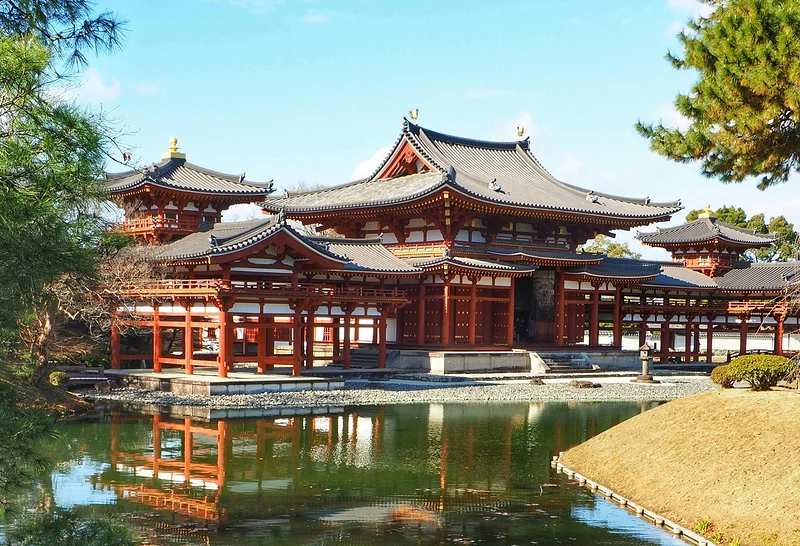
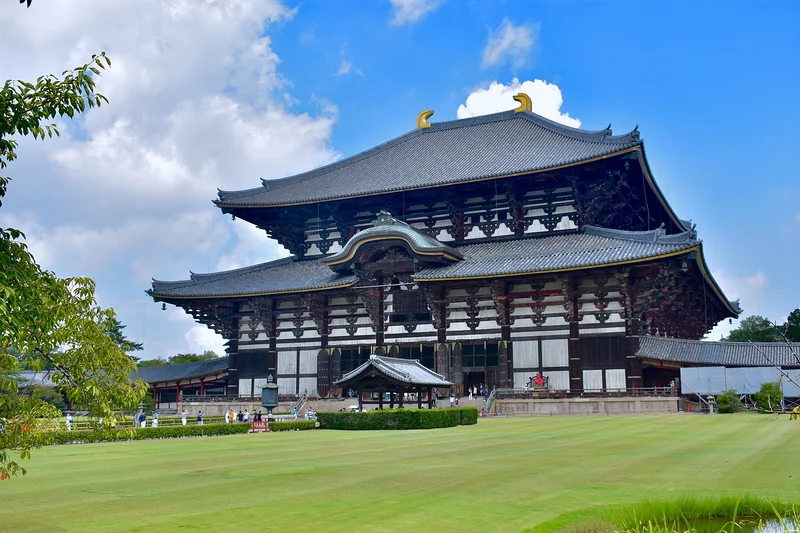
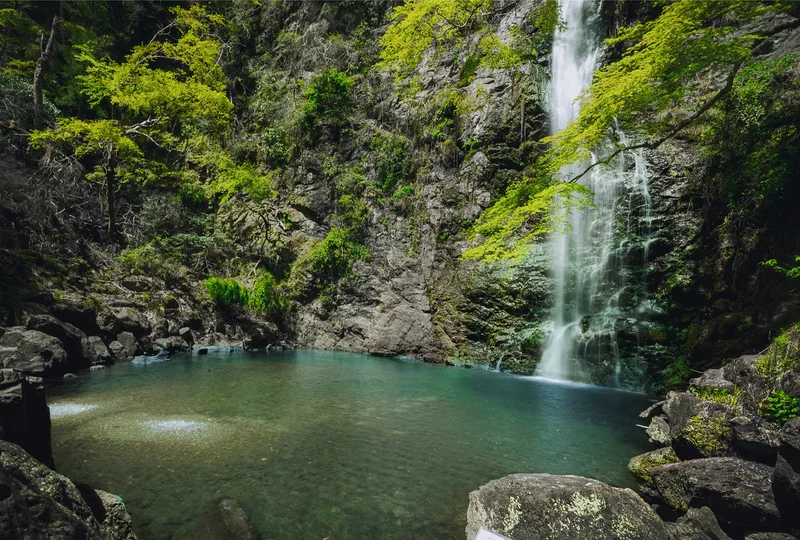
Easily accessible from Kyoto, this pretty city offers a little more peace and quiet. The first thing to do is enjoy Lake Biwa, a place that truly lives up to its poetic reputation. The city center is not very lively, which is a shame. On the other hand, the temples are very beautiful. I have a soft spot for Gichu-Ji, with its green garden and the graves of legendary samurai (including the famous Tomoe Gozen, who is my profile picture).