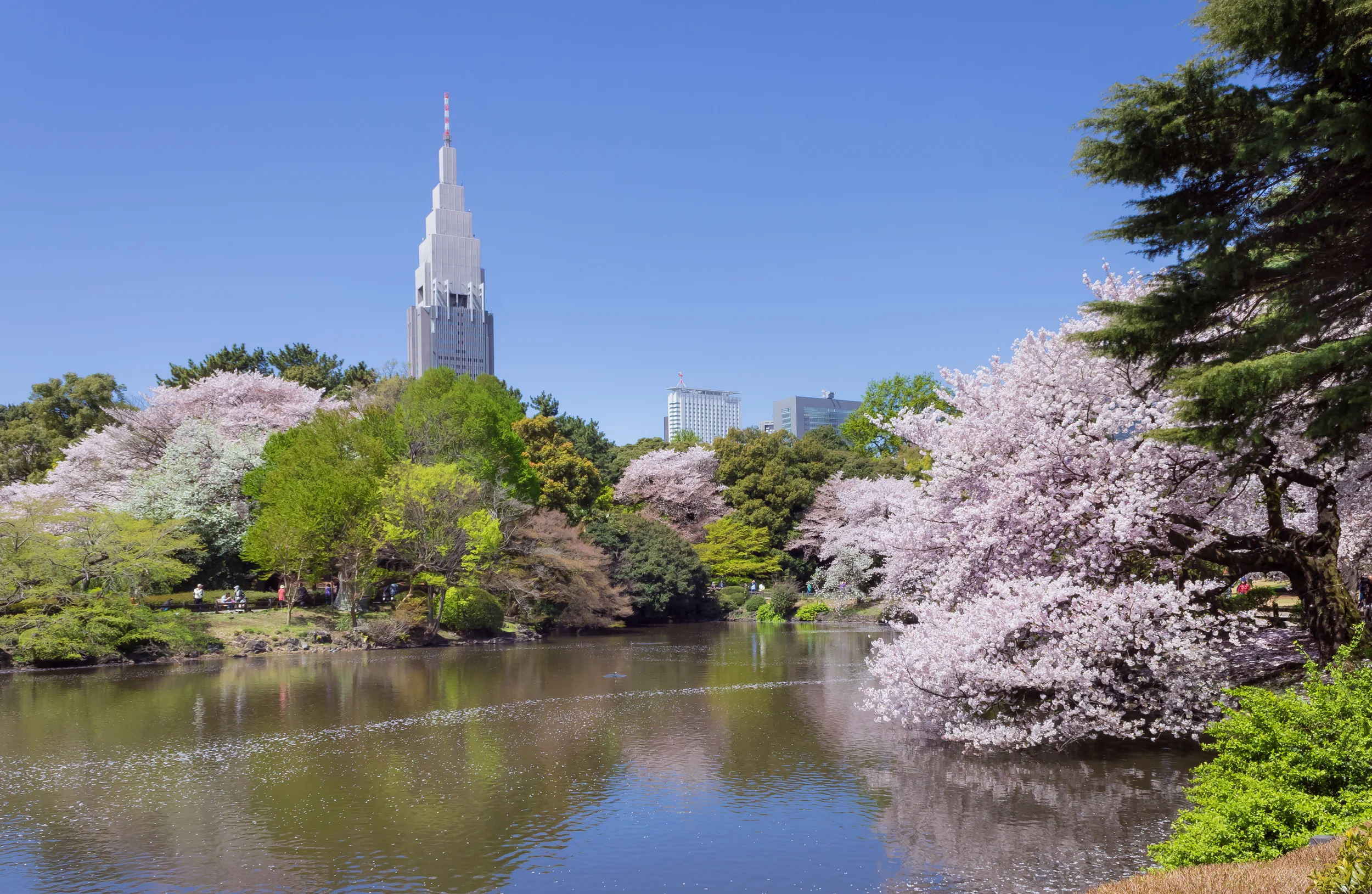
Parc Shinjuku Gyoen à Tokyo

What to do in Kanto: top 19 highlights in 2026

Thirty-seven million people on one side, thousand-year-old cedars and hot springs two hours away by train on the other. The rankings below come from travellers like you.

Our members' favourite places in Kanto

Ranked on recommendations from travellers who went there

#1 Tokyo +356 recs

Tokyo is a city that keeps your senses on high alert. From quiet wooden shrines tucked behind neon-lit avenues to noodle bars that seat six, everyday life here shifts pace constantly. It demands attention and rewards curiosity, pairing non-stop city energy with moments of total calm around a temple corner.

#2 Kamakura +83 recs

Just an hour from Tokyo, Kamakura packs centuries-old Zen temples, bamboo forests, and Pacific beaches into the compact footprint of Japan's former medieval capital. The massive bronze Great Buddha has watched over the town for seven centuries, while the retro Enoden train line hugs the coast, running so close to homes it feels like a neighbor's commute. Between bowls of fresh shirasu (whitebait) and minimalist cafes tucked into traditional wooden houses, this former samurai stronghold balances history and modern life with ease.

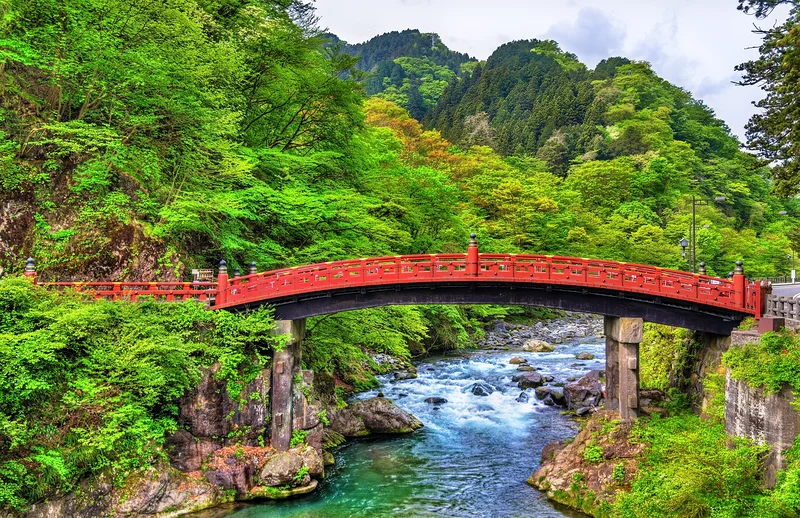
#3 Nikko +49 recs

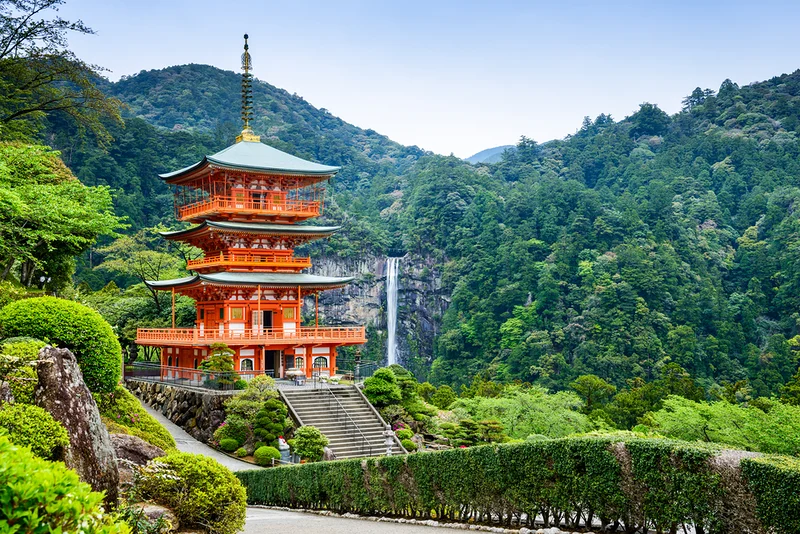
Nikko balances ornate history with high-altitude nature. You can spend your morning at the gold-leaf Toshogu shrine and your afternoon at Lake Chuzenji or the 97-meter Kegon Falls. After hiking in the surrounding national park, head to the sulfur springs of Yumoto Onsen to soak for around 1,000 JPY. It is an easy two-hour train ride from Tokyo, making it a practical day trip or overnight escape.

#4 Hakone +49 recs

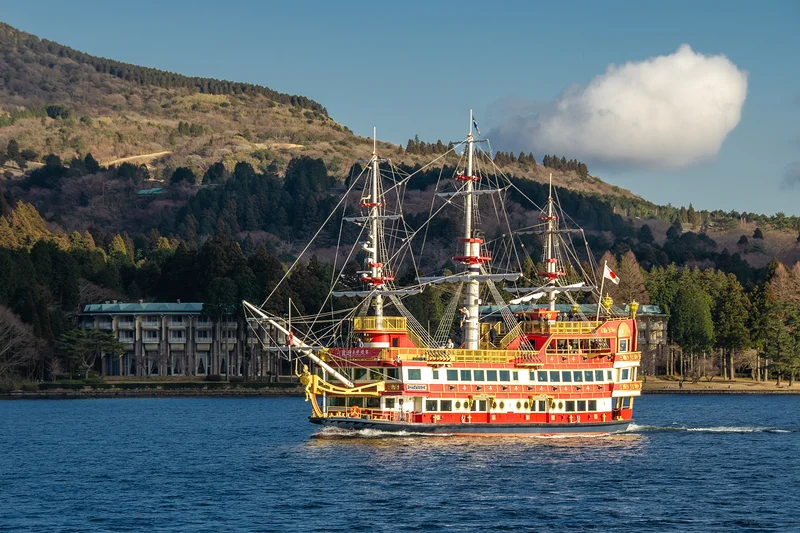
Hakone is a short train ride from Tokyo, offering a quiet mountain getaway centered on volcanic landscapes, Lake Ashi, and clear views of Mount Fuji. You can soak in natural hot springs or spend the afternoon at the Open-Air Museum and the Pola Museum of Art. It hits a similar rhythm to a weekend trip in the Catskills, blending outdoor activity with a deep-rooted spa culture.

#5 Yokohama +35 recs

Yokohama sits just a short train ride from Tokyo, offering a distinct mix of bold modern architecture and deep maritime history. You can spend your morning among the futuristic skyscrapers of Minato Mirai, grab lunch in one of the world's largest Chinatowns, and find quiet in the traditional Sankei-en Garden. It is a city that rewards aimless wandering.

#6 Narita +21 recs

Most travelers overlook this temple town just 10 minutes from the international airport. Its thousand-year-old Buddhist sanctuary, Edo-era main street, and legendary grilled eel restaurants make it a worthy stopover. Between the spiritual traditions and the constant hum of overhead jets, or the zen gardens and modern shopping centers, this destination offers a concentrated look at Japan that is easy to reach even on a short layover.

#7 Hachioji +14 recs

Hachioji is worth the trip. Less than an hour from Shinjuku, this former silk hub is home to Mount Takao, a sacred peak favored by tengu spirits that holds three Michelin stars. You can spot ascetics in meditation, try the local onion ramen found nowhere else in Japan, and finish your day at an onsen right by the trailhead. Far from the typical Tokyo neon, Hachioji offers a more intimate look at the country, defined by cedar forests and feudal lore.

#8 Chiba +1 rec

Most travelers pass right through this prefecture without stopping while heading between Narita Airport and Tokyo Disney Resort. However, the coastline of the Bōsō Peninsula harbors serious surf spots, and downtown reveals a gritty, authentic side of Japan.

It makes an ideal layover stop or a budget-friendly base near Tokyo, though it is less suited for travelers chasing ancient historical sites.

#9 Fujisawa +1 rec

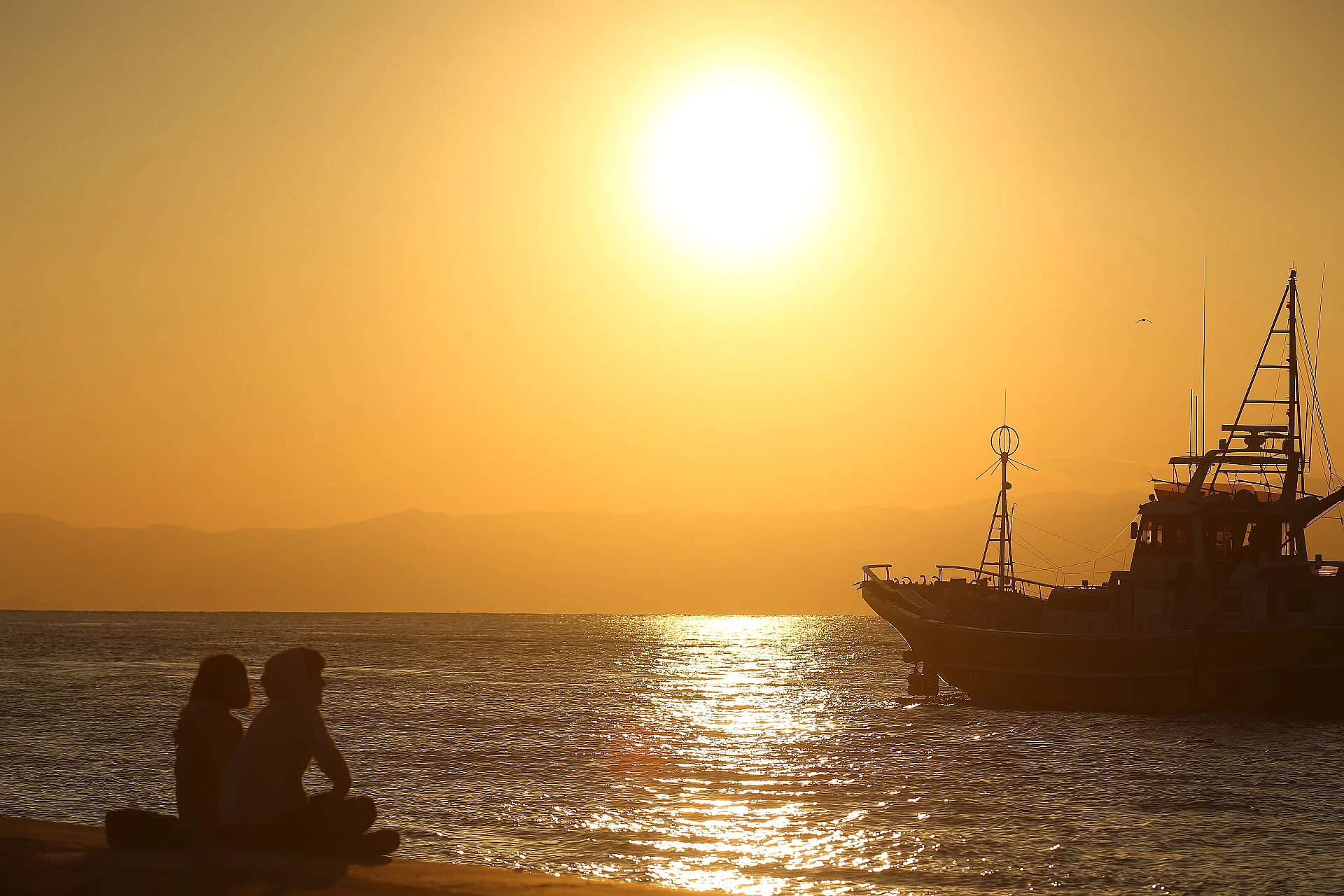
Just an hour outside Tokyo, this coastal city smells like salt water and fresh surfboard wax. Enoshima, a sacred island connected by a pedestrian bridge, packs in shrines, sea caves, and views of Mount Fuji on clear days. Katase Beach, the historic birthplace of Japanese surfing, maintains a laid-back vibe far removed from the capital's frantic pace, with local specialty shirasu on nearly every menu.

Our members' favourite things to do in Kanto

Ranked on recommendations from travellers who did them

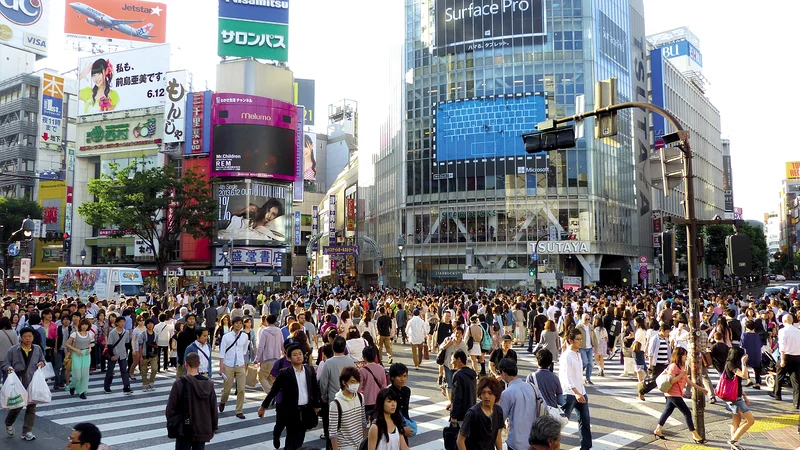
#1 Shibuya Crossing (Tokyo) +27 recs 4.2/5

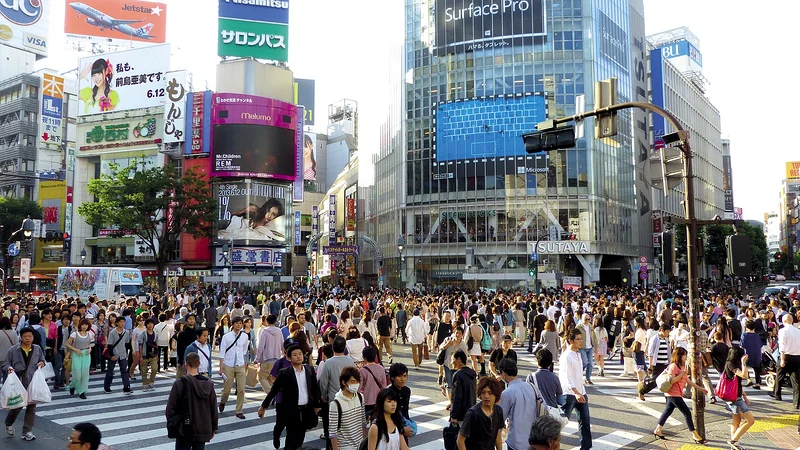
Ten lanes, five crosswalks, giant video screens: Shibuya Crossing is the busiest intersection in Japan and the face of Tokyo. Over 2,500 people cross every two minutes, adding up to nearly a billion a year in a synchronized flow waiting for the sound cue. Friday and Saturday nights put on the best show, along with rainy days for the umbrella ballet. The Hachiko dog statue sits right outside the station.

See the guide See deals

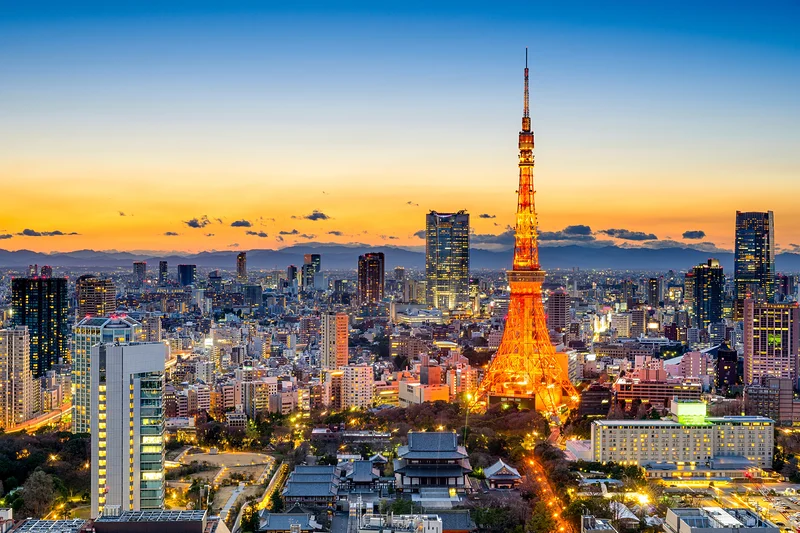
#2 Tokyo Tower (Tokyo) +23 recs 4.4/5

Built in 1957 by Tachu Naito, Tokyo Tower stands 333 meters tall, edging out the Eiffel Tower by seven meters. Engineered for seismic resilience and painted orange and white for aviation safety, it glows with seasonal lighting. Visitors access two observatories at 145 and 250 meters. Foot Town at the base features an aquarium, dining, and a theme park.

See the guide See deals

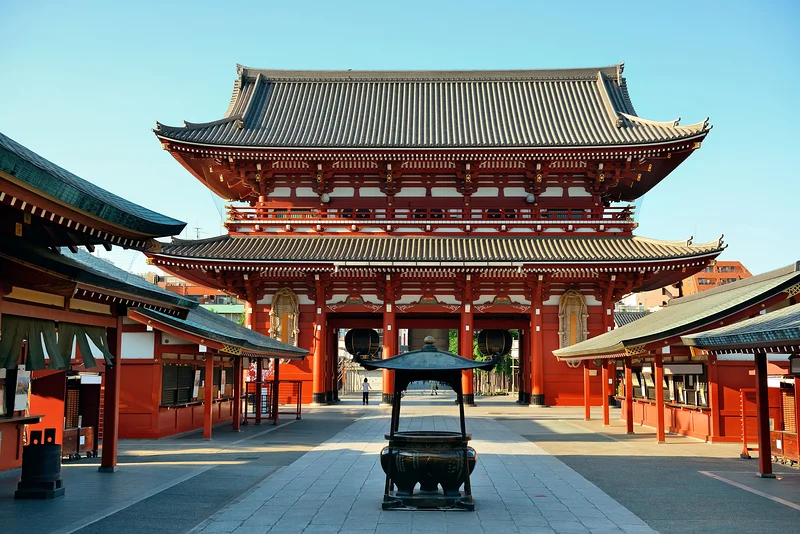
#3 Senso-ji (Tokyo) +17 recs 4.7/5

Founded in 645 in Tokyo, Senso-ji is dedicated to Kannon, the goddess of compassion. Located in the Asakusa neighborhood, the temple grounds feature a five-story pagoda and sacred gates. Visitors walking down the Nakamise-dori (shopping street) find traditional boutiques and local snacks before experiencing authentic Buddhist rituals at this spiritual landmark.

#4 Hachiko Statue (Tokyo) +17 recs 4/5

The Hachiko Statue, standing outside Shibuya Station in Tokyo, honors a dog famous for his unwavering loyalty. It serves as a go-to meeting spot for locals and travelers alike. From here, you can watch the pulse of the city, cross the iconic Shibuya Crossing, or head to Harajuku for quirky boutiques and unique cafes.

#5 Hase-dera Temple (Kamakura) +16 recs 4.7/5

Overlooking Kamakura, the Hase-dera Temple is a Jōdo sect Buddhist site. It is famous for its iconic Kannon: the bodhisattva of mercy. Beyond this massive statue, which stands over 9 meters tall, the temple offers a prime vantage point. You get exceptional views of the city below, set against a hillside Japanese garden.

#6 Ueno Park (Tokyo) +15 recs 4.3/5

As the green lung and cultural hub of Tokyo, Ueno Park is a primary destination. It houses major national museums, including the Tokyo National Museum, and the Ueno Zoo with its famous pandas. This popular walking spot features cherry blossoms in spring and lotus-covered Shinobazu Pond in summer. Historic treasures like Toshogu Shrine are also scattered throughout. Park access is free, but individual attractions charge entry fees.

#7 Tokyo Skytree (Tokyo) +14 recs 4.7/5

At 634 meters, the Tokyo Skytree is the tallest tower in Japan. It anchors the skyline of Tokyo with observation decks at 350 and 450 meters. Opened in 2012, this seismic-resistant broadcast tower sits at the heart of the Sora Machi (Sky Town) complex, which includes a planetarium, an aquarium, and 300 shops.

See the guide See deals

#8 Hakusan Shrine (Tokyo) +11 recs 4.5/5

Founded in 948 and counted among the ten historic shrines of Tokyo, the Hakusan Shrine in Bunkyo draws crowds every June for its hydrangea festival, featuring over 3,000 blooming plants. Known for blessing marriages and easing toothaches, this intimate site blends spirituality, history, and natural beauty in a quiet neighborhood.

#9 Edo-Tokyo Museum (Tokyo) +11 recs 4.5/5

The Edo-Tokyo Museum offers a deep dive into 400 years of history in the capital of Japan. Through full-scale recreations, including the Nihonbashi bridge, and intricate dioramas, it traces the evolution from Edo to modern Tokyo. This major institution reopened on 31 March 2026 after four years of extensive renovation.

#10 Takashimaya Times Square (Tokyo) +11 recs 5/5

This 16-story complex sits two minutes from Shinjuku Station in Tokyo. Takashimaya Times Square features the flagship Takashimaya department store, a seven-level Hands, Uniqlo, and over 30 restaurants. Explore the basement depachika (food hall) for local delicacies. The Kinokuniya bookstore and a 468-seat theater complete the hub. Tax-free shopping is available for international travelers.

Map of Kanto

Visiting Kanto

The Kanto plain is the largest in Japan, and Tokyo fills almost all of it: a conurbation with no single centre, made of districts that work like cities. Shibuya, Shinjuku and Asakusa share neither architecture nor crowd, and you move between them in fifteen minutes by metro.

What surprises is how fast the region changes nature. Two hours north and you are at the shrines of Nikko under the cedars; two hours west and you are in the baths of Hakone facing Mount Fuji. The metropolis does not taper off, it stops.

You'll love it if

  • You want a metropolis and mountains in the same trip
  • Walking suits you: everything is done on foot from a station
  • You like eating at any hour without booking

Give it a miss if

  • Rush-hour crowds are unbearable to you
  • You're after postcard Japan without going through the city
  • You're coming in August without knowing what 34 degrees at 80% humidity feels like

The must-sees

  1. Tokyo

    1 Tokyo +356 recs

    Capital since 1868, rebuilt twice in the twentieth century, after the 1923 earthquake and then after 1945. That past explains the city: few old monuments, extreme density and districts that have each specialised.

  2. Shibuya crossing

    2 Shibuya crossing +27 recs

    Five pedestrian crossings opening at once, several thousand people per cycle. The best view is the station footbridge, which is free, rather than the cafés that charge for it.

  3. Sensoji temple

    3 Sensoji temple +17 recs

    Tokyo's oldest temple, founded in the seventh century and rebuilt after the war. Walk the market street leading to it from seven in the morning, before the groups, when the shopkeepers open their shutters.

  4. Nikko

    4 Nikko +49 recs

    Shinto and Buddhist shrines on the World Heritage list, including the mausoleum of the first Tokugawa shogun. Red lacquer and gold under giant cedars, two hours by train from Tokyo.

  5. Hakone

    5 Hakone +49 recs

    Volcanic hot springs and, on a clear day, Mount Fuji across Lake Ashi. The traditional inn with its bath books far ahead and costs accordingly, but it is what you come for.

The classic mistake

Staying far from a major station to pay less. In Kanto, distance is not counted in kilometres but in line changes: twenty minutes' walk to the metro costs an hour a day, every day.

Our itineraries in Kanto

Our routes, by how long you have
LengthRouteWhat you see
Long weekend (4 days)Tokyo › KamakuraDistricts and the Great Buddha
1 weekTokyo › Kamakura › HakoneCity, coast, hot springs
10 daysTokyo › Nikko › Hakone › Yokohama › KamakuraShrines, Fuji, port

Tokyo as a single base works for the whole of Kanto: Kamakura, Yokohama and Hakone are under two hours away, Nikko two and a quarter. No need to change hotel, except to sleep at an inn in Hakone.

Count a full day per excursion, not half: the journeys take an hour door to door, and the shrines close at four or five.

When to visit Kanto

RatingSeasonWeatherCrowds and prices
Late March to early April10 to 18 °C, dryPeak, book months ahead
Late November to early December8 to 16 °C, dry and clearHeavy, the best visibility on Fuji
May and October15 to 24 °C, pleasantSteady, mid-range prices
June to September25 to 34 °C, very humid, typhoonsLight, low prices

Our advice

Aim for late November rather than spring: the maples last longer than the cherry blossom, the air is dry and it is the season when Fuji is most often visible from Hakone. Avoid the first week of May, the whole country is on holiday.

Getting to Kanto

  1. 1 By plane Fastest

    two airports: Narita, sixty kilometres to the east, and Haneda, in the city. Haneda is half an hour from the centre, Narita an hour more. Long-haul flights land at both.

  2. 2 By Shinkansen Simplest

    Tokyo station is the hub of every high-speed line in the country. Useful for a trip that continues on to the Kansai.

  3. 3 Between the two airports Fastest

    a direct transfer exists, but it takes close to two hours. Arriving at Narita and leaving from Haneda is paid for in time.

If you have the choice, Haneda: the difference in travel time to the centre is counted in hours over a return trip. For an itinerary continuing to Kyoto or Osaka, arriving here and leaving from there avoids doubling back.

Getting around Kanto

A car is of no use in Kanto and everything runs on trains. A rechargeable card, tapped at the gate, opens the metro, the private lines and even the platform vending machines.

Worth knowing

The nationwide rail pass does not pay off for a trip that stays in Kanto: the journeys are short and covered by the rechargeable card. It only earns its place with a Shinkansen return to the west.

What to eat in Kanto

  • Sushi: the edomae style was born here, bay fish on vinegared rice. A neighbourhood counter at midday costs a quarter of dinner and serves the same fish.
  • Monjayaki: Tokyo's speciality, a very runny batter cooked on the griddle and scraped up with a small spatula. More disconcerting and more local than okonomiyaki.
  • Soba: buckwheat noodles, served hot in broth or cold with their dipping sauce. The best houses do nothing else and close when the day's dough runs out.
  • Unagi: eel lacquered and grilled over charcoal, a summer dish despite its richness. A specialist house prepares it in front of you, to order.
  • Tonkatsu: breadcrumbed pork cutlet, sliced into strips, with as much raw cabbage as you want. The most widespread lunch dish.
  • Wagashi: red bean and agar confections, designed to go with tea. They change with the season, and that is the whole subject of their shape.
  • Yokohama chukagai: the largest Chinatown in Japan, twenty minutes from Tokyo, where you eat steamed buns in the street.

Many good places have no English menu and take no bookings, and a queue at a door is the best sign there is. Kitchens in the business districts close early at the weekend, when the offices are empty.

Where to stay in Kanto

AreaGood forWorth knowing
ShinjukuReaching everything, late nightsThe best-connected station in the country
ShibuyaYoung districts, shoppingNoisy at night, very practical
AsakusaTemple, crafts, lower pricesQuieter, less central
Tokyo, by the stationShinkansen day tripsBusiness hotels, small rooms
HakoneBaths, mountains, FujiOne night at an inn, no more

Read the full guide: where to stay in Kanto

How much does a trip in Kanto cost?

Guide budget per person, excluding travel to the region
StyleLengthBudget per person
Budget (hostel or capsule, street food, transport)7 days€650 to €900
Comfortable (business hotel, restaurants, one night at an inn)7 days€1,300 to €1,900
High-end (smart hotel, notable counters, ryokan)7 days€3,000 to €4,500
  • The season: at blossom and at maple time, the same room often costs double what it does in June, and books months ahead.
  • Lunch: sushi counters and noodle houses serve a midday version four or five times cheaper than the evening one.
  • City transport: short but frequent, it adds up fast. Count it separately, around ten euros a day per person.
  • A night in a ryokan: with dinner and breakfast, it is worth two or three nights in a business hotel.
  • The temples: most charge nothing to enter, the gardens and treasure houses do. The line stays light, unlike in the Kansai.

Traditions and way of life in Kanto

Tokyo was flattened twice in twenty-two years, by the 1923 earthquake and then by the bombings of 1945, and each time it rebuilt itself keeping its plan of lanes. That explains the city today: towers set on a pre-war fabric, and districts that each have their trade and their crowd rather than a common centre.

The silence on public transport is not coldness but a shared convention: no phone calls, no eating, let people off before you get on. Residents help the moment you ask, and a question put to someone in a station almost always gets an answer, sometimes as far as the platform.

Two habits are picked up fast. In a public bath or a hot spring you wash sitting at the shower BEFORE getting into the water, and tattoos are still refused in many places. And you leave no tip: the gesture makes people uncomfortable rather than thanking them.

Top photos posted by members

Parc Shinjuku Gyoen à Tokyo
906689d729ac4744994e4b8ba721a61f.MOV
Fujisawa

Articles posted by members

Traveler reviews

A magical vibe, but way too crowded

I really like TeamLab, it is always a slightly magical sensory experience, it is gorgeous and extremely well done. BUT... It is a total highway, there are crowds everywhere all the time and a lot of w…

82

A hidden gem if you love Natural History museums

As a huge fan of natural history museums, I can totally recommend it! For the record, at first I only visited one building, which hosts the temporary exhibits (crocodiles at the time, it was incredibl…

76

Must-see, but overcrowded

Featured in every guidebook, it is hard not to visit when you are in Tokyo. The spot is spectacular, right in the heart of the city, but going there in the middle of the day is a nightmare (at least f…

108

A very nice visit, both the museum and the gardens

Located in Ueno Park, this is a huge museum that costs 1000 Yen to enter, featuring several buildings with different themed exhibits, plus a very pretty garden in the back to walk through. Some pavili…

47

You will wish you have never left for home

Last September I visited Japan and stayed at Hotel Meigetsu in Tokyo. Overall the experience was great, the hotel was clean and tidy, and within walking distance of the monorail station. The staff was…

113