
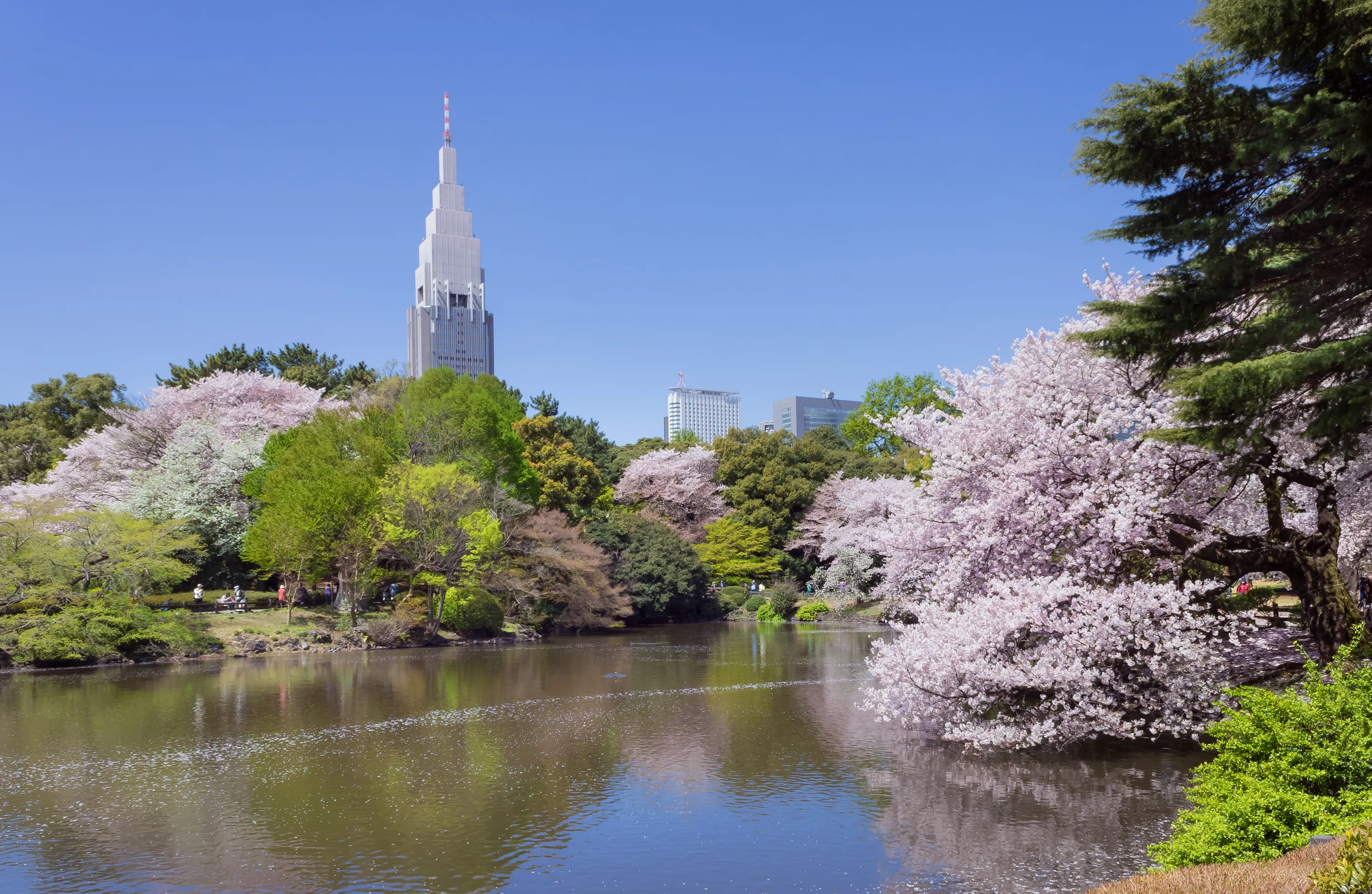
Where to stay in Kanto: the 8 areas to know in 2026
On Tokyo, our reviews contradict each other, and that is the best piece of information in this guide. "What a shock you get when you arrive", writes one; "I didn't find it very pleasant to live in, every trip is an obstacle course", writes another. The second one gives the key himself: "aside from Asakusa and Ueno, two relatively quiet neighborhoods".
So they are talking about two different cities, and the neighborhood makes all the difference. A third member adds the second rule: "try not to spend your whole trip in Tokyo". Eight areas below, three in the city and five outside it, one of them at the foot of Mount Fuji.
Compare hotel prices in Kanto
In a hurry? Find the best accommodation deals in 3 clicks.
Compare live deals from Booking, Expedia, Agoda and other partners.
While the city remains a must-see, I personally preferred the more traditional and serene sites in the Japanese countryside. Try not to spend your whole trip in Tokyo.
One base or several?
Tokyo carries 73 of our 120 reviews of the region, and two of our members still say to leave it. Here is how we split it by length of stay.
- Three days: A single base, in Tokyo, and the neighborhood decides: Asakusa to sleep, Shinjuku to go out, Ginza to be at the center.
- A week: Two bases: four nights in Tokyo, two at Hakone in a ryokan. That is the advice one of our members gives word for word, and the only way to see Fuji without a day trip.
- Ten days: Three bases, adding Nikko to the north or Kamakura to the south. Both also work as day trips, but sleeping there gives you the shrines before the morning trains.
- Two weeks: Four bases, and the last is a single night at Narita, the evening before the flight. Everything else is a round trip from Tokyo or Yokohama.
How much driving between two bases?
By train, always: the Kanto has the densest rail network in the country, and a car is of no use here.
| Route | Driving time | Good to know |
|---|---|---|
| Tokyo → Yokohama | 25 min | Tōkaidō or Keihin-Tōhoku line |
| Tokyo → Kamakura | 1 hr | Yokosuka line, direct |
| Tokyo → Hakone | 1 hr 30 | Romancecar from Shinjuku |
| Tokyo → Nikko | 2 hr | Tobu from Asakusa, one change |
| Tokyo → Narita | 1 hr | Skyliner from Ueno, 41 min |
| Kamakura → Enoshima | 25 min | Enoden line, along the sea |
| Yokohama → Hakone | 1 hr 15 | Via Odawara |
| Shinjuku → mont Takao | 50 min | Keiō line, direct |
At a glance: our picks by traveller type
Pick the profile that fits you and go straight to the recommended area.
Map of the areas in Kanto
See how the areas sit relative to one another before choosing your base. Click a name to jump to its description.
Tokyo: Shinjuku and Shibuya Western Tokyo
for the Tokyo of screens and neon, and for the connections
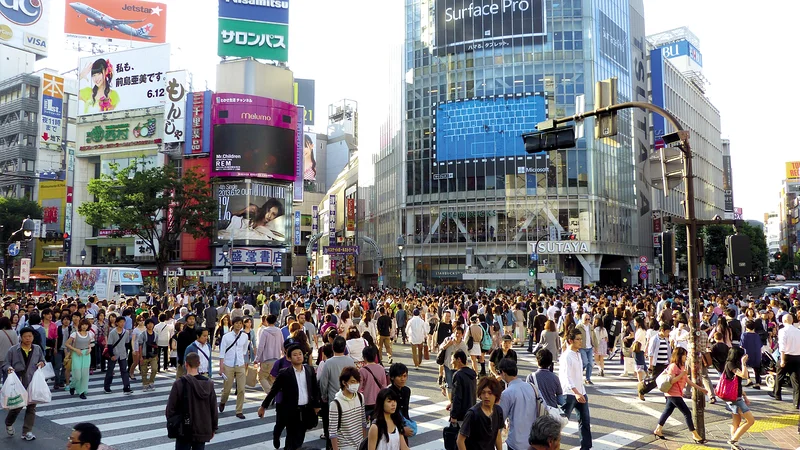
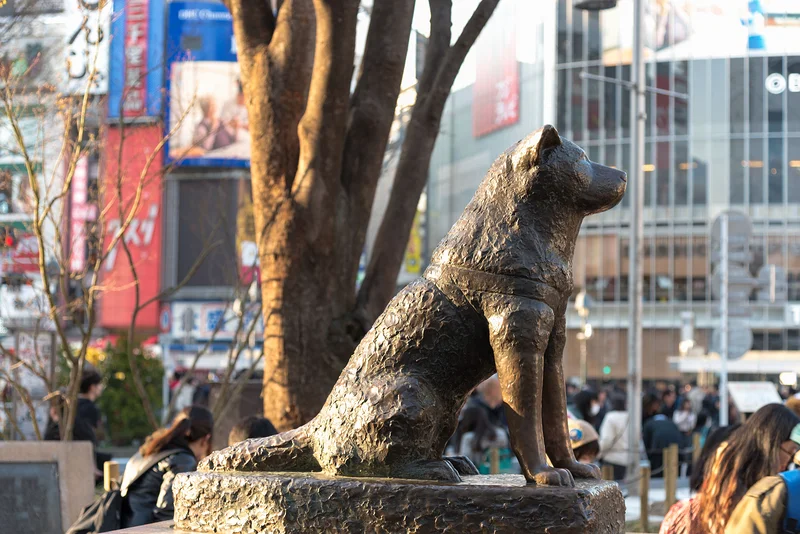
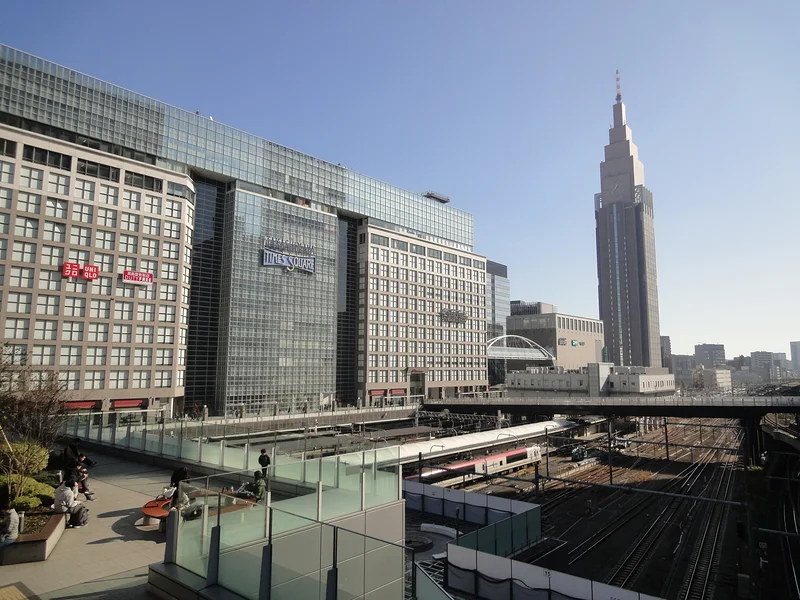
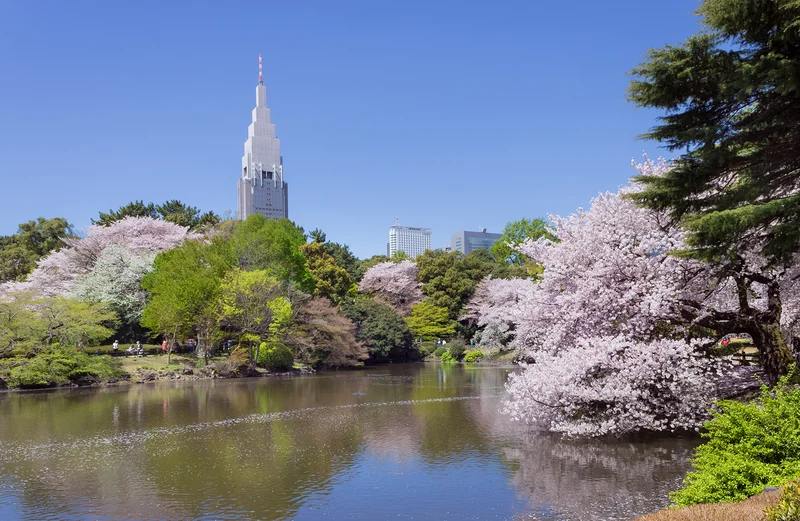
Shinjuku station sees three and a half million people a day, which makes it the busiest in the world, and the Shibuya crossing absorbs three thousand at every light. This is the Tokyo you saw before coming: giant screens, the lanes of Kabukichō, the izakayas of Golden Gai. Ten minutes away, Shinjuku Gyoen park and the Meiji shrine hand back the silence. The flip side: one of our reviews sums the area up in two words, "pure madness", and the nights here are short.
In the Akihabara, Shibuya, and Shinjuku districts, it is pure madness. Bright screens, shops of all kinds, maid cafes: you are truly immersed in the country.
The towns in this area
What to see and do in this area
Where to stay in this area
Park Hyatt Tokyo Luxury
On the top floors of a Shinjuku tower, with the 52nd-floor bar and the pool under glass. This is the hotel from Lost in Translation, and the view is worth the trip even without sleeping there.
Hotel Gracery Shinjuku Mid-range
Right in Kabukichō, with a forty-foot Godzilla head on the eighth-floor terrace. Nine hundred and seventy rooms, so space even in April.
Dormy Inn Akihabara Budget
In Akihabara, with Japanese baths on the top floor and free late-night ramen. One of the three places to stay in the region that our database knows.
Pros
- The best-served station in the country, so the whole Kanto within reach
- The Tokyo of the pictures, on foot from your room
Cons
- "Pure madness", says our review, and it does not stop at night
- The most expensive area in the city, along with Ginza
Tokyo: Asakusa and Ueno Eastern Tokyo, the old town
to sleep in the Tokyo our reviews call quiet
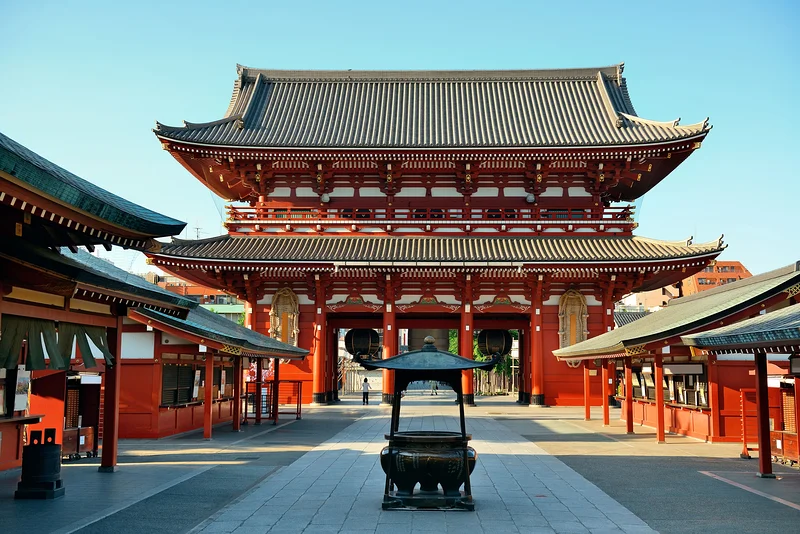
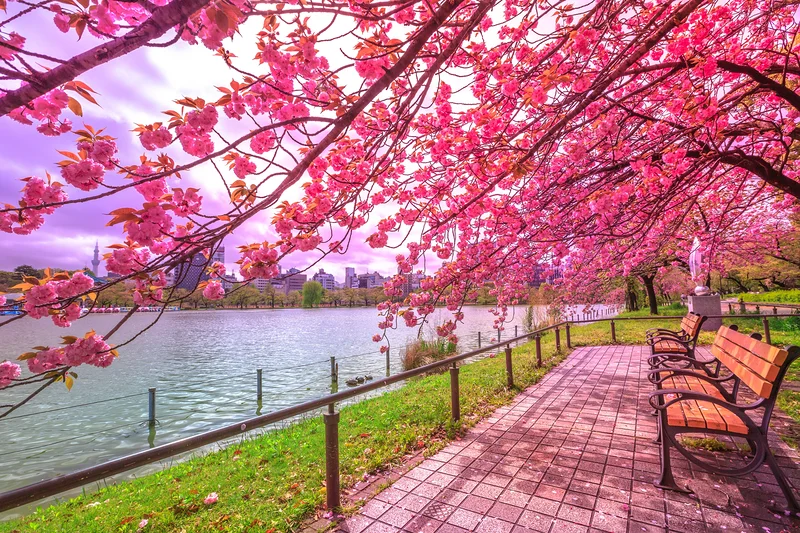
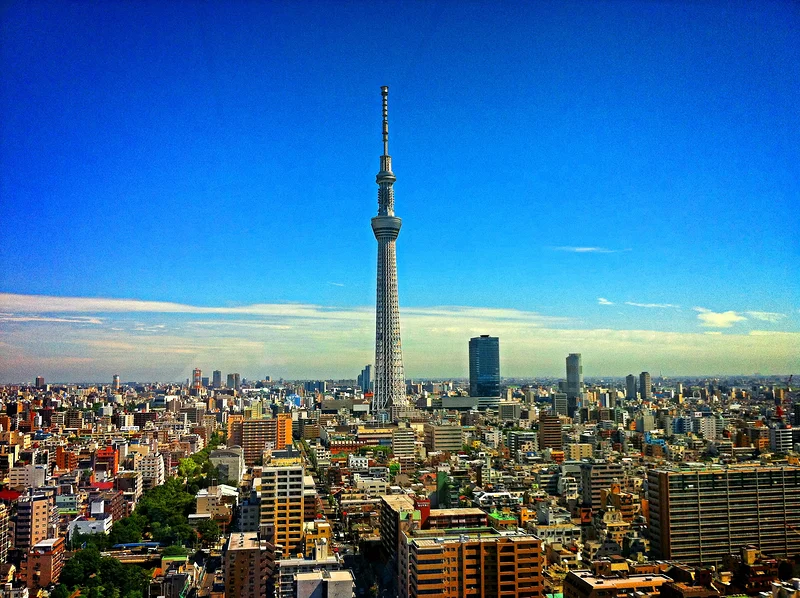
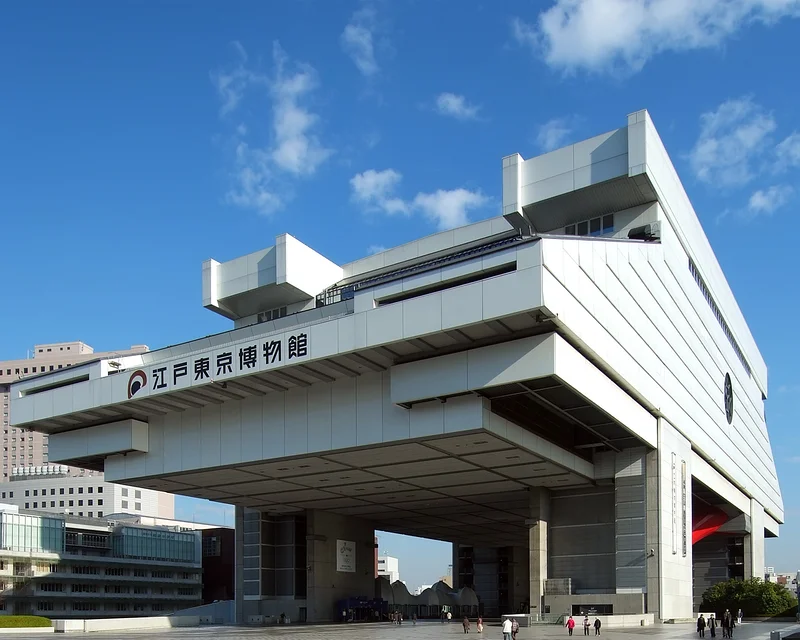
This is the older Tokyo: Sensōji temple, founded in 645 and the oldest in the city, the Nakamise shopping street that leads to it, the low houses of Yanaka. Ueno park lines up the national museum, the zoo and a thousand cherry trees. And the Tokyo Skytree, two thousand and eighty feet, closes the skyline across the river. One of our members, harsh on the rest of the city, names these two neighborhoods as the only "relatively quiet" ones. What you give up: the nights, which end early.
Aside from Asakusa and Ueno, two relatively quiet neighborhoods, Tokyo is a megalopolis where every trip is an obstacle course.
The towns in this area
What to see and do in this area
Where to stay in this area
Asakusa View Hotel Luxury
The tower that overlooks Asakusa, with the Sensōji and the Skytree from the upper rooms, and a floor of traditional Japanese rooms. The best view in the east of the city.
Nohga Hotel Ueno Mid-range
Five minutes from Ueno park and its station, in a recent building furnished by craftsmen from the neighborhood. The compromise between the calm of the east and the comfort of a new hotel.
Hotel Horidome Villa Budget
In Nihonbashi, between Ueno and Ginza, on the line that runs straight to Narita airport. One of the three places to stay in the region that our database knows.
Pros
- A third cheaper than Shinjuku, for the same comfort
- The only area our reviews describe as calm
Cons
- Evenings end early, restaurants included
- Shibuya is twenty-five minutes away by metro
Tokyo: Ginza and the bay The center and the south
for the historic center, and for the bay at sunset
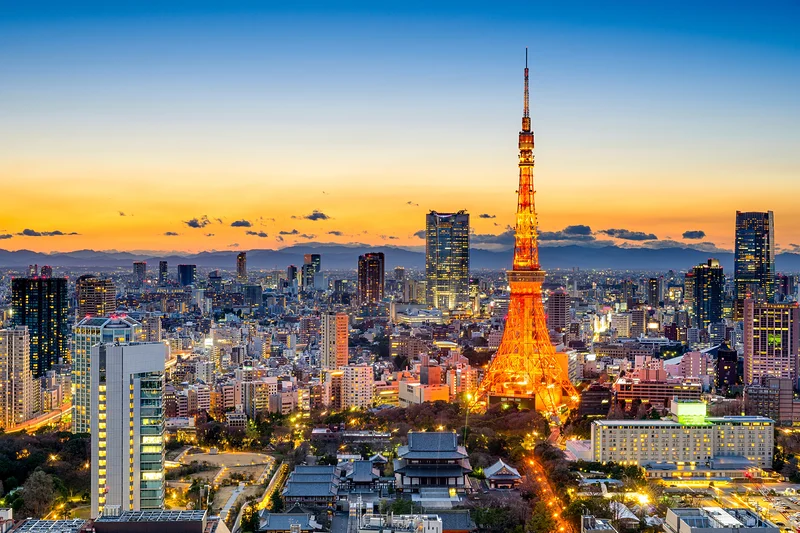
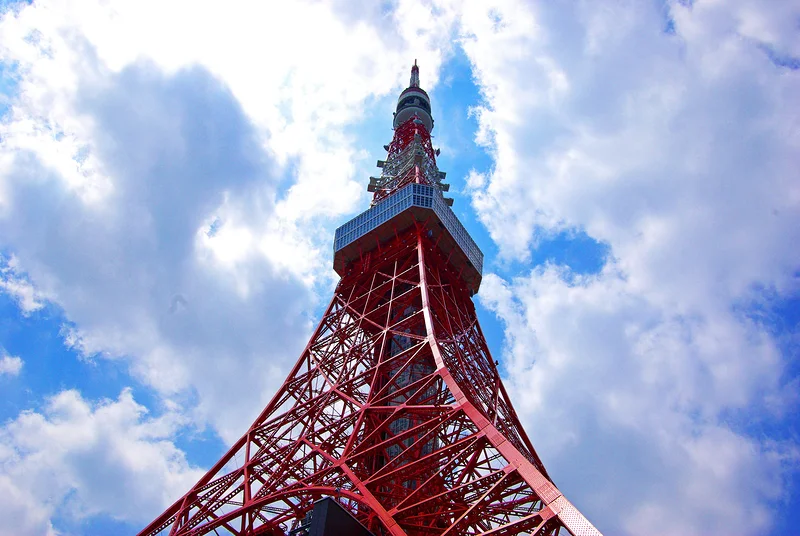
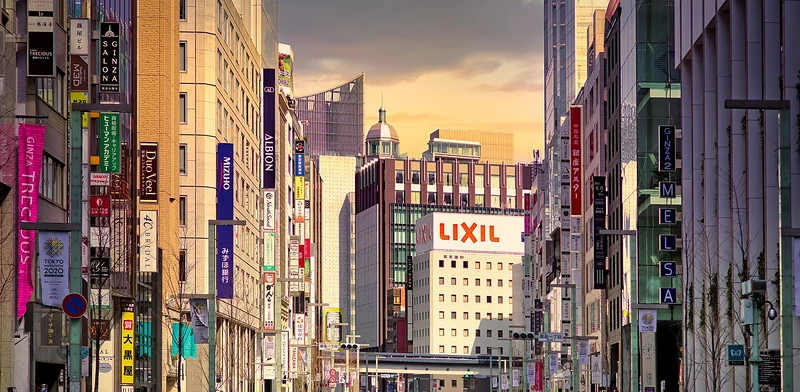
Ginza is the district of department stores and theaters, closed to cars at the weekend, and it touches the Imperial Palace and its moats. Further south, Tokyo Tower, one thousand and ninety-three feet painted orange since 1958, and Zōjōji temple at its feet. The bay adds Odaiba, the Rainbow Bridge and the Tsukiji market. This is the most central area and the quietest at night. The flip side: the prices, and a district that empties on Sunday evening.
Tokyo is a city of contrasts. Modernity, temples, museums, quirky shops: you will definitely find something you love.
The towns in this area
What to see and do in this area
Where to stay in this area
Imperial Hotel Tokyo Luxury
Opened in 1890 facing Hibiya park, a five-minute walk from Ginza. It is the oldest grand hotel in the country, and it has never stopped operating.
Hotel Meigetsu Budget
A simple address downtown, and the third of the places to stay in the region that our database knows. The compromise when the room is only somewhere to sleep.
Pros
- The geographic center: everything is under twenty minutes away
- Quiet at night, unlike Shinjuku
Cons
- The most expensive area in the city
- Ginza empties on Sunday evening, restaurants included
Kamakura and Enoshima The south, on the Pacific
for the sea and the temples, an hour from Tokyo
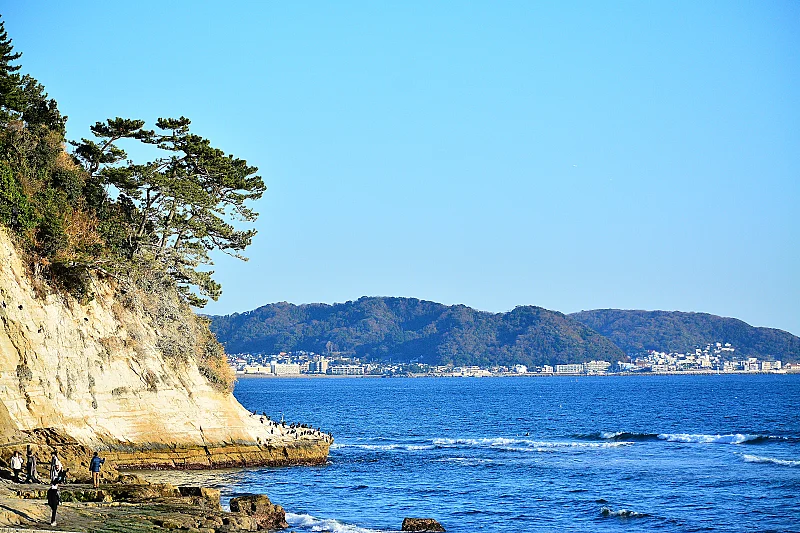
Capital of Japan from 1185 to 1333, Kamakura kept sixty-five temples from it and the bronze Great Buddha, thirty-seven feet and three hundred tons, open to the sky since a tsunami took its hall in 1498. Hase-dera steps down in terraces toward the bay, and the beach is at the end of the street. At the end of the line, the island of Enoshima is reached by a bridge. Two of our reviews give the same figure: an hour by train from Tokyo, and the round trip fits in a day. Sleeping here means having the temples before the morning trains.
Right by the sea, just a 1-hour train ride from Tokyo, the seaside town of Kamakura is a great spot to spend a relaxing day that is a nice change of pace during a trip to the bustling Japanese capital.
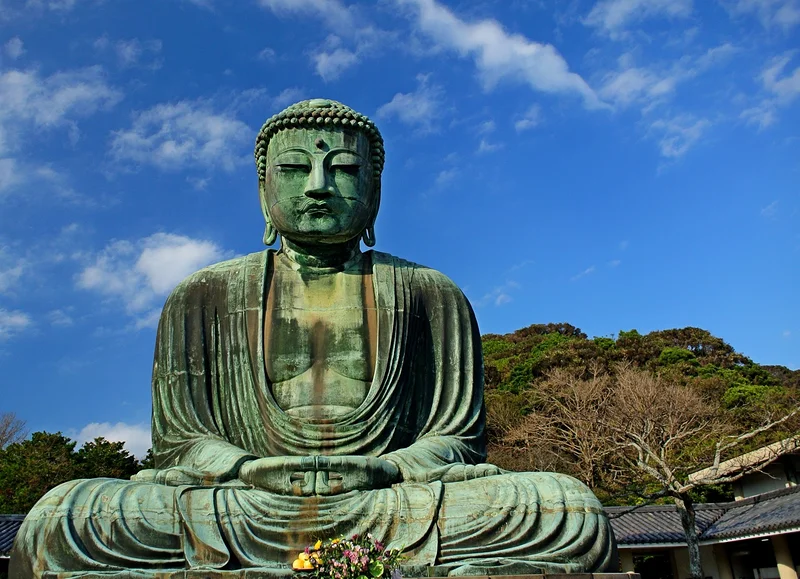
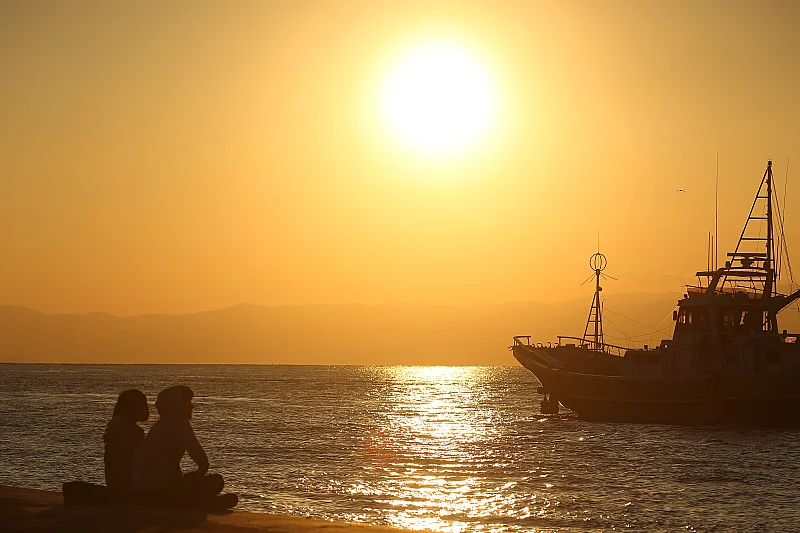
What to see and do in this area
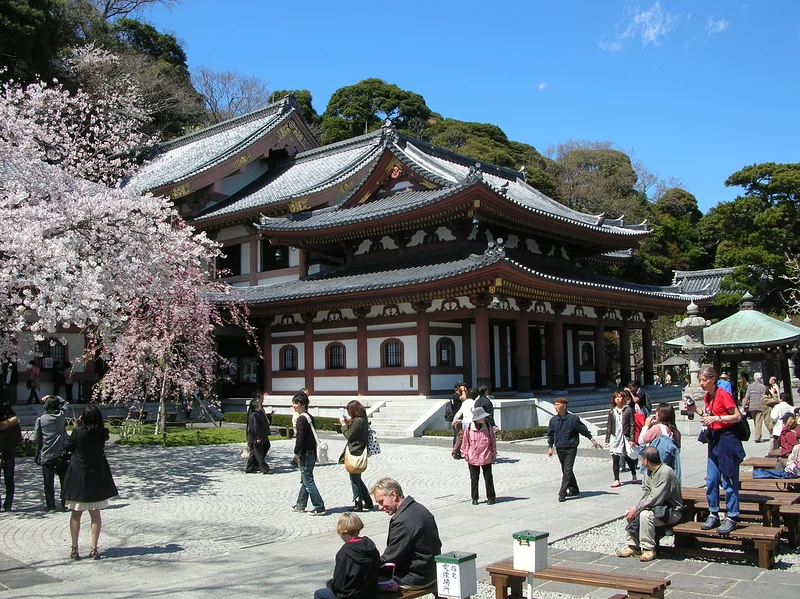
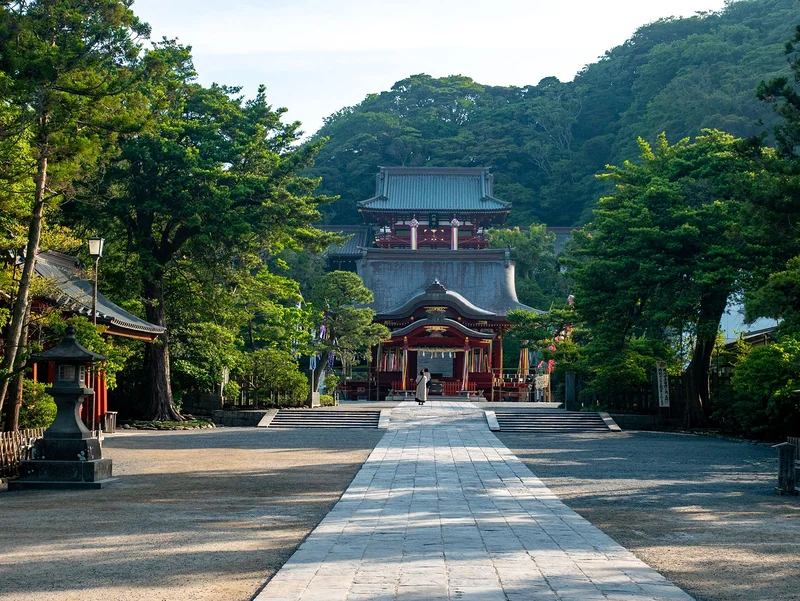
Where to stay in this area
Kamakura Prince Hotel Luxury
On the hill above Shichirigahama beach, ninety-seven rooms all facing Sagami bay. On a clear day, Mount Fuji closes the horizon from the pool.
Pros
- The temples and the beach on foot, in the same day
- An hour by train from Tokyo, no changes
Cons
- Prices are high, as one of our reviews notes
- Very busy at weekends, all year round
Hakone and Mount Fuji The west, in the mountains
for the ryokan, the hot springs, and the photo you came for
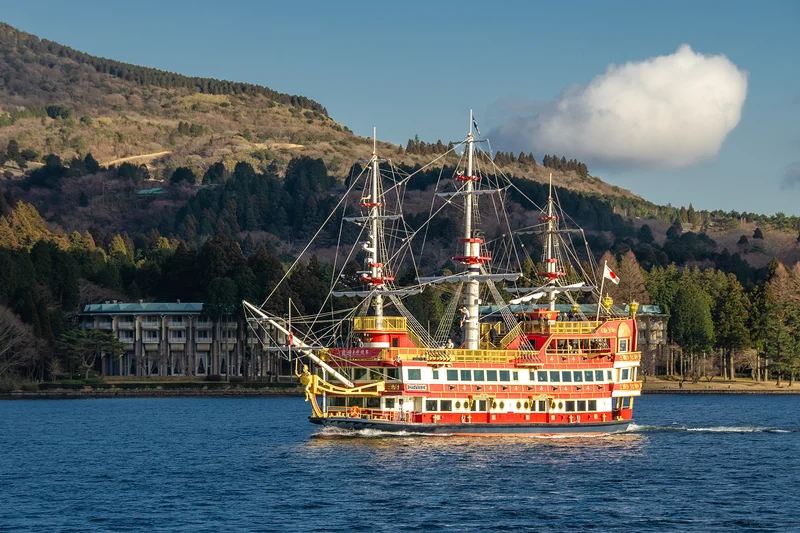
One of our members asks the question that sums up the area: "have you ever seen a photo with a lake, a shrine gate, and Mount Fuji in the background?" That is Hakone shrine and its torii planted in Lake Ashi. Around it, the volcanic valley of Ōwakudani and its eggs blackened in sulfurous water, the open-air museum and its Henry Moores, and dozens of onsen. The same review gives the instruction: "spend the night in a ryokan by the water". The flip side: Fuji hides two days out of three in summer.
Spend the night in a ryokan (traditional inn) by the water for an even more authentic experience.
The towns in this area
Where to stay in this area
Fujiya Hotel Luxury
Opened in 1878 at Miyanoshita, one of the oldest resort hotels in Japan, with thermal baths and a former imperial villa as an annex. You sleep in Meiji architecture, not in a reconstruction.
Hakone Kowakien Ten-yu Luxury
A contemporary ryokan clinging to the slope, with a private bath on every terrace and a view over the valley. The formula our review recommends, in a recent version.
Pros
- Mount Fuji, the lake and the torii in a single frame
- The onsen, and the ryokan our review recommends
Cons
- Fuji stays hidden two days out of three from June to September
- Touring the area takes four different modes of transport
Nikko The north, in the mountains
for the most ornate shrines in Japan, and for the snow
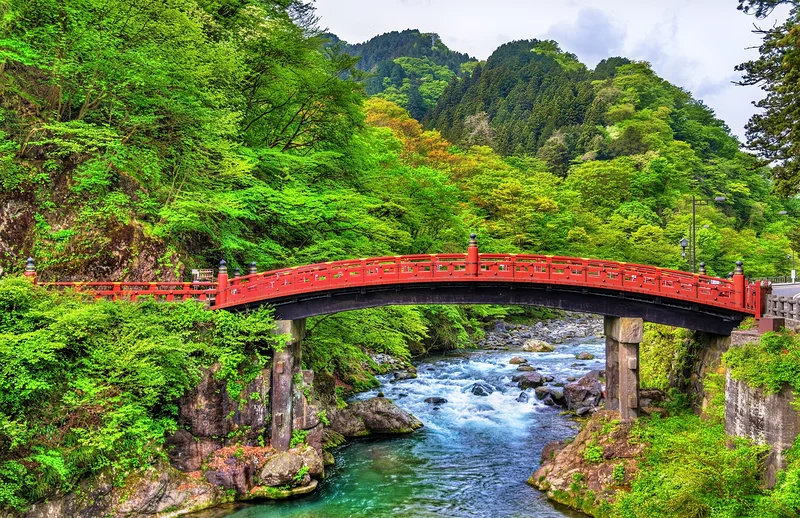
The Tōshō-gū, mausoleum of the shogun Ieyasu, is the opposite of Japanese restraint: red lacquer, gold leaf, five thousand carvings including the three wise monkeys. The Shinkyō bridge comes before it, and Lake Chūzenji overlooks it at four thousand feet, at the end of a road with twenty hairpins. Our review gives the season: "visit Nikko in the winter [...] the contrast between the white snow and the red temples is striking". The flip side: two hours by train from Tokyo, and a village that lives on day trippers.
If you can, visit Nikko in the winter (I went in February myself). Yes, the autumn colors are beautiful. But the snow makes everything even more enchanting.
The towns in this area
Where to stay in this area
Nikko Kanaya Hotel Luxury
Opened in 1873, it is the oldest resort hotel in Japan still running, just above the Shinkyō bridge. The shrines are a ten-minute walk away.
Pros
- The shrines empty before nine, if you sleep on site
- Lake Chūzenji and its waterfalls thirty minutes away by bus
Cons
- Two hours by train from Tokyo, with one change
- The village shuts down as soon as the last trains leave
Yokohama Immediately south of Tokyo
for the bay, the Chinatown, and lower prices than Tokyo
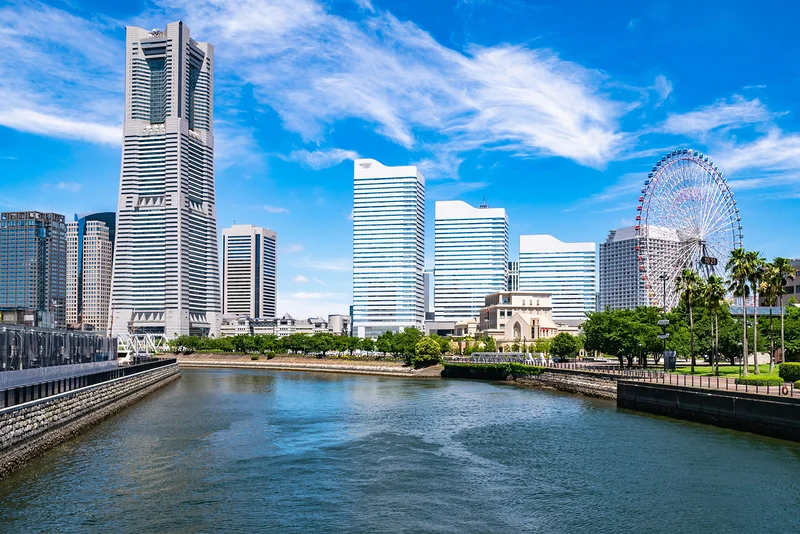
Japan's second city by population, and the first to open to foreigners in 1859, which left it the country's largest Chinatown. The Minato Mirai waterfront lines up the Landmark Tower, nine hundred and seventy-one feet, a Ferris wheel and converted red-brick warehouses. Our review gives the first move: "the Sky Garden observatory at the Landmark Tower for an impressive panorama". Twenty-five minutes of train separate the two cities, and a night here costs a third less.
Located near Tokyo, Yokohama is a lively and pleasant city to visit! You will admire futuristic and monumental towers there.
The towns in this area
Where to stay in this area
InterContinental Yokohama Grand Luxury
The white sail of Minato Mirai, set on the bay, with a spa and a view over the bay bridge. It is the building that signs the city's skyline.
Yokohama Royal Park Hotel Luxury
From the 52nd to the 67th floor of the Landmark Tower, so above the observatory our review recommends. On a clear day you can see Mount Fuji from the room.
Pros
- A third cheaper than Tokyo, twenty-five minutes away by train
- The largest Chinatown in Japan, and a real bay
Cons
- Fewer sights than Tokyo: two days are enough
- The waterfront is recent, with no older heritage
Narita The east, around the airport
for the first and the last night, and for a temple you did not expect
Almost everyone passes through Narita without stopping, and our review explains why you should: "the area around the airport is not very attractive [...] but there are also some tourist attractions, like the pretty traditional shopping street and the temple". The Narita-san Shinshō-ji, founded in 940, is one of the most visited temples in Japan, and its fifty-acre park starts behind it. A morning flight or a late arrival is handled here, ten minutes from the terminal, instead of an hour on the train with your bags.
But there are also some tourist attractions, like the pretty traditional shopping street and the temple!
The towns in this area
Where to stay in this area
Hilton Tokyo Narita Airport Mid-range
Free shuttle to the three terminals, an indoor pool and restaurants open late. The address that makes a six o'clock flight bearable.
Pros
- Ten minutes from the terminal, shuttle included
- A great temple and its shopping street, on foot
Cons
- Our review is blunt: the airport area is not attractive
- Tokyo is an hour away by train, bags included
Our tips for booking the right place
- Our reviews contradict each other on Tokyo, and the neighborhood explains it: "What a shock you get when you arrive" on one side, "every trip is an obstacle course" on the other. Both are true, and the second member names the exception himself: Asakusa and Ueno, "two relatively quiet neighborhoods". Choosing between the east and the west of the city therefore decides the whole trip, more than the hotel does.
- Do not spend the whole trip in Tokyo: One of our members writes it plainly: "try not to spend your whole trip in Tokyo", after preferring "the more traditional and serene sites in the Japanese countryside". Kamakura is an hour away, Hakone an hour and a half, Nikko two hours: over a week, two nights outside the city change the trip.
- A ryokan is booked, and chosen with its half board: At Hakone and Nikko, the listed price almost always includes the kaiseki dinner and breakfast, served at fixed times in your room or in a dining hall. It is not an option: the villages have few restaurants open in the evening, and a ryokan without meals often ends up costing more overall.
- Mount Fuji cannot be ordered: It is visible about one day in three in summer, and far more often from November to February, when the air is dry. From Hakone, the Lake Ashi view is the most photographed; from Kamakura and Sagami bay, it appears on clear days. Planning two days on site doubles your odds.
- Sleeping in Shinjuku or Shibuya and expecting quiet: our review sums the area up as "pure madness", and that applies by day as much as by night.
- Taking a single base in Tokyo for ten days: two of our members advise leaving it, and Hakone and Nikko both lose their point as day trips.
- Renting a car: the Kanto has the densest rail network in the country, parking is expensive and scarce, and none of the eight areas in this guide needs one.
- Booking Narita for anything other than a flight night: our review is clear, "the area around the airport is not very attractive".
FAQ: where to stay in Kanto
Where should you stay in Tokyo on a first visit?
How many nights in Tokyo, and how many elsewhere?
Should you sleep in Kamakura or go for the day?
Where can you stay cheaply in the Kanto?
Do you need a car in the Kanto?
What is the best time to stay in the Kanto?
Our city guides in Kanto
 Keep exploring
Things to do in Kanto
Keep exploring
Things to do in Kanto
Comments (0)
No comments yet. Be the first!