Fujisawa, the Pacific gateway right next to Tokyo
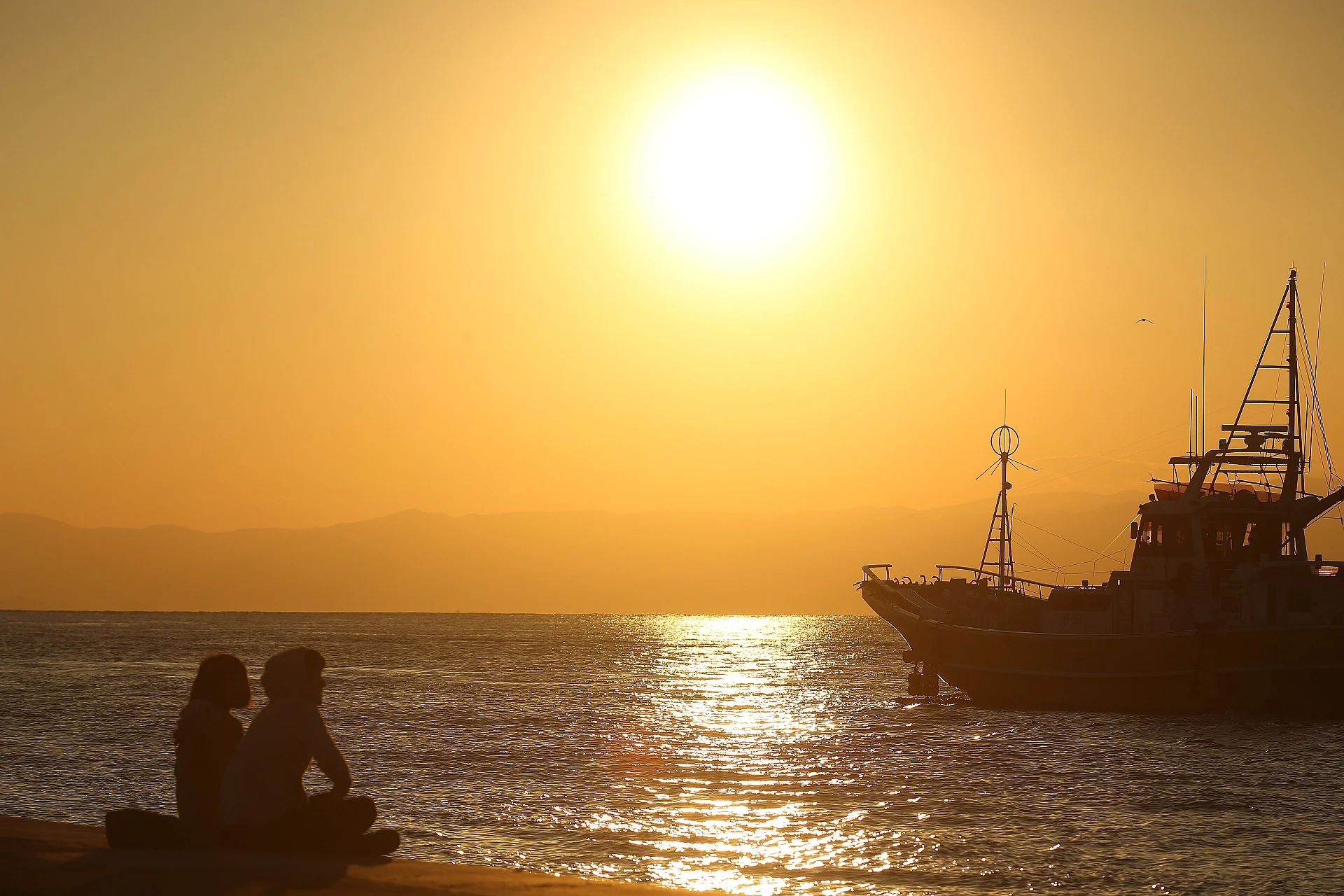
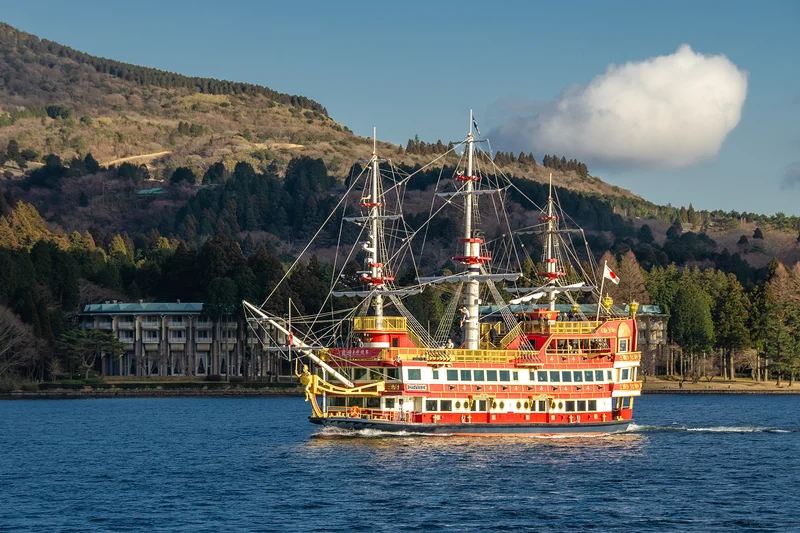
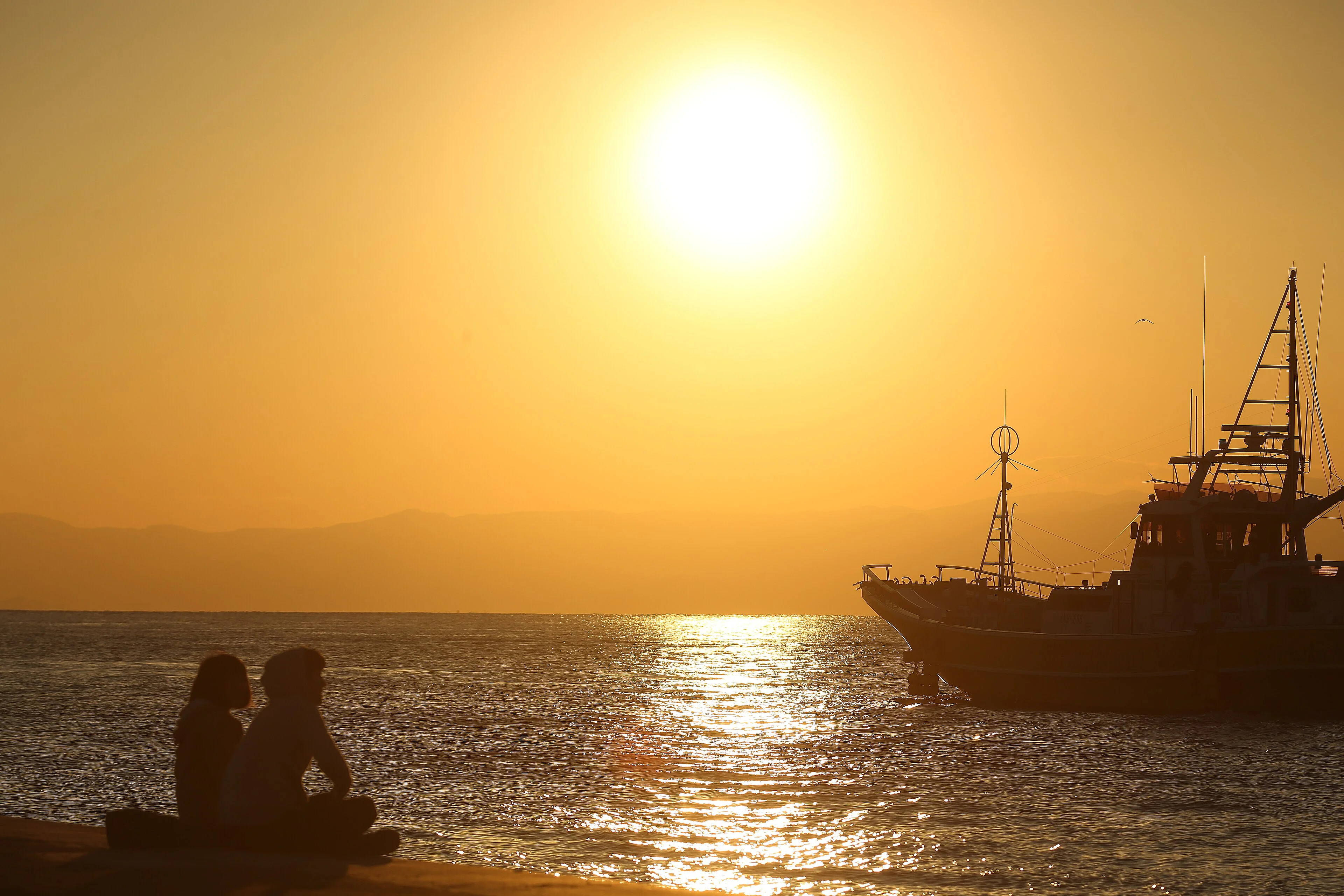
About an hour from Shinjuku, you will find a town that smells of salt water and wax-covered surfboards. Fujisawa stretches between wooded hills and the shoreline, framed by the backdrop of Mount Fuji peeking through the clouds on clear days. This is where Tokyo residents come to catch their breath on weekends without necessarily making a big deal out of it.
A destination made for you?
If you dream of catching a wave an hour's train ride from the capital, exploring shrines perched on rocky islands, and enjoying a more relaxed vibe than the capital, Fujisawa hits the mark. It also serves as a great home base for exploring Kamakura or Enoshima without having to sleep in the Tokyo commotion.
On the flip side, if you are looking for urban frenzy, skyscrapers, and loud nightlife, you will be disappointed. Fujisawa is a beachside suburb that is pleasant enough, though it lacks major jaw-dropping monuments right in its center.
Great for:
- Surf and beach lovers located just a stone's throw from Tokyo
- Travelers who want a quiet base to visit Kamakura and Enoshima
- Families looking for a slower pace than the city center
Not ideal for:
- Those wanting intense nightlife
- Fans of major museums or monumental heritage
- Very short trips with no time to venture off the beaten path
Reasonable pricing by Japanese standards
Fujisawa is not an expensive city compared to central Tokyo. Lodging and dining costs remain controlled, especially outside the peak beach season.
| Expense | Range |
|---|---|
| Night in a hostel or capsule hotel | $29 to $53* |
| Night in a comfortable hotel | $82 to $151* |
| Quick bite (izakaya, ramen) | $7 to $14* |
| Sit-down restaurant meal | $18 to $35* |
| Transport and activities per day | $12 to $24* |
Estimated rates subject to change
Practical realities to know before you go
The city is completely safe, just like almost all of Japan. The distances between points of interest, such as Fujisawa Station, Enoshima, and Katase Beach, are easily covered on foot or by local train.
The language barrier can come into play outside tourist areas, with very few English signs in small residential streets. Having a translation app handy makes chatting with local shopkeepers much smoother.
The core of the Fujisawa experience
Enoshima, the sacred island facing the ocean
Connected to the mainland by a pedestrian bridge, Enoshima holds the bulk of the region's tourist appeal. Visitors climb up to the Enoshima Jinja shrine dedicated to the goddess of the sea and fortune, then head down toward the marine caves of Iwaya carved out by the waves over the centuries.
The summit offers wide views over Sagami Bay and, on clear days, Mount Fuji dominating the horizon.
Friendly tip: Walk up to the shrine instead of taking the paid escalator. The path winds between small shops and shrines, and that is where the island truly shows its character.
Katase and Shonan, the birthplace of Japanese surf culture
Katase Beach, right at the foot of Enoshima, is one of the historic surfing spots in Japan. The atmosphere is laid-back, featuring surfboards lined up against walls and wooden cafes that channel a distinct Southern California vibe.
The Shonan region, which includes Fujisawa, has cultivated a surf identity distinct from the rest of the country since the 1960s. Surf schools offer beginner lessons, often bundled with equipment rentals on-site.
Old Fujisawa and its quiet temples
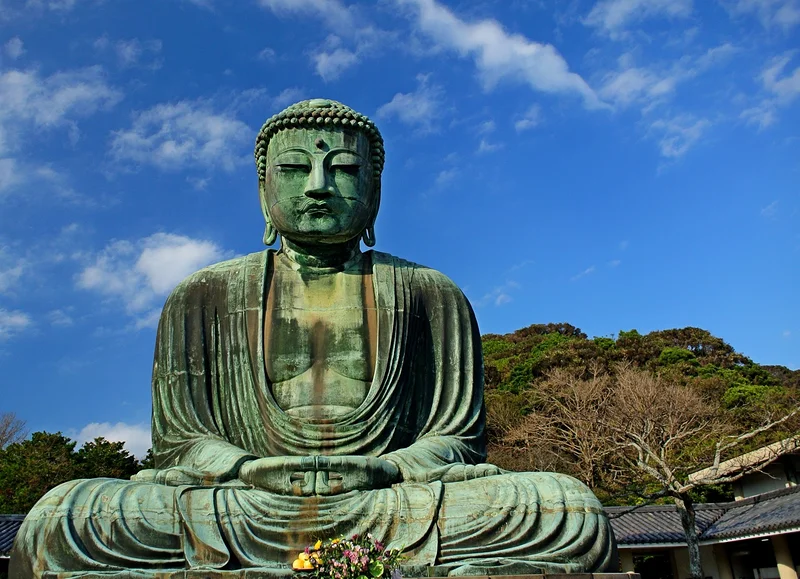
In Katase, a few minutes from the Enoden line, stands Ryukoji, a Buddhist temple tied to a dramatic episode in the life of the preacher Nichiren, who reportedly escaped execution there. The spot receives very few foreign tourists, making for a much more contemplative visit.
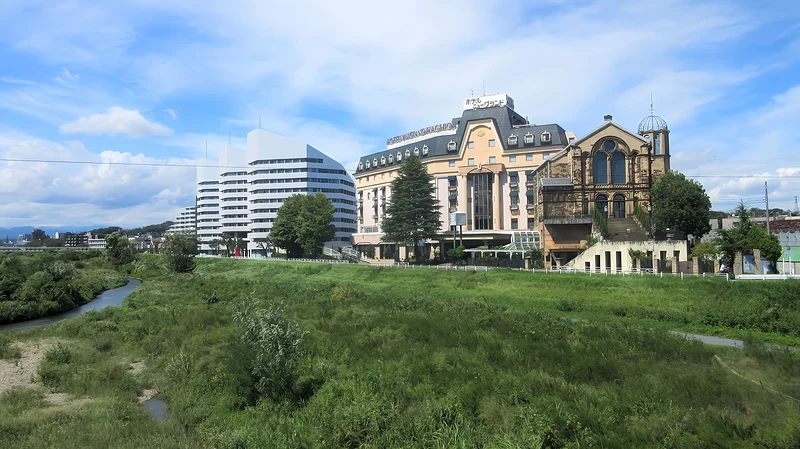
The areas surrounding Fujisawa Station mix neighborhood shops and unpretentious restaurants, far from the rushing crowds of Tokyo's major thoroughfares.
Where to eat and drink in Fujisawa
The local specialty you cannot miss is shirasu, tiny translucent whitebait caught in Sagami Bay, served raw over rice in a donburi or fried as tempura at restaurants near Enoshima.
The izakayas around the station serve simple, hearty food, while the cafes in Katase lean into the beachy ambiance with smoothies and sandwiches for surfers between sessions.
Where to stay in Fujisawa and the surrounding area
The neighborhood around Fujisawa Station holds most of the hotel options, which is convenient for train connections to Tokyo, Kamakura, or Enoshima. Accommodations closer to the coast in Katase or Enoshima proper offer more of a vacation feel, though prices often climb higher during the summer months.
How to get to Fujisawa
From Haneda Airport, expect about an hour-long train ride with one transfer. From Narita, plan for an hour and a half to two hours. There are no direct flights from North America to a local airport, so you will reach Fujisawa via Tokyo, usually catching an express train from Shinjuku or Shinagawa stations.
How to get around Fujisawa
The local rail network, notably the Enoden line, serves Fujisawa, Enoshima, and Kamakura efficiently. This picturesque little train line even runs right past residential houses in some neighborhoods, making the ride an experience in itself.
For shorter trips, walking remains the best option on Enoshima itself, where the streets are narrow and steep. Rental bikes are also popular near the coast.
When to go to Fujisawa
Spring from April to May and autumn from October to November bring mild weather ideal for walking and viewing Mount Fuji. Summer draws crowds to the beaches alongside a heavy, humid heat. Avoid the rainy season from mid-June to mid-July, when downpours can disrupt outdoor outings.