
Visiting Hakone, at the foot of Mount Fuji
Located near Tokyo, the Hakone region is a popular destination known for its natural setting, hot springs, and views of Mount Fuji. Its peaceful atmosphere and many cultural sites make it an ideal stop for travelers looking to experience a more rural and authentic side of Japan.
Lake Ashi and panoramic views of Mount Fuji
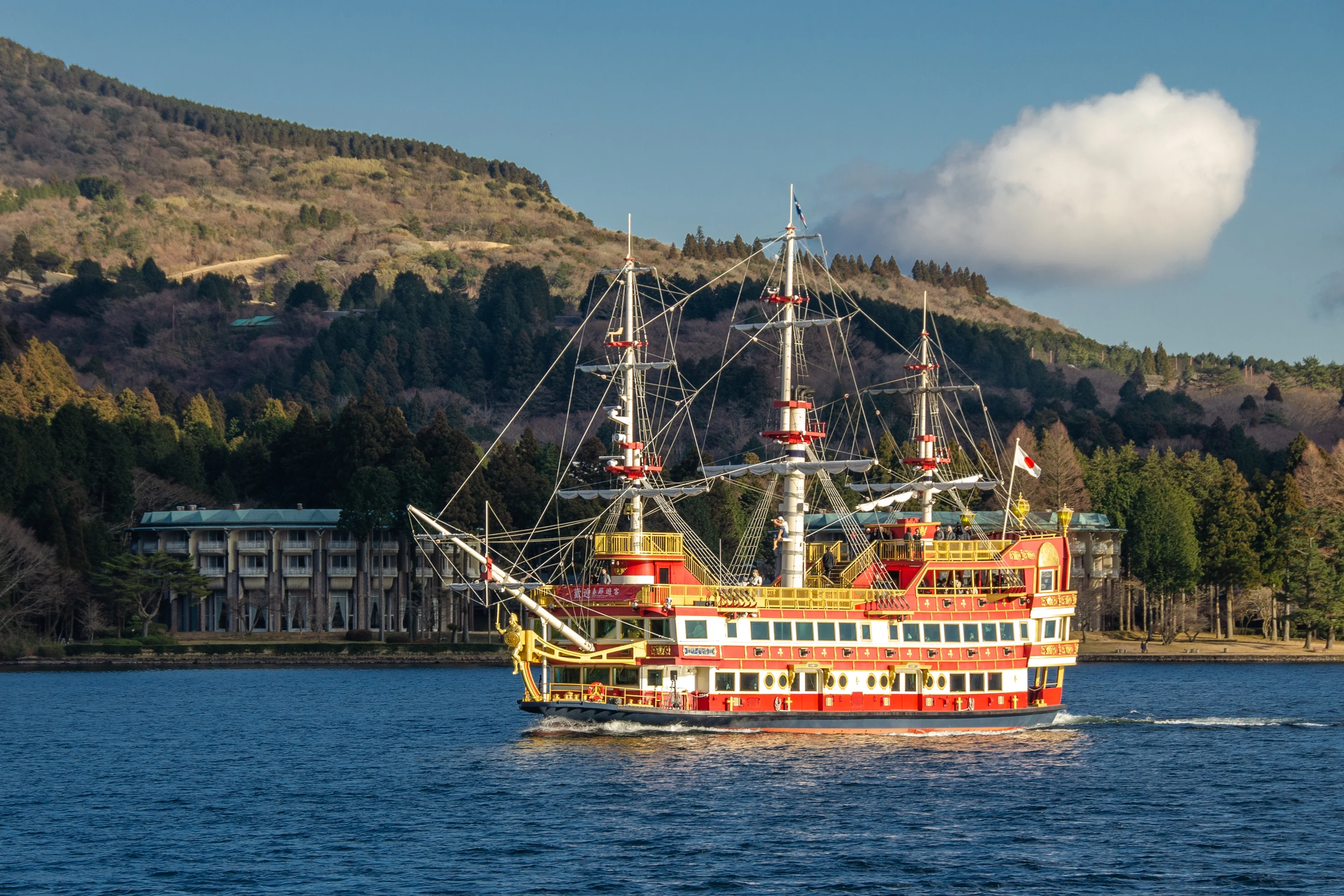
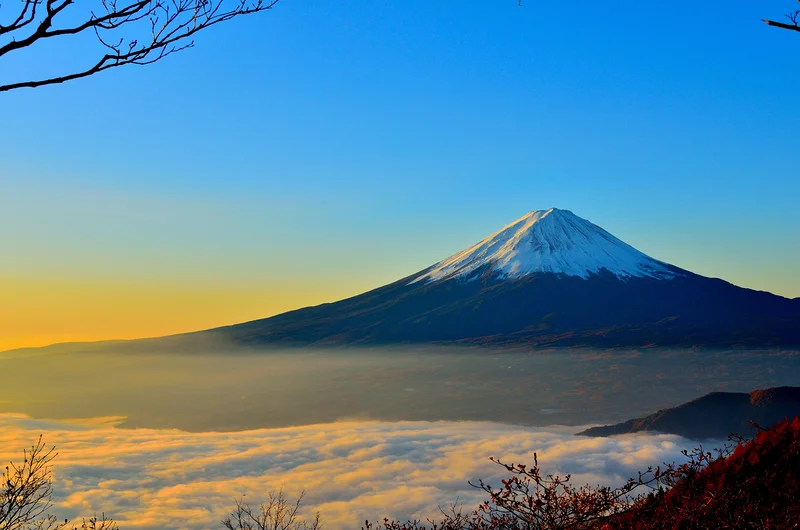
Lake Ashi is one of the signature sights of Hakone. On a clear day, it offers a dramatic view of Mount Fuji reflected in its calm waters. You can cruise across the lake aboard boats styled after pirate galleons, a unique way to take in the scenery. On the shore, the Hakone Shrine, tucked into the forest, is reached through an iconic floating torii gate.
Hakone's hot springs
The town is famous for its onsen, traditional Japanese hot spring baths. Visitors can soak in mineral-rich thermal waters known for their relaxing properties at traditional inns or hotels featuring private baths. Among the most well-known, Hakone Yuryo offers a rustic setting surrounded by nature, while Tenzan Onsen features several outdoor pools nestled among rocks and greenery.
The volcanic valleys and fumaroles of Owakudani
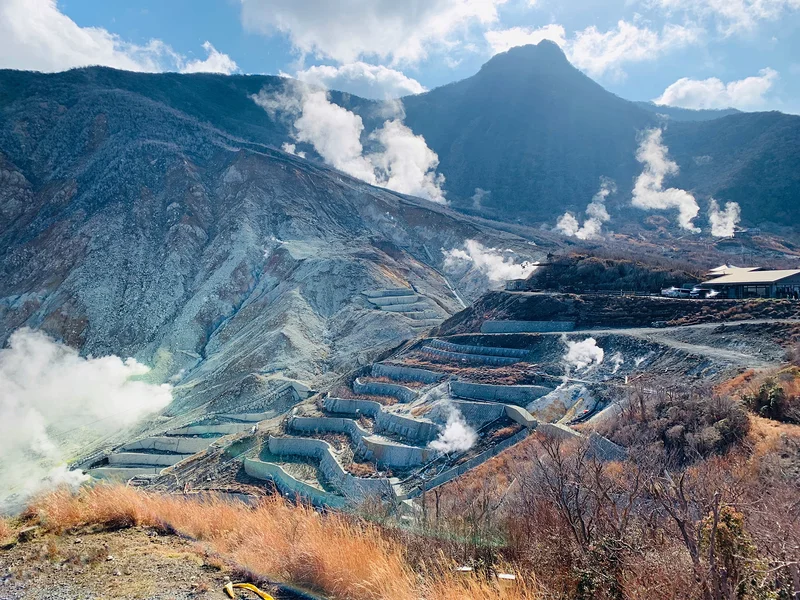
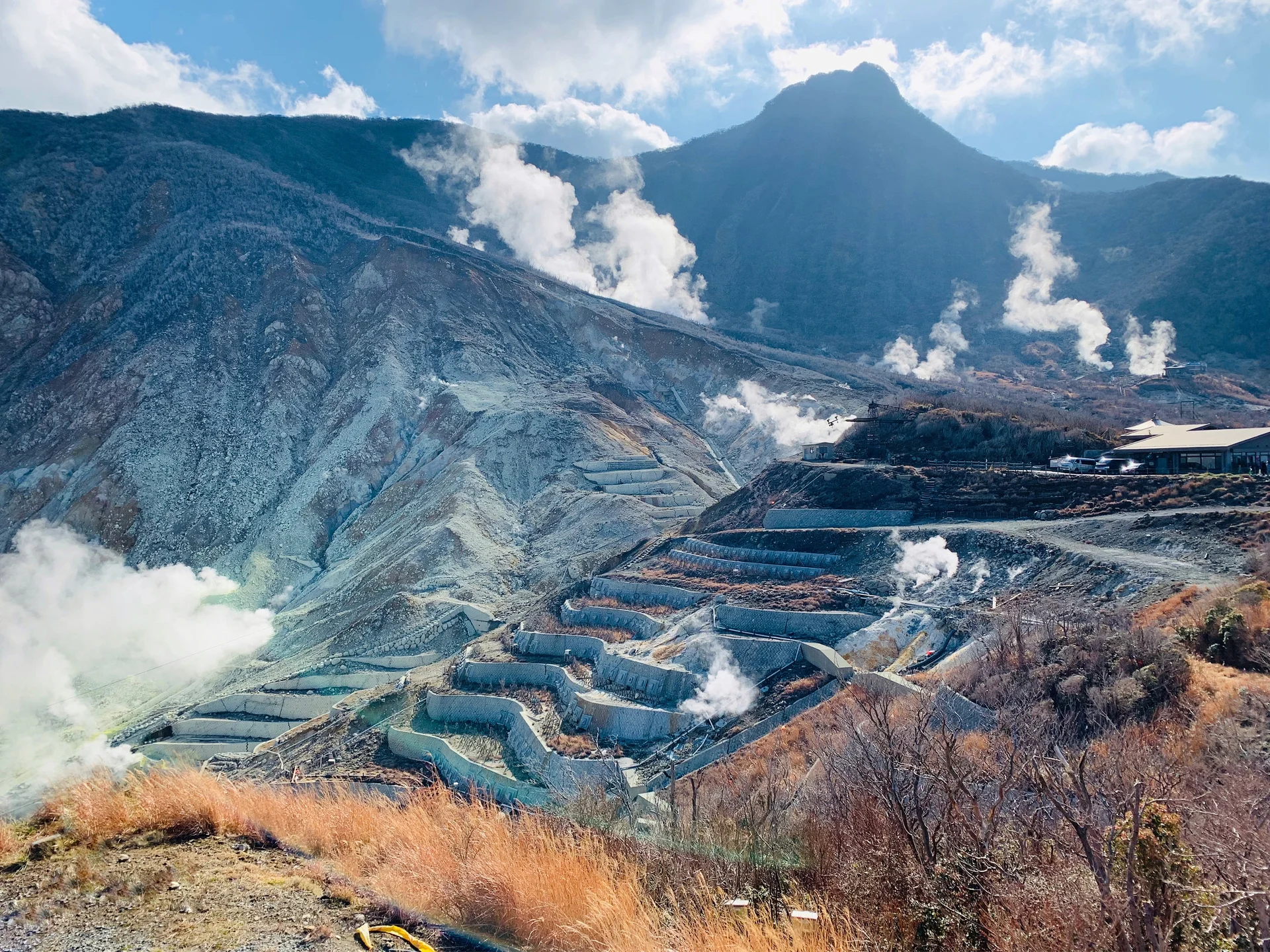
The site of Owakudani is a striking reminder of the region's volcanic activity. This sulfur valley is crisscrossed by smoking fumaroles and natural hot springs. You get there via the Hakone Ropeway, which provides sweeping views of the surrounding landscape. A local specialty here is the black egg, boiled in the sulfurous waters and said to grant longevity.
The museums of Hakone
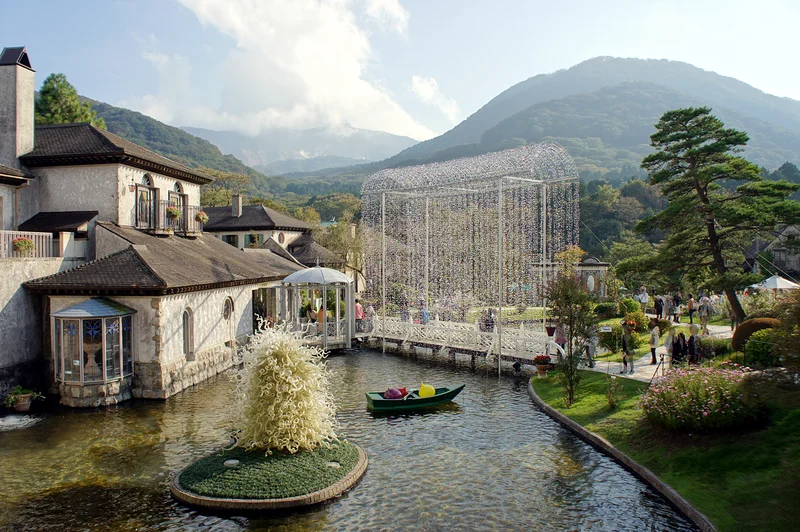
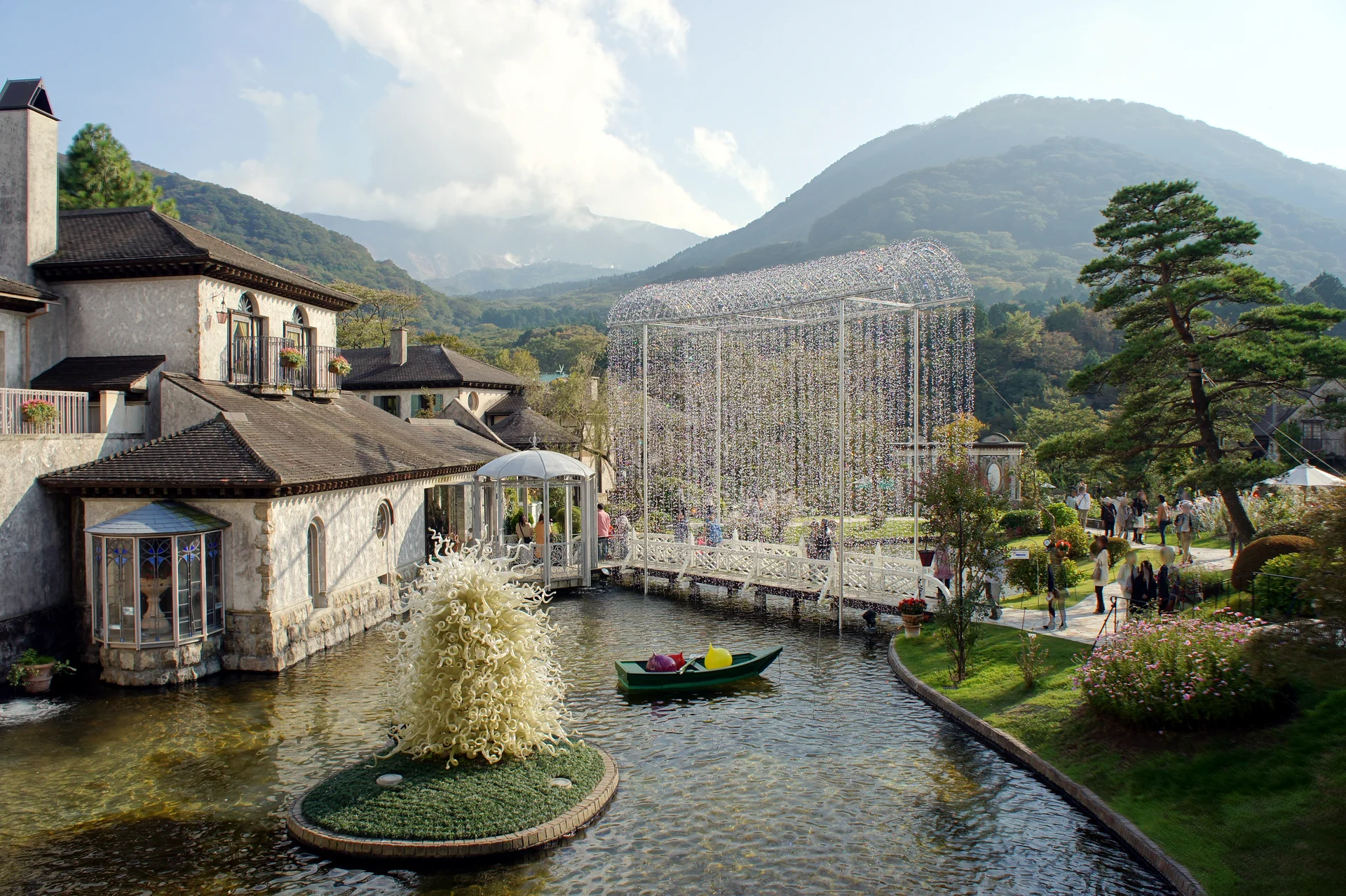
Despite its modest size, Hakone is home to several notable museums. The Hakone Open-Air Museum displays contemporary sculptures in an exceptional natural setting. Meanwhile, the Pola Museum of Art houses a fine collection of European and Japanese art, including works by Monet and Renoir.
Unique flavors, bridging tradition and curiosity
The most iconic culinary specialty is undoubtedly the Owakudani black egg, cooked in sulfur steam. For something more traditional, yuba, the delicate skin that forms on top of boiling soy milk, is often served at ryokan inns. Hakone is also known for its soba, buckwheat noodles made using the region's pure spring water.
Where to eat?
- Hatsuhana Soba (Hakone-Yumoto): renowned for handmade soba noodles.
- Amazake Chaya (Hakonemachi): a traditional tea house serving warm amazake.
- Gora Brewery & Grill (Gora): a fusion restaurant featuring craft beers and Japanese grilled dishes.
When to go?
Hakone can be visited year-round, but the best times are spring (March to May) for cherry blossoms and autumn (October to November) for the vibrant foliage of the maple trees. In winter, outdoor hot spring baths are particularly enjoyable.
How to get there?
From Tokyo, the Odakyu line Romancecar train gets you to Hakone-Yumoto in 1 hour and 30 minutes for about $21*. You can also take a JR train to Odawara and transfer to the Hakone Tozan train. A transit pass, the Hakone Free Pass, makes getting around much easier.
How to get around?
The Hakone Free Pass covers all regional transportation: buses, cable cars, trains, and boats. Taxis are available but expensive, while walking remains the best way to explore the natural sites.
Ah Evangelion, un monument de l'animation japonaise... à l'histoire birn compliquée à comprendre !