
Fujikawaguchiko: At the foot of the sleeping giant
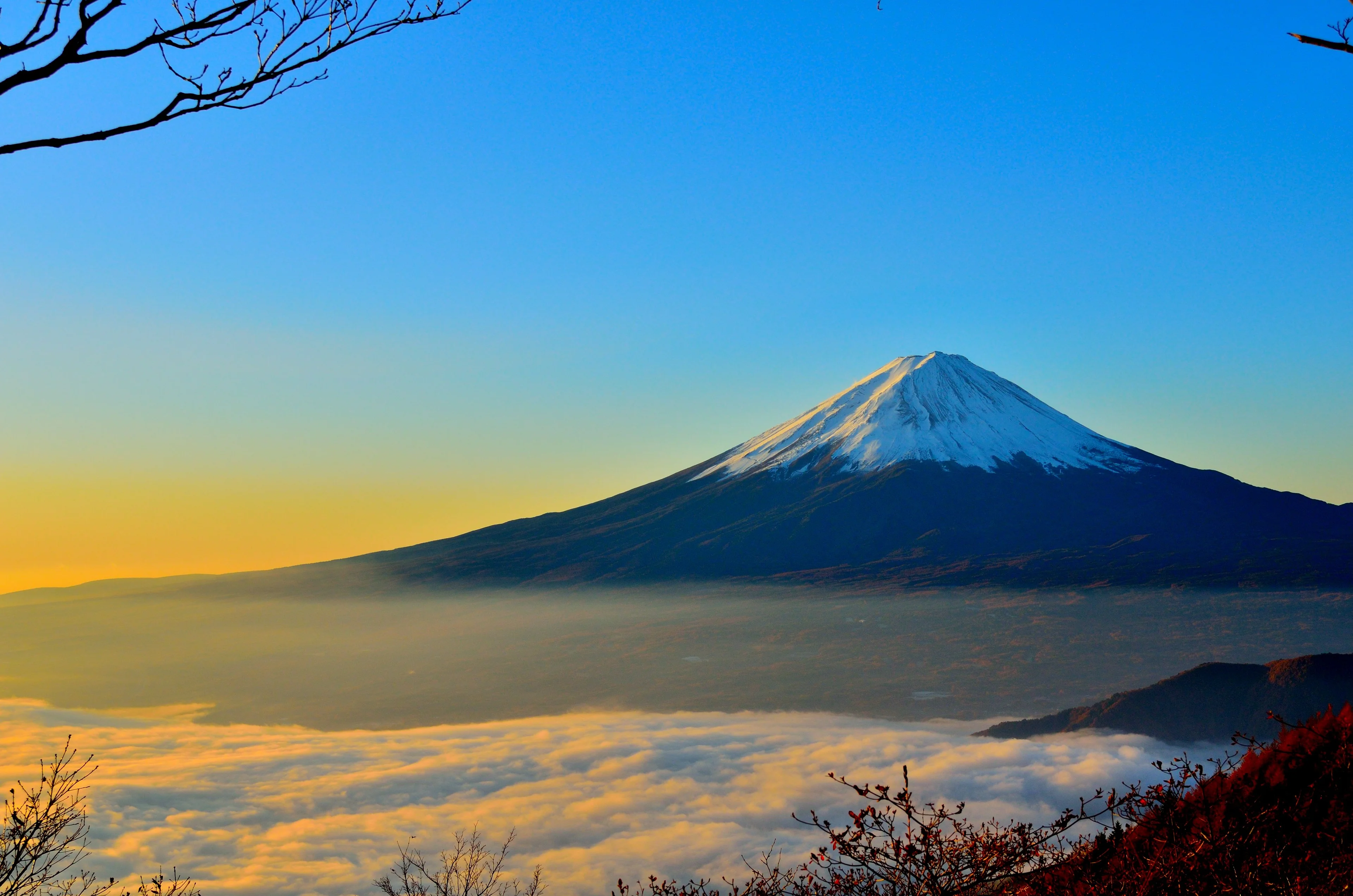
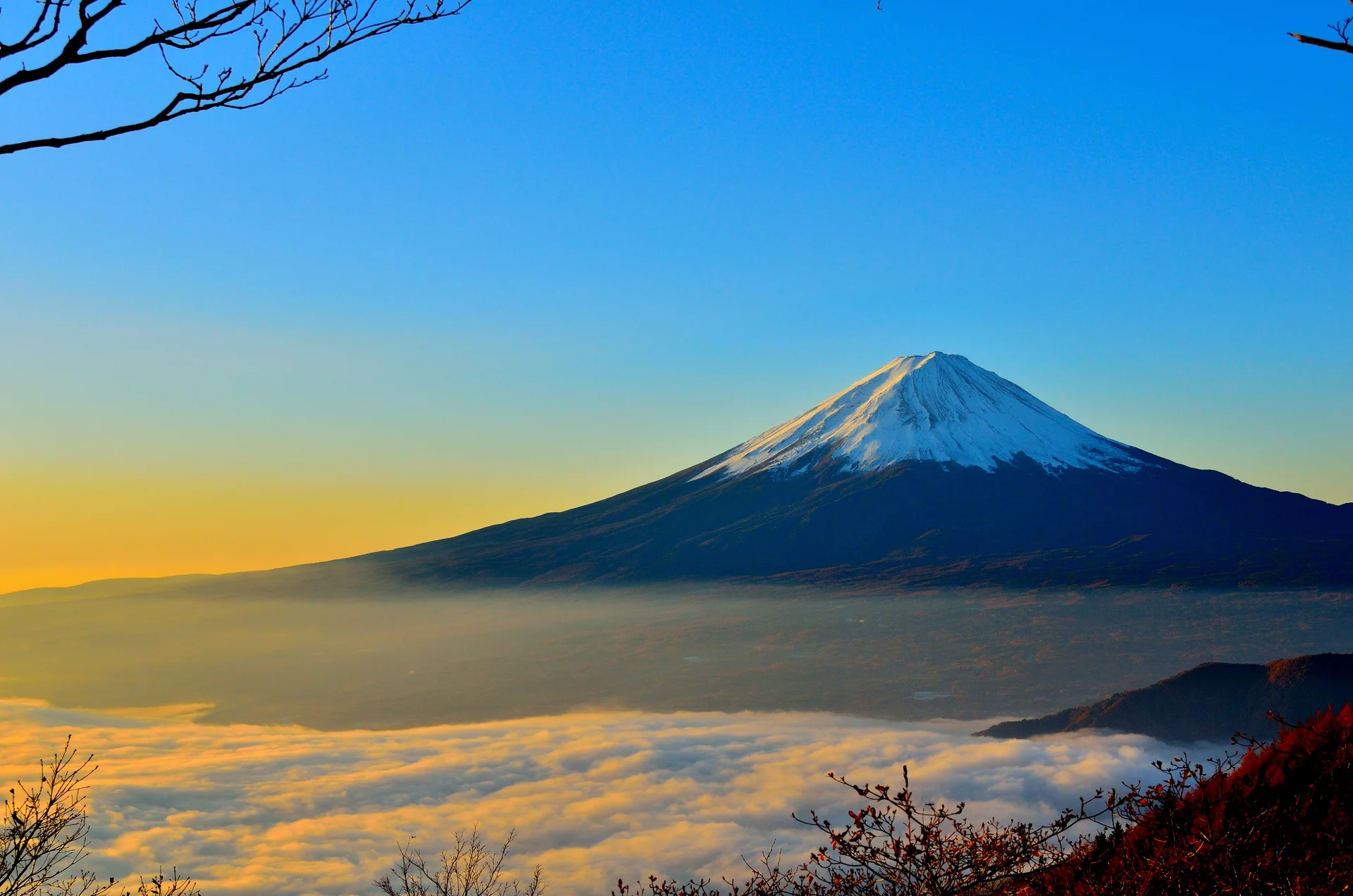
The flawless reflection of Mount Fuji on the lake surface, a suspended moment at 7:00 AM before the clouds swallow the peak.
You have seen this image a thousand times. But feeling it, breathing it, the crisp air heavy with moisture, the silence broken only by the gentle splash of a paddle in the distance, that cannot be explained, it has to be experienced. Fujikawaguchiko is not just a quick tourist stop in Japan: it is a slow communion with the archipelago's most sacred mountain.
A contemplative retreat, not an extreme adventure
If you are looking for an adrenaline rush or a late night out, go celebrate elsewhere. Fujikawaguchiko is for souls who want to slow down: lovers of grand landscapes, couples searching for romantic ryokans with private baths, and families wanting to introduce their kids to Japanese beauty. Photographers will find their paradise here, provided they wake up early: after 9:00 AM, the summit often plays hide-and-seek.
The pace here is contemplative. You bike around the lake, sip tea facing the mountain, and slip into a steaming onsen at dusk. Impatient travelers will get bored quickly. Anyone running from crowds will be disappointed during peak season (April and November), when tour buses unload waves of visitors.
A mid-range budget for Japan
Plan for between $113 and $230* per day per person for a comfortable stay: one night in a ryokan with half-board (starting at $169* for a double room), a bowl of hoto noodles around $12-$17*, and local transport covered by a sightseeing bus pass. Luxury accommodations with a private onsen and a Fuji view can run up to $450* a night.
Chasing Fuji: The essential viewpoints
The shores of Lake Kawaguchiko offer your absolute best shots of the sacred mountain. The north shore delivers the clearest views, especially at sunrise. Oishi Park, blanketed in lavender in the summer and cosmos in the autumn, makes an ideal foreground for framing the giant.
To get some elevation, the Mount Kachi-Kachi Ropeway hoists you to 1,075 meters in a few minutes. The observation platform delivers a striking perspective over the lake and Fuji. A giant tanuki statue greets you at the top, a nod to local folklore.
Friendly tip: arrive before 8:30 AM at the ropeway to dodge the tour group rush and enjoy generally clearer skies.
Chureito Pagoda
A few miles from Fujikawaguchiko, the Chureito Pagoda provides one of Japan's most photographed views. After climbing the 400 steps of the Arakurayama Sengen shrine, the panorama of the red pagoda backed by Fuji is breathtaking, especially during the cherry blossom season in April or when the maple trees turn blazing red in November.
Museums and culture: The other side of the region
The Kubota Itchiku Art Museum, holding three stars in the Michelin Guide, is worth the trip all by itself. This artist dedicated his life to reviving Tsujigahana, an ancestral 14th-century kimono-dyeing technique. His masterwork, The Symphony of Light, displays 36 kimonos illustrating the Japanese seasons: an unfinished yet deeply moving body of work.
Nearby, the Kawaguchiko Music Forest surprises visitors with its Central European atmosphere transplanted to the foot of Fuji. This museum houses a collection of mechanical organs and antique music boxes, including a 5-meter-tall French organ from 1905. The fairytale gardens offer a picturesque backdrop for a photo break.
Friendly tip: the Red Line tourist bus pass covers all these sights. Buy it at the Kawaguchiko station for about 1,500 yen for the day.
The lake and water activities
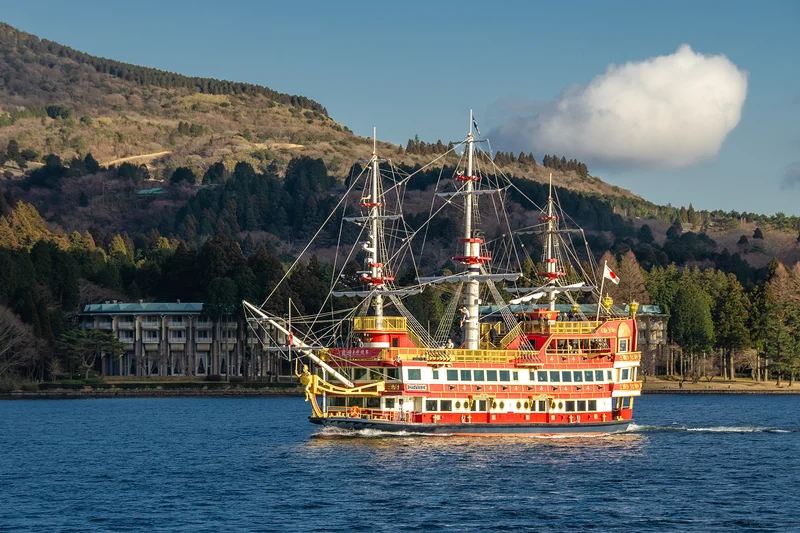
Lake Kawaguchiko, spanning 6 square kilometers, invites you to take your time. Cycling along the north shore is the quintessential activity: figure 2 to 3 hours for the full loop, with photo stops at every turn. More contemplative visitors can opt for a boat cruise or a dawn canoe outing, when Fuji's reflection paints the still water.
In autumn, the Momiji Corridor turns the north shore into a fiery leaf tunnel. The Fujikawaguchiko Autumn Leaves Festival, held every November, brings the banks to life with food stalls and evening illuminations.
Friendly tip: renting an e-bike (about 1,500 yen a day) is a game-changer if you plan to explore multiple lakes, as the inclines can be sneaky.
Where to eat and drink in Fujikawaguchiko?
The undisputed star of local menus is hoto: thick, flat noodles simmered in a miso broth with pumpkin, mushrooms, and seasonal vegetables. This rustic dish, said to be a favorite of warlord Takeda Shingen before his battles, warms the soul after a day by the lake. Hoto Fudo, with its seven locations around the lake, is the go-to spot, and the cloud-shaped restaurant near the art museum is worth the detour.
Noodle lovers can also try Yoshida Udon, which is firmer and chewier, sometimes served with horse meat. For adventurous palates, basashi (horse sashimi) is a Yamanashi Prefecture specialty. For sweets, local apple pastries and Shingen Mochi (mochi dusted with toasted soybean flour) make great souvenirs.
How to get to and around Fujikawaguchiko?
From Tokyo, the express bus is the most practical choice: figure about 2 hours from the Shinjuku highway bus terminal (Busta terminal) for 2,200 yen one way. By train, you will need to transfer at Otsuki on the Fujikyu line, which pushes the trip to around 2.5 hours.
Once you arrive, the sightseeing bus network (Red, Green, and Blue lines) connects every major spot around the lakes. A day pass costs between 1,500 and 2,500 yen depending on the zones covered. Renting a car gives you more freedom to explore the five lakes, though parking can get tricky during peak season.
When to go?
Two magic windows stand out: early April for cherry blossoms around the Chureito Pagoda, and mid-November for the blazing maples of the Momiji Corridor. Summer allows you to hike Mount Fuji from the 5th station (accessible by bus), but the heat and humidity can be grueling. Winter delivers the clearest skies for viewing snow-capped Fuji, though temperatures drop below freezing.
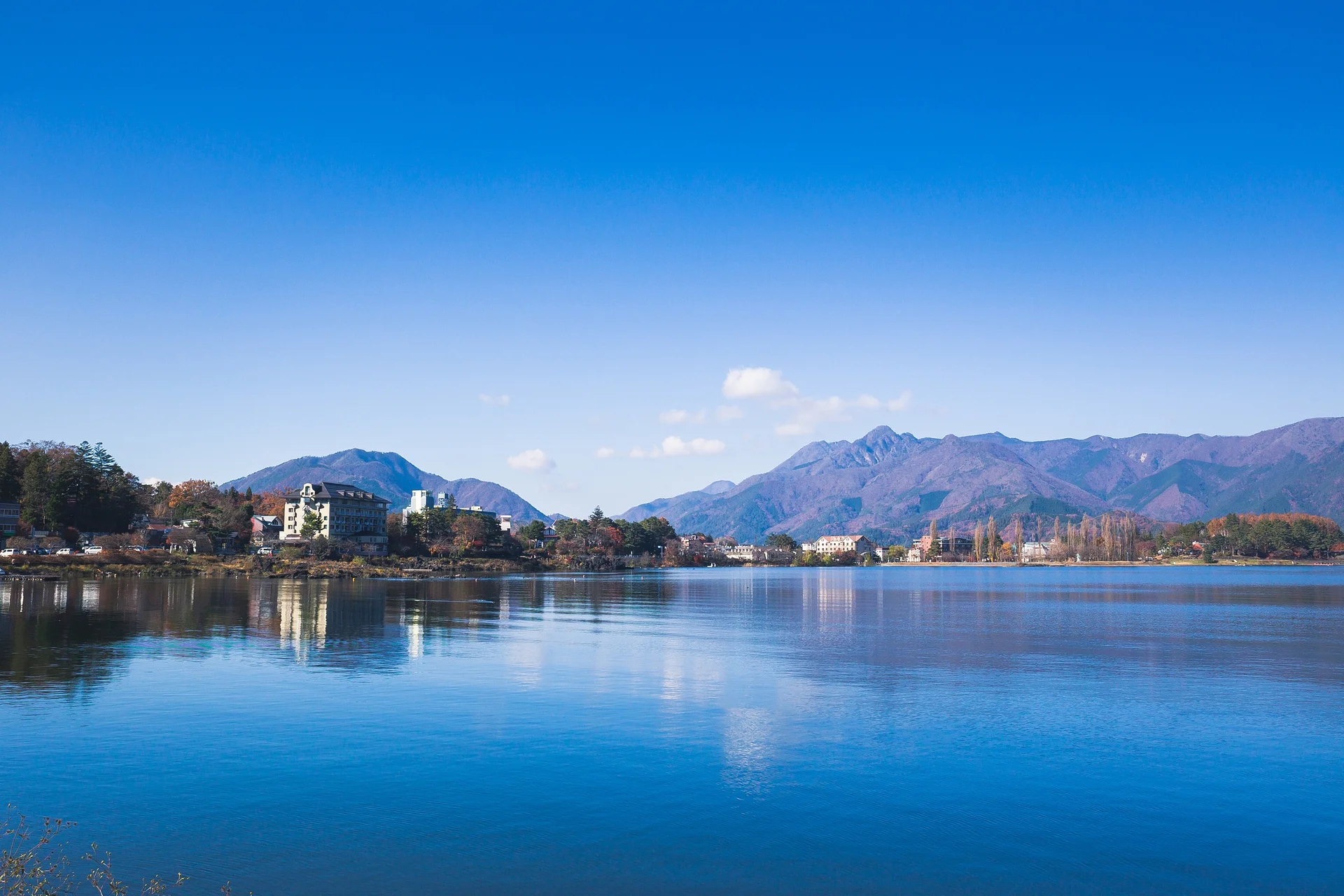
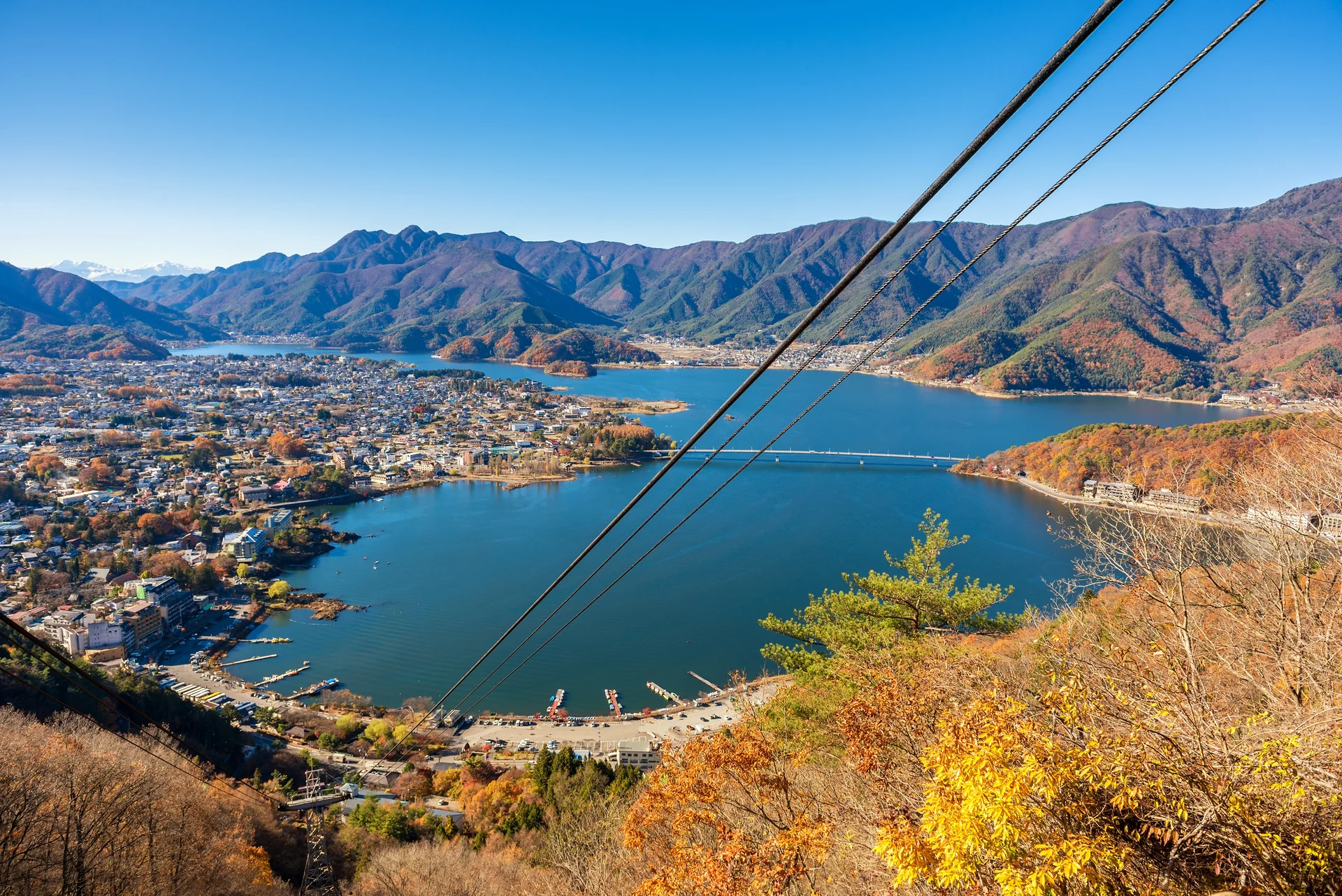
I really loved this one-night getaway to Fujikawaguchiko. You run into hikers, families, and young people, it is very nice. The crowded bus station has a youth hostel vibe. You can do the round trip by train from Tokyo, but I recommend staying overnight to admire (if the weather permits) Mount Fuji while exploring the village and enjoying the lake. A nighttime picnic facing the mountain, where you can see the tiny lights of climbers waiting for the sunrise once they reach the top, remains one of the most beautiful moments of my trip to Japan. Since the town is surrounded by forests and lakes, I highly recommend staying for a bit, taking the cable car up the mountain, and going for a pedal boat ride on the lake, the view of Fuji-san is spectacular.