
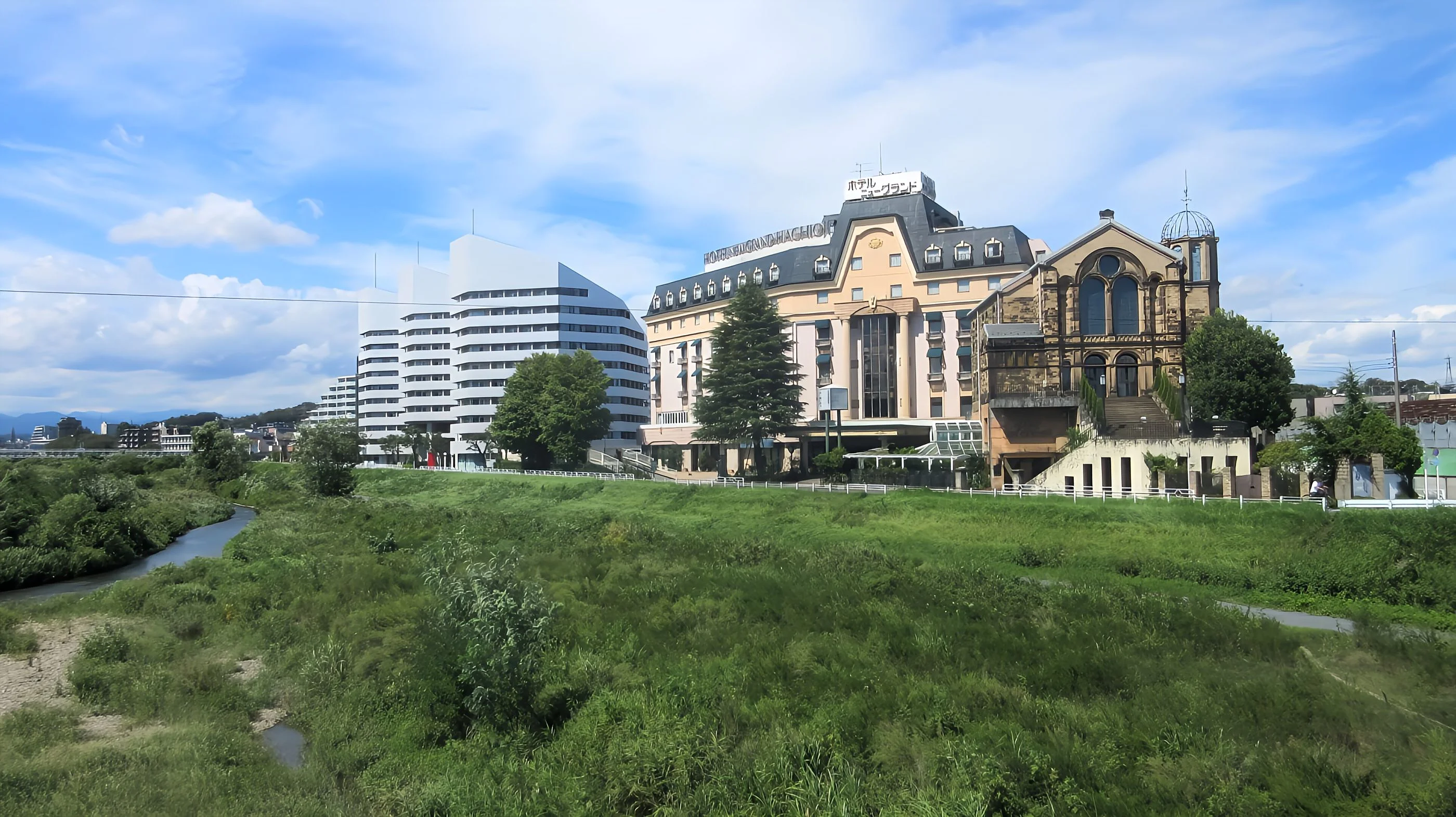
Hachioji, the other side of Tokyo
It is 6:30 AM at Takaosanguchi Station. The first wave of hikers steps off the train, green tea thermoses in hand, looking to scale Mount Takao before the crowds arrive. In a few hours, this sacred mountain where ascetics still practice meditation will be packed with thousands of Tokyoites searching for a patch of green. Welcome to Hachioji, a city of 550,000 residents that most guidebooks treat as little more than a trailhead.
Is this for you?
Let's be clear. If you are looking for the neon lights of Shinjuku or the high-energy chaos of Shibuya, keep moving. Hachioji caters to travelers who want to slow down, hike, eat locally, and see a less polished side of Japan. The city appeals to hikers of all skill levels with its accessible trails, while history buffs will appreciate the ruins of its feudal castle and its heritage as a former silk capital.
This old post town on the Kōshū Kaidō road still hosts an active geisha district, which is a rarity in Japan. That said, if you only have one day in Tokyo and have yet to see the major landmarks, push Hachioji to your next trip. The city deserves a full day, or even two for those who like to wander.
A reasonable budget for the Tokyo area
Expect to spend between 3,000 and 5,000 JPY per day excluding lodging. A train from Shinjuku costs 430 JPY, the Mount Takao funicular is 980 JPY round-trip, and a bowl of Hachioji ramen runs around 900 JPY. Accommodations are more wallet-friendly than central Tokyo, with hotel rooms starting at 7,000 JPY.
Mount Takao, mountain of spirits
At 599 meters (1,965 feet) tall and holding three stars in the Michelin Guide, Mount Takao draws nearly three million visitors annually. Don't let that number scare you off. The secret is in the timing and your choice of trail.
Most visitors stick to Trail 1, a wide paved path that hits every tourist stop. Expect weekend gridlock there. Opt for trails 3 or 6 instead, which are less crowded and feel more immersive. Trail 6 follows a stream where you step on stone crossings, providing a nice cooling effect in summer. Trail 4 features a suspension bridge and forests of katsura trees that give off a caramel scent during the autumn.
Friendly tip: The Takaosan Kippu from the Keio line combines a round-trip train and funicular ride for 1,450 JPY from Shinjuku. For the hot spring and a meal, take the Takaosan Yuttari Kippu at 3,480 JPY.
Halfway up stands Yakuō-in Temple, founded in 744 by order of Emperor Shōmu. This Shingon Buddhist temple blends Buddhist and Shinto elements in architecture with bright colors that contrast with the typical somber tones of Japanese temples. Everywhere you look, statues of tengu stand guard. These mythical creatures with long noses or crow beaks have protected the mountain for centuries. Devotees come here to pray for success on exams or recovery from illness.
The lost castle and the city of silk
Hachioji gets its name from Hachioji Castle, a fortress built between 1582 and 1587 by the Hōjō clan. The history here is grim. In 1590, the troops of Toyotomi Hideyoshi stormed the citadel. The women and children hiding in the keep threw themselves into the nearby waterfall rather than face defeat. Legend says the water stayed red for three days.
Ranked among the 100 most beautiful castles in Japan, these ruins are worth the detour for their unique atmosphere. The stone walls and restored gate provide a sense of the fortress's former scale. It is a one-hour hike to reach the summit, where the Hachiōji Gongen shrine sits.
After the fall of the castle, Hachioji became a major silk production center. The town was nicknamed Sōto, or "City of the Mulberry," because the leaves of that tree fed the silkworms. The industry thrived until the early 20th century, with raw silk being shipped through the port of Yokohama for export. The Kinu no Michi trail, an old silk merchant route, can still be hiked through the forest today.
Ending the day right
You cannot leave Hachioji without trying Hachioji ramen. This local specialty, born in 1959, stands out for three things: a soy sauce-based broth, a layer of pork fat on top, and a generous portion of finely chopped onions. The fat softens the bite of the raw onions and releases their natural sweetness. The Goemon restaurant, near Nishi-Hachioji Station, draws lines for a reason.
After your hike, head to the Keio Takaosan Onsen Gokurakuyu, a hot spring facility directly connected to Takaosanguchi Station. Water pulled from 1,000 meters underground feeds both indoor and outdoor baths. The carbonated bath leaves micro-bubbles on your skin, which feels strange but relaxing. Avoid the weekends if you can, as the crowds can ruin the experience. Admission is 1,100 JPY on weekdays and 1,300 JPY on weekends.
Where to eat and drink in Hachioji?
The culinary scene in Hachioji revolves around local produce. The region grows highly regarded vegetables, especially burdock root, which shows up in many dishes. On the slopes of Mount Takao, stalls serve tororo soba, buckwheat noodles topped with grated yam, meant to give hikers a boost of energy.
For ramen, try Binbintei near the JR station or Takao no Sakura inside the iias Takao shopping mall. Tenguyaki, small pancakes filled with red bean paste and shaped like a tengu mask, make a great snack during the climb. In the evening, the area around Hachioji Station offers izakayas where you can try ayu fish grilled on a skewer, a specialty of the nearby Akigawa Valley.
Where to stay in Hachioji and the surrounding area?
There are two main options depending on your schedule. If you want to be at the foot of Mount Takao for an early start, the Takao Forest Hotel offers activities like pottery and guided hikes. For more convenience and a better selection of restaurants, set up base near the central Hachioji station. The Keio Plaza Hotel Hachioji offers the comfort of a large chain, while the APA Hotel Hachioji-eki Kita is affordable and functional.
About twenty properties are scattered throughout the city, ranging from business hotels to more traditional ryokans. Prices remain 20 to 30 percent lower than in central Tokyo for comparable comfort.
How to get to and around Hachioji?
From Shinjuku, the Keio line reaches Takaosanguchi Station in 50 minutes for 430 JPY. It is a direct, convenient train ride. If you have a JR Pass, take the JR Chuo line to Takao Station (covered by the pass), then transfer to the Keio line for Takaosanguchi. The central Hachioji station is on the JR Chuo line, a 35-minute express train ride from Shinjuku.
From the airports, count on about two hours from Narita via Tokyo and Shinjuku. From Haneda, it takes about one hour and thirty minutes by combining the Keikyu line and the Keio line. Once you are there, buses serve remote sites like the castle ruins. Mount Takao is obviously meant to be walked, but the funicular and chairlift are practical ways to save your energy.
When to go?
Spring and autumn offer the best conditions. The cherry blossoms on Mount Takao bloom two weeks after those in central Tokyo, typically in mid-April. In November, the maples and ginkgo trees turn shades of red and gold, drawing huge crowds. If you can handle the heat, early August coincides with the Hachioji Festival: 19 Edo-period floats, geisha dances, and 250 food stalls take over the streets for three days. Avoid the November weekends if you hate crowds, as Mount Takao becomes one of the most popular spots in the region for momiji (autumn foliage viewing).
A pretty little town in the Tokyo suburbs. It is very easily accessible (you can get there using the Chuo subway line, so zero hassle on that front). I found a calm, pretty authentic atmosphere. The main attraction is of course Mount Takao (which I recommend). But there are also several quality attractions like the art museum, the castle, the parks...