
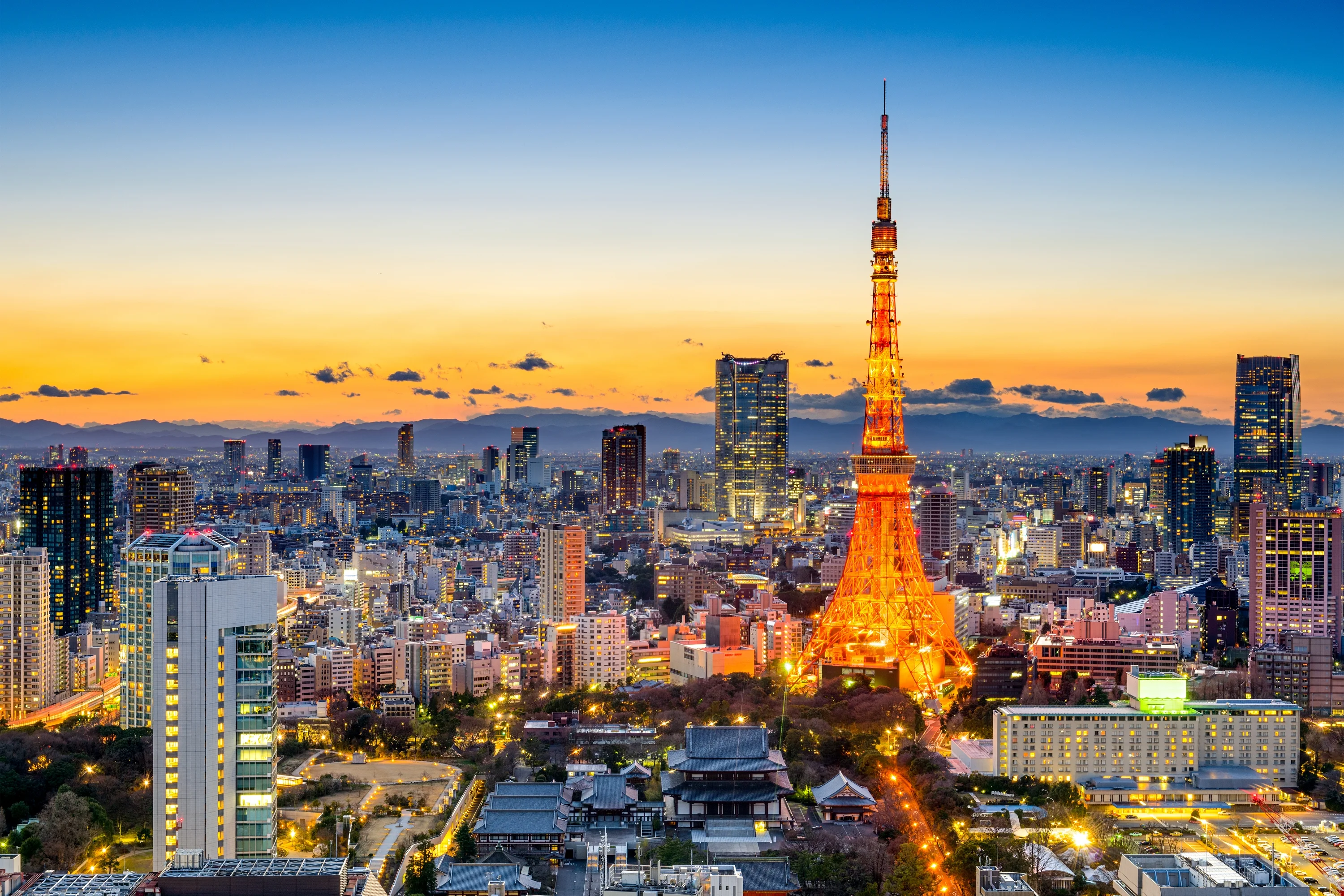
Where to stay in Tokyo: the 5 neighborhoods to know in 2026
Tokyo grew up around its stations. The real question, when you book, is not which neighbourhood but which stop. The Yamanote rail loop ties the main areas together, and you spend a lot of your time here on trains: sleeping five minutes' walk from one of its stops is the best choice you will make.
The five areas in this guide sit on that loop or a few metro minutes from it. Shinjuku and Shibuya for the buzz, Ginza and Tokyo Station for the smart centre, Asakusa and Ueno for quiet and low prices. The business hotel at the foot of a station, the local standard, costs $114 to $210*; in a capsule or a hostel over towards Asakusa, a bed drops to 25.
Aside from Asakusa and Ueno, two relatively quiet neighborhoods, Tokyo is a megalopolis where every trip is an obstacle course.
Compare hotel prices in Tokyo
In a hurry? Find the best accommodation deals in 3 clicks.
Compare live deals from Booking, Expedia, Agoda and other partners.
At a glance: our picks by traveller type
Pick the profile that suits you to head straight to the recommended neighborhood.
The neighborhood map in Tokyo
Get your bearings on the neighborhoods and must-see sights before choosing where to drop your bags. Click a name to jump to its description.
Shinjuku West, on the Yamanote loop
for the buzz and the easiest transport
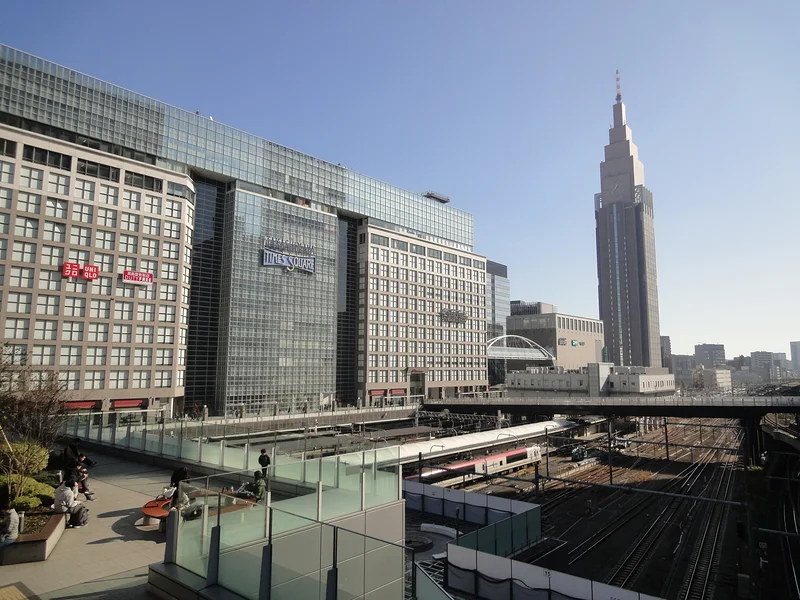
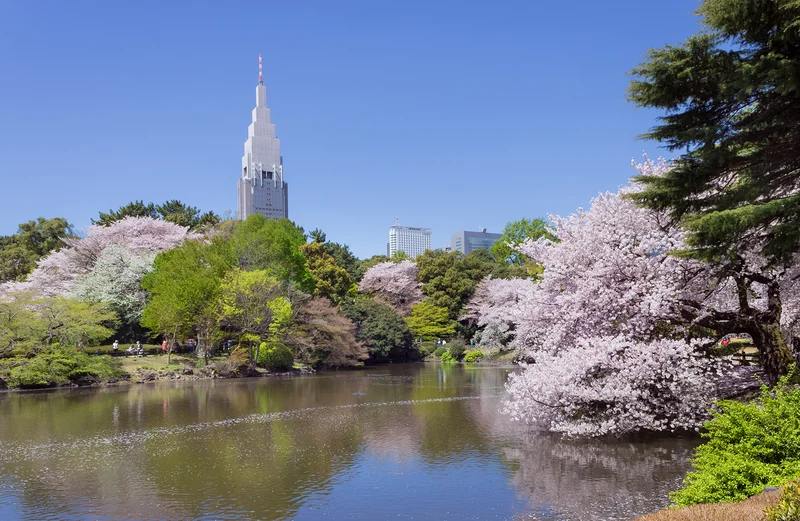
The busiest station in the world, skyscrapers with free observation decks, the neon of Kabukicho and the izakaya alleys of the Golden Gai: this is the Tokyo you picture before you arrive. Everything leaves from here at any hour, night buses and airport trains included. The counterweight is two steps away, in Shinjuku Gyoen park, « A beautiful oasis to forget the hustle and bustle of Tokyo. » for FloraC. The downside is the one you would expect: it is dense, it is loud, and the edges of Kabukicho stay busy well into the night.
What to see & do in the neighborhood
Where to stay in this neighborhood
Park Hyatt Tokyo Luxury
The hotel from 'Lost in Translation', high atop a Nishi-Shinjuku tower. A pool under glass, views of Mount Fuji on a clear day, and a shuttle down to the station.
Hotel Gracery Shinjuku Mid-range
Right in Kabukicho, recognisable by the Godzilla head on its terrace. Comfortable and ultra central: ask for a high floor if you are a light sleeper.
Tokyu Stay Shinjuku Budget
Functional and well kept, with a washing machine in the room and the station a few minutes away. The right call if you are staying a week. (Closed for renovation, reopening late September 2026.)
Pros
- Every line in one place, day and night
- Shinjuku Gyoen to breathe between two visits
Cons
- Dense and noisy
- Kabukicho keeps the nights busy
Shibuya and Harajuku South-west, on the Yamanote loop
for fashion, youth and going out
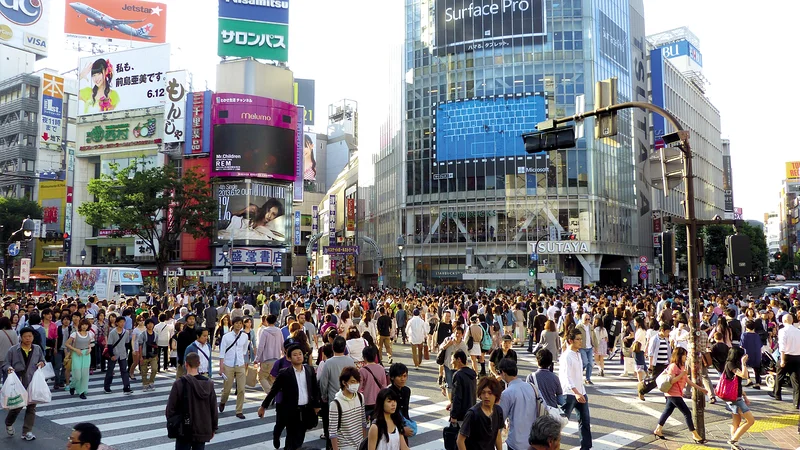
The Shibuya crossing, the shops of Harajuku and the unexpected calm of the Meiji shrine all sit in the same area: this is the Tokyo of fashion and long nights. To sleep well, look closely at what your window faces. Around the Hachiko statue, FloraC warns that it is « not a very quiet spot », and the banks of the Meguro river stay « It is a lively spot that stays very busy until late in the evening. ». One street back from the crossing is often enough to find silence again; the downside is hotels that are expensive and booked up far ahead.
What to see & do in the neighborhood
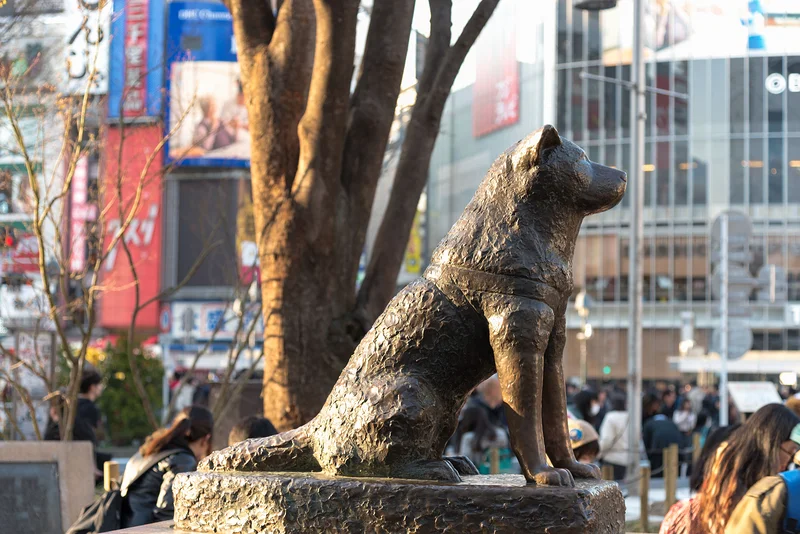
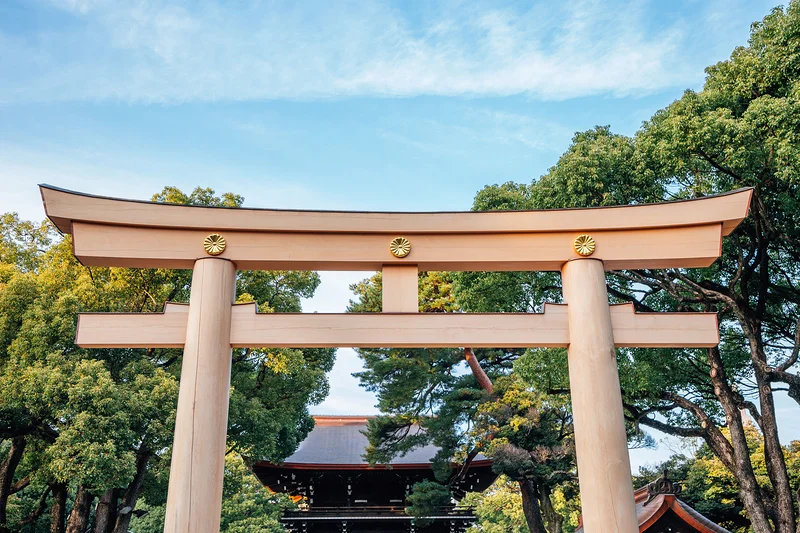
Where to stay in this neighborhood
Cerulean Tower Tokyu Hotel Luxury
High up a tower, five minutes from Shibuya station. Panoramic views, and a calm you do not expect in this district.
Shibuya Excel Hotel Tokyu Mid-range
Above the station, inside Shibuya Mark City: some rooms overlook the crossing. Unbeatable for catching the first train.
Pros
- Fashion, cafés and nightlife at the end of the street
- Two Yamanote stations, Shibuya and Harajuku
Cons
- Constant crowds around the crossing
- Expensive hotels, booked up far ahead
Ginza, Tokyo Station and Marunouchi Central, around Tokyo Station
for a first visit and for staying central
The department stores of Ginza, the red-brick Tokyo Station, the moats of the Imperial Palace and the Tsukiji halls: this is the most central and most elegant part of the city. It is also the only one the Shinkansen leaves from, which matters if you carry on to Kyoto or Hakone. The downside: prices are the highest in Tokyo, and on the Marunouchi office side the streets empty out once the towers close.
What to see & do in the neighborhood
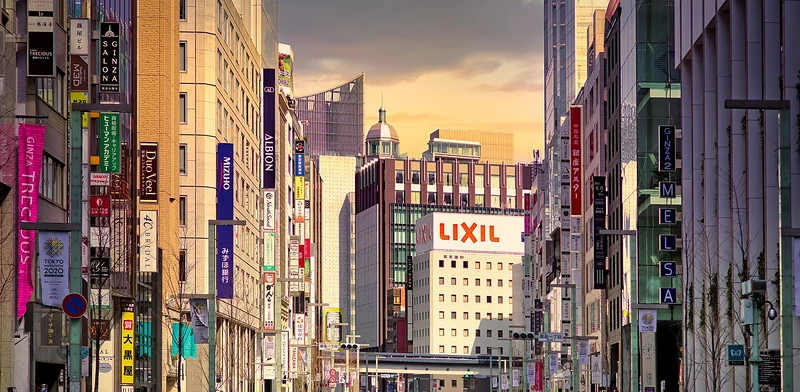
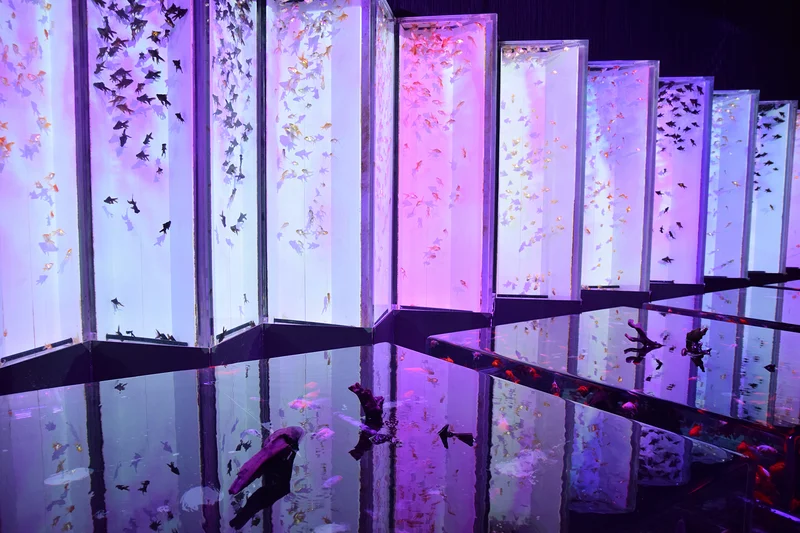
Where to stay in this neighborhood
The Peninsula Tokyo Luxury
A palace hotel facing Hibiya park and the Imperial Palace moats, with direct metro access and Tokyo Station one stop away. Spa and top-floor bar.
Mitsui Garden Hotel Ginza Premier Mid-range
Right in Ginza, with a 16th-floor lounge open onto the bay and Tokyo Tower. The right balance of comfort and price downtown.
Sotetsu Fresa Inn Ginza-Nanachome Budget
Modern and compact in the heart of Ginza, five minutes from the metro. The most affordable option in the most expensive part of town.
Pros
- The Shinkansen and every line in one place
- Ginza, the Imperial Palace and Tsukiji on foot
Cons
- The highest prices in the city
- Marunouchi empties out in the evening
Asakusa and Ueno North-east, along the Sumida
for old Tokyo and small budgets
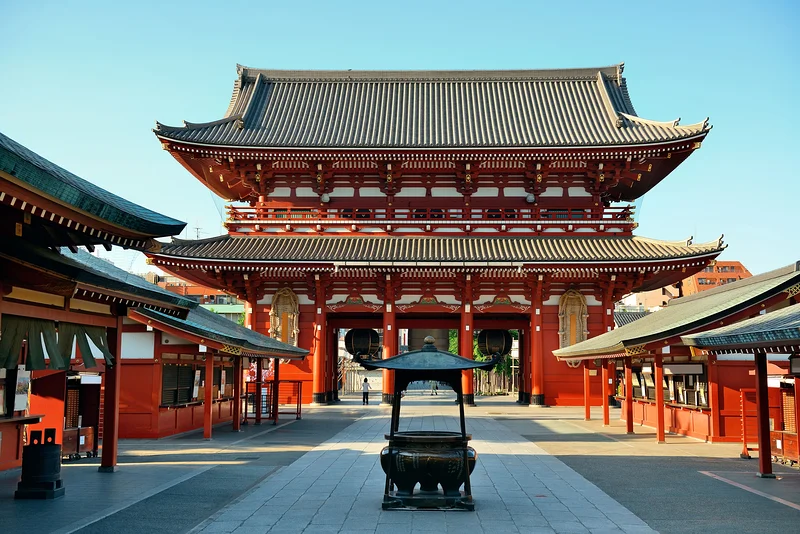
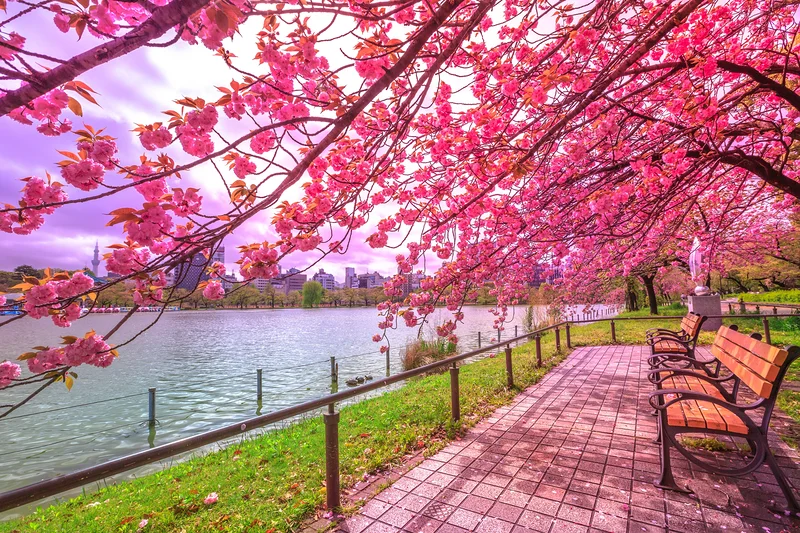
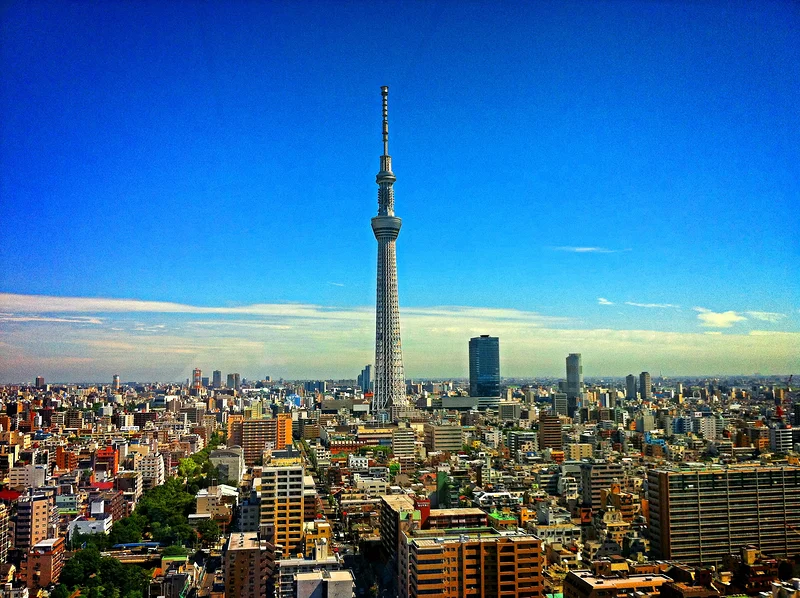
Senso-ji and its shopping street, the Skytree towering over the Sumida, Ueno park and its great museums: this is the older Tokyo, the most exotic and the cheapest. Sleeping here has a very concrete benefit, that of being around when others are not: julies_journeys suggests seeing the temple once during the day, then to « when it is quiet and the temple is all lit up ». The downside: restaurants close early, the nightlife is elsewhere, and you have to take the train to go out.
The spot is spectacular, right in the heart of the city, but going there in the middle of the day is a nightmare (at least for people like me who avoid crowds as much as possible).
What to see & do in the neighborhood
Where to stay in this neighborhood
Asakusa View Hotel Luxury
The tallest hotel in the district, with Japanese-style rooms and views of Senso-ji and the Skytree. Upmarket Asakusa still costs half of what the centre does.
The Gate Hotel Kaminarimon by Hulic Mid-range
Right beside the Kaminarimon gate, with a top-floor terrace facing the temple and the Skytree. The best location in Asakusa.
Nui. Hostel & Bar Lounge Budget
A hostel with character in Kuramae, one stop before Asakusa, with a ground-floor bar where you meet people. Dorms and private rooms.
Pros
- Senso-ji and Ueno park early, before the groups
- The cheapest rooms in the city
Cons
- Restaurants close early
- You have to take the train to go out
Roppongi and Tokyo Tower South-central (Minato)
for art, views and long nights
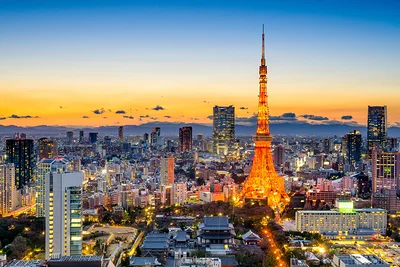
The orange-and-white Tokyo Tower, the Zojoji temple at its feet, the Mori and National Art Center museums, the Roppongi Hills and Midtown towers: this is international Tokyo, the one of expats and bars that close at dawn. The city's finest viewpoints are here, and the observation decks open in the evening. The downside: prices are high, the bars empty out noisily at weekends, and the Roppongi mood is not for everyone.
What to see & do in the neighborhood
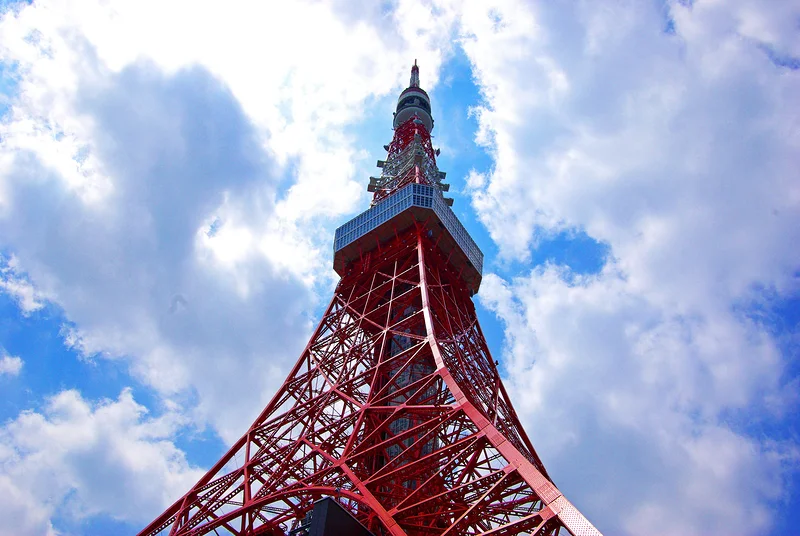
Where to stay in this neighborhood
The Ritz-Carlton, Tokyo Luxury
On the upper floors of the Midtown Tower, one of the highest hotels in the city. A spa, views of Mount Fuji on a clear day, and the metro in the basement.
Remm Roppongi Mid-range
Compact but very well-appointed rooms, good beds and a massage chair, two minutes from the metro. Handy when you come back late.
Hotel Villa Fontaine Grand Tokyo-Roppongi Budget
Rooms larger than the Tokyo average, ten minutes' walk from Roppongi Hills and the museums. The best value in the area.
Pros
- Great museums and observation decks open at night
- Bars and restaurants late into the night
Cons
- High prices
- Noisy at weekends when the bars close
Our tips for booking the right place
- The station before the hotel: Check which line the hotel sits on before you look at its photos. An address five minutes' walk from a JR Yamanote station or a metro interchange saves you time every single day. Pick up a Suica or Pasmo card at the airport: it works on every train, on buses and in most convenience stores. FloraC sums up the city's only real constraint: the atmosphere is not oppressive, « except in the subway during rush hour ».
- Book before the cherry blossom: Two periods need booking three to four months ahead: the cherry blossom, late March into early April, and the autumn colours, around mid-November. Golden Week, in early May, fills the hotels too. Summer is hot and humid, which pushes prices down; winter is dry and bright, and it is the season when you find the best rooms at the best price.
- A Japanese room is small, plan for it: Here you do not compare categories, you compare square metres: 12 to 15 m² in a business hotel, less again in a capsule. Travelling as two with suitcases, or staying more than three nights, pay the supplement for a superior room; it is the best twenty euros of the trip. Write down the address in Japanese before you arrive: many hotels occupy a few floors of a building and the sign is up high, not at street level.
- The heart of Kabukicho if you sleep lightly or travel with children: the streets stay lively until dawn and rooms on the lower floors look straight onto the signs. Shinjuku is still an excellent choice, but on the west side near the towers, or over by the Gyoen.
- Hotels at Narita, except for a layover or a dawn flight: it takes about an hour by train to reach the centre, and you will do it twice a day. Haneda is much closer, but the principle is the same.
- Addresses sold as « minutes from Tokyo » that actually sit in Chiba or Saitama: the price looks lower, the daily commute eats the difference. A smaller room on the Yamanote is the better deal.
Accommodation recommended by our community in Tokyo
Places listed on Avygeo, loved by our community of travellers.
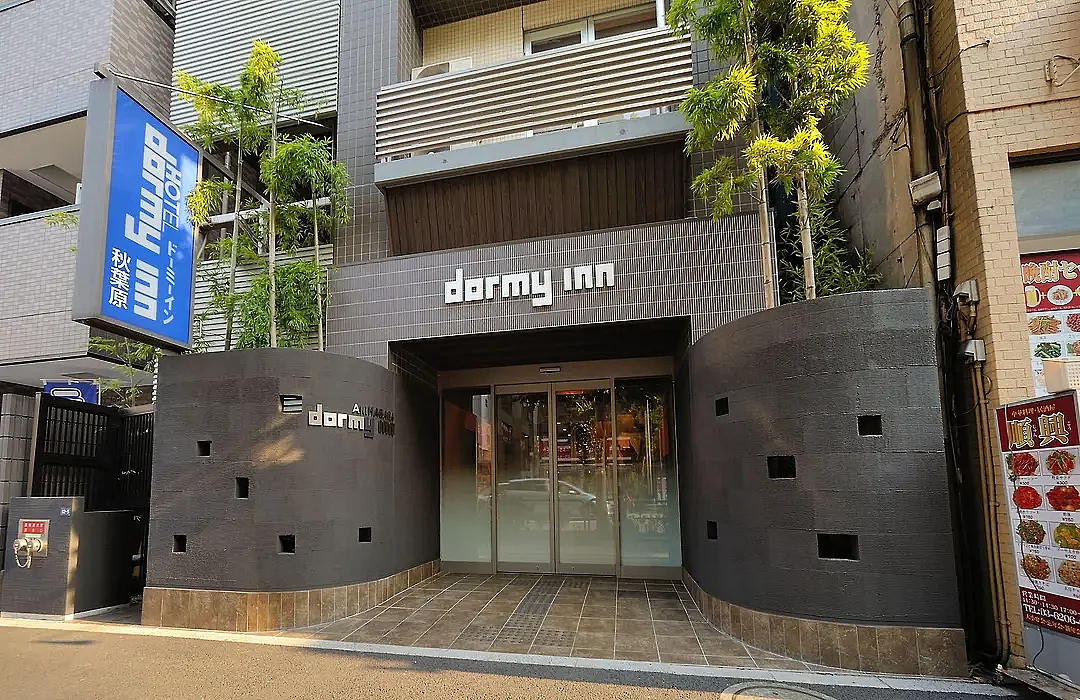
#1 Dormy Inn Akihabara
Check availabilityRooftop onsen and free evening ramen, located just steps from Akihabara on a quiet street in Sotokanda.
Steps from Akihabara but removed from the chaos, this hotel sits on a quiet residential street in Sotokanda, located 8 to 10 minutes on foot from the station. It is the ideal base for exploring shops and arcades by day, then returning to a peaceful sleep at night, away from the constant noise of the main avenue.
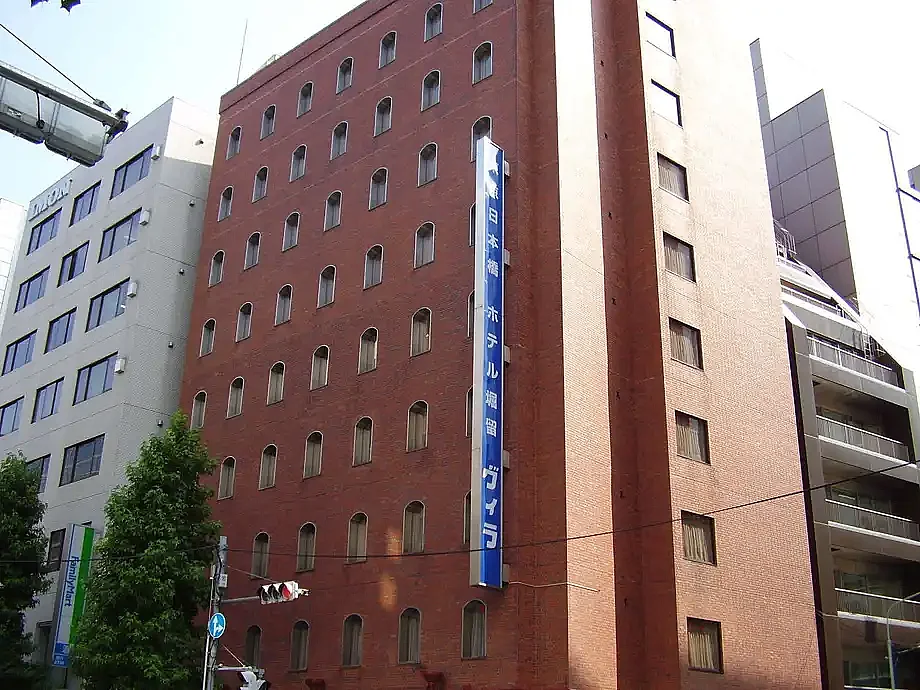
#2 Hotel Horidome Villa
Check availabilityStay just a 3-minute walk from Kodemmacho station to explore Tokyo without breaking your budget.
In the historic Nihonbashi district, this 3-star hotel prioritizes efficiency over frills. It is a practical base for reaching Ginza or Akihabara without breaking the bank. The area is quiet at night but lively during the day, appealing to travelers who want to explore Tokyo away from the tourist crowds of Shinjuku.
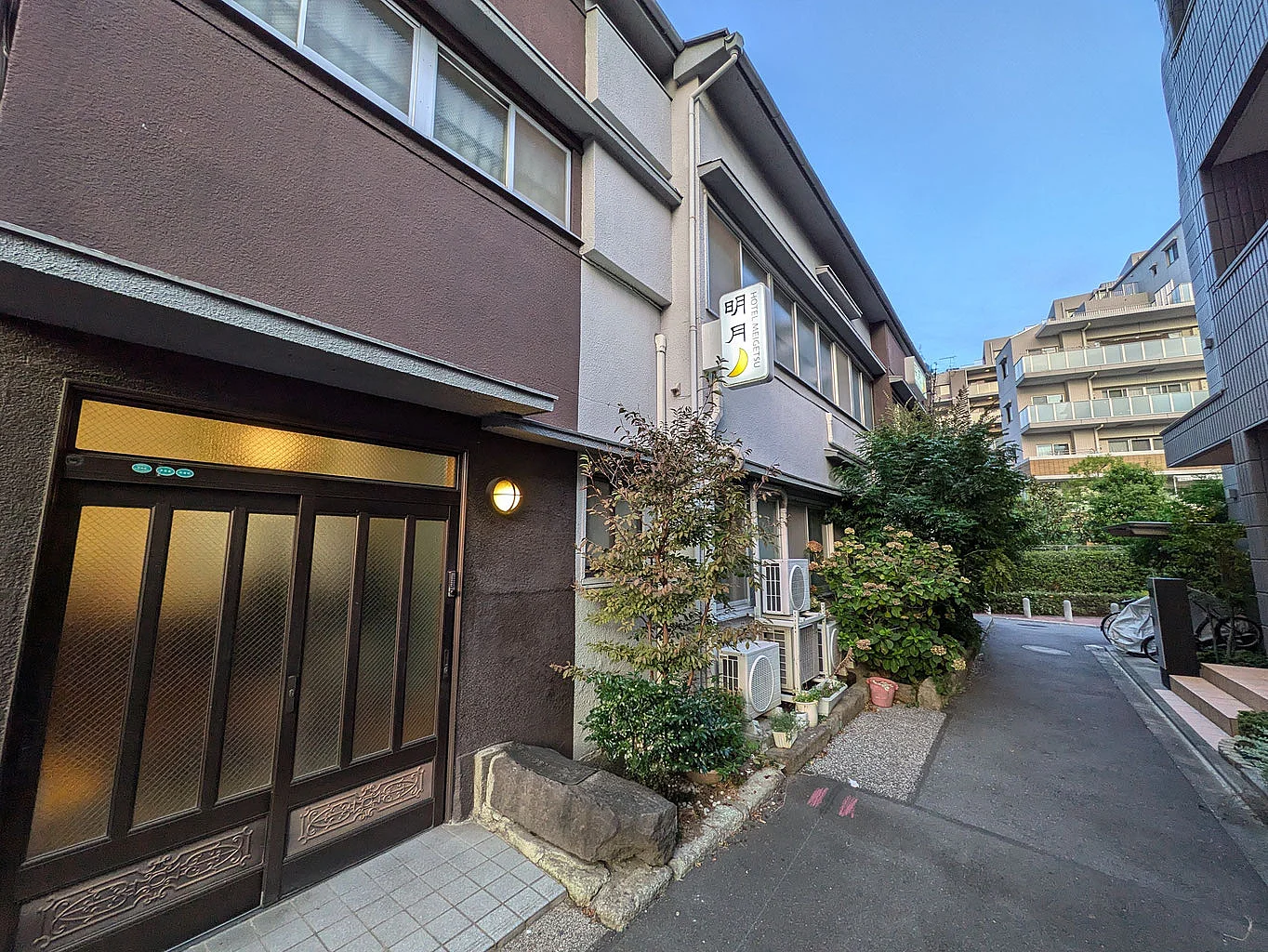
#3 Hotel Meigetsu
Check availabilityA freshly renovated budget hotel with shared bathrooms in northeastern Tokyo
In Minami-Senju, a low-key residential neighborhood in northeastern Tokyo, this hotel focuses on peace and convenience. Two stations within a ten-minute walk put Asakusa two minutes away and Ueno five, while a direct link to Narita simplifies airport trips. A local base far from the tourist crowds.
FAQ: where to stay in Tokyo
Which area should I choose for a first visit to Tokyo?
Where can I stay cheaply in Tokyo?
Is Tokyo suitable for families?
Where to go out at night in Tokyo?
Do I need a car in Tokyo?
How much does a hotel night cost in Tokyo?
 Keep exploring
Things to do in Tokyo
Keep exploring
Things to do in Tokyo
Comments (0)
No comments yet. Be the first!