
Where to stay in Kamakura: the 3 neighborhoods to know in 2026
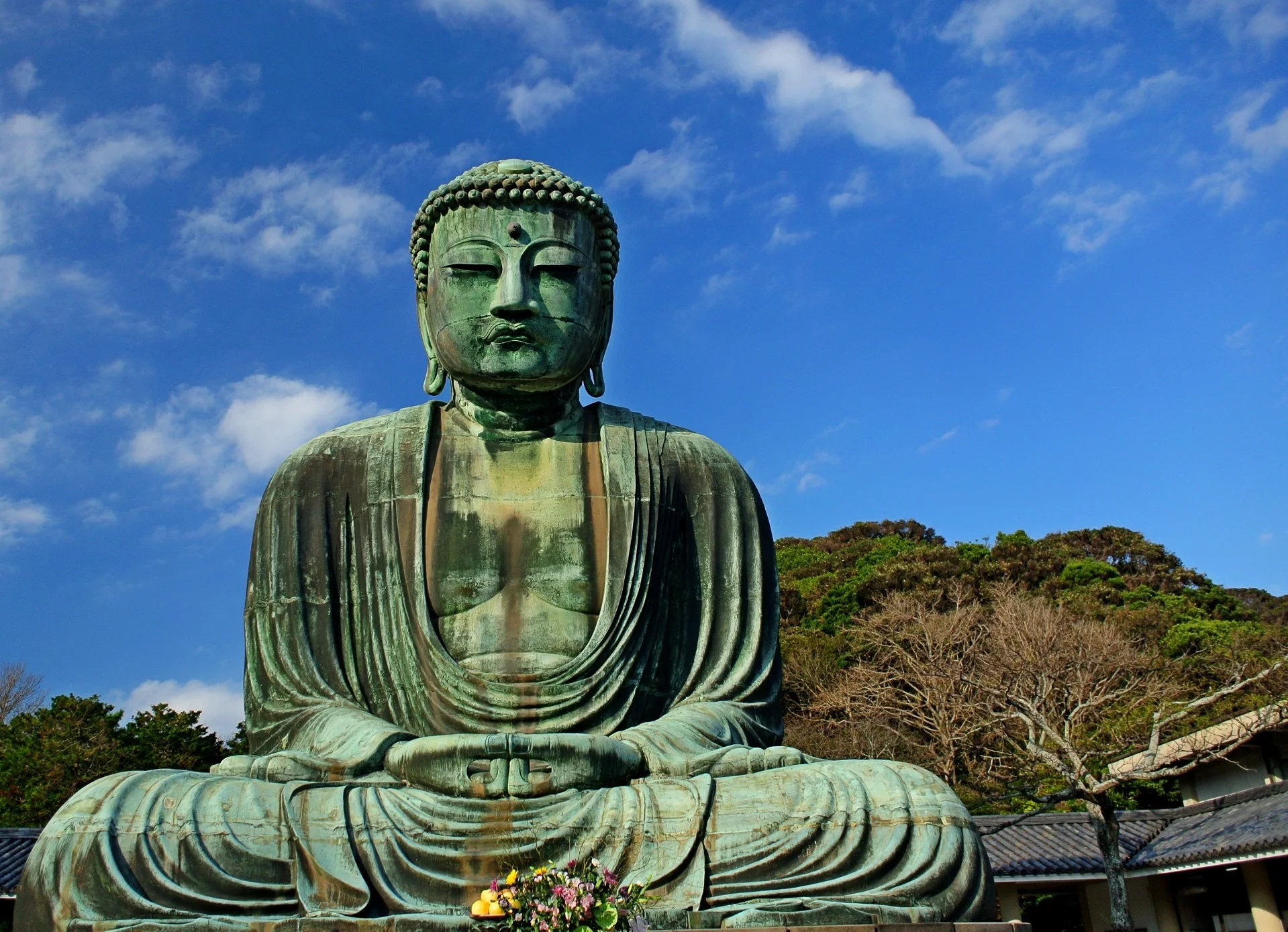
Kamakura governed Japan for a hundred and fifty years, and it was chosen for its relief: hills on three sides, the sea on the fourth, and passages cut through the rock as its only ways in. Eight centuries on, the town still sits in that bowl, and everything lines up along the flat strip followed by the Enoden, the little seaside train.
Three areas follow one another along that line: the centre and Hachiman-gū, Hase with the Great Buddha and the beach, the surfers' coast out to Enoshima. Most travellers arrive from Tokyo for the day; staying the night wins you the temples at opening time and the bay at sunset. A dorm bed starts at $29*, a comfortable room at 90, and reckon on double that as soon as you want the sea in front of you.
Prices are a bit high, but I thought this excursion was worth it. The round trip by train from Tokyo is super easy to do in one day.
Compare hotel prices in Kamakura
In a hurry? Find the best accommodation deals in 3 clicks.
Compare live deals from Booking, Expedia, Agoda and other partners.
At a glance: our picks by traveller type
Pick the profile that suits you to head straight to the recommended neighborhood.
The neighborhood map in Kamakura
Get your bearings on the neighborhoods and must-see sights before choosing where to drop your bags. Click a name to jump to its description.
The centre and Hachiman-gū Around the station, at the bottom of the bowl
for a first visit and for reaching everything by train
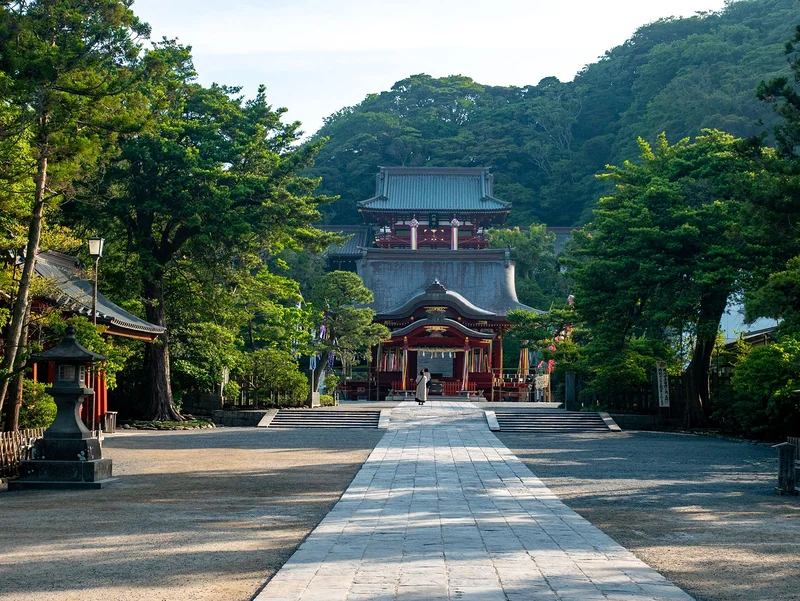
The station, the Komachi-dōri shopping street and the avenue climbing to the Tsurugaoka Hachiman-gū shrine: the town gathers here, and this is the area from which you reach everything else fastest. The Zen temples, though, are scattered through the surrounding valleys, at Kita-Kamakura and east towards the Hōkoku-ji bamboo grove: better to be near a station to string them together. The downside: Komachi-dōri is packed in the afternoon and the area shuts down early.
What to see & do in the neighborhood
Where to stay in this neighborhood
Hotel Metropolitan Kamakura Luxury
The most comfortable address in the centre, right by the station: quiet contemporary rooms, with the JR and Enoden platforms across the forecourt.
Hotel New Kamakura Mid-range
A Taishō-era timber house by the west exit of the station, with its garden. Plenty of character for the price, and the whole centre on foot.
IZA Kamakura Guest House Budget
A friendly hostel about ten minutes' walk from the station, dorms and private rooms, shared kitchen and bar. The cheapest bed in the centre.
Pros
- Both train lines on your doorstep
- Shops and restaurants until evening
Cons
- Komachi-dōri packed in the afternoon
- No sea views
Hase and Yuigahama One stop west, between temples and beach
for the Great Buddha, the temples and the beach
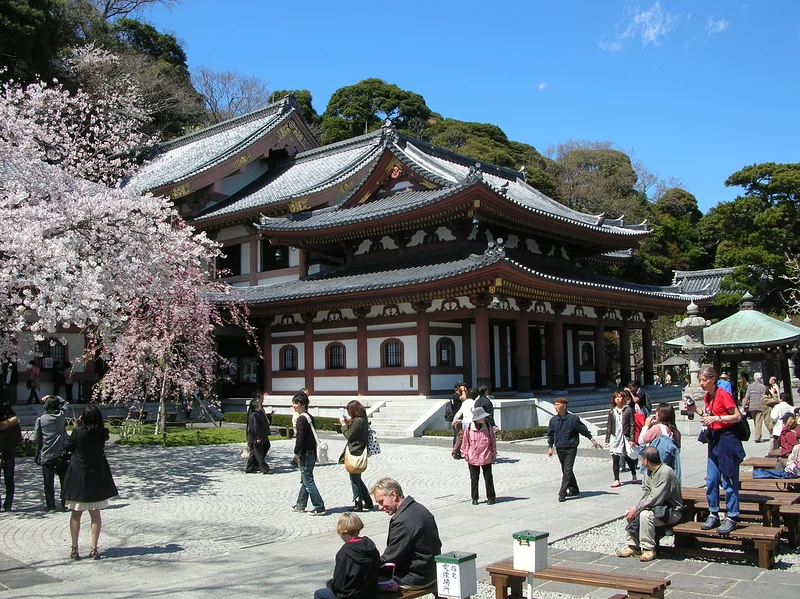
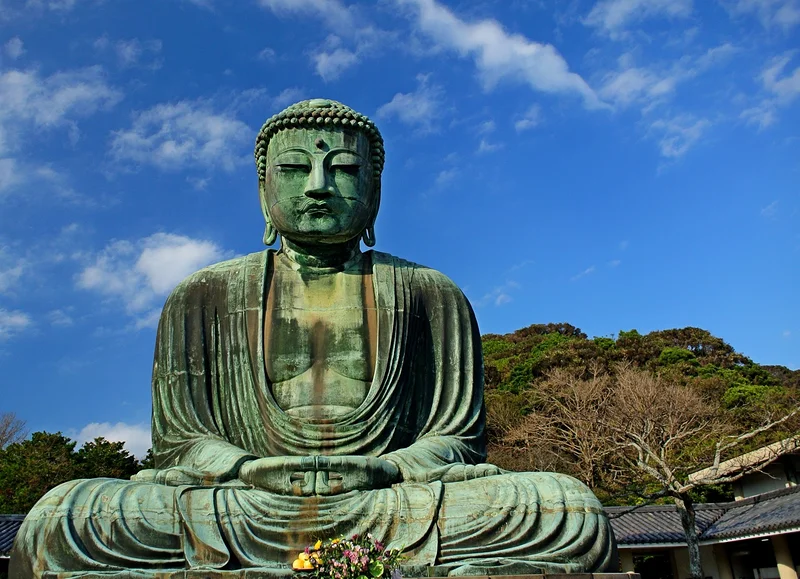
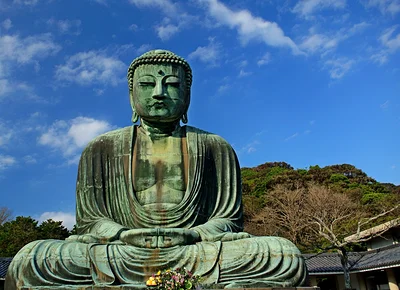
One Enoden stop west and the scenery changes: the bronze Great Buddha of Kōtoku-in, the Hase-dera temple whose garden overlooks the bay, and Yuigahama beach below. For julies_journeys, Hase-dera ranks, along with Hachiman-gū, among the most visited sites in town: sleeping next door lets you walk in at opening time, which changes everything. The downside: fifteen minutes on foot separate you from the central station, and the beach fills up as soon as the sun is out.
What to see & do in the neighborhood
Where to stay in this neighborhood
Kaihin-so Kamakura Luxury
A listed 1920s seaside villa turned inn, with a garden and a careful kitchen. Pre-war charm two streets from the beach.
Kamakura Park Hotel Mid-range
Facing the sea, between the beach and the Hase-dera temple, with rooms open onto the bay. Quiet, and the Great Buddha a quarter of an hour away on foot.
WeBase Kamakura Budget
A bright design hostel two steps from the sand, dorms, a café and yoga classes. Modern and affordable, ten minutes from the central station.
Pros
- The Great Buddha and Hase-dera on foot
- The beach at the end of the street
Cons
- Fifteen minutes on foot to the central station
- The temples fill up by mid-morning
The coast, from Shichirigahama to Enoshima West, between the railway and the sea
for sea views, surf and sunsets
Here the Enoden hugs the ocean for several kilometres: the surfers of Shichirigahama, the Inamuragasaki headland where Mount Fuji shows on a clear day, then the sacred island of Enoshima with its shrine, its sea caves and its aquarium. FloraC warns that the shrine « Okay, it is still pretty touristy. », and that is true. The downside: the centre and the great temples are a good twenty minutes away by train, and the Enoden is jammed at weekends.
The view is superb, whether at sunrise or sunset. It is a must-see! Only recommendation: do not go during Golden Week (the May holidays in Japan). These spots get completely swamped!
Where to stay in this neighborhood
Kamakura Prince Hotel Luxury
Set on the Shichirigahama cliff, rooms turned towards the ocean with Fuji on the horizon. The finest view on the coast; the station is down below.
Iwamotoro Enoshima Mid-range
An 850-year-old ryokan descended from the temple that administered the Enoshima shrine, with its Roman bath and its cave bath. Worth knowing: the island belongs to Fujisawa, twenty-five minutes from Kamakura on the Enoden.
Enoshima Guest House 134 Budget
A hostel in Katase, in the town of Fujisawa rather than Kamakura: capsule bunks in the dorm, a lounge and café-bar downstairs, the beach three minutes away. The Enoden station at Enoshima is a nine-minute walk, and central Kamakura twenty-five minutes by train.
Pros
- The sea in front and the sunsets
- Surf and the aquarium on the spot
Cons
- Twenty minutes by train from the centre and the temples
- Enoden jammed at weekends
Our tips for booking the right place
- Two lines, and the rest on foot: The JR links Tokyo in an hour and serves Kita-Kamakura and its Zen temples; the Enoden follows the coast from the centre out to Enoshima. The Enoden day pass pays for itself in three journeys. Between temples, the hill paths beat any bus. As for a car, it is useless here: the streets are narrow and clog up at weekends.
- June and November fill the hotels: The hydrangeas of Hase-dera and Meigetsu-in in June, the maples in November: these are the two peaks of the year, and rooms go weeks ahead. Golden Week, in early May, saturates the coast. In mid-April the Kamakura Matsuri adds horseback archery to the Hachiman-gū programme and fills the town for a weekend.
- Ofuna, when everything is booked: Two stations north, Ofuna is a rail hub where business hotels book far cheaper than in Kamakura, often the night before. From there the centre is five minutes away by train, Kita-Kamakura three, and Tokyo under an hour. The botanical garden next door, known for its peonies, costs a few euros to visit.
- Sleeping here to go out at night: Kamakura is a temple town that closes early, and the nightlife amounts to a few izakaya around the station. If your evenings matter more than your mornings, keep your base in Tokyo and come for the day: the train takes an hour and you will have missed nothing.
- Picking an address far from a station to save money: everything here is organised around the JR and the Enoden, and taxis are expensive. A hotel fifteen minutes' walk from a platform will cost you every day the time you thought you were saving.
- Booking on Enoshima believing you are staying in Kamakura: the island belongs to neighbouring Fujisawa, and the centre is twenty-five minutes away on an Enoden packed at weekends. It is a fine place for a night facing the sea, not a base for visiting the temples.
FAQ: where to stay in Kamakura
Should you sleep in Kamakura or come for the day from Tokyo?
Which area should you choose for a first visit to Kamakura?
Where can you sleep cheaply in Kamakura?
Is Kamakura suitable for families?
Where can you go out at night in Kamakura?
How much does a hotel night cost in Kamakura?
 Keep exploring
Things to do in Kamakura
Keep exploring
Things to do in Kamakura
Comments (0)
No comments yet. Be the first!