
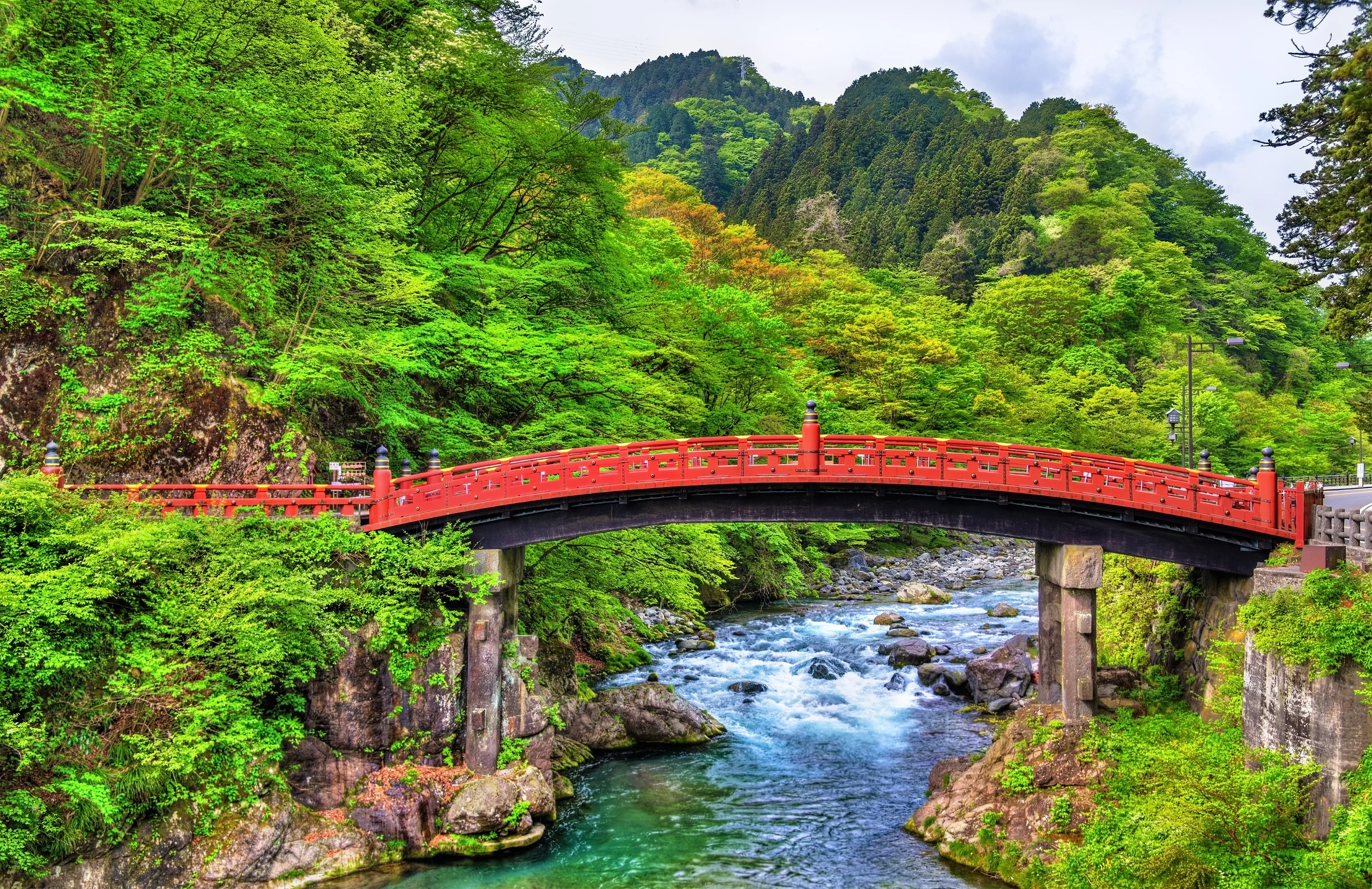
Visiting Nikko, where nature meets heritage
Located about 140 km north of Tokyo, Nikko draws travelers looking for a mix of intricate history and dramatic mountain landscapes. Known for its UNESCO-listed shrines and surrounding peaks, it makes for a straightforward day trip or weekend getaway from the capital.
Toshogu Shrine: A masterclass in woodcarving
The Toshogu Shrine is the undisputed main draw of Nikko. Built as a mausoleum for the shogun Tokugawa Ieyasu, the complex stands out for its dense gold leaf, lacquer work, and thousands of detailed animal carvings, including the original three wise monkeys. Admission requires a ticket, but the sheer scale of the ornamentation makes it worth the entry fee.
Lake Chuzenji and Kegon Falls
About twenty kilometres from downtown, Lake Chuzenji sits at the base of Mount Nantai. This volcanic lake shines brightest in autumn when the surrounding maple trees turn deep shades of red and orange. Nearby, the Kegon Falls drop 97 metres over a sheer cliff face. An elevator takes visitors down to an observation deck for a closer look at the roaring water.
The hot springs of Yumoto Onsen
For a slower pace, head up to Yumoto Onsen, a small thermal village tucked away inside the Nikko National Park. Its open-air baths run on naturally sulfurous water that helps soothe tired legs after a long walk. The village bathhouses are particularly popular for a proper soak.
Hiking trails in Nikko National Park
Outdoor enthusiasts will find plenty of terrain inside the Nikko National Park. Boardwalks run across the Senjogahara marshland, offering flat walks surrounded by peaks. For a more intense physical effort, the climb up Mount Nantai (2,486 m) rewards hikers with expansive views over Lake Chuzenji.
Local food defined by yuba
Nikko is famous for yuba, the delicate skin that forms when soy milk is heated. You will find it served in everything from clear broths to deep-fried rolls. Another regional staple is manju, a steamed bun stuffed with sweet red bean paste, typically paired with green tea.
Where to eat?
- Yuba Shokudo (Nikko): A straightforward eatery specializing in yuba prepared in multiple styles.
- Meiji no Yakata (Nikko): Set inside a preserved Meiji-era Western-style house, serving classic European dishes with a local twist.
- Kanmangafuchi Café (Nikko): A quiet spot for coffee and sweets right by the river.
- Hippari dako (Nikko): A tiny izakaya known for grilled skewers and a lively local crowd.
When to go?
The peak time to visit Nikko is autumn, specifically mid-October to early November, when the mountain foliage peaks. Spring brings cherry blossoms, while winter offers quiet snowy landscapes around the lake.
How to get there?
From Tokyo, the Tobu limited express train connects Asakusa Station to Nikko in about 2 hours. Fares range between 2,000 and 4,000 yen depending on the train class. Alternatively, you can take the shinkansen to Utsunomiya and switch to a local JR line.
How to get around?
Downtown Nikko is easy to navigate on foot, but reaching outlying spots like Lake Chuzenji requires boarding the local Tobu buses that run up the mountain roads.
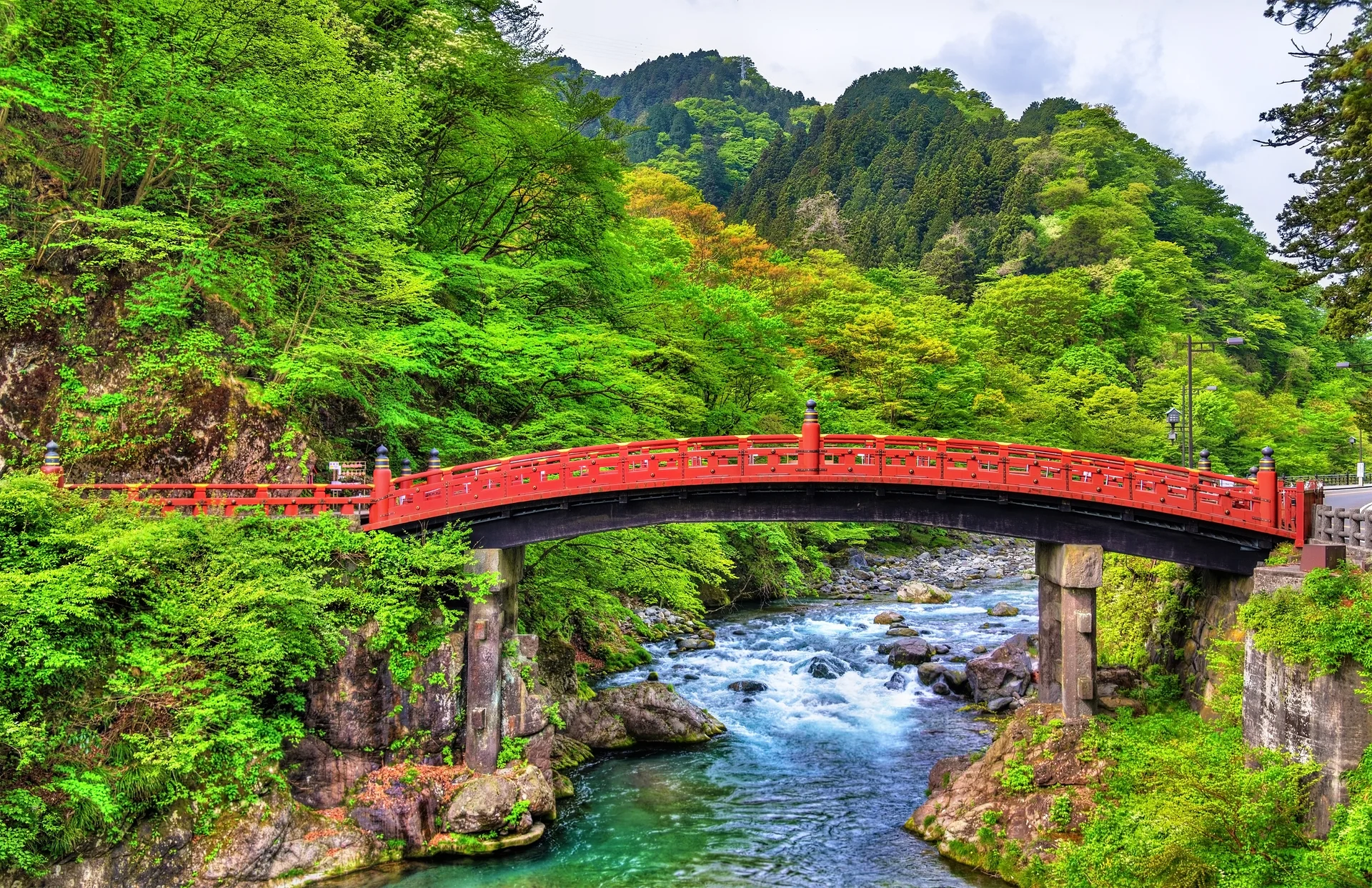
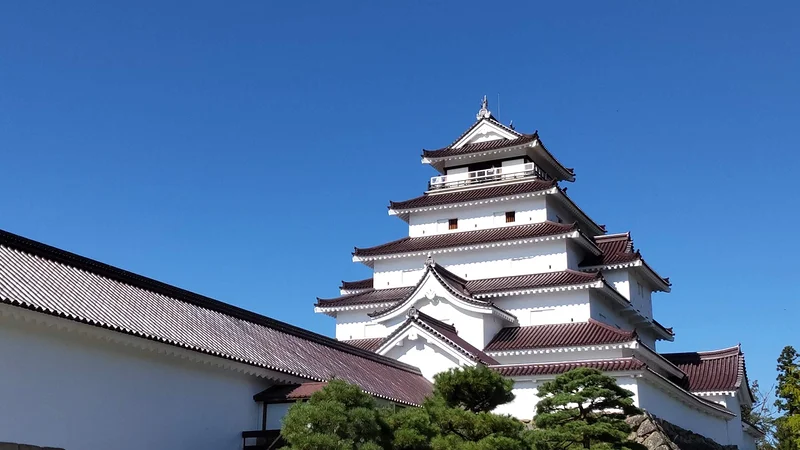
If you can, visit Nikko in the winter (I went in February myself). Yes, the autumn colors are beautiful. But the snow makes everything even more enchanting. The contrast between the white snow and the red temples is striking. Dedicate a half day to visiting the sacred sites. Then, take the bus to go admire Lake Chuzenji. One of my favorite destinations in Japan!