
Visiting Shirakawa, a traditional village in the heart of the Japanese Alps
Unique architecture: the Gassho-zukuri houses
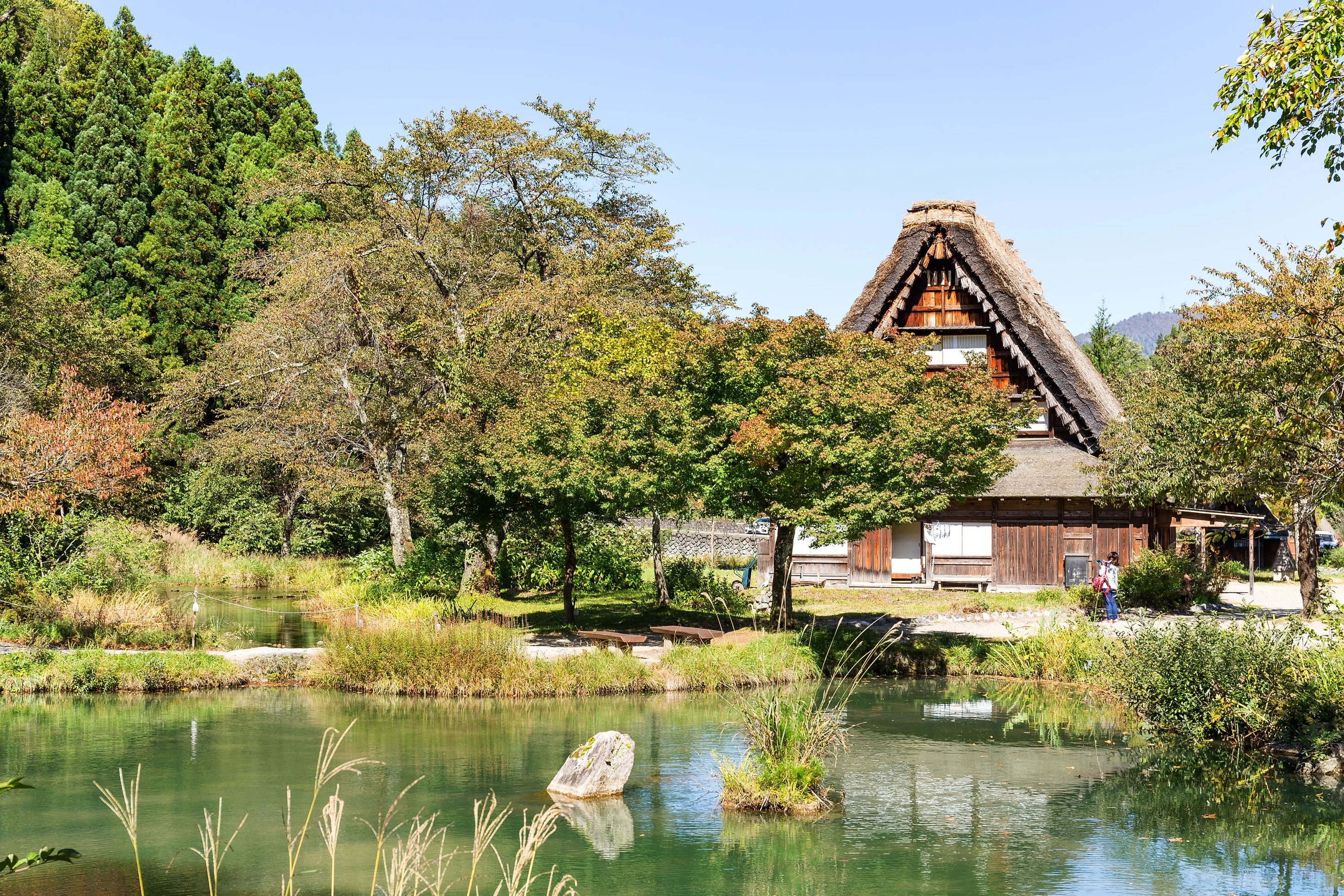
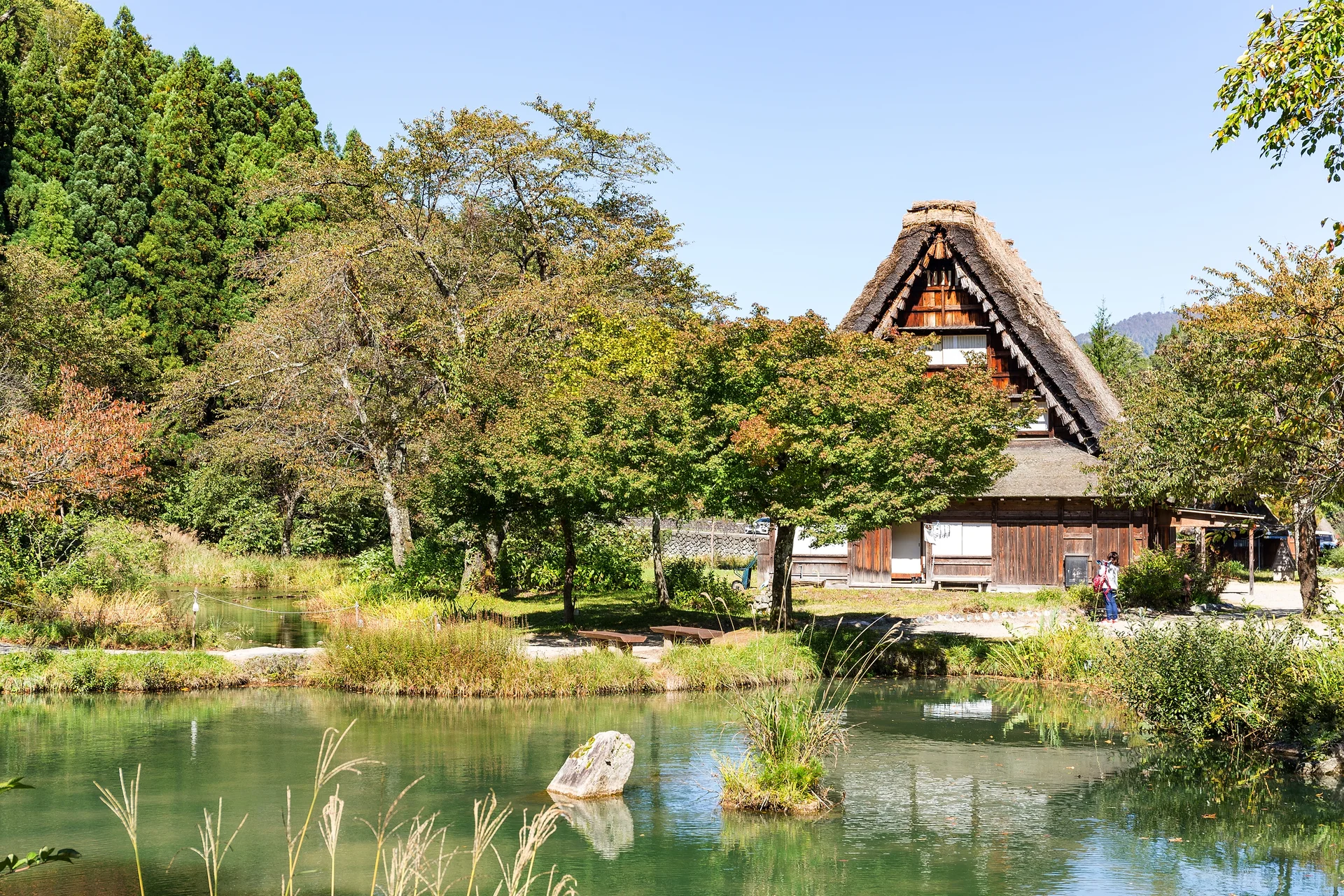
The village of Shirakawa is defined by its gassho-zukuri traditional homes, which have been recognized as a UNESCO World Heritage site since 1995. You can spot these dwellings by their steeply pitched thatched roofs, which resemble hands pressed together in prayer. Engineered to shed heavy snowfall, they provide a distinct look at traditional Japanese mountain architecture.
A walk through the Ogimachi district, the historical center of the village, reveals several of these homes now serving as museums, such as the Wada House, which offers a look into how residents lived in centuries past.
Changing mountain scenery
Tucked into the Japanese Alps, Shirakawa experiences a dramatic shift in scenery throughout the year.
In winter, the village is buried under a heavy blanket of snow, creating a quiet, atmospheric setting that is highlighted by nighttime illuminations held between January and February. Come spring, cherry blossoms provide a backdrop for the gassho-zukuri houses, while autumn brings deep, fiery foliage colors to the valley.
If you enjoy hiking, the area around the village features several trails, including the path to the Shiroyama Viewpoint, which offers a panoramic look down over Shirakawa.
Activities and local culture
Shirakawa is a place to slow down and engage with local traditions. You can try your hand at crafting straw items or join cooking workshops to learn regional techniques. Do not leave without trying gohei-mochi, a grilled rice cake coated in a sweet glaze.
For a deeper experience, consider an overnight stay in one of the traditional houses, as several gassho-zukuri structures now operate as guesthouses for visitors.
Gastronomy and local products
The food in Shirakawa is built around mountain ingredients. Beyond gohei-mochi, look for hoba miso, a savory soybean paste grilled on a magnolia leaf with local vegetables and tofu. Meat lovers should sample Hida beef, a regional specialty known for its high fat marbling and rich flavor. Many local restaurants also serve simmered dishes like hoba nabe, a hot pot meal perfect for warming up after a day in the mountain air.
When to go
The right time to visit depends on your preference. Winter, from December to February, offers snowy landscapes and evening light displays. Spring, between April and May, brings the cherry blossoms, while October and November are the best months for fall colors. Summer remains pleasant, though more humid, and is suitable for hiking in the surrounding mountains.
How to get there
Shirakawa is primarily accessible by bus. From Takayama or Kanazawa, regular bus lines reach the village in 1 to 1.5 hours, costing between 2,000 and 2,600 JPY (about $13-17) per trip. If you are traveling from Tokyo, take the train to Takayama (3 hours via Shinkansen and the Hida Express line), then transfer to the bus. Connections are reliable, but it is wise to reserve your seat in advance, especially during the peak tourist seasons.
An incredibly peaceful and preserved place that will make you feel like you are fully recharging. It is an authentic village, absolutely one of a kind. The landscape is truly magical between the rice paddies and the mountains. The only downside: you just want to stay there and returning to reality is a little difficult!