
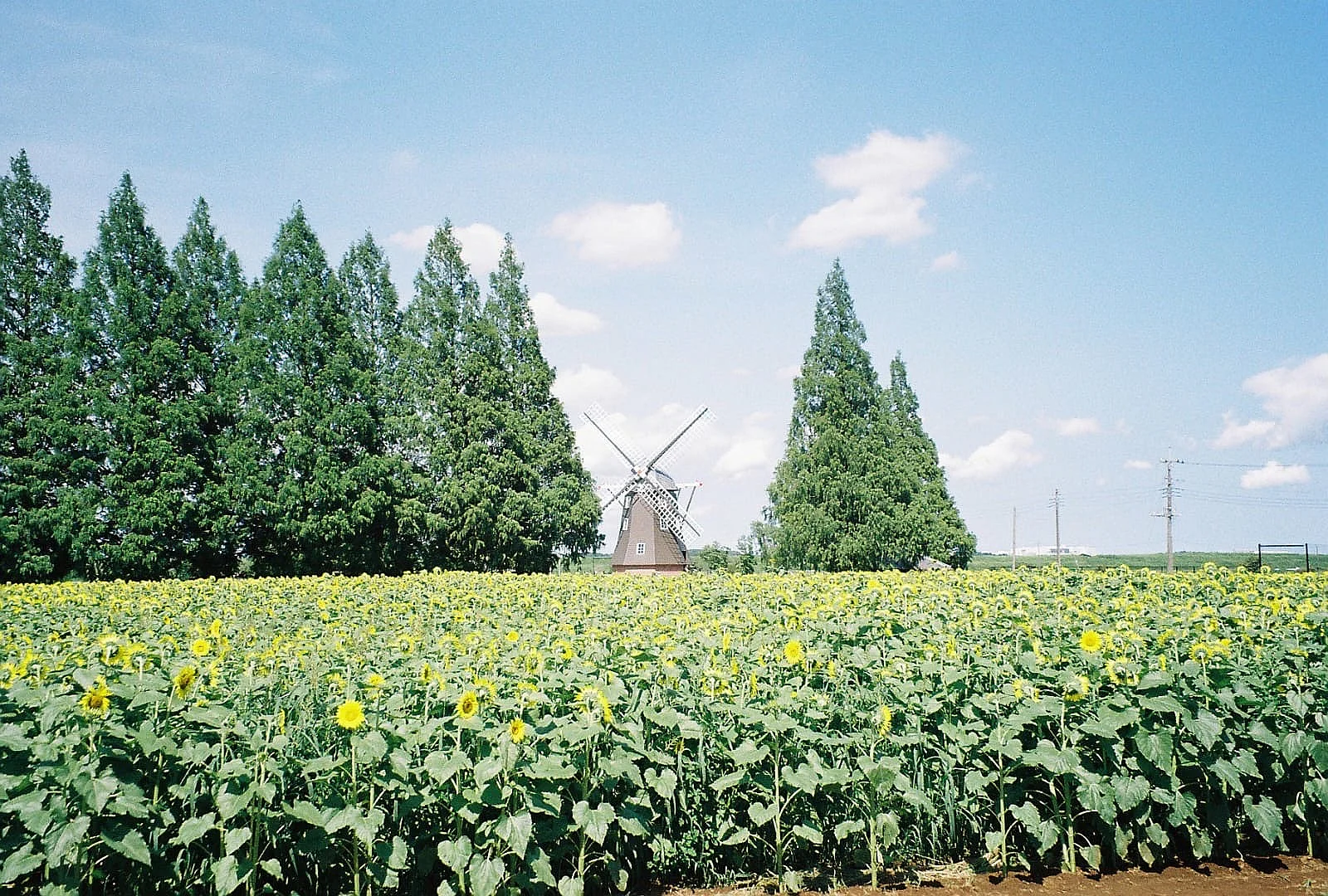
Chiba, the city travelers pass through without seeing
About thirty minutes from Tokyo, most tourists land at Narita airport without ever setting foot in the prefecture that welcomes them. Yet right there, between the bay's petrochemical plants and the inland rice paddies, hides a side of Japan that feels less polished, less staged, and totally missed by standard itineraries.
Is this destination for you?
If you need a practical base near Narita, quick access to Tokyo Disney Resort, or want beaches and surf close to the capital, Chiba has real selling points.
On the other hand, if you dream of ancient temples and postcard-worthy narrow streets, you might be disappointed. The city itself functions primarily as an administrative and port hub with limited architectural charm.
Good for:
- Families heading to Tokyo Disneyland and DisneySea
- Surfers and beach lovers staying close to Tokyo
- Travelers on a layover through Narita airport
- Curious visitors looking for a less touristy part of Japan
Not ideal for:
- History buffs seeking deep heritage
- Nightlife seekers looking for a lively scene
- Rushed travelers who prefer not to leave central Tokyo
Reasonable budgets, often cheaper than Tokyo
Prices generally run lower than in the capital, especially for lodging. Expect higher costs, however, if you tack on a day at the Disney parks.
| Expense | Range |
|---|---|
| Budget hotel night | 4,000 to 7,000 ¥ |
| Comfortable hotel night | 10,000 to 18,000 ¥ |
| Quick bite (konbini, ramen) | 500 to 1,000 ¥ |
| Sit-down restaurant meal | 1,500 to 3,500 ¥ |
| Transit and minor activities | 1,000 to 2,500 ¥ |
Estimated prices subject to change
Practical realities: Japanese efficiency and limited English
The infrastructure is spotless, featuring punctual trains, clean streets, and vending machines on every corner. Safety is a non-issue, even when walking alone at night.
The language barrier is real outside of the tourist zones near Narita or the Disney parks. Keep a translation app handy and learn a few basic Japanese phrases.
Makuhari, the modern waterfront showcase
Built on land reclaimed from the sea, Makuhari packs in office towers, the Makuhari Messe convention center, and a distinctly contemporary vibe. People mostly visit for trade shows and concerts, but the bay walk offers a quiet stop with views of port cranes and occasionally Mount Fuji on clear days.
Chiba-shi, the low-key historic core
The center of town hosts Chiba Castle, a twentieth-century concrete reconstruction that now functions as a local history museum. Nearby, the Chiba-jinja shrine is worth a detour for its more authentic, crowd-free atmosphere.
Friendly tip: the morning market near Chiba station provides a genuine look at everyday neighborhood life without tourist polish, especially on weekends.
The coast and beaches, balancing surf and relaxation
Chiba prefecture is famous across Japan for its surf spots, particularly around Kamogawa and the Bōsō Peninsula. Closer to the city, the artificial beach at Inage Kaihin Park makes for a quick escape with views of Tokyo Bay and, on clear days, Mount Fuji at sunset.
Theme parks, the regional gateway
Tokyo Disneyland and Tokyo DisneySea sit technically in Urayasu within Chiba prefecture, pulling in the overwhelming majority of international visitors passing through the area. Many stay at hotels within the resort complex or opt for cheaper properties in Chiba-shi about twenty to thirty minutes away by train.
Where to eat and drink in Chiba?
The local specialty you cannot miss is namero, a minced fish tartare mixed with miso paste that originates on the Bōsō Peninsula. Seafood restaurants around the port also serve up great shrimp and fresh catches, as Tokyo Bay remains an active fishing zone.
For a quick and easy meal, the izakayas near Chiba station offer great value, far from the tourist prices found right around the Disney parks.
Where to stay in and around Chiba?
The Chiba station area concentrates most of the budget and mid-range hotels, which works well for exploring the prefecture. The Makuhari neighborhood suits business travelers or those attending events at the convention center.
For families targeting the theme parks, staying directly in Urayasu right next to Disney costs more but saves valuable time.
How to get to Chiba?
Narita International Airport, located within Chiba prefecture, serves as a primary international air entry point. Direct flights from North American hubs take roughly eleven to fourteen hours, with prices varying by season, often between $810 and $1,390* round trip outside peak season.
From Narita, Chiba station is reachable in about thirty to forty minutes via a direct train, while central Tokyo takes roughly an hour.
How to get around Chiba?
The rail network is dense and reliable, with the JR Sōbu and JR Keiyō lines connecting Chiba-shi, Makuhari, and Tokyo efficiently. An IC card (Suica or Pasmo) streamlines transit and saves you from buying individual tickets at every station.
To explore the Bōsō Peninsula and its more isolated beaches, a rental car becomes a major asset, since local bus lines run less frequently outside urban zones.
When to go to Chiba?
Spring (April to May) and fall (October to November) bring the most pleasant temperatures, along with cherry blossoms blooming in Chiba-shi parks in season. Summer stays hot and humid, but it also marks the prime surf season on the Bōsō coast. Avoid the typhoon season between August and September, which can seriously disrupt coastal transportation.
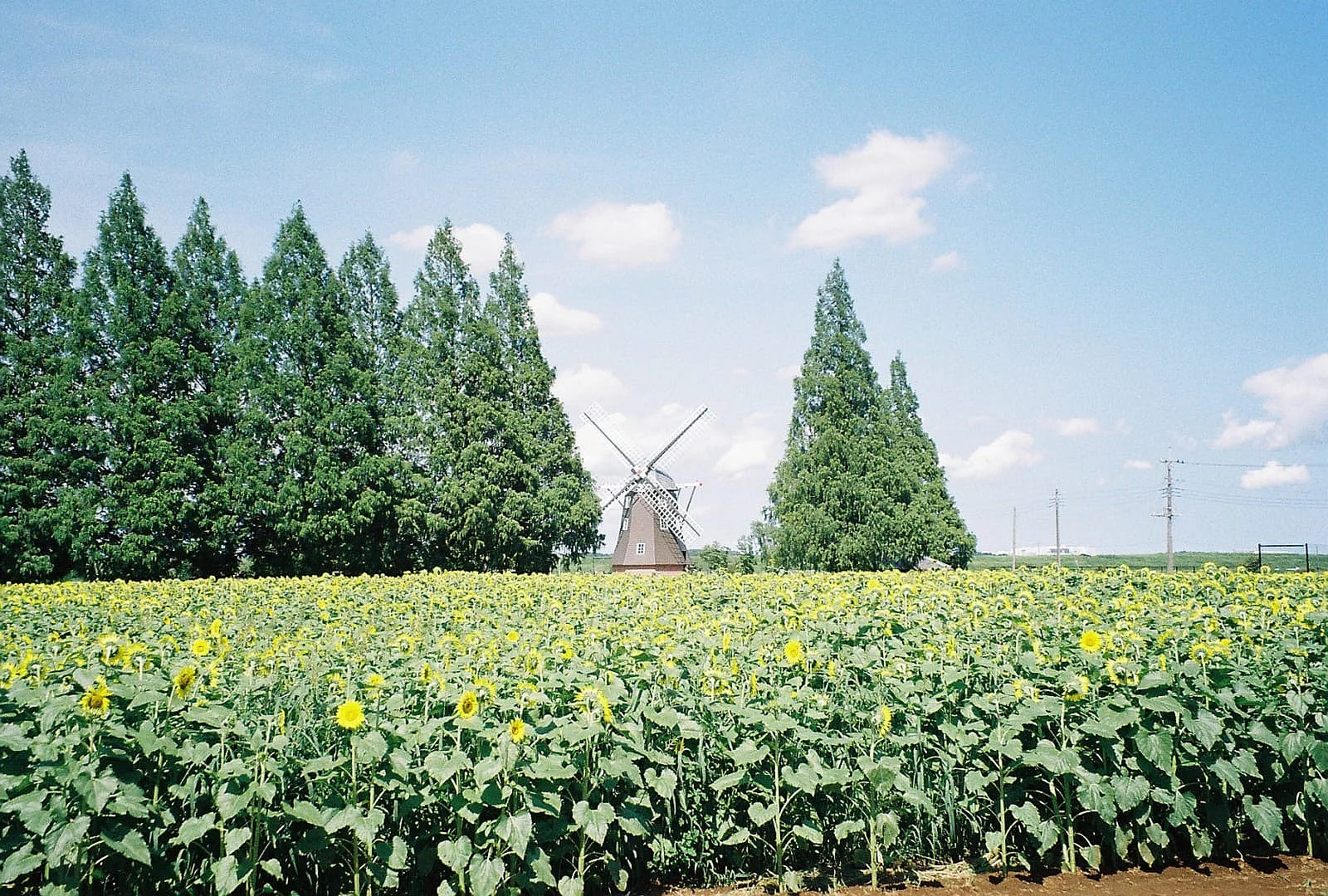
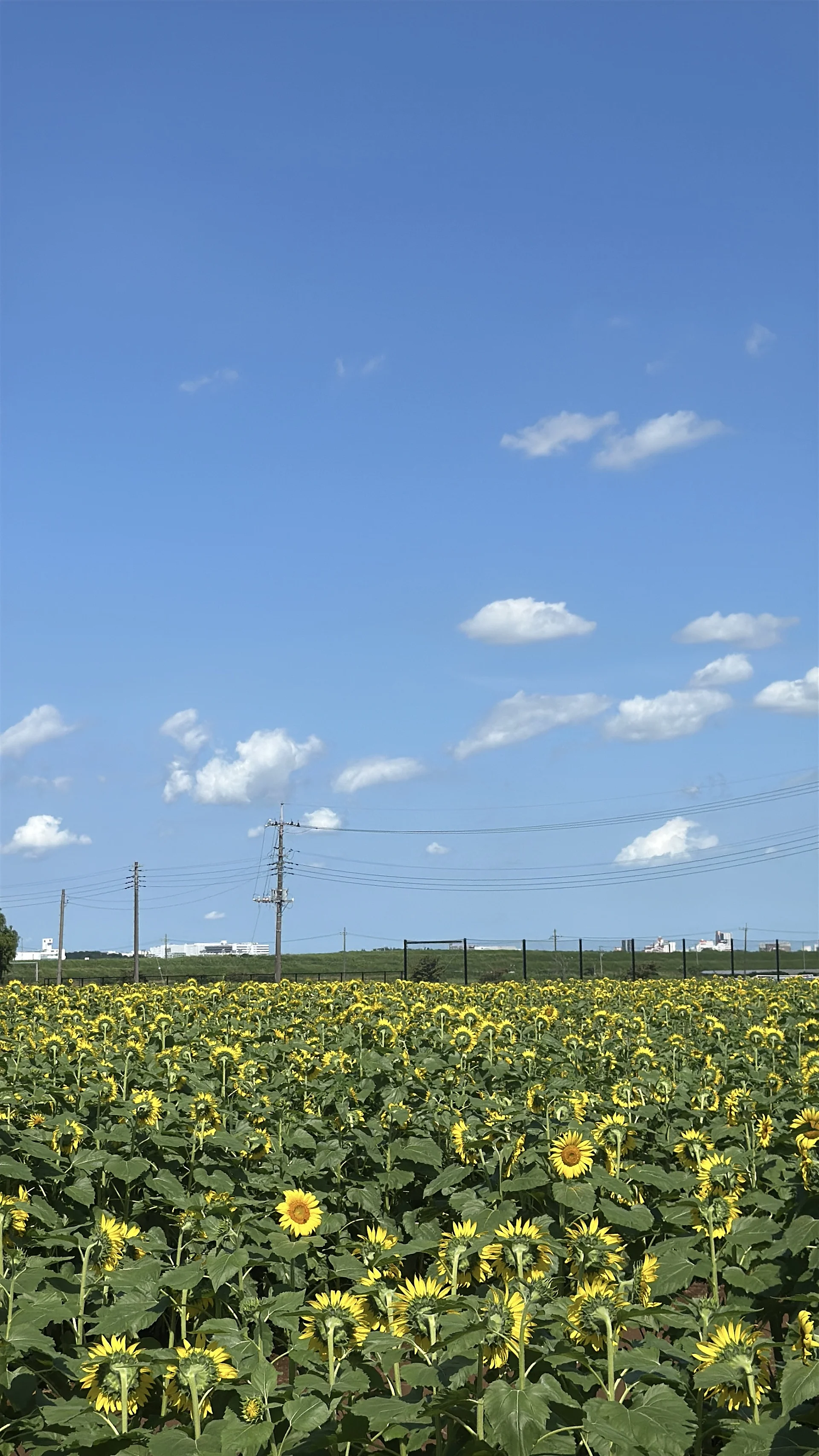
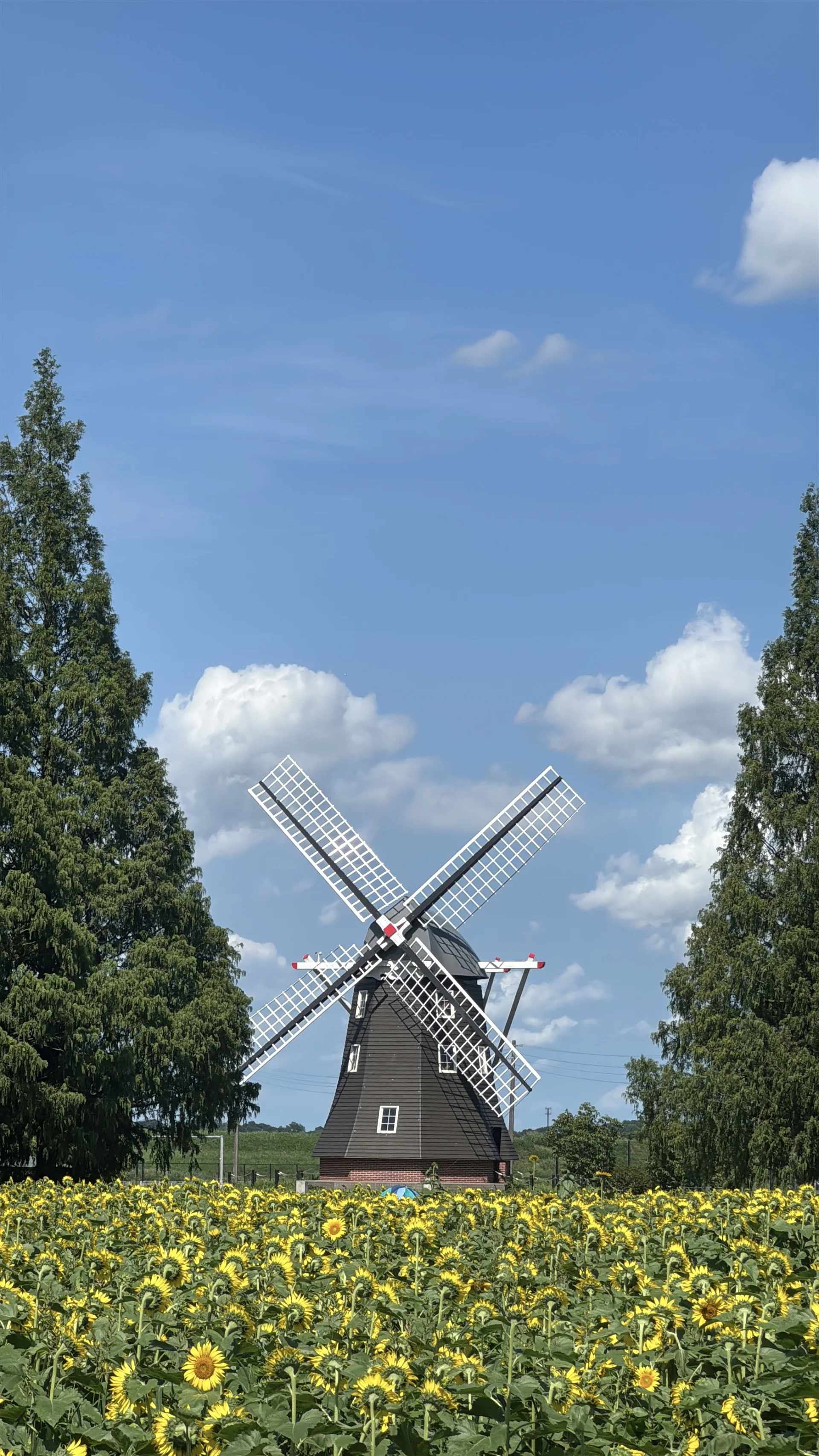
Looks like a Miyazaki painting 😍