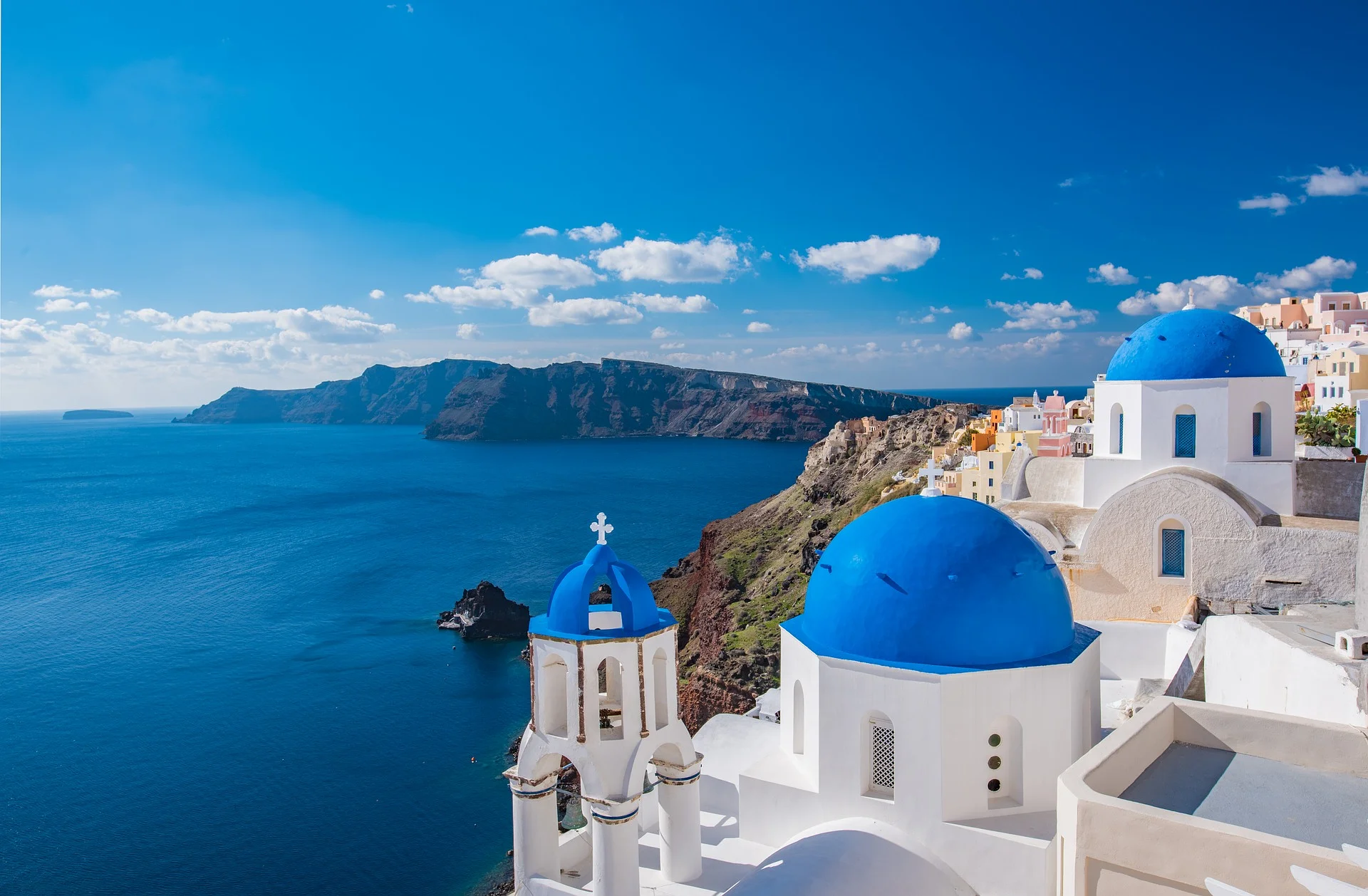
Eglise Anastase de Santorin

Things to do in Greece: 20 must-see attractions in 2026

Discover our members' favorite destinations in Greece, plus reviews, practical info, and traveler photos...

Our members' favourite places in Greece

Ranked on recommendations from travellers who went there

#1 Athens +142 recs

Athens is a dense urban sprawl anchored by the Acropolis, where ancient ruins stand right up against modern city life. You can spend your mornings exploring the historic streets of Plaka and Monastiraki before heading up Lycabettus Hill for a panoramic view that rivals the scale of Los Angeles, but with thousands of years of history. It is a place where you can easily toggle between world-class museums and chaotic, authentic local markets.

#2 Corfu +69 recs

Corfu feels different from the rest of Greece, blending Venetian alleyways and orthodox monasteries with a vibe reminiscent of the Italian coast. You can spend your days exploring the Achilleion palace, the turquoise coves of Paleokastritsa, and the UNESCO-listed Old Town before sampling a local cuisine that reflects centuries of mixed cultural influences. With over 800 churches and a mild climate year-round, it is a standout destination in the Ionian Sea.

#3 Santorini +40 recs

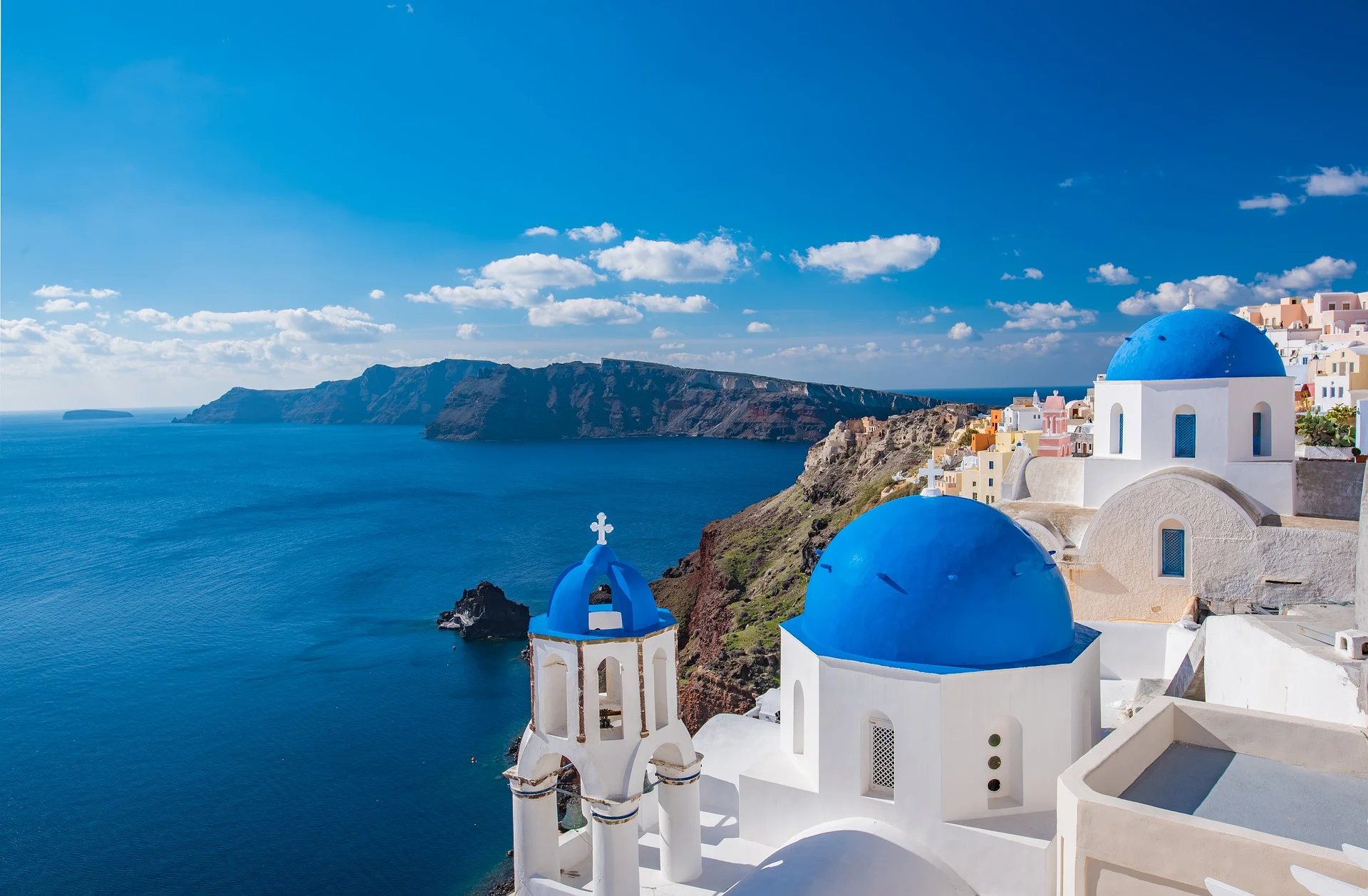
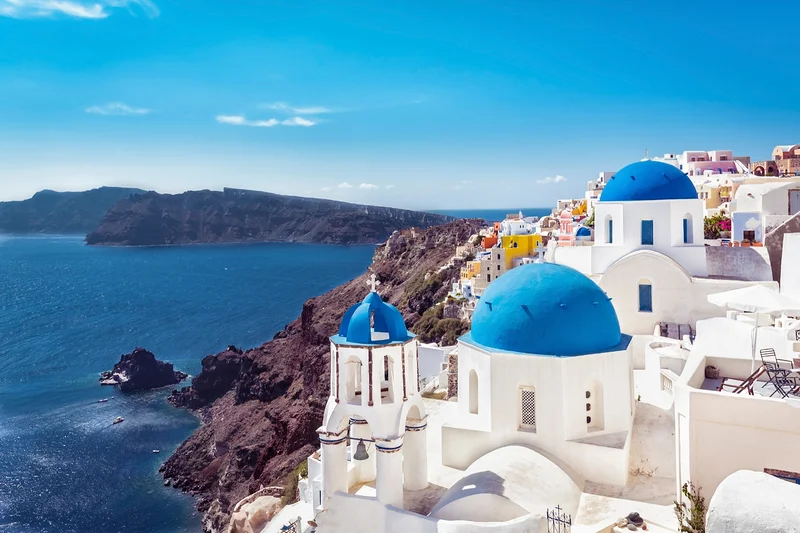
Santorini was born from a volcanic catastrophe, resulting in white-washed villages clinging to ochre cliffs above a deep blue caldera. The sunsets here are legendary, the vines grow in unique baskets across volcanic rock, and the local cherry tomatoes have a flavor profile you will not find anywhere else. It is a rugged, dramatic landscape that feels like the edge of the world, only with a much better view.

#4 Rhodes +40 recs

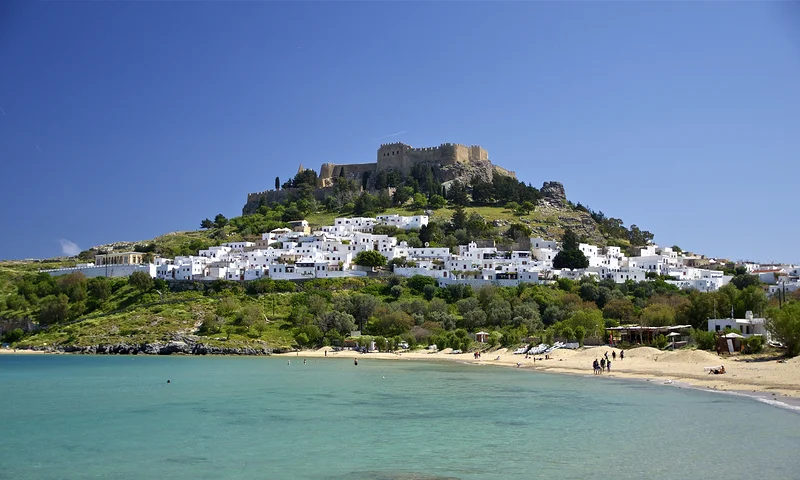
Rhodes sits between the medieval walls of a UNESCO-listed Old Town and the windswept waves of Prasonisi, where two seas meet. This Dodecanese island packs a heavy historical punch, from the fortresses of the Knights of Saint John to Ottoman minarets. It moves past the typical Cycladic aesthetic, offering hillside white villages, hidden butterfly-filled valleys, and a legacy that traces back to the Colossus.

#5 Heraklion +38 recs

Heraklion is the rugged capital of Crete, defined by its complex history and the ancient Minoan ruins at the Palace of Knossos. Beyond the archaeological sites, you will find a working port city filled with local markets and authentic taverns that serve as a practical hub for exploring the rest of the island. It feels less like a polished resort town and more like a real, grit-and-all Mediterranean city.

#6 Delphi +25 recs

Clinging to the slopes of Mount Parnassus overlooking the Gulf of Corinth, Delphi remains a powerful site where the Pythia once delivered ancient oracles. Beyond the ruins, the surrounding mountain terrain offers iconic hikes to the Corycian Cave and easy access to the alpine village of Arachova or the seafaring town of Galaxidi. Expect a trip defined by deep history and rugged landscapes, providing a direct look at the roots of Greek culture.

#7 Milos +12 recs

Milos looks like a movie set from another planet: white rock formations carved by erosion, red-sand beaches warmed by volcanic activity, fishing villages with multicolored doors built right at the waterline. The island where the Venus de Milo was found has kept its low-key character, far from the crowds of Santorini or Mykonos. Here you explore sea caves by boat, swim in secret coves, and watch the sun drop into the Aegean from the ruins of a Venetian kastro.

#8 Zakynthos +11 recs

As the bright county seat of the island that bears its name, Zakynthos, also called Zante, is the main town of a stunning Greek island spanning 406 km². Framed by the turquoise waters of the Ionian Sea, its fine sand and lush vegetation make it a heavily visited destination. Homer already mentioned it in the Odyssey, and its history reads like a succession of rulers: Romano-Byzantine, Arab, Norman, part of the Kingdom of Sicily, Venetian, French, and more. It wasn't until 1864 that it officially joined the Kingdom of Greece. Today, fishing and tourism form the backbone of its economy.

A town of character and charm

The island's beauty shines right through the town streets. Among its many churches, the Agios Dionysios church stands out as the most prestigious. Beautifully decorated, this three-aisled Orthodox basilica dating from 1925 is remarkable for both its architecture and its interior. Located near the port, its striking bell tower defines the skyline. It is the premier spot for scenic strolls where you can look out over luxury yachts and fishing boats against that incredible blue backdrop. Lined with benches and framed by towering palm trees, the vast Dionysios Solomos Square captures the island's charm in one place. Named after the poet whose words form the Greek national hymn, he sits right in the center, immortalized in a pristine statue. Paved and flanked by stately buildings, it is the beating heart of Zakynthos. The Agios Nikolaou church edges the square, standing as one of the few structures that survived the devastating 1953 earthquake. Right here, the sumptuous Byzantine Museum opens its three levels to display sculptures, frescoes dating from the 15th to the 17th centuries, paintings, and photographs of the town before the natural disaster.

A beach right in town

Heading toward the coast to Agiou Markou Square, you will first spot a striking arched building housing the Solomos and Kalvos Museum. Alongside original works and personal belongings, the lives of these two local artists, who are among the island's most famous figures, are on display. The bustling square is packed with boutiques, cafes, and restaurants. It is the ideal spot to try local specialties like tzatziki, a crisp cucumber starter that pairs perfectly with chickpea bread, psarosoupa, a traditional fish soup, or stifado, a tender beef and onion stew. For dessert, try mandolato, the island's signature sweet: an almond and honey nougat inherited from the Venetians. Be sure to stop by one of the oldest residences in town, Romas Mansion, once home to the aristocratic Romas family. This 1660 manor is exceptionally well-preserved.

Some of the finest coastlines in the region are found right here on Zakynthos. Located just 500m from downtown, Eot may be less famous than the renowned Gerakas or Navagio beaches, but it remains a gem framed by striking viewpoints. As everywhere else on the island, the crystal-clear waters are perfect for a swim, and the beach is overlooked by the Bokali hill, home to a Venetian fortress known as a kastro. The panoramic views from the top are unbeatable.

Getting there

The local airport handles international flights year-round, with direct seasonal routes from major European hubs during the summer. If you are traveling by car, you will need to take the ferry from Kyllini on the Greek mainland. From Athens, long-distance buses make the trip down, including the ferry crossing.

#9 Kalambaka +10 recs

Located in Thessaly, a region in central Greece and the mythological land of the centaurs, Kalambaka is a small town whose charm lies primarily in its exceptional setting. Tucked into the mountains, it offers gorgeous views and a natural playground for outdoor sports. Yet travelers flock here every year for one truly rare and spectacular sight: the Meteora and their incredible clifftop monasteries.

The charm of a town surrounded by grandeur

With its splashing fountain, Kalambaka's main square captures the vibe of the entire town. Looming right over the urban center, the Meteora watch over the streets. Mythology says they were hurled down from the sky, and standing in front of these towering Tertiary-era conglomerate pillars, you can almost believe it. Because of them, striking views are everywhere, and the downtown area is packed with tavernas and restaurants where you can admire the scenery while trying a meat pie, one of the local specialties. Just a short walk from the main street, the Natural History and Mushroom Museum showcases the flora and fauna of the Thessaly plain through a collection of 350 mammals and birds. More intimate, the Museum of Hellenic Culture is worth visiting to explore Aesop's fables or view artists' interpretations of the Meteora. North of Kalambaka, beneath the rock of Aea, the Byzantine Church of the Assumption of Mary is a remarkable three-aisled structure built on the ruins of an ancient temple, ranking among the oldest in the country with superb frescoes and statues.

Monasteries suspended between earth and sky

With surroundings like this, Kalambaka is a popular starting point for hiking, and an 8 km stretch of the Pinios River is great for rafting. Still, it is hard to overshadow the town's true marvels, the Meteora Monasteries. Twenty-four houses of worship were originally built atop these dramatic rock formations. Only 13 remain intact, and just six can be visited today. An unforgettable 17 km driving loop features stair-access points and an otherworldly atmosphere as you approach these clifftop sanctuaries. Built between the 14th and 16th centuries, the oldest of them all, Megalo Meteoro, dates back to the 1340s and is also the largest. The impressive Varlaam, the smaller Agios Nikolaos, Roussano with its English garden tended by nuns, the vertigo-inducing Aghia Triada, and Agios Stefanos with its two churches are all Eastern Orthodox and leave a lasting impression. The sweeping views and the sheer logistical feat of building them give the visit a surreal quality. For its beauty and history, the entire complex is designated a UNESCO World Heritage Site.

When to go

From November through late March, Kalambaka gets cold with plenty of snow. The best time to visit is from April to October.

How to get there

Flights from the US connect through major European hubs to Athens, 375 km away, or Ioannina, 103 km away. From either airport, you can continue by bus or rental car, though trains to Kalambaka run only from Athens since the Epirus region has no rail service.

#10 Skiathos +7 recs

This little corner of the Mediterranean walks a fine line, managing a growing tourism boom while protecting its identity and dodging total overcrowding. Skiathos pulls it off with serious style. It is an impressive feat for an island spanning just 48 km². As a standout in the Sporades archipelago, it packs a lot into a green landscape: pine forests, a shoreline boasting 60 beaches, a buzzing nightlife scene, and striking religious architecture. With a vibe that mixes Tuscan hills with Caribbean-clear water, the main town has an incredible energy.

An island of culture and historic sites

True to Greek island tradition, the main hub is simply called Chora, and you will not find another town of its size here because it is the only one. Ferries pull right into its port, which splits the town in two around the Bourtzi peninsula, home to a 1200 fortress. You can still see parts of the old stone walls today, and the sweeping coastal views make it a prime spot for summer art events. Chora is packed with flowers, winding cobblestone alleys, colorful staircases, ornate balconies, and classic Byzantine tile roofs. While the nightlife gets loud after dark, daytime brings plenty of culture. The Nautical and Cultural Tradition Museum displays two centuries of local shipbuilding across 600 pieces, and the birthplace of author Alexandros Papadiamantis is worth a stop. Right nearby, the Clock Tower offers stubbliing sunset views after a short uphill walk, with Saint Nicholas Church just a few steps away. You will find more religious heritage up at the Evangelistria Monastery, a stone fortress from the 18th century perched on a hill between the sea and the pine trees. It houses a sacristy with sacred relics, a Folklore Museum inside the old mill, and a small shop selling local goods like wine. When hunger strikes, local food leans heavily toward the sea, featuring dishes like grouper puree and crayfish cooked with wild herbs.

Exceptional natural landscapes

With 60 beaches to choose from, Skiathos covers just about every coastal setting you could want. You will find rugged rock formations and soft sand, spots sheltered by pine trees or steep cliffs, sea caves at Lalaria, quiet hidden coves, and lively beach bars at places like Vromolimnos. The most famous stretch of sand is Koukounaries, widely praised for its striking scenery, and the clear water of the Aegean Sea ties it all together. Back away from the coast, the pine-covered hills hide hiking trails like the route to Kastro, a 14th-century fortress ruin perched above the sea that still holds two old churches.

When to go

Between May and October, the weather is warm and the water is ideal for swimming. The Mediterranean climate stays mild year-round, though summer brings heavy crowds, making spring and fall much quieter. September brings the Katsonia festival, while April marks a major local celebration for Saint George.

How to get there

During the peak season, Skiathos International Airport handles direct and connecting flights from major European hubs. You can also take a ferry across from the mainland ports of Volos or Agios Konstantinos.

Our members' favourite things to do in Greece

Ranked on recommendations from travellers who did them

#1 Parthenon (Athens) +28 recs 4.1/5

The Parthenon is the most iconic monument within the Acropolis of Athens. Finished in 432 BC, this Doric temple once housed a colossal statue of Athena. Its 46 Pentelic marble columns and precise design define ancient Greek architecture. Despite centuries of damage, ongoing restoration efforts keep this landmark a centerpiece of Greece.

See the guide See deals-7%AVYGEO7

#2 Acropolis (Athens) +22 recs 4.8/5

In the heart of Athens, the Acropolis rises 156 meters above the city. Once a fortress and royal residence in 3000 BCE, the site became a sanctuary during antiquity. Dedicated to the goddess Athena, it features the iconic Parthenon, the Temple of Athena Nike, the Erechtheion, and the Theatre of Dionysos. This UNESCO World Heritage site showcases the architectural legacy of ancient Greece.

See the guide See deals-7%AVYGEO7

#3 Old Fortress of Corfu (Corfu) +22 recs 4.7/5

When you arrive in Corfu, the Old Fortress of Corfu is your first glimpse of the island. Perched on a rocky headland above the sea, this structure remains imposing. Built by the Byzantines and reshaped between the 15th and 18th centuries, its bastions and towers showcase remarkable military engineering. Explore the 1840 church, museum, lighthouse, and former prison. The view from the top is stellar.

See the guide See deals

#4 Akrotiri Archaeological Site (Santorini) +19 recs 5/5

The Akrotiri Archaeological Site in southern Santorini offers a rare look at the Minoan civilization, buried by a volcanic eruption over 3,500 years ago. Explore preserved paved streets, multi-story buildings, and intricate frescoes. Housed under a modern structure, the site is open year-round for a direct view into this ancient city.

See the guide See deals-7%AVYGEO7

#5 Acropolis Museum (Athens) +18 recs 4/5

The Acropolis ruins couldn't ask for a better setting than this glass-and-steel museum. Across three floors, 4,000 pieces span the Archaic period to Late Antiquity, including the original Erechtheion columns, the caryatids and a Parthenon shown in its original form. Look down: a transparent floor reveals excavated ruins beneath your feet.

See the guide See deals-7%AVYGEO7

#6 Odeon of Herodes Atticus (Athens) +17 recs 5/5

Built in 161 AD at the base of the Athens Acropolis, the Odeon of Herodes Atticus is a 5,000-seat Roman theater hosting the Athens-Epidaurus Festival each summer. Operas, ballets, Greek tragedies, and concerts fill the space under the stars with exceptional acoustics. Entry requires a show ticket, but you can view it from the Acropolis heights during the day.

See the guide See deals

#7 Ancient Agora (Athens) +15 recs 4.5/5

The Ancient Agora in Athens served as the political, commercial, and philosophical core of the ancient city. Set in a green space below the Acropolis, the site features the Temple of Hephaestus, the best preserved in Greece, and the reconstructed Stoa of Attalos, which houses the museum. This is where Socrates debated and citizens voted on laws.

See the guide See deals

#8 Achilleion Palace (Corfu) +15 recs 3/5

Perched above the village of Gastouri, Achilleion Palace in Corfu served as a sanctuary for Empress Sissi following her son's death. Built from 1889 to 1891, this neoclassical estate honors the hero Achilles through detailed frescoes. Its terraced gardens feature Ernst Herter's Dying Achilles and the peristyle of the Nine Muses, all overlooking the Ionian Sea.

See the guide See deals

#9 Panagia Vlahernon Church (Corfu) +15 recs 4.5/5

Among the many sites across Corfu, the Panagia Vlahernon Church has become its signature aesthetic. Part of the Vlacherna Monastery, which operated from the 18th century until 1980, it is the only building still open for services. Reached by a causeway, it sits on the Ionian Sea, defining the Kanoni peninsula.

#10 National Archaeological Museum of Athens (Athens) +15 recs 5/5

North of the city center, the National Archaeological Museum of Athens holds the world's most extensive collection of Greek antiquities, featuring over 11,000 artifacts. From the Mask of Agamemnon and Santorini frescoes to the Antikythera mechanism, this temple of archaeology spans seven millennia of history inside a grand neoclassical building.

See the guide See deals-7%AVYGEO7
See the best activities in Greece

Map of Greece

Greece: 5,000 Years of History, Feet in Turquoise Water

The smell of wild thyme drifting down from the hills, the snap of a white tablecloth being shaken out on a terrace facing the Aegean Sea, a tomato so sweet it tastes like fruit: Greece gets into your senses before it ever tells you its story.

The country counts more than 6,000 islands and islets, and barely 227 of them are inhabited. The rest? Wind-scoured rocks sitting in water of an almost unreal blue. But reducing Greece to its Cycladic postcards means missing the point: this is a whole European continent in miniature, where dizzying gorges in the north rival the beaches of the south, and where every village seems to guard a secret thousands of years old.

A Country Built for (Almost) Every Traveler

Greece casts a wide net. Couples chasing sunsets in Santorini, families looking for safe beaches on Crete, hikers drawn to the Samaria Gorge or Mount Olympus: the country checks a lot of boxes. Still, some travelers risk coming away disappointed, and it's better to know that before you book.

Great for:

  • Fans of ancient sites and mythology: no country on earth packs this many ruins into such a small area
  • Couples and honeymooners looking for island romance
  • Families with kids: shallow beaches, simple and delicious food, a relaxed atmosphere
  • Partiers and night owls, especially in Mykonos and Ios
  • Hikers and nature lovers, from the Peloponnese to the mountainous north
  • Foodies: Greek cooking is among the most generous in the Mediterranean

Not ideal for:

  • Anyone who wants to escape the heat: in July and August, Athens regularly tops 40 °C (104 °F)
  • Travelers with limited mobility on the islands, where cobbled lanes and stairs are the norm
  • Those seeking a radical change of scenery: Greece still works the way the rest of Europe does
  • Fans of big modern cities and high-end shopping

A Reasonable Budget, Except on the Star Islands

Greece is cheaper than France, with a cost of living roughly 12 to 15% lower. But watch out: prices can swing threefold between a quiet little island and Mykonos in the middle of August. Inter-island ferries also weigh on the budget, especially in high season.

Estimated budgets by type of trip in Greece, excluding international transportation
Type of trip Where Length Budget per person
Cultural city trip Athens 4 days $280 to $560*
Cyclades island hopping Paros, Naxos, Santorini 10 days $900 to $2,020*
Family beach vacation Crete or Rhodes 1 week $560 to $1,120*
Mainland road trip Peloponnese and Meteora 10 days $680 to $1,350*
Party getaway Mykonos or Ios 5 days $680 to $2,240*
Hiking and nature Zagori, Mount Olympus, Crete 1 week $450 to $900*

Getting Around on the Ground: What to Know

Greek transportation works well, but it rewards a bit of planning. Ferries link the islands with decent regularity, unless the meltemi, the strong northerly wind of summer, decides to pin the boats in port. On the mainland, KTEL buses serve the main cities efficiently and cheaply. Cards are accepted almost everywhere, including village tavernas. Wi-Fi is decent, and a local SIM card runs about $17* for a month of data.

English is widely spoken in tourist areas, which makes things easy for US visitors. In remote villages of the Peloponnese or Epirus, a few words of Greek work wonders: a simple "efcharistó" (thank you) often earns a smile and a free slice of cake.

Is Greece Safe?

Yes, very. Violent crime is low, Athens included. The usual big-city precautions in Europe are enough: keep an eye on your belongings on the metro and in heavily touristed areas like Monastiraki. On the islands, the feeling of safety is even stronger. Plenty of solo female travelers report feeling perfectly comfortable, day and night.

Friendly tip: the biggest danger in Greece isn't theft or scams, it's local driving. Scooters appear out of nowhere, sidewalks aren't always there, and on winding island roads you need to stay sharp if you rent a vehicle.

Ruins That Make Your Head Spin

No other European country has so many ancient sites per square kilometer. The Acropolis in Athens, with its 2,500-year-old Parthenon, is the obligatory starting point. A ticket costs $23* per adult, and entry is free for EU citizens under 25 (a perk US visitors don't get). Below, the Ancient Agora makes for a quieter stroll, right where Socrates used to run into his fellow Athenians.

But Greek history doesn't stop at the capital. In the Peloponnese, the theater at Epidaurus has such perfect acoustics that a coin dropped on the stage can be heard from the very last row. Mycenae, with its Lion Gate, takes you back to the Bronze Age. Farther north, the site of Delphi, clinging to a mountainside, overlooks a valley of olive trees that rolls down to the Gulf of Corinth.

At Delos, reachable by boat from Mykonos, an entire island is an open-air museum. Doric temples, mosaics and the famous Terrace of the Lions make up a UNESCO World Heritage site that still draws far fewer visitors than the beaches next door.

The Islands, Beyond the Blue-and-White Clichés

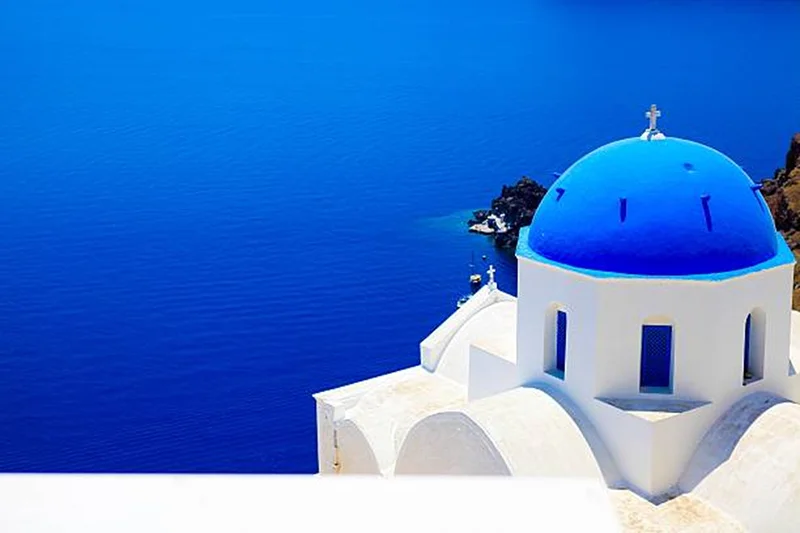
Santorini and its blue-domed houses earn their reputation, especially at sunset from Oia. But the lines for a photo, the Paris-priced restaurants and the packed lanes in July and August take some of the shine off. We think at Avygeo that Santorini is best in May or October, when the island gets a little room to breathe.

For a calmer island experience, head to the less-visited Cyclades. Naxos combines fine-sand beaches, mountain villages and ancient ruins without the crowds. Folegandros, with its Hora perched on a cliff, appeals mostly to Greeks themselves. Milos, sculpted by volcanic activity, has beaches in surreal colors, from Sarakiniko with its white, moon-like rock to Firiplaka with its multicolored sand.

Over in the Ionian Islands, Corfu blends Venetian architecture with emerald beaches. Lefkada, connected to the mainland by a bridge, has some of the most beautiful beaches in the Mediterranean, like Porto Katsiki and Egremni, with white cliffs dropping into turquoise water.

Friendly tip: book your ferries ahead in high season, especially the fast ferries. Early-booking fares on Ferryhopper can save you 30 to 40% compared with buying at the last minute.

The North and the Mainland: The Greece Nobody Sees

Most tourists rush to the islands and miss a different Greece entirely. The Meteora, 4 hours by road from Athens, put on a staggering show: six Byzantine monasteries perched on top of rock pillars rising more than 300 meters. The morning light is extraordinary, and the crowds are far thinner than at the coastal sites.

Thessaloniki, the country's second city, has a very different energy from Athens. Its waterfront promenade, the covered markets of Modiano and Kapani, its UNESCO-listed Byzantine churches and its food scene make it a two-to-three-day stop that's well worth the detour. The Ano Poli district, the upper town, has sunset views over the Thermaic Gulf.

Farther northwest, the Zagori region of Epirus is home to 46 stone villages linked by arched Ottoman bridges. The Vikos Gorge, among the deepest in Europe, can be hiked in one demanding but grand day. This is alpine Greece, a long way from any beach postcard.

Beaches and Coves: Where to Lay Your Towel

With 13,676 kilometers of coastline, Greece has the 11th-longest shoreline in the world. Navagio beach on Zakynthos, with its shipwreck sitting on white sand ringed by cliffs, is one of the most photographed beaches on the planet. It's reachable only by boat, which gives it an almost unreal feel.

On Crete, the Elafonissi lagoon reveals pink-tinged sand and shallow water that's perfect for families. On the south coast, Preveli beach combines a palm grove with a river flowing into the sea. Less well known, Voidokilia in the Peloponnese traces a perfect half-circle of golden sand, backed by dunes, with very few people even in summer.

For diving, the waters around the Cyclades and the Dodecanese offer exceptional visibility. Kastellorizo, a tiny island at the Turkish border, hides the blue cave of Parasta, one of the most beautiful sea caves in the Mediterranean.

Greece on the Plate: Where Simplicity Becomes an Art

Greek cooking rests on remarkably fresh ingredients: sun-ripened tomatoes, cold-pressed olive oil, feta aged in brine, wild herbs picked on the hillsides. The Greek meal is shared: you order several mezze for the middle of the table, from tzatziki to tarama, plus dolmadakia and zucchini fritters. All of it washed down with retsina, the resinated white wine that divides palates, or an ouzo clouded with ice water.

Main dishes revolve around souvlaki, grilled meat skewers served in a pita with onions and tzatziki, and moussaka, the layered casserole of eggplant, ground meat and béchamel that varies from one family to the next. In Thessaloniki, don't miss the bougatsa, a flaky pastry filled with custard or cheese, eaten warm from the market bakeries first thing in the morning.

Friendly tip: in tavernas, ask for "krasi hyma," the house wine by the carafe: it costs three to four times less than bottled wine and is often excellent.

When to Go to Greece

May, June and September give you the best balance of pleasant weather, moderate crowds and reasonable prices. The sea is swimmable from late May and stays warm through mid-October. Spring paints the landscape with wildflowers, and temperatures hover between 20 and 28 °C (68 to 82 °F), ideal for hiking and sightseeing.

July and August are the hottest and priciest months. Athens turns stifling, the star islands get stormed, and prices double or even triple. It's also when nightlife is in full swing on the party islands. Winter in Greece is mild in Athens and Crete but cold and damp in the north. The islands slow to a crawl, yet the capital and Thessaloniki are very pleasant to visit, with rock-bottom prices and a genuinely local atmosphere.

How to Get to Greece

From the US, the usual routing is a nonstop or one-stop flight to Athens, often through a European hub. Within Europe, Athens is served year-round from Paris by Air France, Aegean Airlines, Transavia, easyJet and Sky Express. The Paris-Athens flight takes about 3 h 15, and round-trip fares run $101 to $450* depending on the season and how early you book. In summer, direct flights also connect Paris, Lyon, Marseille and Nantes to Santorini, Mykonos, Crete and Rhodes.

For those who like a sea crossing, ferries link Italy and Greece. The most common routes leave from Bari, Ancona or Brindisi for the ports of Igoumenitsa and Patras. The crossing takes 8 to 16 hours depending on the departure point. Entry rules depend on your passport, so check what applies to yours. European nationals need no visa, just a valid ID card or passport. US citizens can stay in Greece (part of the Schengen Area) visa-free for up to 90 days within any 180-day period on a valid US passport.

How to Get Around Greece

Between the islands, the ferry is king. Blue Star Ferries, SeaJets and Hellenic Seaways serve most of the archipelagos from Piraeus, Athens' port. A Piraeus-Santorini crossing costs between $40 and $90* depending on the speed of the vessel. Fast ferries take about 4 hours, conventional ones closer to 8. One caution: the meltemi can cause delays or cancellations in summer.

On the mainland, renting a car remains the freest way to explore the Peloponnese, Meteora or Epirus. Budget $28 to $68* a day depending on the season. Gas is expensive, around $2.10* per liter (a liter is about a quarter of a gallon), and tolls dot the main highways. KTEL buses offer an economical alternative on major routes, at roughly $5.60* per 100 km. The Athens metro serves the city and the airport well, at $1.40* a ticket downtown.

Friendly tip: on the islands, rent a small vehicle rather than a big car. The lanes are narrow, parking is scarce, and a scooter or a small city car is plenty. Take the full-coverage insurance, because local driving is aggressive. Bring your US license and an International Driving Permit, which Greek rental agencies and police may ask for.
Find the best travel deals in Greece

Hotels and stays Flights Car rentals Custom trips

Trip ideas and themed activities

Top 3 best car rentals in Greece

In Greece, a car is often the only way to hit a mountain village in the morning and a secluded beach by afternoon, especially on islands where buses run rarely. Yet between small local agencies at the airport and international franchises, reliability varies wildly.

Since 2014, Avygeo has relied on traveler reviews and recommendations to help navigate choices like this. The rankings below point you toward the rental companies that actually deliver once you are on Greek roads.

Our regional guides

Cyclades

Cyclades

+56 recs
Crete

Crete

+50 recs

Top photos posted by members

Santorin's Agios Anastasios Church
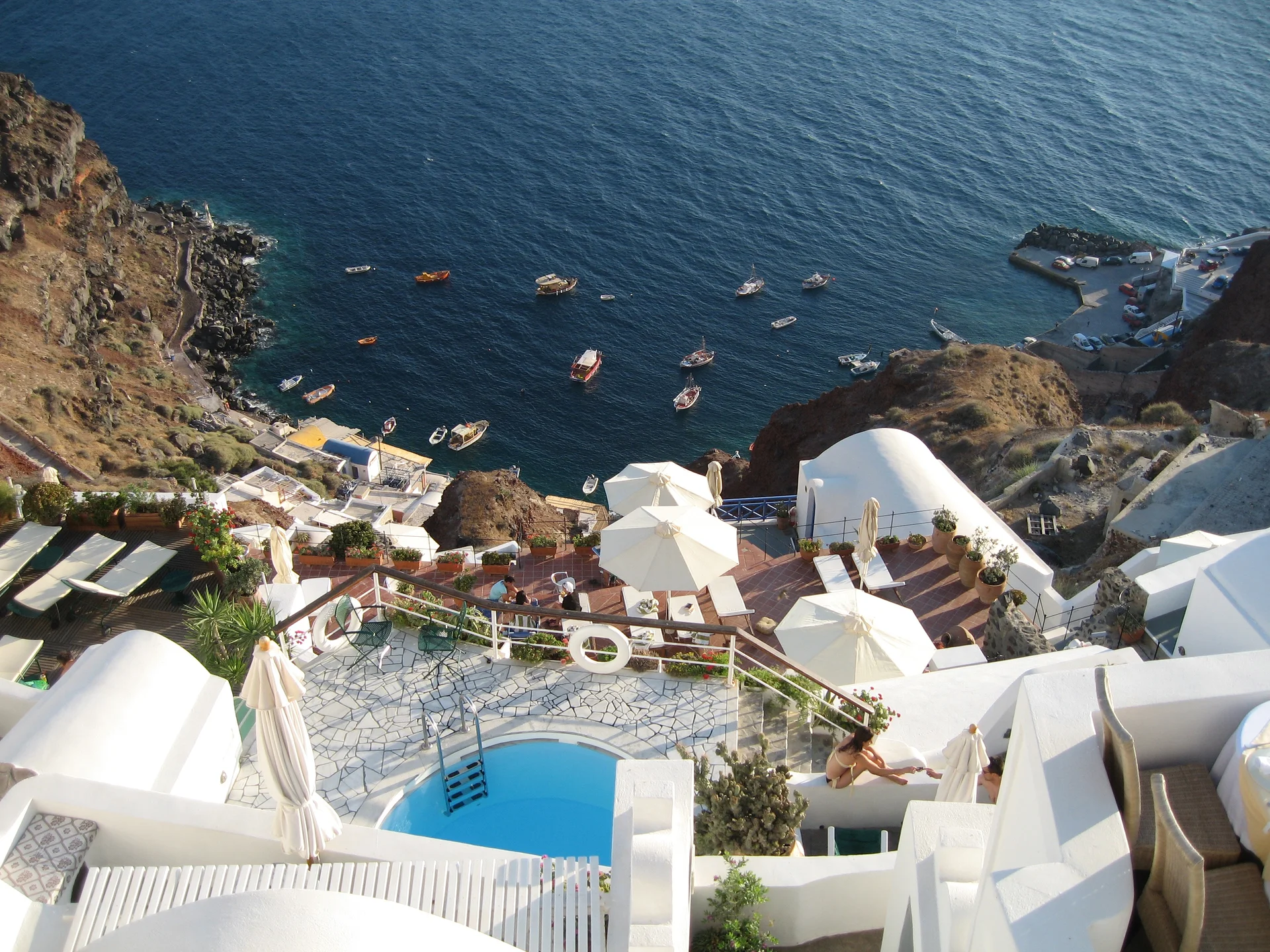
Santorini Port
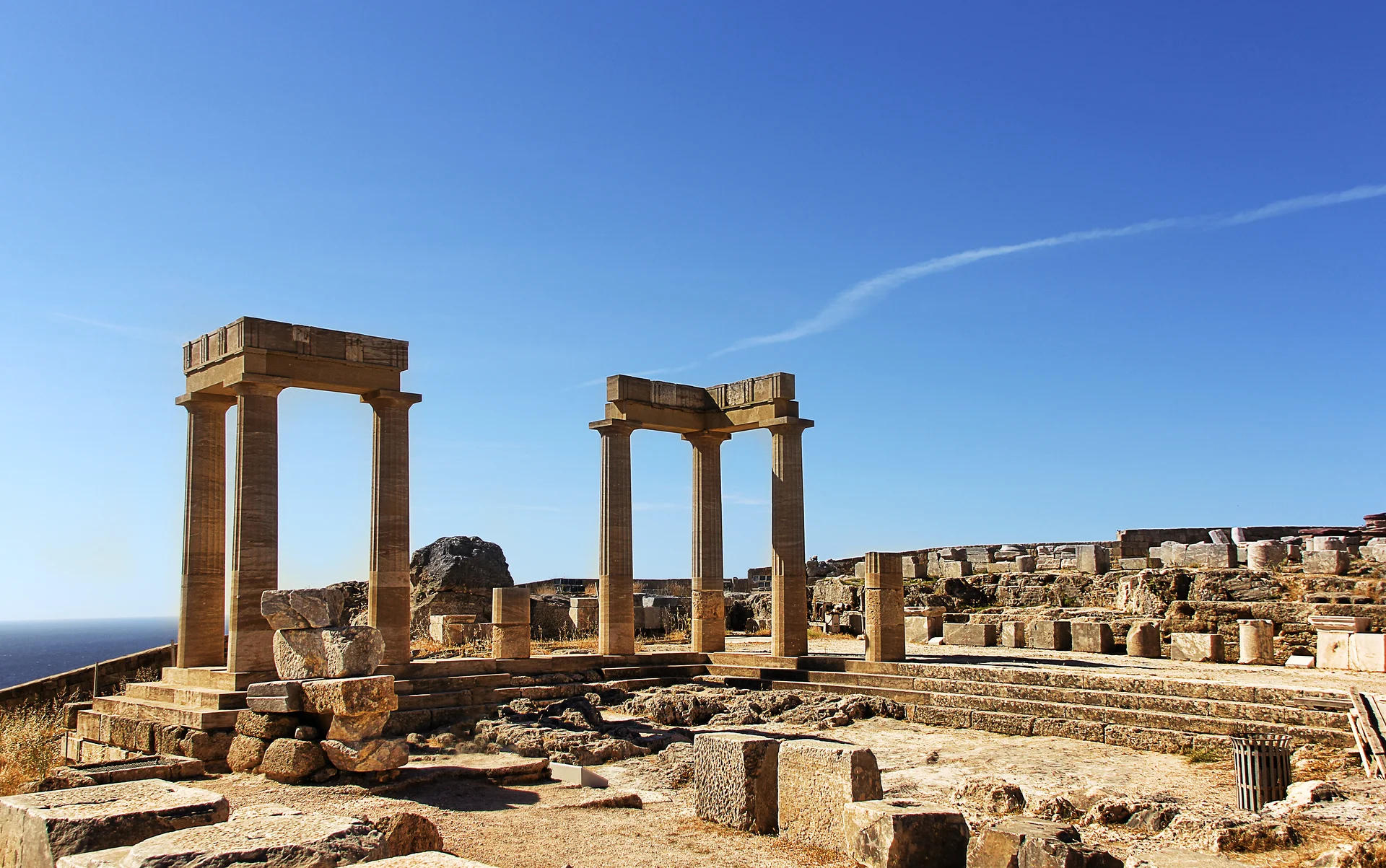
Lindos Ruins

Articles about Greece

Traveler reviews

Lunar landscapes and paradise beaches

Visiting the island of Milos is a really good alternative to the Cycladic islands that are overrun by tourists, like Santorini. Between the port of Adamas, the island's capital Plaka, or even Pollonia…

196

A great addition to the archaeological site

I went there right after visiting the archaeological site. The museum is fairly small, but it has some really beautiful pieces. It would be a shame to miss it. I was impressed by the Charioteer of Del…

60

A magnificent setting

I was curious to discover this palace that served as a residence for Sissi. Just as I imagined, the setting is a real haven of peace. I really loved the gardens, which aren't very well maintained, but…

69

Nice views, but not much history

This old fort shows off Venetian military architecture. I enjoyed the walk through the various tunnels and bastions, which offer a look at impressive cannons and beautiful views of Corfu and its coast…

122

Crowded and disorganized spot

It is a mandatory stop during a trip to the Greek islands, but I have a bad memory of it. Ferries and tourists everywhere. Very few signs to help find your way. I wanted to take a taxi to reach my hot…

93