

Visiting Santorini: When the Earth Decided to Sculpt the Sublime
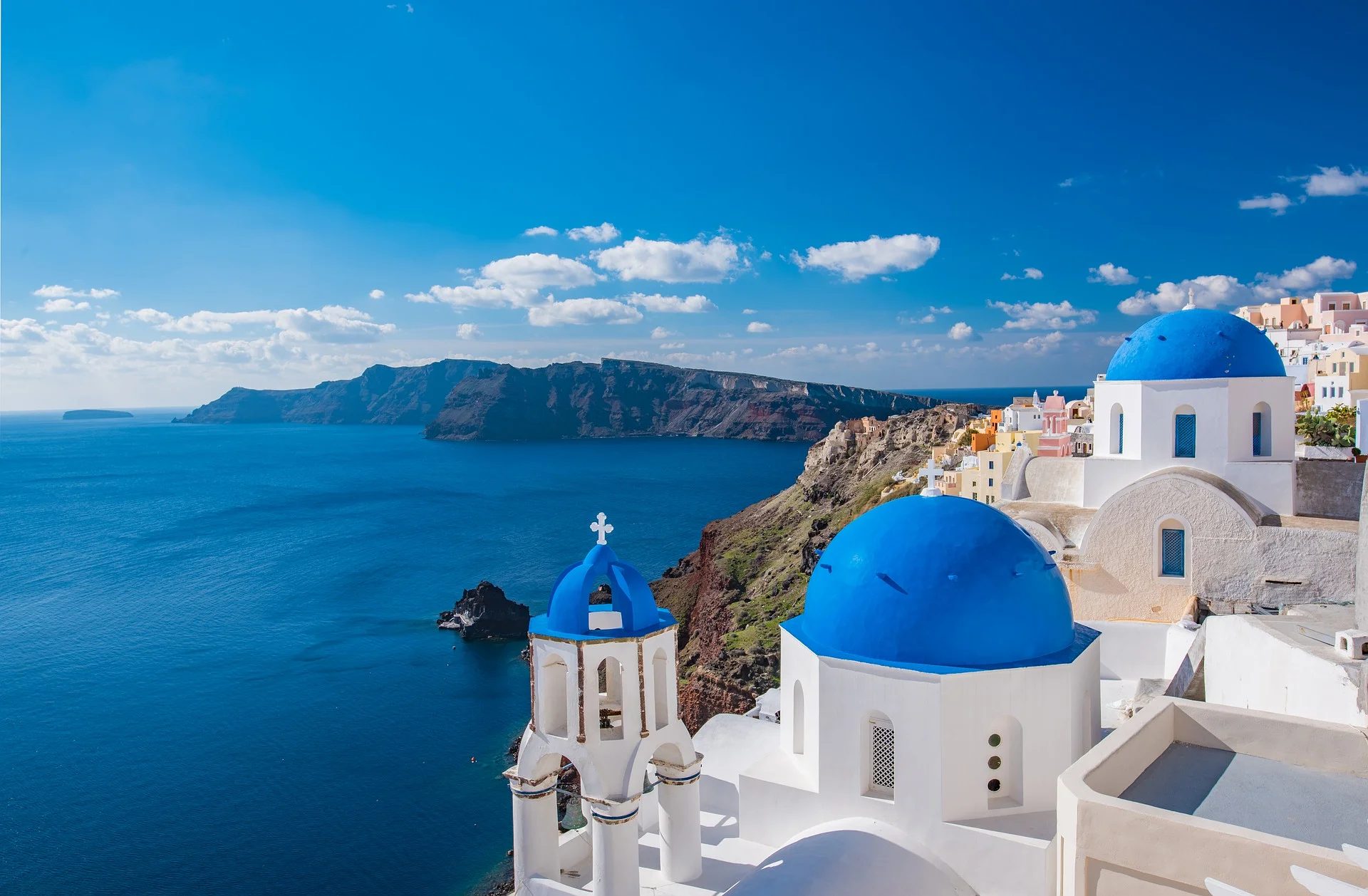
The smell of sulfur sometimes drifts up from the belly of the volcano, a quiet reminder that this overwhelming beauty was born from unimaginable violence. Santorini is not an island. It is a scar. 3,600 years ago, a cataclysmic eruption blew out its center, leaving behind a crescent of vertigo-inducing cliffs where blinding white villages cling today.
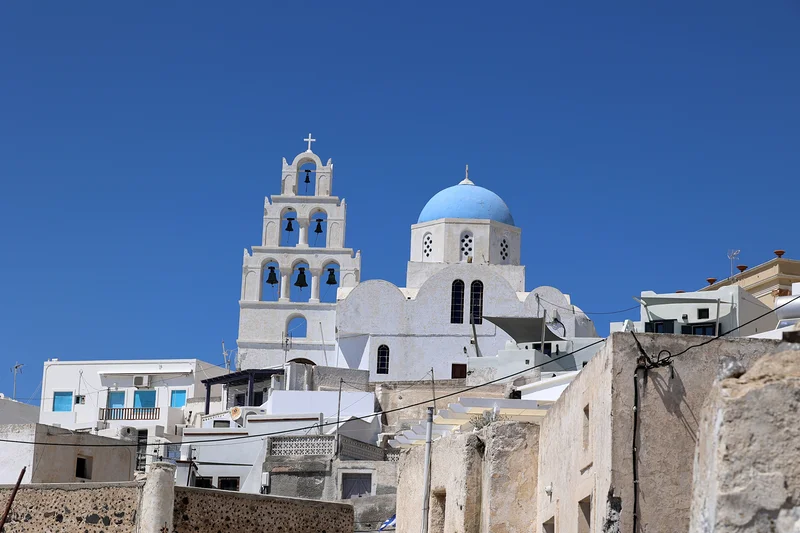
The blue of the church domes echoes the shade of the caldera below, an 83 km² natural pool that still guards the secrets of an ancient sunken civilization.
An Island That Rewards Romantics and Dreamers
This island is tailor-made for couples searching for the absolute, photographers obsessed with golden hour light, and epicureans willing to pay top dollar for a jaw-dropping view. If you are looking for raw Greek authenticity or golden sand beaches, keep walking. Here, the sand is black or red, volcanic straight down to your toes.
Santorini requires some planning. The island is small, but the roads are winding, and crowds can turn a romantic stroll into an obstacle course between July and August. For those willing to accept these compromises, the reward matches the reputation. Few places on earth pack such a concentrated dose of dramatic beauty.
A Budget Not to Underestimate
Plan for between $169 and $290* per day for two people in the mid-range tier, covering decent lodging with a caldera view, two restaurant meals, and a few activities. Cliffside hotels in Oia or Fira can easily top $340* a night during peak season, while staying in Perissa or Kamari cuts that bill down to a third.
The Suspended Villages: Between Sky and Abyss
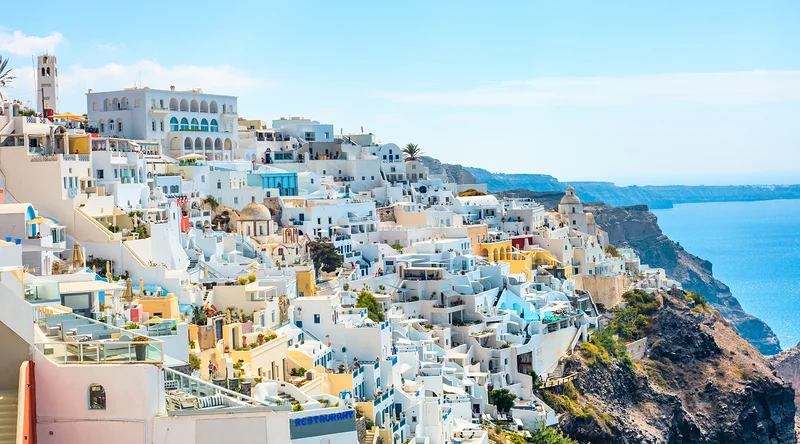
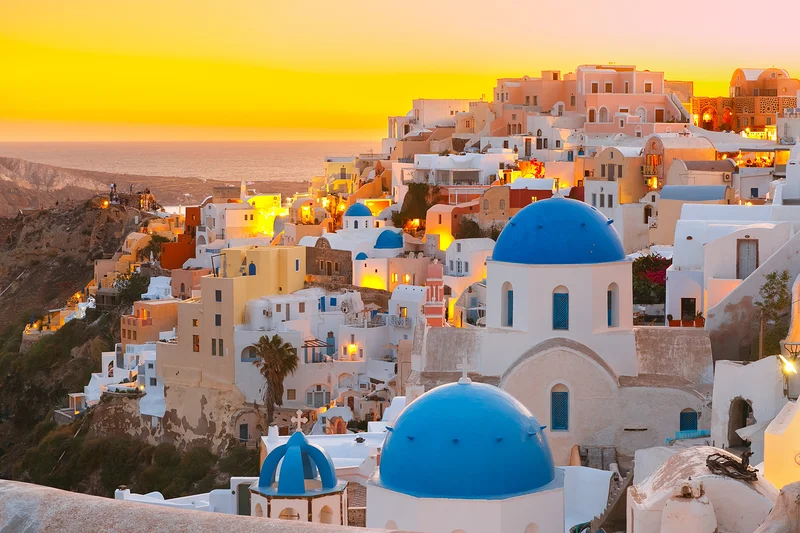
The main show unfolds on the western ridge of the island, where white houses seem to defy gravity. Oia, up north, is the most photographed village in the world, and it knows it. Its labyrinthine alleys, art galleries, and design boutiques draw hundreds of visitors every evening to watch the sunset from the ruins of the Byzantine castle.
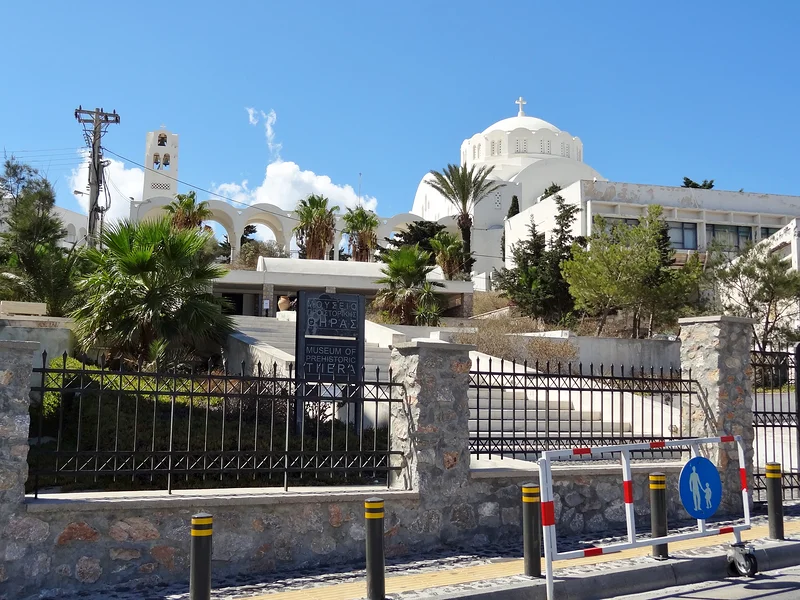
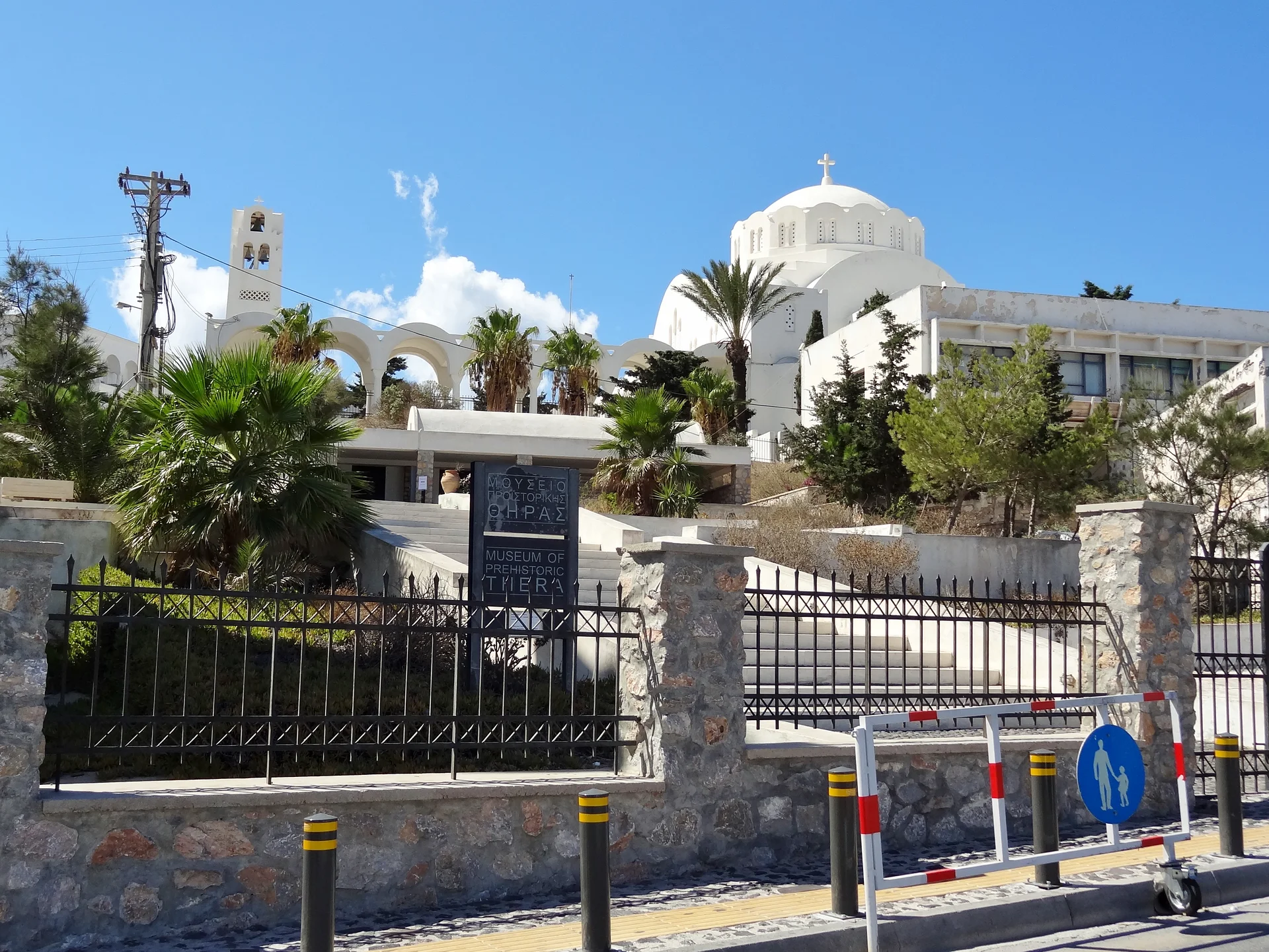
Fira, the capital, brings a busier energy with its bars, restaurants, and museums. The Museum of Prehistoric Thera displays frescoes recovered from Akrotiri, relics of a sophisticated Minoan society. Right between the two, Imerovigli, nicknamed the "balcony of the Aegean Sea", hits the sweet spot with identical views and smaller crowds.
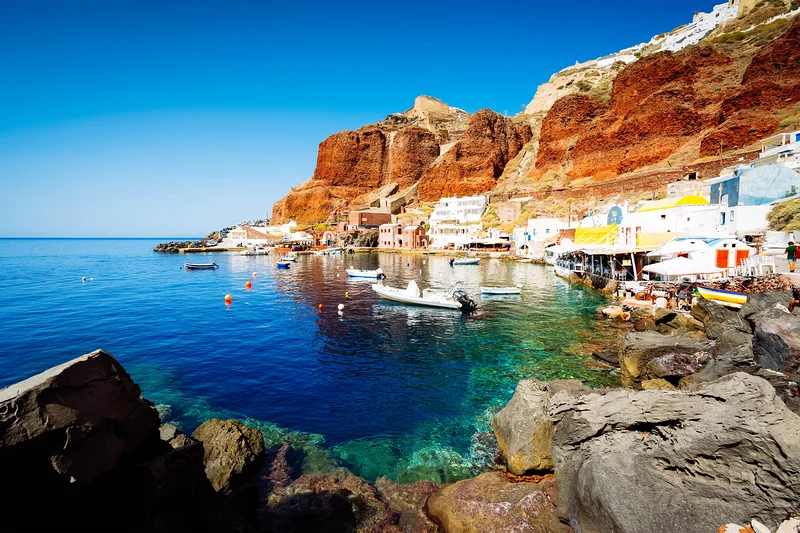
Friendly tip: Hike the 10 km trail connecting Fira to Oia along the rim of the caldera. Head out early in the morning or late in the afternoon, pack plenty of water, and finish with a well-earned dinner down in Ammoudi bay right below Oia.
Volcanic Beaches and Raw Nature
Forget Caribbean postcard shores. Here, a beach is earned and full of surprises. Red Beach near Akrotiri rolls out scarlet cliffs against turquoise waters, a striking contrast though the stretch of sand is tiny and often packed. Perissa and Kamari on the eastern coast stretch out miles of black volcanic sand lined with sun loungers and waterfront tavernas.
For history buffs, the archaeological site of Akrotiri is a Greek Pompeii, frozen under ash for 3,600 years. Cobbled streets, multi-story buildings, and drainage systems reveal a surprisingly advanced society. Just minutes away, the Akrotiri lighthouse offers an alternative sunset spot far from the Oia crowds.
Friendly tip: Book a boat trip to Nea Kameni, the active volcano sitting right in the center of the caldera. After climbing up to the crater, a soak in the sulfurous hot springs of Palia Kameni rewards the climb.
Vines and Flavors: The Island's Gourmet Soul
Santorini's volcanic terroir yields unique treasures. The vines grow in baskets called kouloura, coiled low to the ground to survive the fierce winds. The Assyrtiko grape produces dry, mineral, punchy whites that pair perfectly with seafood. Vinsanto, an amber dessert wine, ages for years in oak barrels, making it a sweet finish you should not miss.
Local wineries open their doors for tastings with a view. Santo Wines serves up sweeping panoramas over the caldera, while the Koutsoyannopoulos wine museum in Vothonas traces the island's winemaking history inside an old cave carved into the rock.
Friendly tip: Pick up your bottles at local supermarkets rather than directly at the winery. The price tags are noticeably lower, and the winemakers themselves will tell you the exact same thing.
Where to Eat and Drink in Santorini?
Local cooking revolves around ingredients grown in volcanic soil. Fava, a smooth yellow split-pea purée drizzled with olive oil and lemon, accompanies almost every meal. Tomatokeftedes, fritters made from sweet cherry tomatoes and fresh herbs, are addictive. Chlorotyri, a creamy goat cheese made in tiny quantities, is best spread over toasted bread.
For seafood, head down to Ammoudi bay or over to the eastern coast toward Monolithos, where family-run tavernas serve grilled octopus and catch of the day at friendlier prices than you will find up on the caldera rim. The Kapari taverna in Fira is worth a detour for dishes you will not find elsewhere and honey-baked feta.
How to Get There and Get Around Santorini?
Santorini airport (JTR) handles direct flights from Paris, Lyon, or Marseille during the high season, alongside daily connections from Athens taking 45 minutes. The romantic alternative is the ferry from Piraeus taking 5 to 8 hours depending on the ferry line, ending with a dramatic approach right beneath the caldera cliffs.
Once you arrive, the bus network connects the main villages out of Fira, though schedules run on island time. Car rental or quad rentals give you more freedom, with city cars running $45 to $68* a day. Heads up: the roads are tight, parking is hard to come by in Oia and Fira, and gas is among the most expensive in Europe.
When to Go?
The months of May-June and September-October strike the best balance with pleasant temperatures sitting at 24-28°C, manageable crowds, and softer rates. Skip July and August if you can, as the heat turns punishing, prices shoot up 30 to 100 percent, and the narrow lanes turn into gridlock. Winter appeals to solitude seekers, but plenty of spots close down and the water gets chilly.
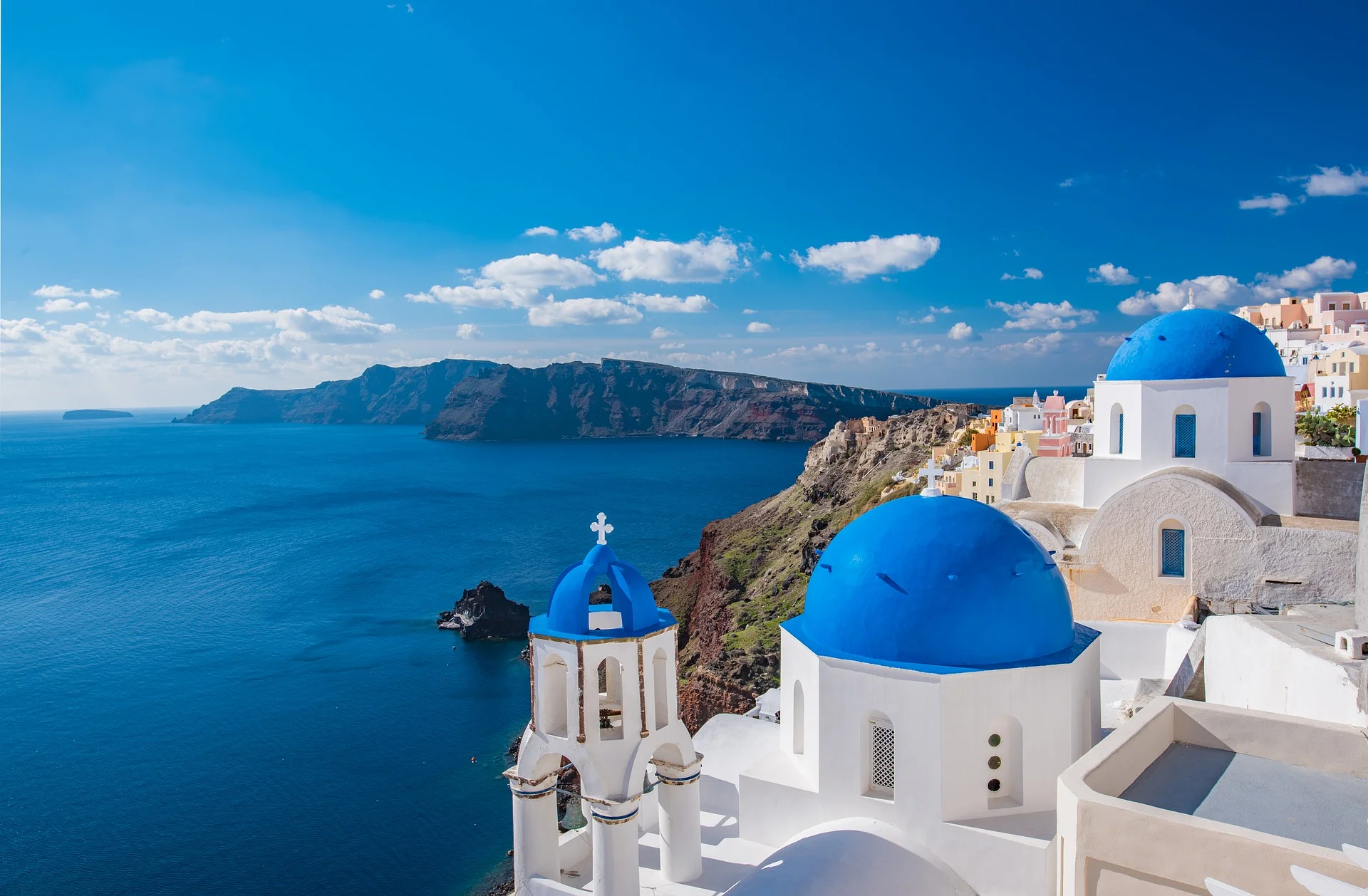
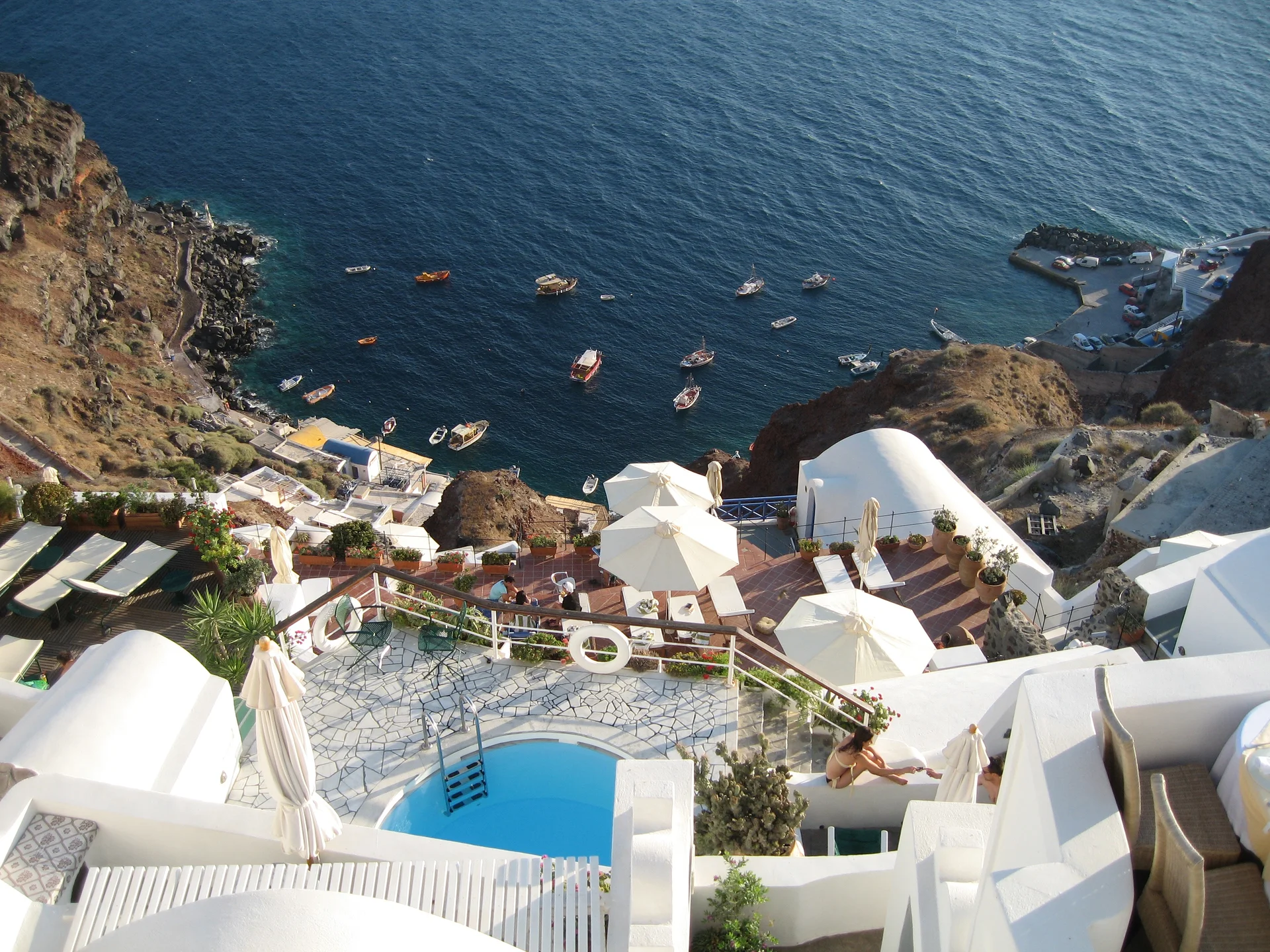
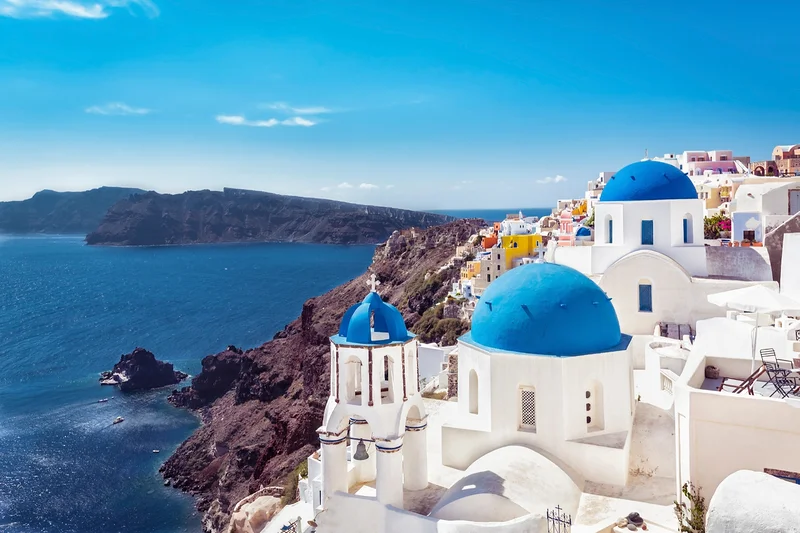
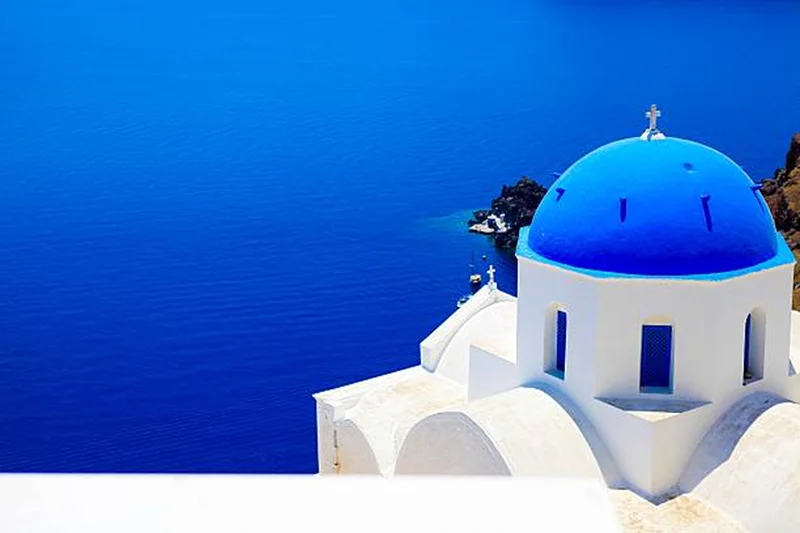
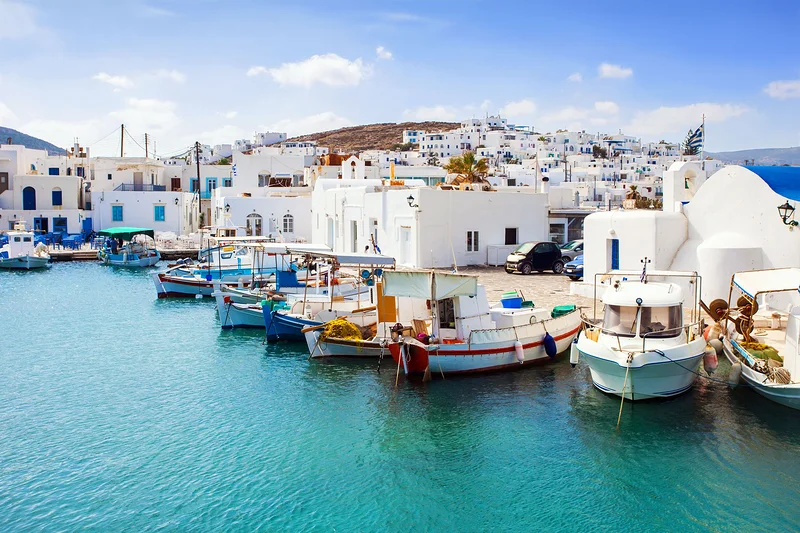
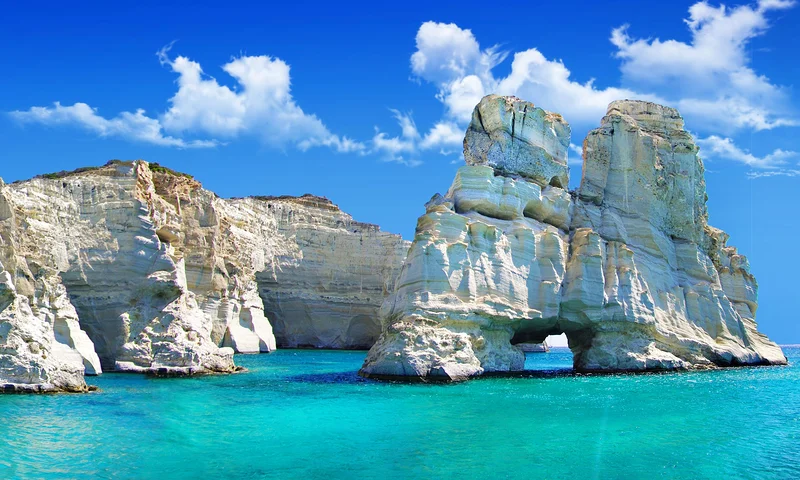
Even though Santorini has become very touristy outside of peak season, the place is truly magnificent. The view of the sea is exceptional. The white and blue houses really look like a postcard. To enjoy it, avoid the months of July and August at all costs.