
Visiting Heraklion, Between Minoan Ruins and Mediterranean Energy
The scent of a frappé coffee mixes with the salty spray of the Venetian harbor. To your left, local college students debate politics on the patio of a kafeneio. To your right, an elderly woman dressed in black sells wild herbs she foraged that morning in the nearby hills. Welcome to the Cretan capital, where 4,000 years of history collide on every corner.
A City for the Curious, Not the Passive Observer
If you are looking for the postcard charm of the Cyclades, this is not the right spot. Heavily damaged during World War II, the fifth-largest city in Greece was rebuilt in a hurry, featuring more concrete than poetry. That is precisely what gives it its gritty authenticity.
This destination appeals to archaeology enthusiasts who want to dive deep into the mysterious Minoan civilization. It is equally rewarding for food lovers, as the culinary scene is exceptional. Families will appreciate having a high concentration of museums and sites within easy reach.
On the flip side, travelers watching their expenses and fans of pristine resort beaches will find better options elsewhere on the island. A rental car is not strictly necessary for the city itself, but it quickly becomes essential for exploring the surrounding countryside.
The Minoan Shock: Knossos and Its Museum
You cannot skip the Palace of Knossos, located just 5 kilometers from downtown. These 20,000 square meters of ruins tell the story of Europe's first major civilization. While Arthur Evans took some creative liberties with his early 20th-century restoration (those bright red columns), the site carries a raw, undeniable power.
The bull frescoes instantly recall the myth of the Minotaur and his labyrinth. It is easy to lose track of time wandering through the maze of rooms, from massive storage magazines to the delicate artwork of the Queen's Megaron. The acoustics in the Throne Room remain fascinating.
Friendly tip: book your combo ticket for Knossos and the archaeological museum online. You will save a few euros and skip the ticket line. Most importantly, visit the site early in the morning or late in the afternoon to avoid the tour bus crowds.
Back in town, the Heraklion Archaeological Museum ranks among the finest in Europe. The Minoan collection is staggering: the mysterious Phaistos Disc with its undeciphered symbols, finely crafted gold jewelry, and bold Kamares ware pottery. Plan for at least two hours to do it justice.
Strolling Through the Venetian Core
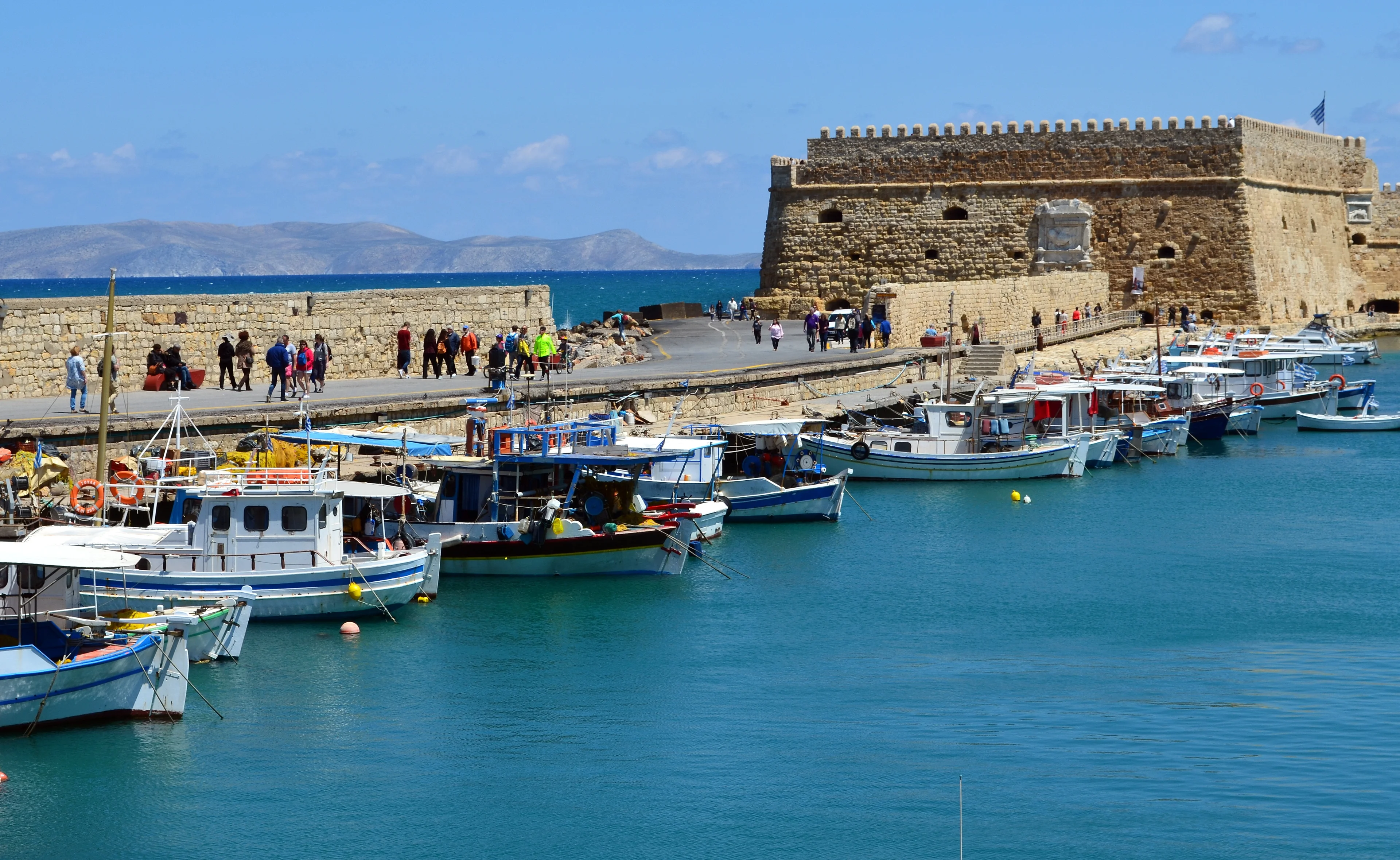
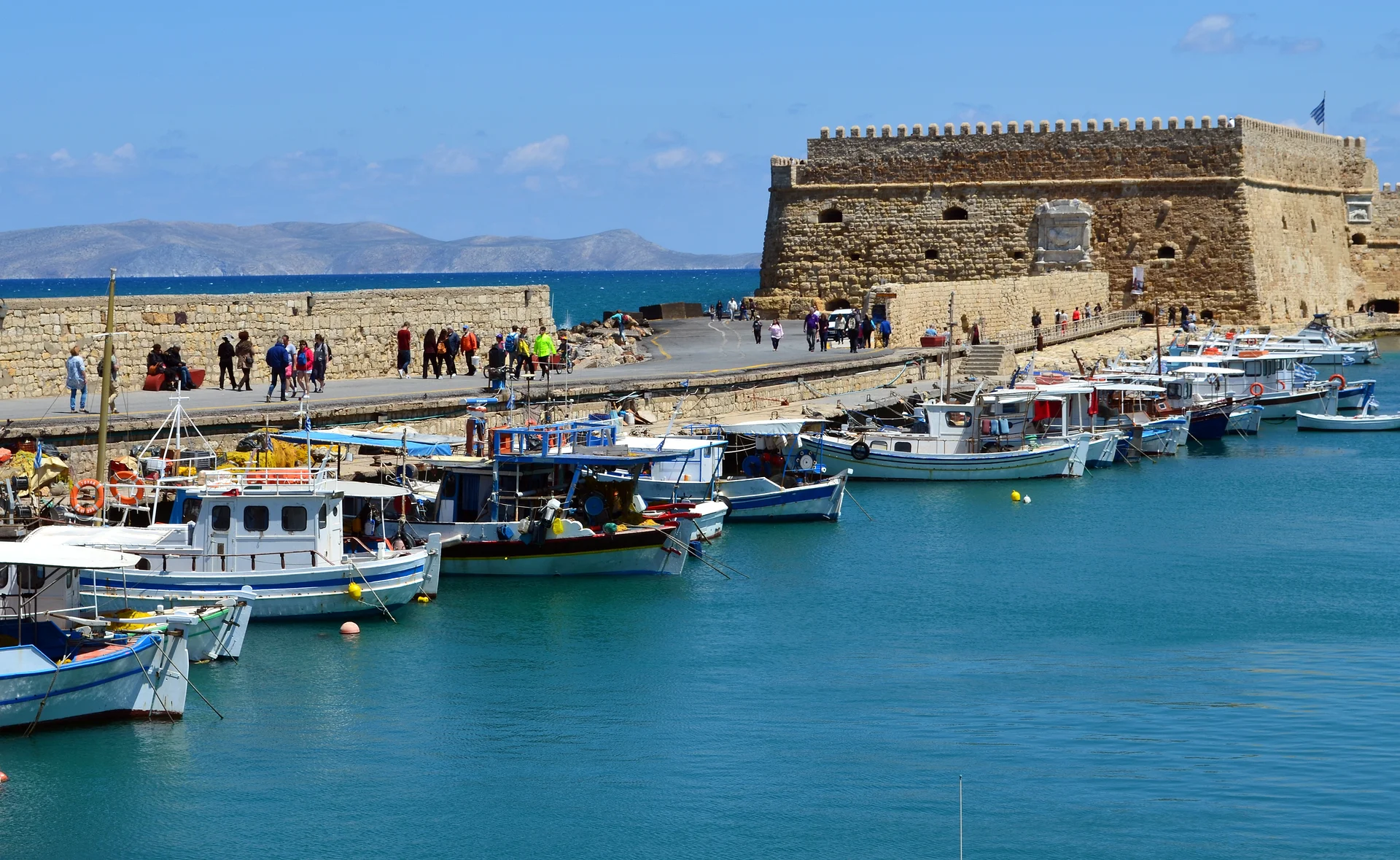
The Old Port and the Koules Fortress frame one of the best city views. This imposing 16th-century Venetian fortress, complete with the Lion of Saint Mark carved into its facade, bears witness to a 20-year Ottoman siege. The view from the roof is worth the climb.
Head up 25th of August Street, the main thoroughfare running north to south through the city. Along the way, you will pass the Byzantine church of Agios Titos, the Venetian Loggia (now serving as the city hall), and the famous Lions Square with the Morosini Fountain, where locals and students hang out.
Do not miss the 1866 Street central market, a sensory overload of colors and aromas. Between stalls of local cheeses (the graviera is a must-try), mountain herbs, and endless varieties of olives, you will get a true feel for Crete. On Saturday mornings, the Pateles market also sells local crafts and goods.
Friendly tip: walk along the top of the Venetian walls for an unusual perspective. These 16th-century fortifications encircle the old town. At the Martinengo Bastion, you can visit the grave of Nikos Kazantzakis, Crete's most celebrated author.
Museums for a Deeper Dive
The Historical Museum of Crete, housed in an elegant neoclassical building right on the waterfront, covers 1,700 years of history starting from the Byzantine era. It holds the only two El Greco paintings on permanent display in Crete, alongside a detailed scale model of the city during the Venetian period. Admission costs $9* and the museum is closed on Sundays in winter.
More recently updated, the Natural History Museum is a major hit with families. The life-sized reconstruction of the Deinotherium, a giant mammal that roamed the area 9 million years ago, thrills visitors of all ages. The dioramas detailing the Cretan ecosystem are exceptionally well done.
Escaping to the Surroundings
Located about 60 kilometers to the south, the beach town of Matala and its cliffside caves were a famous hippie haven in the 1970s. The vibe remains laid-back, featuring coarse sand and the crystal-clear waters of the Libyan Sea. The ruins of Gortyn, the Roman capital of Crete, make a great stop along the way.
The island of Dia, just off the northern coast, is reachable by a one-hour boat ride. This uninhabited nature reserve offers secluded coves and marine life once explored by Jacques Cousteau. Several catamaran tours depart daily from the port.
For travelers with extra time, mountain villages like Archanes or Peza offer tastings at local wineries. The Lassithi Plateau and its traditional windmills make for an easy and scenic day trip.
Friendly tip: if you have two full days to spare, catch a ferry to Santorini. High-speed boats take barely 2 hours, letting you check out the volcanic cliffs and whitewashed Cycladic villages before heading back the same evening.
Where to Eat and Drink in Heraklion?
The Cretan capital delivers fantastic culinary surprises. Skip the tourist-trap moussaka and dive into genuine island cooking. Local specialties include dolmades (meatless stuffed grape leaves), antikristo (wood-fired grilled lamb), horta (wild greens tossed with olive oil and lemon), and kalitsounia, sweet little pastries filled with mizithra cheese.
At Peskesi, chefs draw from a 4,000-year-old culinary tradition to serve updated Minoan dishes. Erganos charms diners with a rustic interior featuring yarn spools and plates hung on the walls, paired with strictly traditional recipes. A bit off the beaten path, Merastri wins awards year after year for its wood-oven dishes and homemade pasta in rich broth, with every meal wrapping up with a complimentary shot of raki.
For seafood, head down to Paralia right on the water, where you can eat the catch of the day while looking out at the waves. Ntoré Gastronomy, near the archaeological museum, takes a more modern approach to Cretan classics. Sharing a spread of mezze is the best way to try a bit of everything without breaking the bank (dishes run around $5.70*).
How to Get to and Around Heraklion?
Nikos Kazantzakis International Airport sits only 5 kilometers from the city center. Numerous European airports offer direct summer flights. High-speed ferries also connect the city from Piraeus (Athens) or Cycladic islands like Santorini and Mykonos. The trip from Athens takes about 9 hours on a standard ferry or 6 hours on a high-speed craft, dropping you right in the heart of the city.
Once you arrive, downtown Heraklion is completely walkable. The primary sights cluster within a 2-kilometer radius. City buses run to nearby beaches and Knossos (line 2). To explore the rest of Crete properly, renting a car is essential. Keep in mind that downtown parking is entirely paid and often tight.
When to Go?
Spring (April to May) and fall (September to October) offer the best balance: mild temperatures around 20-25°C, fewer tourists, and reasonable prices. Summer (June to August) guarantees sunshine and swimming weather, but the heat can get intense (30-35°C) and crowds at Knossos peak.
Winter (November to March) appeals to travelers looking to dodge the crowds, though many hotels and restaurants close for the season. The weather remains pleasant with sunny days hovering around 15°C. Avoid August if possible, as it is peak month with high prices and heavy foot traffic at all major attractions.
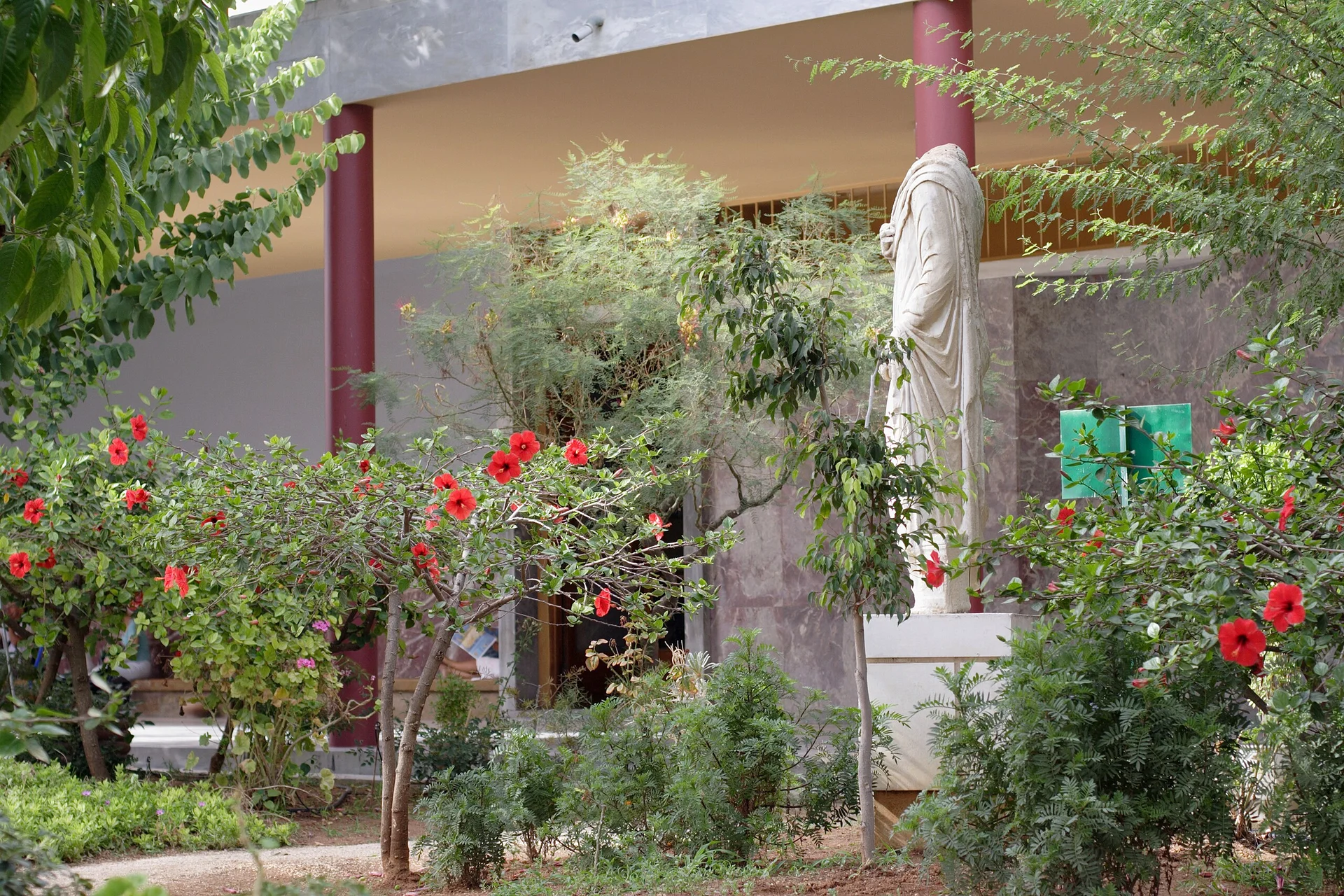
Heraklion has a lot of charm with its little side streets and pretty buildings. The atmosphere is pleasant, and there is a certain easygoing way of life to enjoy. It is ideal for a relaxing vacation in the sun. If possible, avoid school holiday periods when it gets very crowded.