
Visiting Thessaloniki
Right on the Aegean Sea, the capital of Macedonia stands as Greece's second-largest city. Rich in ancient and Byzantine heritage, it blends historic landmarks with modern energy. Filled with life and featuring a grand waterfront garden dedicated to Alexander the Great alongside nearby access to the Chalkidiki beaches, this port and university city wears many hats. Founded in 315 BCE, it boasts 15 UNESCO World Heritage sites.
Rare heritage in a modern city
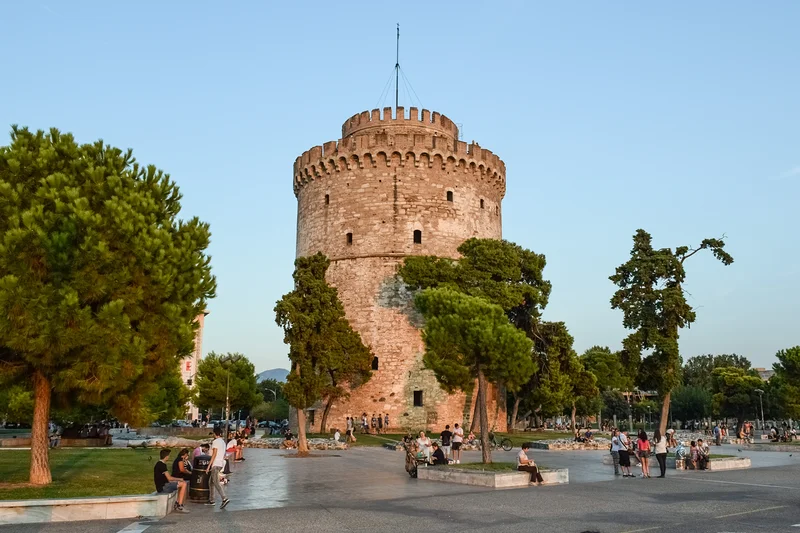
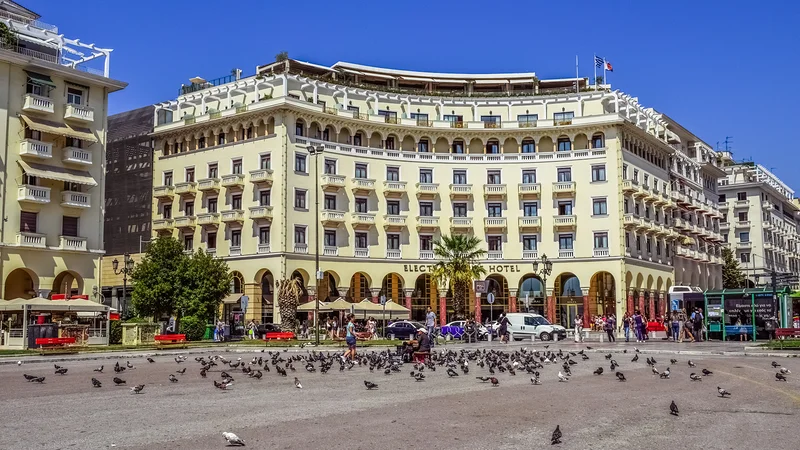
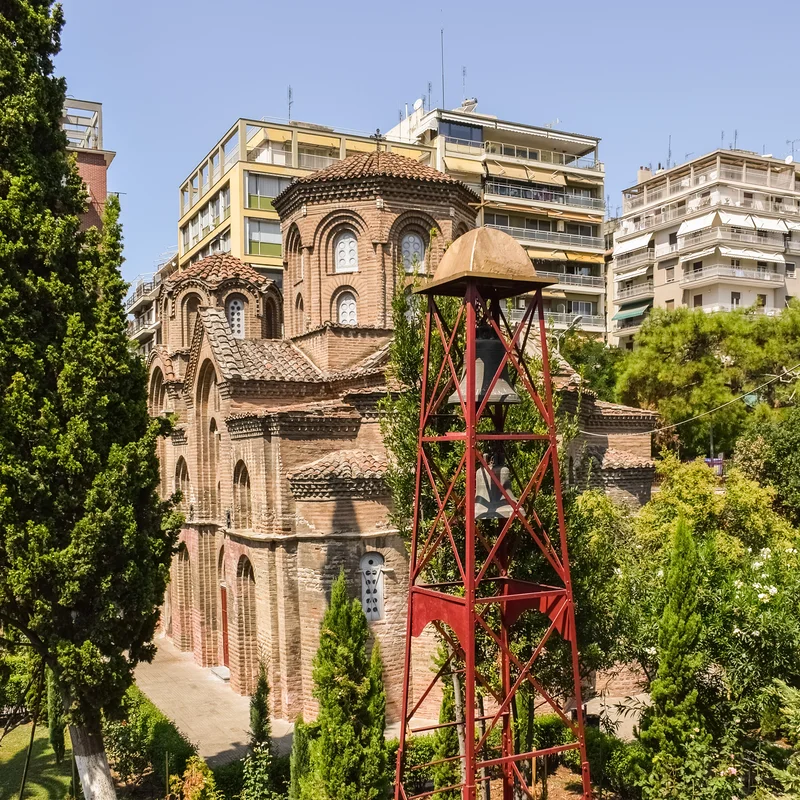
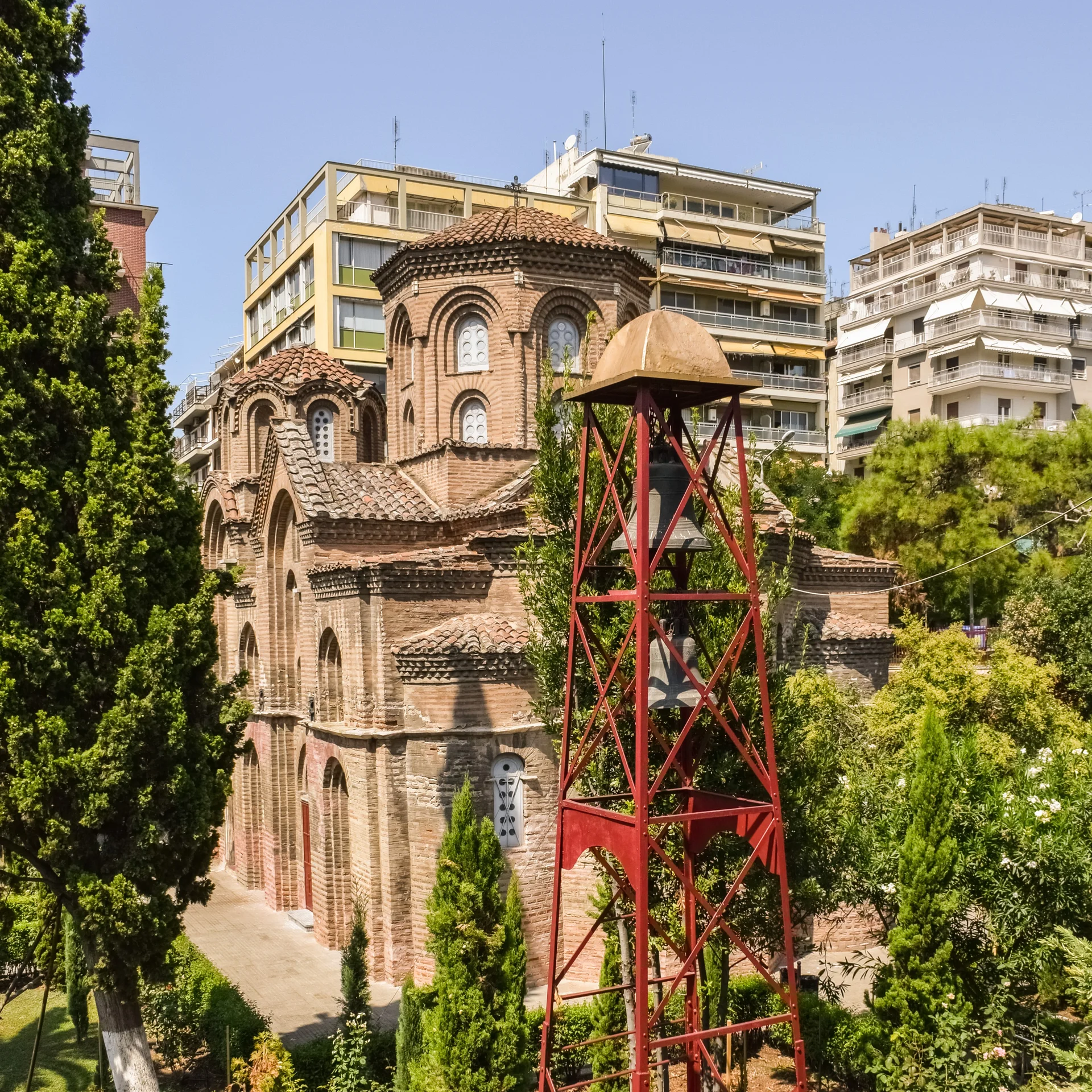
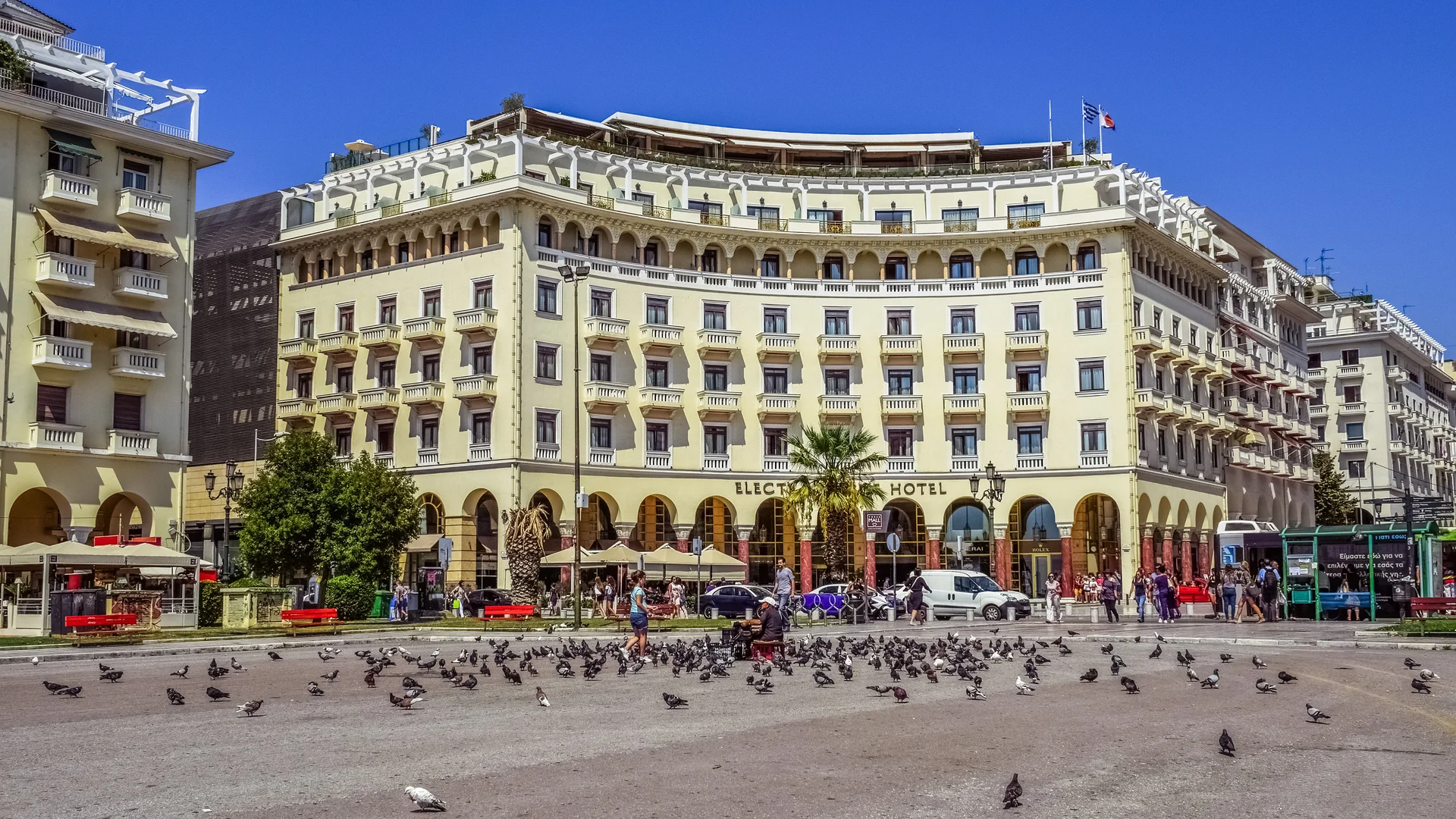
The lower town pulses with energy around the clock. The Aristotle pedestrian street leads straight to the main commercial square, pulling visitors right into the heart of Thessaloniki. Sweeping arcaded buildings set the architectural tone, while Byzantine churches like the 8th-century Agia Sophia stand among the oldest in the area. Over on Egnatia Street, the 10th-century Panagia Chalkeon contrasts with the surrounding hustle, and this same stretch houses the Arch of Galerius with its Roman relief pillars alongside the imposing Rotunda of Agios Georgios built in 306. Down by the harbor, the city symbol awaits: the iconic White Tower, a 15th-century Ottoman fort turned museum that anchors the waterfront. Thessaloniki packs in museums covering Byzantine culture, war history, photography, contemporary art, and Jewish heritage. The collections at the Archaeology Museum are unmissable given the deep history of the city, and excavations continue at the Agora, the old Roman forum complete with baths and a small theater. Local covered markets offer a direct window into everyday life and regional specialties.
A timeless old neighborhood
Up on the heights, Ano Poli offers a preserved historic escape. Flanked by remnants of ancient defensive walls, its steep, colorful cobblestone alleys wind past a mix of Byzantine and Ottoman architecture. The 14th-century Vlatades Monastery is a standout, and the Ataturk House Museum marks the founder of modern Turkey's birthplace. Small gardens break up the low-slung Balkan-style houses, and the sweeping views pair well with a stop at a neighborhood taverna or small shop. Overlooking everything, the Heptapyrgion fortress crowns the site with its ten towers, built in the late 4th century and reshaped across three different empires. Nearby beaches, with Perea as the closest option, round out the appeal of this destination.
When to go
With a continental climate, the best time to visit Thessaloniki runs from April through November. Fall brings the international film festival, while Easter marks the biggest religious celebration of the year.
How to get there
International flights land at the local airport, and a bus handles the trip into the city center. From Athens, located 500 km away, direct trains and long-distance buses connect the two cities.
The second city of Greece, which I would describe as bustling! Thessaloniki is worth the trip, and it is very pleasant to walk around there, whether near the sea or in the old town, which is on a hill (and offers a pretty view after a nice climb!). There are plenty of shops and stalls at the base of the buildings and a few ruins. It is a different vibe than Athens, more relaxed and less touristy!