
Visiting Athens: A city bridging antiquity and modernity
As the defining capital of Greece, Athens is a striking mix of ancient history and energetic street life. It is a place where every turn reveals millennia-old ruins right alongside contemporary Mediterranean commerce. From casual weekenders to serious history buffs, Athens draws travelers looking to experience the literal roots of Western civilization firsthand.
The Acropolis and its ancient treasures
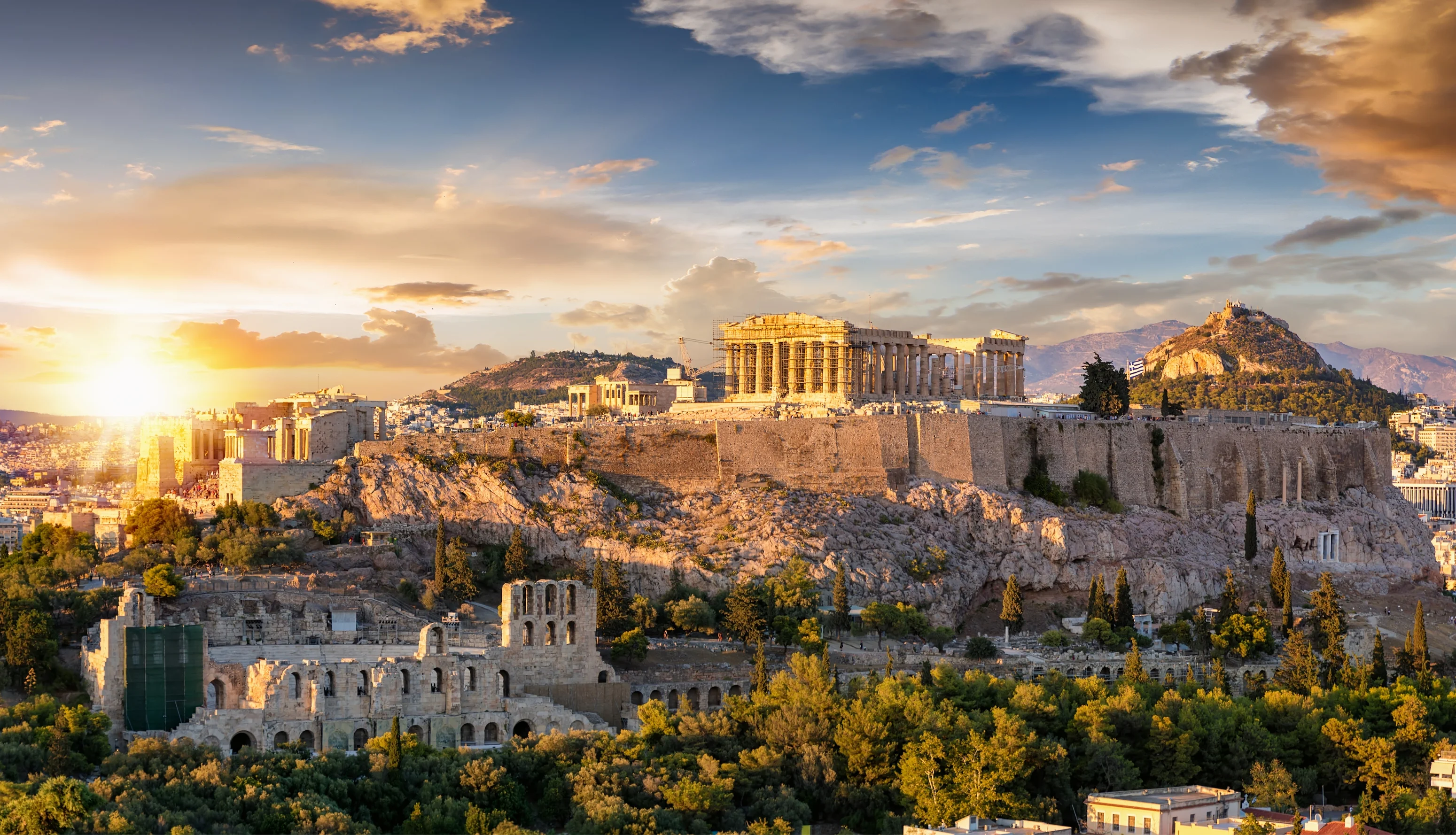
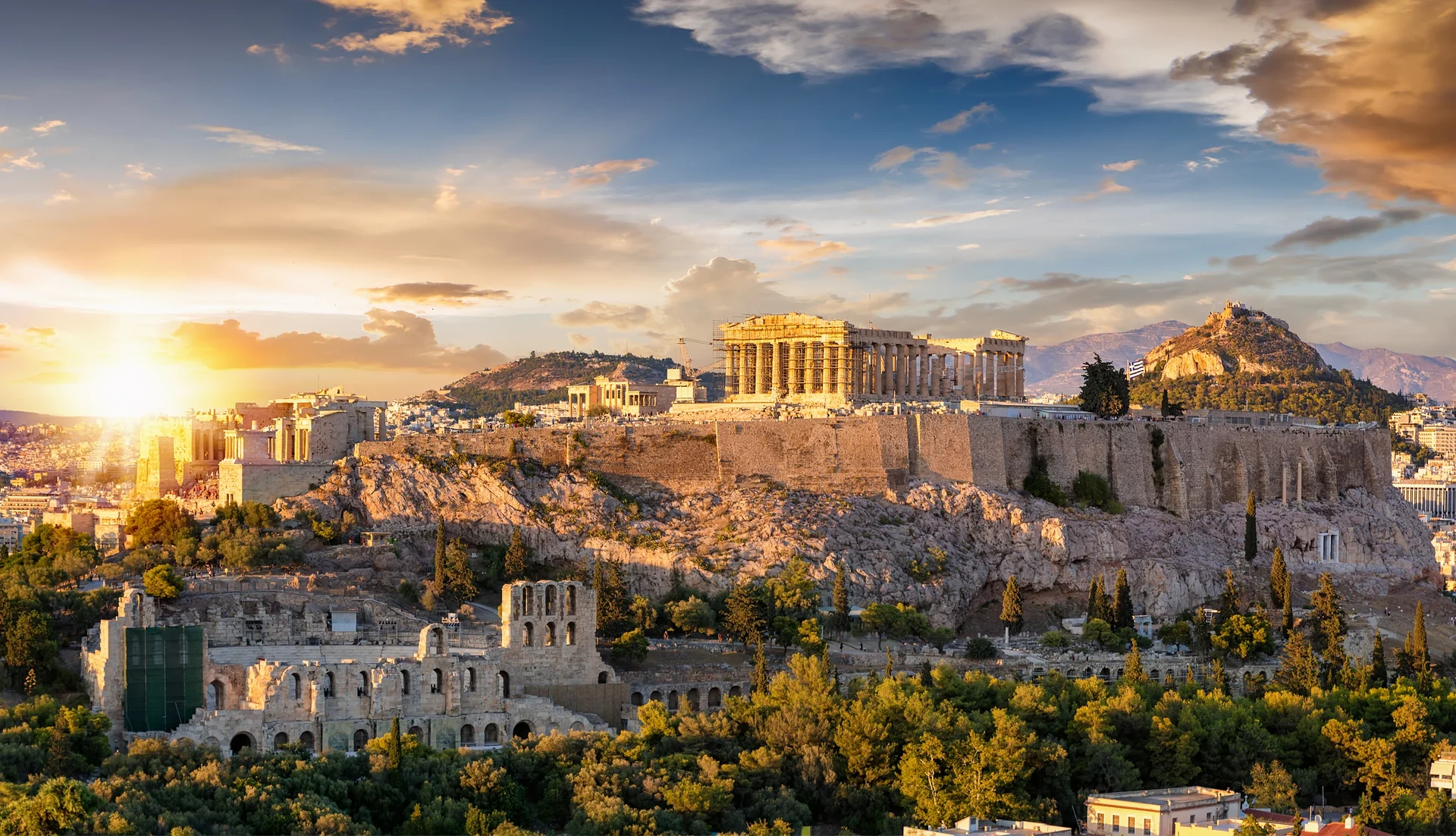
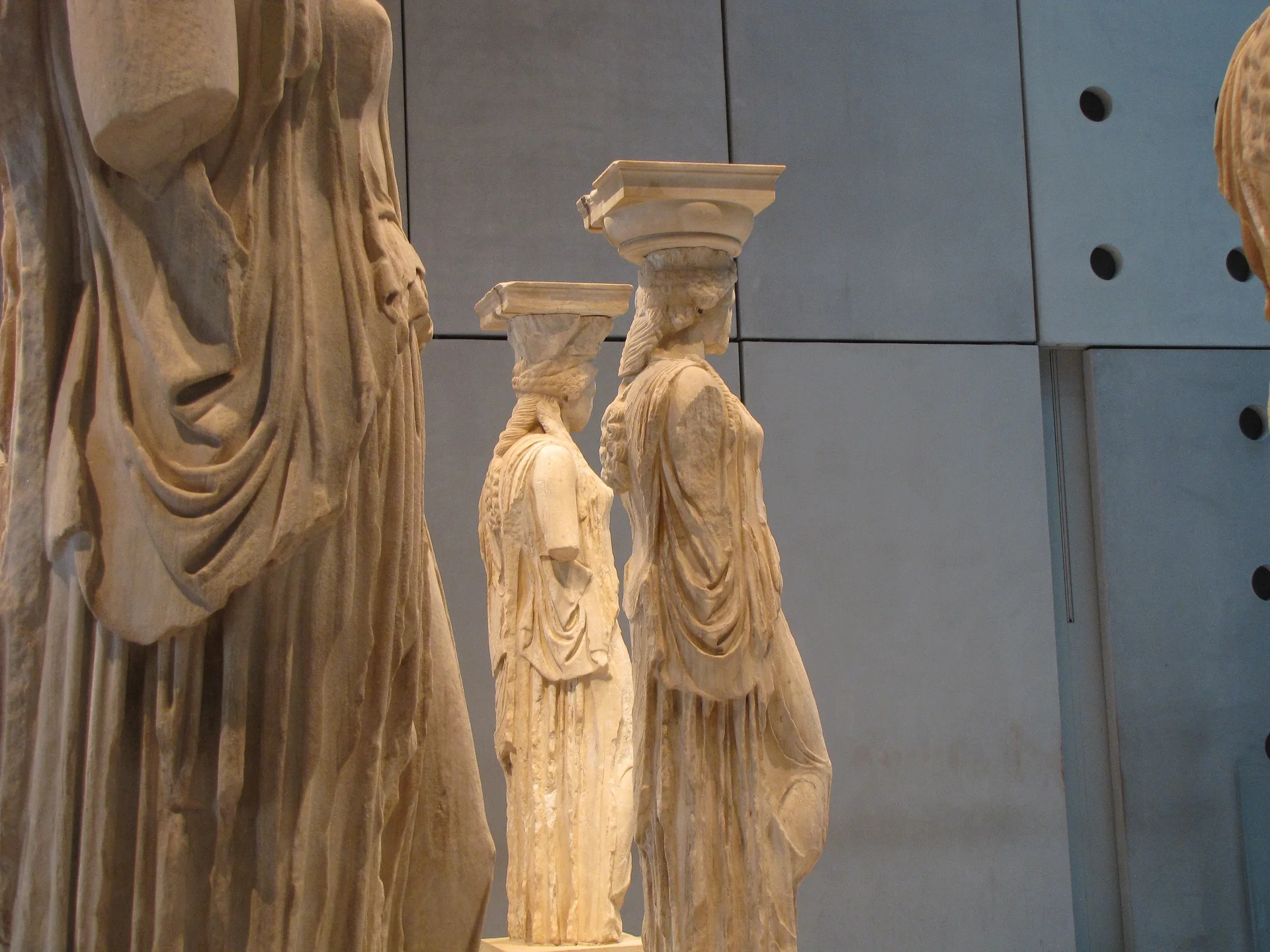
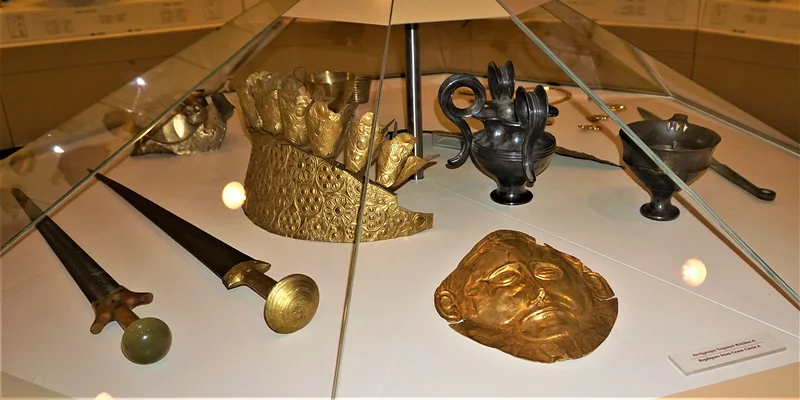
You cannot talk about Athens without mentioning the Acropolis, towering over the city on its rocky outcrop. This major archaeological site holds world-famous structures like the Parthenon, the Erechtheion, and the Propylaea. Right down the slope, the Acropolis Museum displays artifacts recovered from the citadel, giving you the context you need before heading up the hill.
Plaka and Monastiraki: Historic, walkable neighborhoods
Steps away from the ruins, the Plaka neighborhood pulls you in with narrow stone alleys, neoclassical houses, and shaded public squares. It is ideal for an afternoon stroll, picking up handmade crafts, or stopping for pastry. Just next door, Monastiraki is known for its sprawling flea market and eclectic storefronts, hitting peak energy on weekends when locals flood the streets.
Kolonaki and Lycabettus Hill: Sweeping views from above
For a more upscale and polished atmosphere, Kolonaki offers art galleries, high-end boutiques, and sidewalk cafes. It is also the jumping-off point for hiking or taking the funicular up Lycabettus Hill. Up top, the panorama of Athens stretches all the way to the sea, especially around sunset when the city lights start blinking on.
Modern culture among ancient ruins
While Athens leans hard into its past, its current creative scene is very much alive. The Stavros Niarchos Foundation Cultural Center showcases this modern side with striking architecture and sprawling green spaces. Art fans will also want to check out the newly renovated National Gallery for a comprehensive look at Greek and broader European art movements.
Mediterranean flavors and classic dishes
Eating is a central part of spending time in Athens. You will find staples like souvlaki (grilled meat skewers), moussaka (layered eggplant and minced meat casserole), and spanakopita (spinach and feta pies wrapped in phyllo). To drink, raki and ouzo are the anise-flavored spirits of choice, typically served alongside a spread of savory mezes before the main meal.
Where to eat
- To Kafeneio (Plaka): A traditional tavern serving authentic Greek recipes in a cozy, welcoming setting.
- Ta Karamanlidika Tou Fani (Monastiraki): The go-to spot for artisanal cured meats and hearty meze plates.
- Funky Gourmet (Kerameikos): A high-end dining room putting a creative, modern spin on traditional Greek ingredients.
- Mani Mani (Koukaki): Peloponnese-inspired cooking using farm-fresh products to update classic regional dishes.
How to get there
Athens is easily reachable via direct flights from major European hubs. Roundtrip airfares typically run between $113 and $290* depending on the season. Flights from major Western European capitals take around 3 hours.
How to get around
The Athens metro system is clean, fast, and connects all the major sightseeing areas. The central neighborhoods are entirely walkable, but buses and trams fill the gaps if you are heading further out.


Athens is an incredible cultural city. You really feel like you are walking through history. On the other hand, definitely do not come in the summer, it is way too hot there, it is actually unbearable. To visit the most popular tourist monuments, try to book in advance as early as possible.