
Visiting Piraeus
Piraeus is often written off as just the commercial port and transit hub for Athens. With twelve million passengers passing through every year, that is true, but it remains a distinct city in its own right. Located twelve kilometers from the capital, it is defined by three harbors, Mikrolimano, Zea, and Khantaros, which anchor its various neighborhoods. Lively and cosmopolitan, Piraeus leans into its art scene, an exceptional setting on the Saronic Gulf, and a history that dates back to 507 BC.
The harbors set the pace
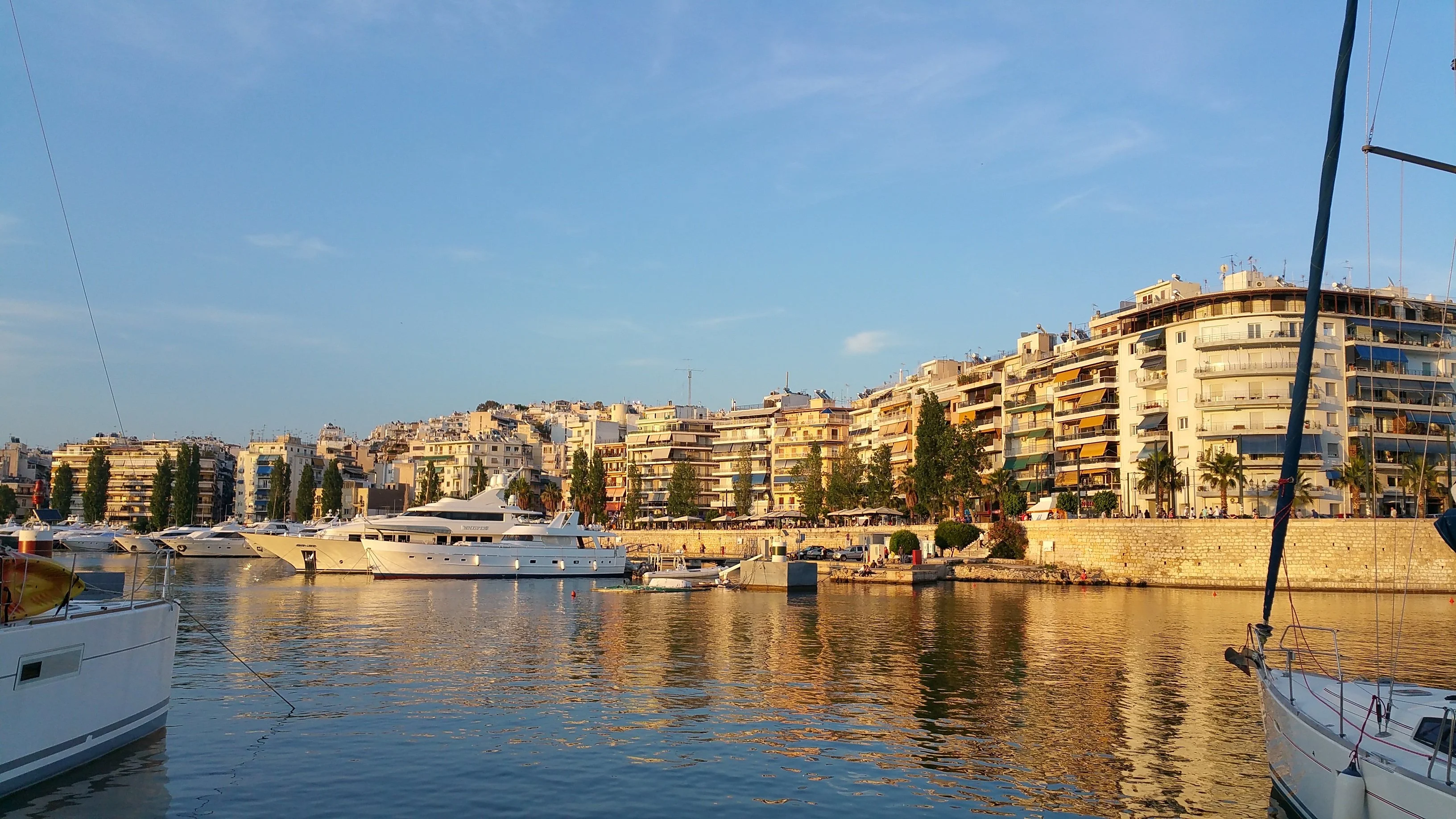
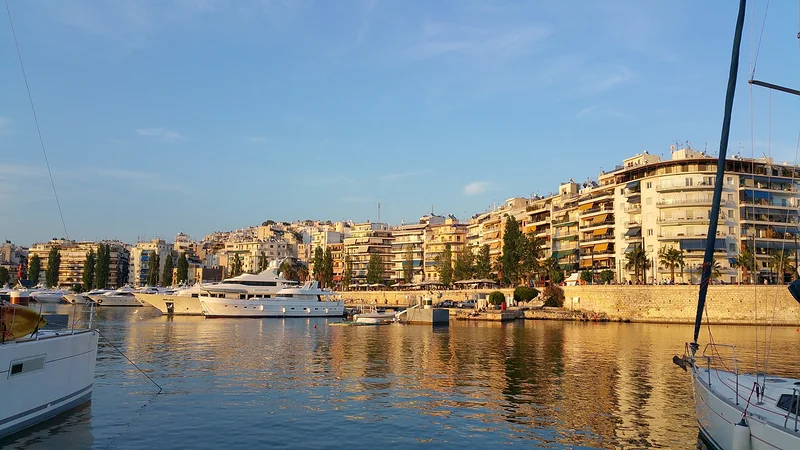
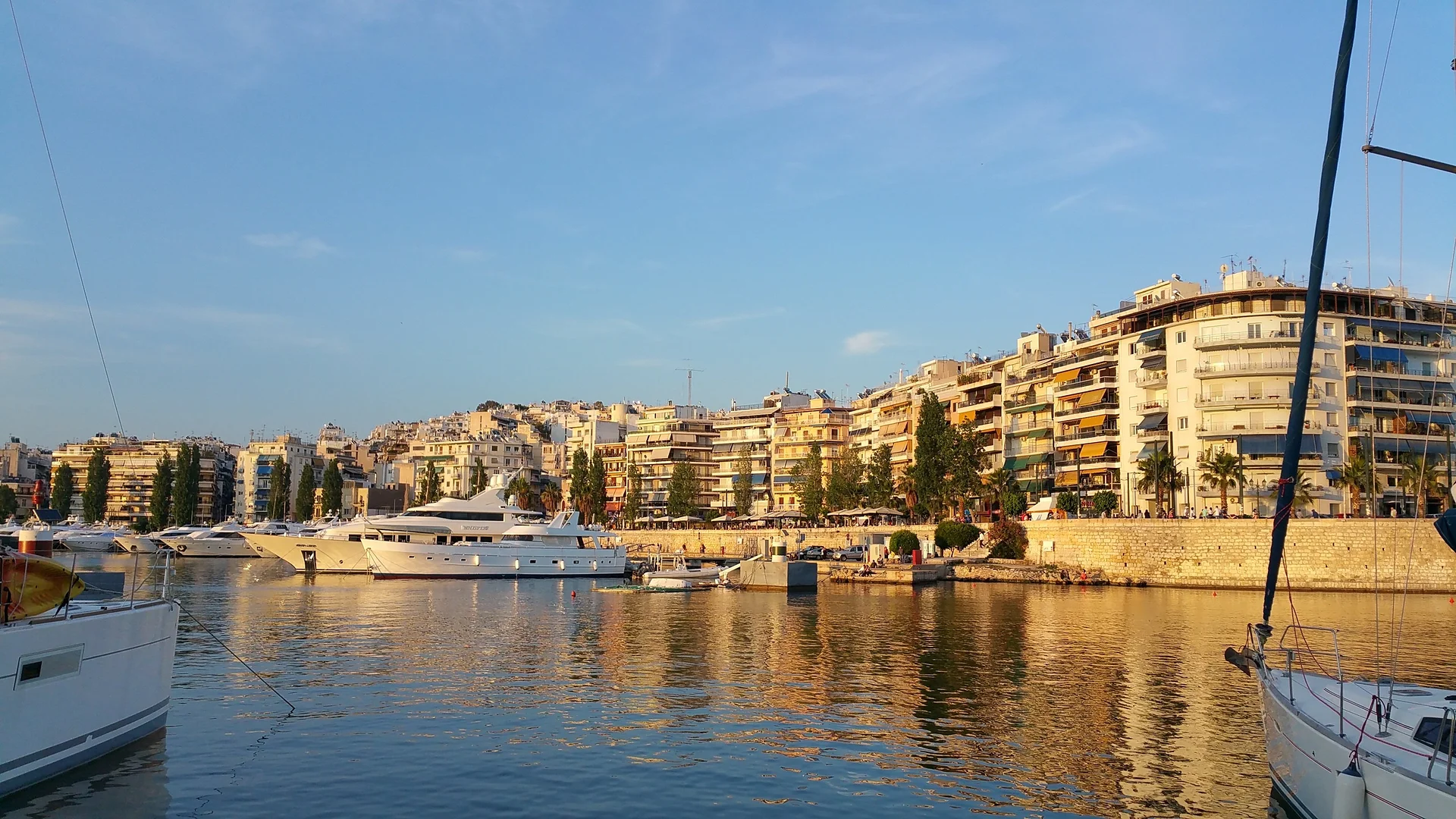
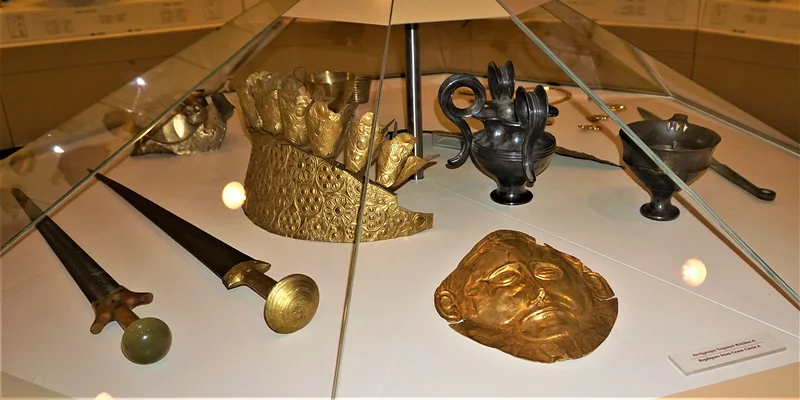
The city feels high-energy and coastal. While the beach is not the main draw, the local Votsalakia beach is centrally located, though for a better shoreline, it is worth taking the waterfront tram to Voula Beach. Here, the ports are the landmarks. If Khantaros is the center for freight and island-bound ferries, Zea is a marina where yachts dock and one of the most vibrant areas in town. Bars and restaurants make it a popular spot, and it is also where the Archaeological Museum is located. Through collections of pottery and bronzes, such as the Apollo of 520 BC or the massive 2.35m Athena, the history of Piraeus unfolds through the Roman era, with a standout exhibit of funerary steles. Nearby, the small Hellenic Maritime Museum highlights a rich naval past from antiquity to the 20th century through weapons, instruments, furniture, and a private collection from Aristotle Onassis. It is also in Zea that the remains of the ancient walls that circled the entire city in 394 BC are best preserved. On the way to Mikrolimano, the Municipal Theater, a neoclassical building with baroque architectural elements, illuminates the Plateia Korai, the central square. A short walk away, the Holy Trinity Orthodox Cathedral is one of the most impressive religious buildings in the city, notable for its staircase, tower, and Byzantine-inspired vaults.
Culture is everywhere
On the heights of Profitis Ilias hill, the Kastella neighborhood offers wide views over the gulf and Athens. Below, Mikrolimano unfolds as the most picturesque of the ports, with fishing boats constantly coming and going. Fried fish tavernas are the local staple here, providing the perfect excuse to enjoy mezzes, the Greek version of tapas.
Near the port, the former industrial Retsina district has been transformed by artists who opened galleries in old warehouses, particularly on rue Polydefkous. It is the heart of the local scene. Finally, if you are riding the metro, do not miss the surprising Electric Railway Museum, created in the former stationmaster offices. Sports fans should head to the museum that traces the history of the club, the famous Olympiakos.
When to go
To best enjoy the temperate Mediterranean climate of Piraeus, the best times to visit are spring and fall. The temperatures are pleasant, avoiding the intense heat of summer. Winters are mild but rainy. On January 6, the ceremony of the baptism of Jesus is celebrated.
How to get there
Flying is the easiest option, with flights available to Athens from major US hubs. From the capital, the metro and buses take you directly to Piraeus. If you prefer to arrive by train or bus, you would need to reach an Italian port and then cross the Adriatic and Ionian seas by ferry.
A suburb of Athens that relies heavily on its port. Lots of industries, warehouses, storage facilities, and concrete. Definitely not the most beautiful place in Greece.