
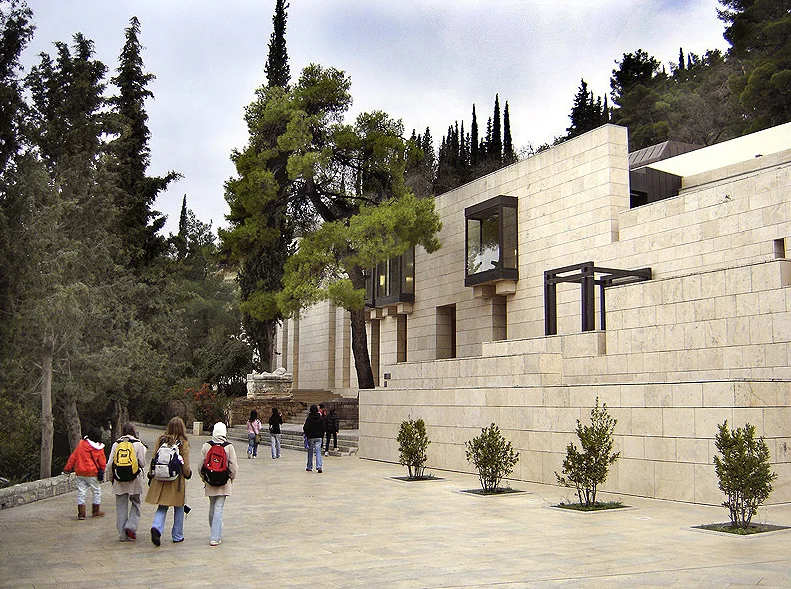
Visiting the Delphi Archaeological Museum
Greek identity would look very different without its ancient sanctuaries. While all honored the gods, some also served as arenas where athletes from the major city-states competed. Dedicated to Apollo, the sanctuary at Delphi was one of these, reaching the height of its influence between the 6th and 4th centuries BCE. Uncovered during excavations in 1892, the site is a national treasure. The Delphi Archaeological Museum highlights its most significant finds across fourteen galleries. Beyond the 2,270 square meters of exhibition space, conservation rooms housing mosaics and ceramics make this a destination of real substance. Founded in 1903, the institution has seen its share of changes, undergoing three major renovations to become the repository for artifacts spanning from prehistory to late antiquity.
Twelve centuries of treasures
To put it simply, this museum is compelling. Twelve centuries of history are laid out through collections tied to political, religious, and artistic life. The visit begins in the gallery dedicated to the sanctuary's origins, featuring early offerings like 8th and 7th century BCE bronzes, including the famous tripods, followed by kouroi, or archaic statues. You will find the Sphinx of the Naxians, which once stood on a column on the Temple of Apollo terrace, as well as friezes, the marble Kleobis and Biton statues from Paros, and various chryselephantine divine figures made of gold and ivory dating to 550 BCE. The temple pediments are rare, and one of the museum's most famous sculptures is the Charioteer of Delphi, one of only five major bronzes from Ancient Greece to survive in such condition. It depicts a chariot driver standing 1.82 meters tall wearing a long chiton. Two galleries are dedicated to the Athenian Treasury, housing vases and metopes, and the monumental column of the Dancers of Delphi is a highlight. Thousands of travelers immerse themselves in this collection every year, and it is well worth your time.
Opening hours
| Monday | 08:00-20:00 |
|---|---|
| Tuesday | 10:00-17:30 |
| Wednesday | 08:00-20:00 |
| Thursday | 08:00-20:00 |
| Friday | 08:00-20:00 |
| Saturday | 08:00-20:00 |
| Sunday | 08:00-20:00 |
*Information subject to change

I went there right after visiting the archaeological site. The museum is fairly small, but it has some really beautiful pieces. It would be a shame to miss it. I was impressed by the Charioteer of Delphi, the marble Kouroi, and the sphinx. The chronological layout makes it easy to find your way around. Plan on about an hour and a half to see everything.