
Visiting Bari: Blond Stone, Turquoise Water, and the Heel of the Boot
The scent of warm focaccia drifts through the narrow alleys. A local nonna shapes orecchiette on her doorstep, her floury hands repeating the exact same motions she has used for fifty years. Just a few steps away, an outdoor café overflows with young Barisani sipping an Aperol spritz. As the capital of Puglia, Bari moves to its own beat, maintaining the soul of a Mediterranean port city without selling out to modern development.
A Destination With Two Sides
As the second-largest economic hub in southern Italy after Naples, Bari catches people off guard with its dual personality. On one side, you have a medieval old town where laundry hangs between ochre facades and conversations spill out of open windows. On the other, a grid-like modern center driven by commerce and university life.
This city appeals to travelers who want authentic culture without giving up urban creature comforts. History buffs will find plenty to explore among the Romanesque and Byzantine architecture. Food lovers hit the jackpot in a region blessed with incredible ingredients. Families will appreciate the 40 kilometres of golden beaches lining the city limits. That said, if you are looking for a sterile postcard town or a sleepy village, keep moving. Bari hums, buzzes, and lives out loud.
Budget-wise, expect to spend $90-$113* a day for mid-range travel covering lodging, meals, and sights. The city is easy to navigate on foot, which keeps transportation costs low. Summer brings higher prices and packed shoreline crowds, so weigh your priorities before booking.
Getting Lost in the Labyrinth of Bari Vecchia
The historic core sits on a peninsula stretching out into the Adriatic Sea. There is no rigid grid here, and the best move is simply to wander and get deliberately lost. The alleys narrow, twist, and suddenly open onto small sunny squares where locals sit out on plastic chairs.
On Via Arco Basso, daily life plays out like stage theater. Local women set up their pasta boards early in the morning to make traditional orecchiette, the signature ear-shaped pasta. They sell them straight to buyers with zero middlemen for $5.70* a kilo. Absolute freshness, zero preservatives.
Friendly tip: Walk down this street in the late morning when production is in full swing. The women are usually happy to pose for photos, but always ask first.
The Basilica of San Nicola and Its Relics
You cannot miss this 11th-century Romanesque basilica towering over the old town. The church houses the relics of Saint Nicholas, which were snatched from Myre in 1087 to keep them out of Turkish hands. Today, the site draws both Orthodox and Catholic pilgrims in a rare display of ecumenical harmony.
The architecture strikes you with its austere Norman style. The crypt, consecrated in 1089 by Pope Urban II, is worth checking out for its reused ancient Roman columns.
San Sabino Cathedral and Its Byzantine Secrets
Just a short walk away, San Sabino Cathedral shows off its immaculate white stone facade. What you do not see from the street is that it sits right on top of the ruins of an older Byzantine cathedral, with remnants still visible down in the crypt.
A Thousand Years of History in Stone
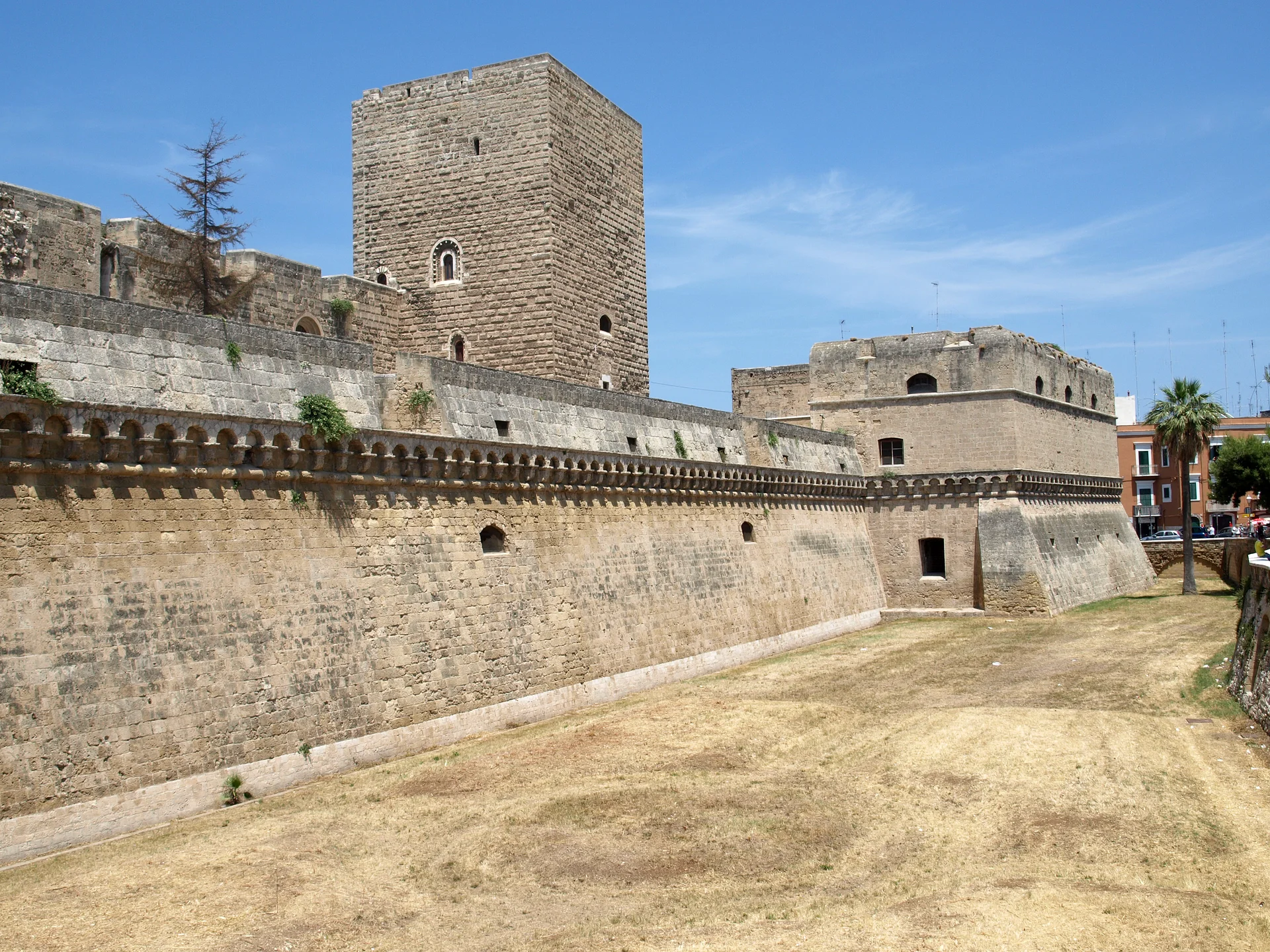
The Norman-Swabian Castle plants its massive bulk right between the old town and the sea. This 12th-century fortress, remodeled later by Frederick II, stands as proof of the city's defensive military past. The interior hosts temporary art exhibits, but honestly, the main draw is the exterior, as the sheer bulk of the stone commands attention.
Art lovers should head straight to the Pinacoteca Provinciale Corrado Giaquinto. This museum gathers works tracing the artistic history of Puglia, ranging from early Italian primitives to contemporary pieces. Paintings, sculptures, and altarpieces map out a rich regional story.
In the evening, the Petruzzelli Theatre glows in red lights. As the largest private theater in Italy and the fourth-largest in the country, it reopened in 2009 following a devastating 1991 fire. Ticket prices stay reasonable, making it a rare chance to catch an opera without blowing your trip budget.
Friendly tip: Book your seats ahead of time directly through the theater website. The upper balcony rows offer flawless acoustics at half price.
Borgo Murattiano and Its Parisian Echoes
Joachim Murat, Napoleon's brother-in-law and briefly the King of Naples, wanted to boost local trade. In the early 19th century, he laid out this modern district with wide, right-angled streets, creating a sharp contrast to the maze of Bari Vecchia.
Via Sparano da Bari acts as the main shopping artery, mixing global brands with independent local boutiques. Along the way, look up to spot Palazzo Mincuzzi, an Art Nouveau gem now housing a clothing store. The interior details are worth a quick look even if you are not shopping.
Corso Cavour lines up grand bourgeois and neoclassical buildings. This is where the Petruzzelli Theatre stands, featuring medallions of Italy's three great composers, Bellini, Verdi, and Rossini, carved across its facade.
The Lungomare and the Open Sea
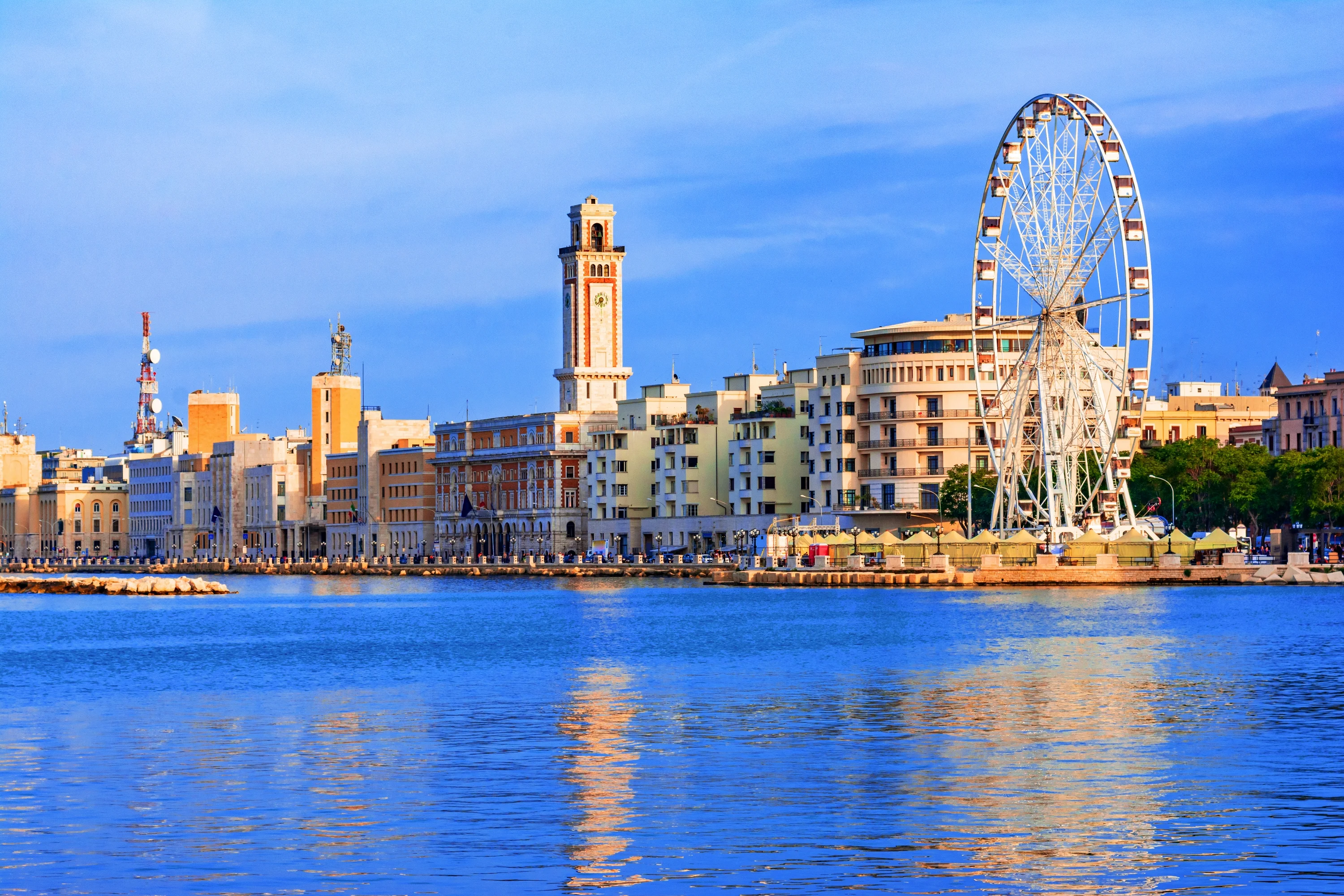
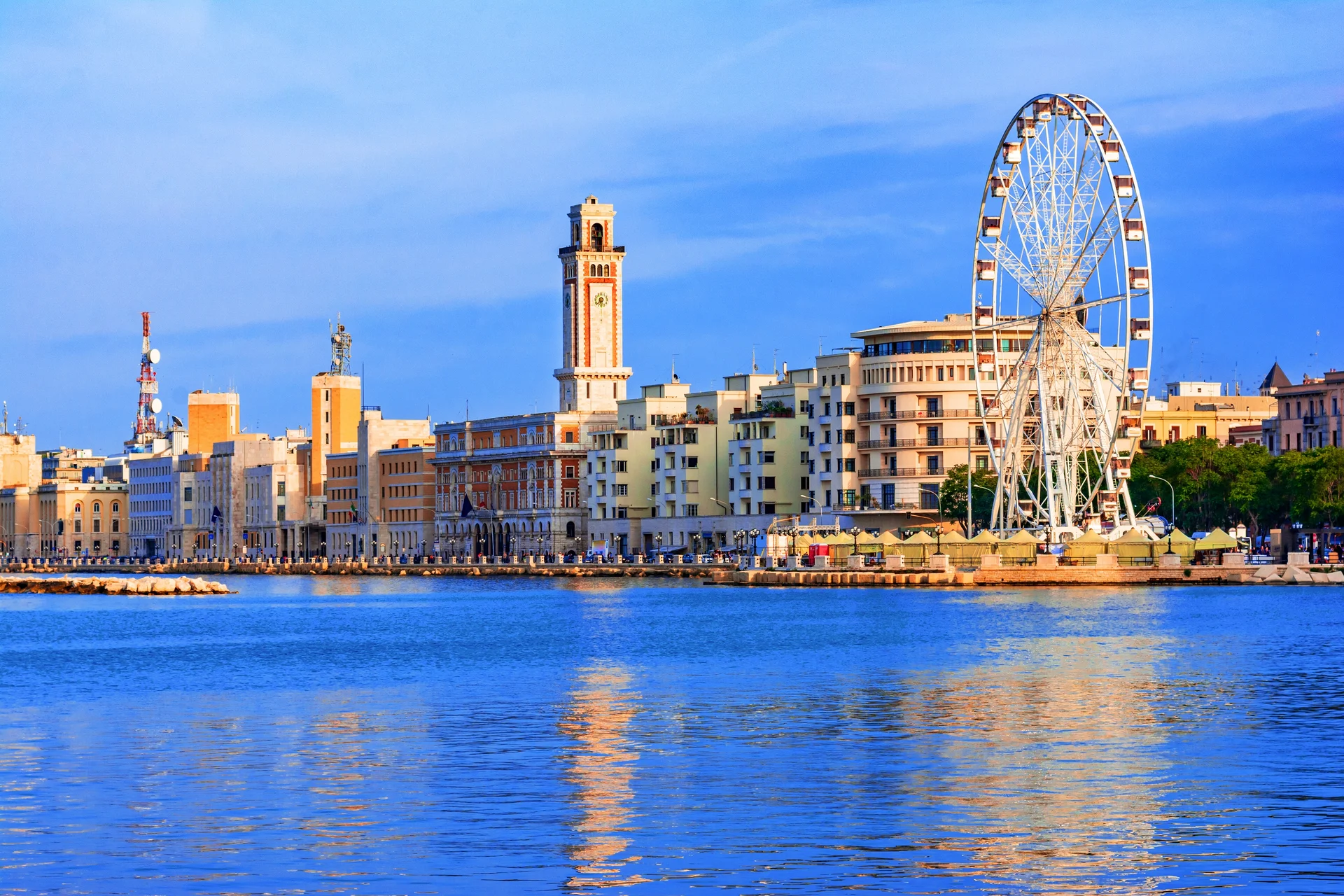
You cannot visit without walking along the seafront promenade. Locals run their morning miles here, ride bikes with their families on Sundays, and stroll at dusk when the heat breaks. The 40 kilometres of coastline wrapping around the city deliver accessible urban beaches and crystal-clear water.
For a different perspective, hop on a sunset boat tour. Several operators run 1.5-hour trips with an aperitivo included for around $68* per person. Seeing the city from the water with its monuments silhouetted against a red sky changes everything.
Where to Eat and Drink in Bari?
Local gastronomy takes quality seriously. Burrata, invented right here in Puglia, hits peak creaminess in its hometown. Orecchiette con cime di rapa, pasta served with turnip greens and anchovies, is a regional institution. Focaccia barese, fluffy with a heavy pour of olive oil, gets eaten as a snack at all hours.
Do not miss spaghetti all'assassina, a lesser-known local specialty where the pasta cooks directly in spicy tomato sauce until the edges turn slightly charred. The restaurant Urban l'Assassineria Urbana built its entire menu around this dish, serving it in nine different variations.
For a traditional sit-down meal, Terranima elevates classic Bari dishes in a rustic, warm setting. Everything comes from the surrounding land and sea. PerBacco, tucked into the old town, mixes tradition with modern technique alongside a wine list highlighting local vineyards.
Seafood fans should head straight to La Tana del Polpo for their legendary grilled octopus. The casual vibe makes it an ideal spot for a relaxed dinner with friends.
Friendly tip: Skip the tourist-heavy bakeries near the basilica for your focaccia fix. Grab a slice from Panificio Chez Magda on via Pasquale Villari, where the locals actually line up.
Where to Stay in Bari and Beyond
To stay right in the middle of the action, book a spot in Borgo Murattiano, sitting equidistant between the old town and the central station. Options range from family-run B&Bs to boutique hotels. Expect to pay $79-$135* a night for mid-range stays.
Bari Vecchia provides total immersion, but watch out for noisy streets, so double-check the exact location before booking. Guest houses are popping up everywhere here, often built into historic stone buildings.
If you prefer quiet surroundings with easy city access, look into Torre a Mare or Santo Spirito, residential seaside neighborhoods located 10-15 km from the center. Renting a car is recommended if you stay out here.
Getting to and Around Bari
Karol Wojtyla International Airport sits 20 minutes from downtown. Direct flights take about 2h20 and run around $45-$135* depending on the season. Bus 16 connects the airport to the central train station in 45 minutes for $1.70*, making it the budget choice.
If you arrive by train from Naples, the ride takes about 2h50. Bari Centrale station connects the city to the rest of Italy.
Once you arrive, the center is entirely walkable. The main attractions cluster between Bari Vecchia and Borgo Murattiano, which sit right next to each other. For outlying beaches or regional day trips, rent a car ($34-$57* a day) or use the regional trains, which offer solid service to neighboring coastal towns.
When to Go?
The warm season runs from April through September, peaking with high temperatures and heavy crowds in July and August. Temperatures regularly hit 35°C, and the beaches get packed. May-June and September-October hit the sweet spot: pleasant weather sitting at 22-28°C, warm sea temperatures, fully open tourist spots, and none of the peak summer gridlock.
Winters stay mild at 10-15°C, though several seasonal businesses shut their doors. You gain peace and authenticity during these months as locals take back their city. The Festival of San Nicola in early May draws huge crowds but is worth experiencing for the intense local folklore.
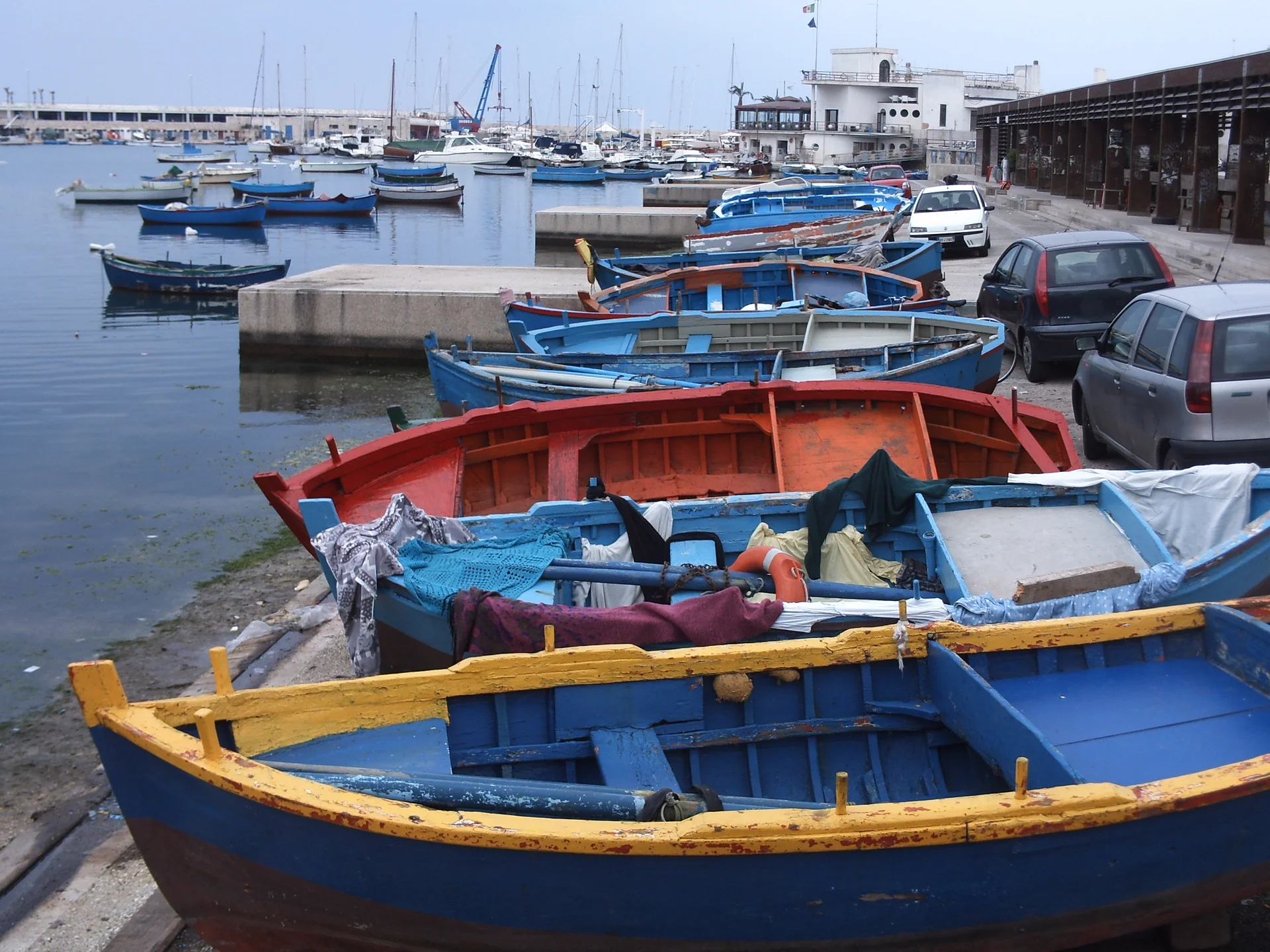
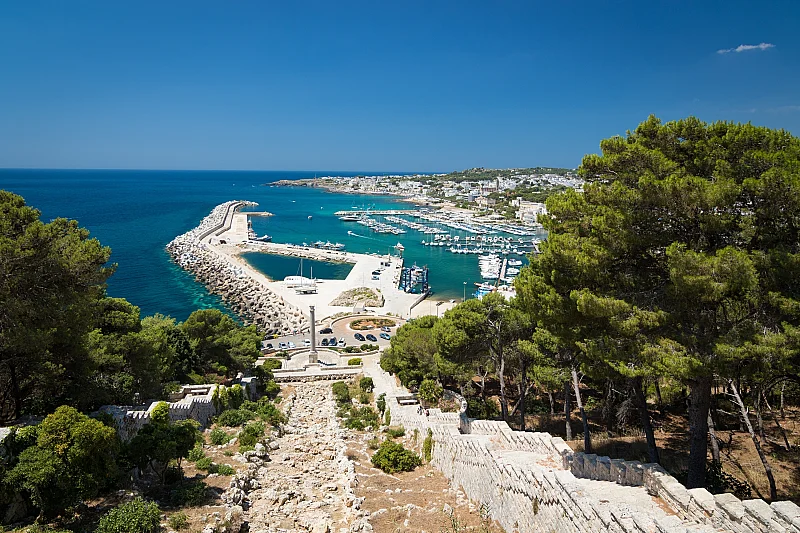
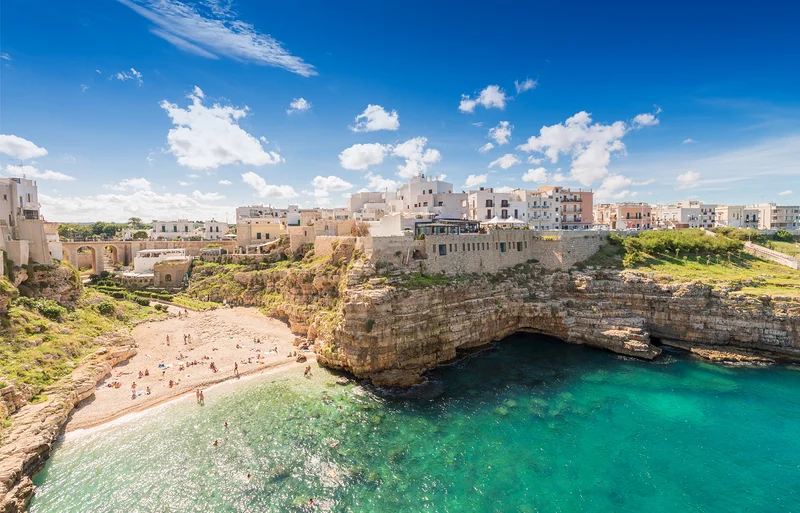
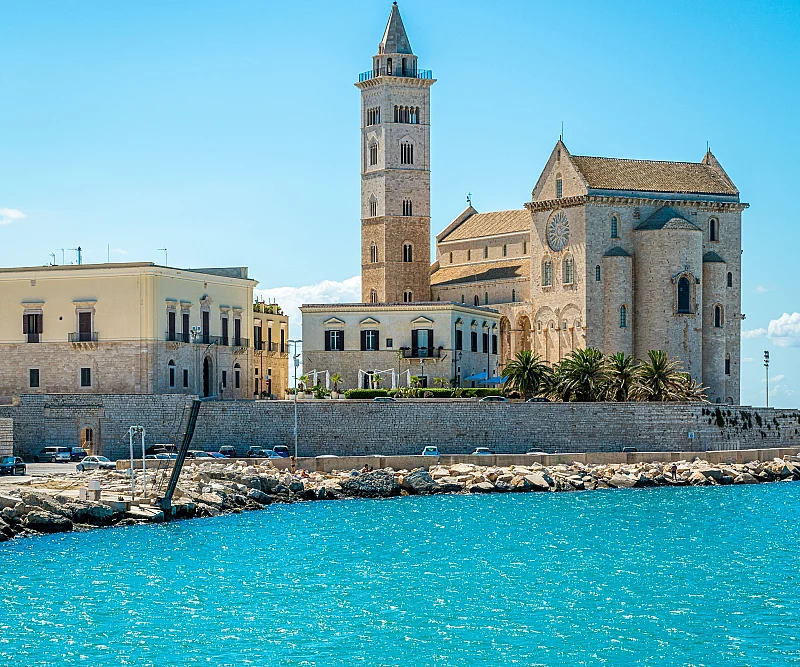
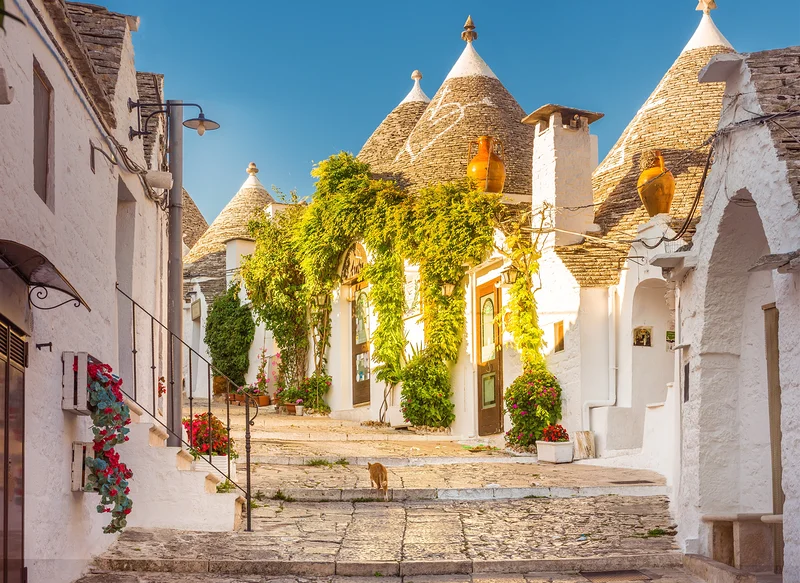
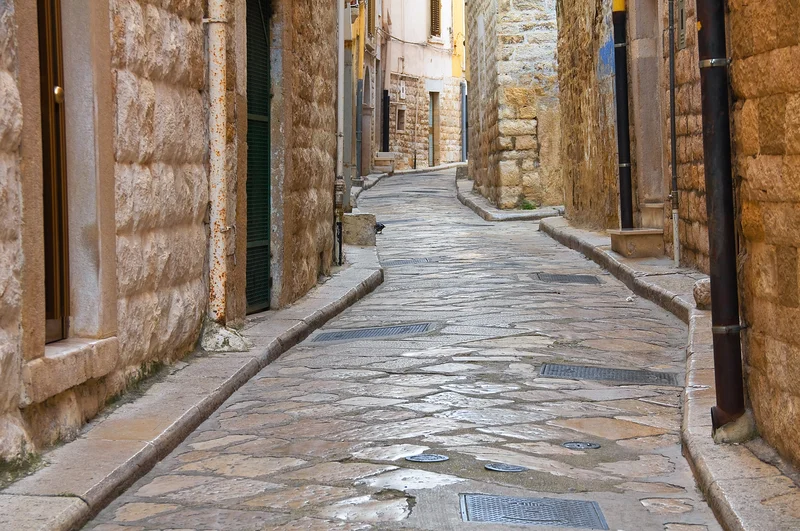
The old town is interesting to visit. The city airport makes it a convenient entry and/or exit point for visiting Puglia, the famous Italian boot.<br>We bought homemade pasta that tasted amazing!