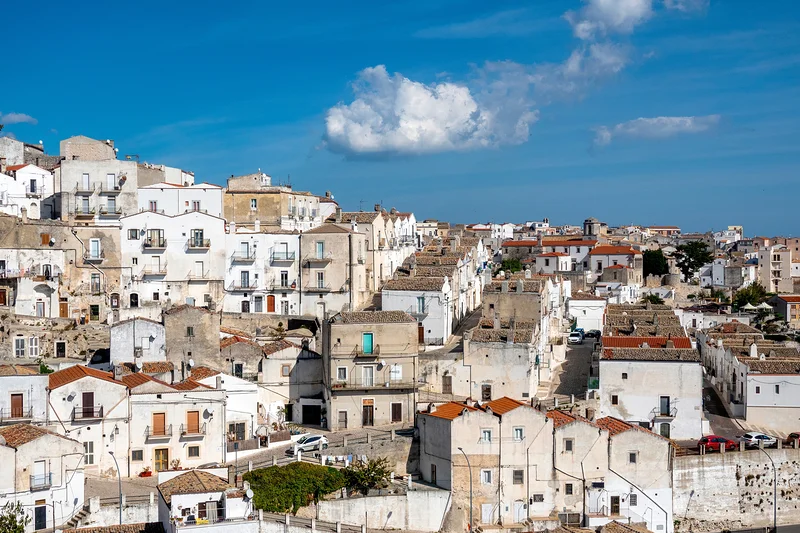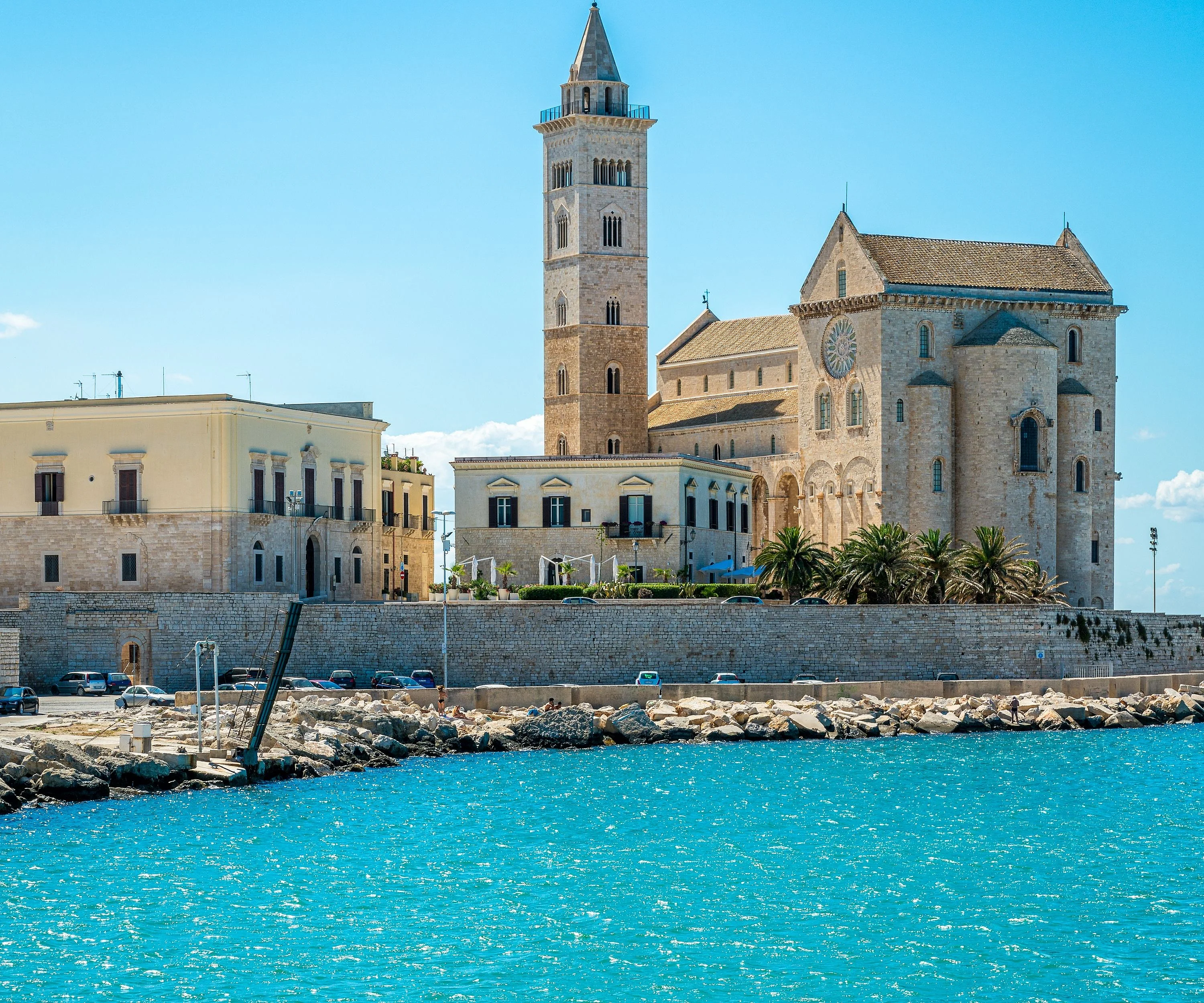
Trani, the cathedral facing the sea
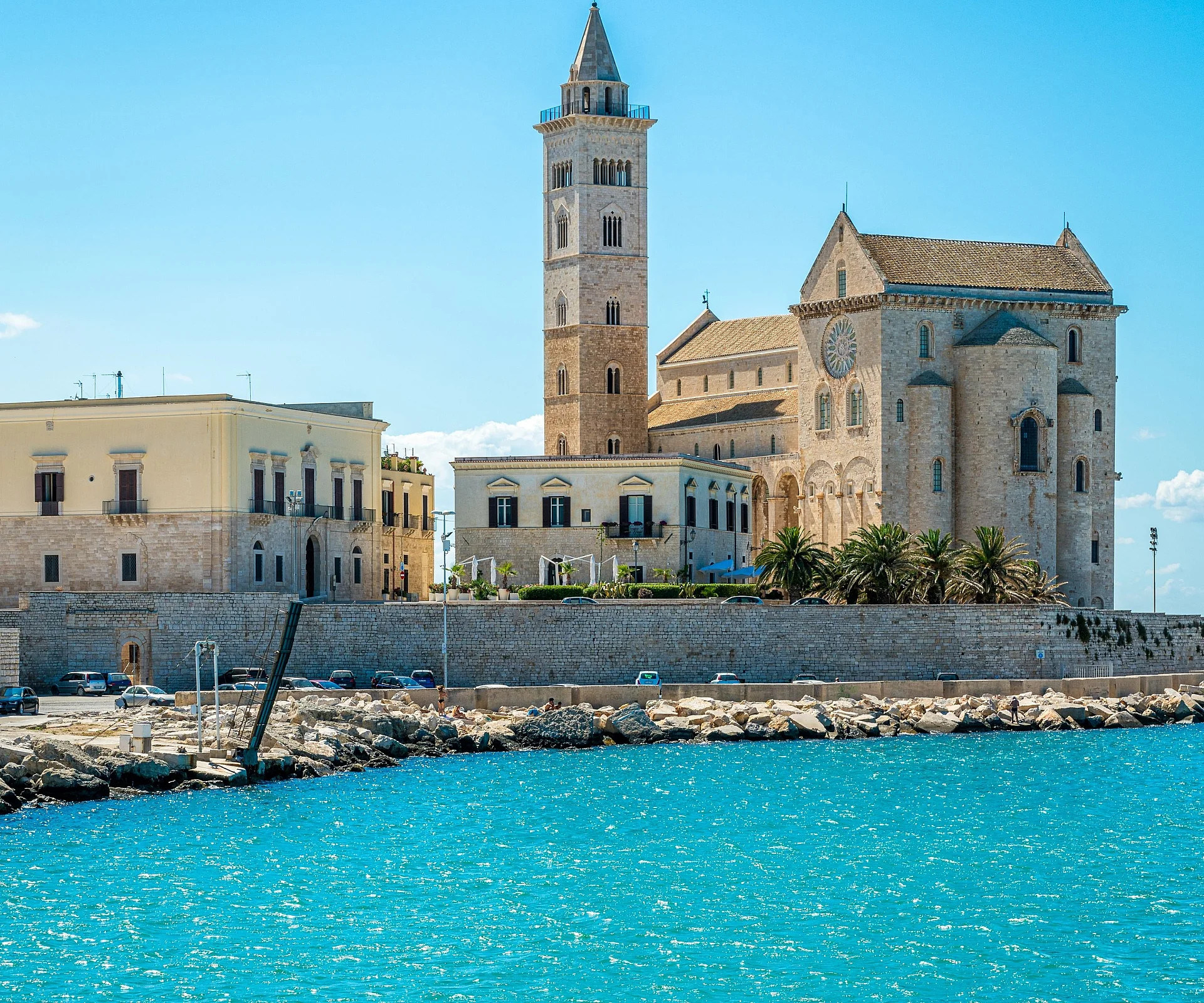
There is a distinct quality of light in Trani during the late afternoon, when the sun hits the limestone of the San Nicola Pellegrino Cathedral and turns it almost golden.
The Byzantine port, the medieval Jewish quarter, the fishermen hauling in their nets at sunset: this small town in Puglia long lived in the shadow of Bari and Polignano a Mare before being rediscovered for what it truly is, an intact medieval merchant port.
Is this destination right for you?
Trani suits travelers who enjoy wandering aimlessly through a historic center without flashy storefronts, pausing on a quay to watch the water, and preferring a dinner of freshly caught raw seafood over a loud nightlife scene. It moves at a slow pace, remaining almost quiet outside the peak summer season.
It is less ideal for those looking for sprawling sandy beaches or intense nightlife, as the urban coastline is primarily rocky and the atmosphere stays residential even in summer.
Great for:
- Fans of Romanesque architecture and medieval heritage
- Travelers seeking a quiet base to explore Puglia
- Lovers of ultra-fresh fish and seafood
Not ideal for:
- Those wanting wide sandy beaches
- Nightlife enthusiasts
- Short trips without a car, as nearby sights are best reached by driving
A relatively budget-friendly destination
Trani stays more affordable during high season than tourist hotspots in Puglia like Polignano a Mare or Alberobello. The figures below are estimated averages per person.
| Expense | Range |
|---|---|
| Night in a B&B or guesthouse | 35 to 55 € |
| Night in a comfortable hotel or masseria | 80 to 130 € |
| Quick bite (focaccia, panzerotti) | 4 to 8 € |
| Restaurant meal (fish, pasta courses) | 20 to 35 € |
| Car rental per day | 25 to 45 € |
Estimated rates subject to change
The town is entirely walkable from the historic core. To explore Puglia beyond its borders (Ostuni, the Itria Valley, the Gargano), a car becomes nearly essential, as bus and train connections are limited and slow.
Summer heat can be intense, with afternoon peaks exceeding 95 degrees in July and August. The rest of the year brings mild, classic Mediterranean weather.
Is it safe to travel to Trani?
Yes. It is a calm town, quite safe for visitors, including solo female travelers. Standard precautions apply: stay aware at night in the dimly lit streets around the old port, just as anywhere else in Italy.
The port and cathedral, the historic heart
The San Nicola Pellegrino Cathedral
Built starting in the 11th century right at the water's edge, the cathedral sits on a promontory that almost separates it physically from the rest of the town. Its Apulian Romanesque architecture, featuring a perforated bell tower and a sculpted rose window, ranks among the purest examples of the regional style. The crypt holds the relics of Saint Nicholas the Pilgrim.
Friendly tip: come see it at sunset, when the stone takes on a golden hue and light streams through the rose window. Local photographers come here at that time too, which speaks for itself.
The Swabian Castle and the port
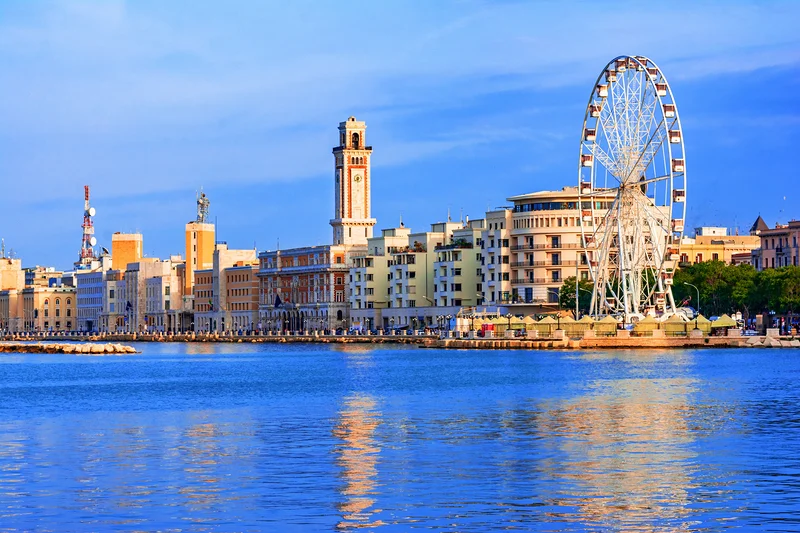
Just a short walk away, the Castello Svevo, built by Frederick II in the 13th century, retains its original moat and massive stone walls. The harbor right below remains active, blending fishing boats, seafood spots, and a waterfront promenade without tourist traps.
The Jewish quarter and medieval alleys
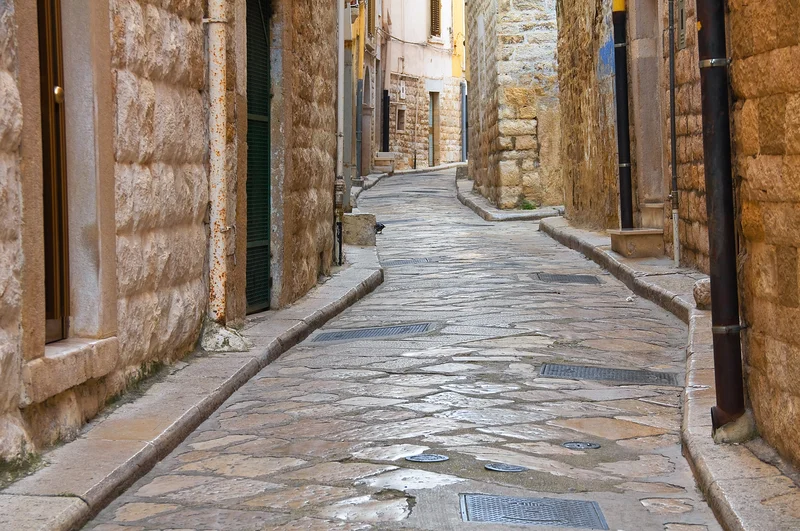
Trani hosted a prominent Jewish community during the Middle Ages, and the Giudecca district still preserves its layout of narrow lanes, stone arches, and austere facades. The Scolanova Synagogue, which remains active today, stands as one of the rare medieval synagogues in Italy still used for worship.
The coast and surroundings
The local shoreline is rocky, dotted with concrete sunbathing platforms and little coves where you can swim straight into clear water. For actual sandy beaches, you need to head toward Barletta or make the trip up to the Gargano promontory, a bit over an hour's drive away.
Where to eat and drink in Trani?
The regional specialty here is raw seafood: sea urchins, mussels, and white fish tartare served at casual portside spots. Panzerotti, fried dough pockets stuffed with tomato and mozzarella, can be eaten on the go from walk-up windows in the historic center.
Local white wines, often made from grapes like Bombino Bianco, pair naturally with these light and fresh seafood dishes.
Where to stay in Trani and the surrounding area?
The historic center surrounding the cathedral and the harbor concentrates boutique B&Bs housed in older stone buildings. For more quiet and open space, local masserie (fortified farmhouses converted into guesthouses) offer a more rural experience, often just a few miles outside town.
How to get to Trani?
The closest airport is Bari-Palese, roughly a 45-minute drive away, served by flights from major European hubs. From Bari, a regional train reaches Trani in under 40 minutes for just a few euros.
How to get around Trani?
The old town is completely pedestrian-friendly: the streets are too narrow for cars and the harbor is only minutes from the cathedral. To reach outlying areas or other towns in Puglia, renting a car remains the most practical choice.
When to go to Trani?
Spring (April to June) and early fall (September) offer the ideal balance of mild weather and manageable crowds. July and August bring intense heat and more visitors, though the town never reaches the saturation levels seen in more heavily publicized Puglian villages.