
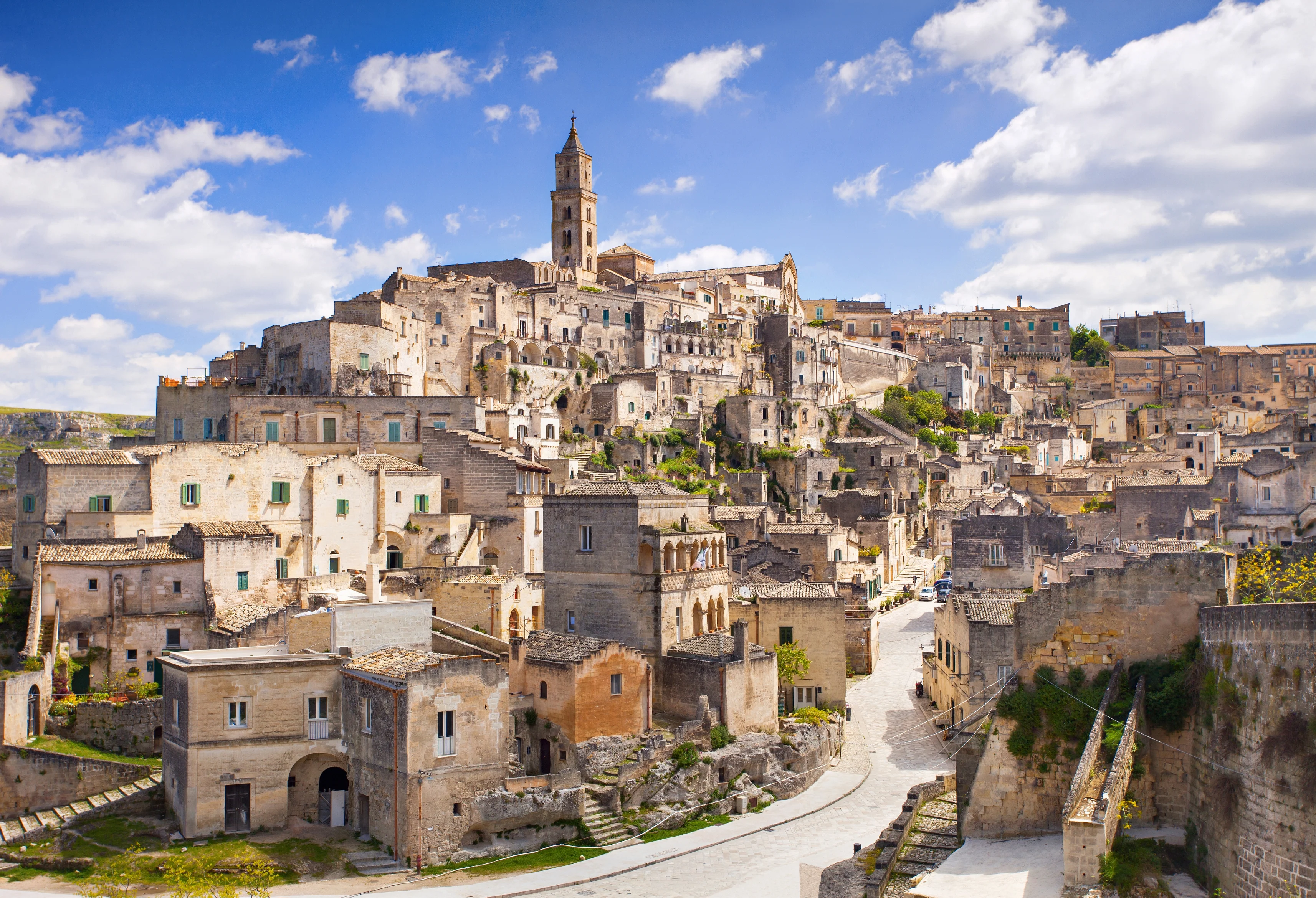
Visiting Matera, a fascinating cave city
If you want to explore an unusual destination during a trip to southern Italy, Matera deserves a spot on your itinerary. Perched on the edge of a deep canyon, this ancient city offers a step back in time through steep alleys and homes carved directly into the rock face.
The Sassi: A UNESCO World Heritage Site
Named a UNESCO World Heritage Site in 1993, the Sassi form the core of Matera's identity. These cave dwellings, some inhabited since the Neolithic period, create a unique maze of narrow lanes, steep staircases, and small plazas. Walking through the Sassi transports you to another era, offering striking views over the surrounding valley.
The cathedral and rock churches
Towering over the city, the Matera Cathedral (Duomo), built in the 13th century, is a prime example of Romanesque architecture. Inside, the frescoes and the elaborate wood ceiling are worth a close look. Nearby, you will find several rock churches decorated with medieval frescoes, such as Santa Maria de Idris or San Pietro Barisano, serving as moving testaments to the region's religious past.
Museums for understanding local history
To dig deeper into the region's heritage, the Museo Nazionale d'Arte Medievale e Moderna at Palazzo Lanfranchi houses an impressive art collection, while the Casa Grotta di Vico Solitario lets you step inside a typical Sassi home from before the neighborhood was cleared and restored. These museums provide valuable context on the social and cultural history of Matera.
Around Matera
Just a few miles away, the Parco della Murgia Materana features rugged landscapes dotted with natural caves and rock-hewn churches. Hiking trails offer a different perspective of Matera from across the canyon, making it ideal for photography buffs and nature lovers.
Rustic cuisine with bold flavors
Matera is equally well-known for its down-to-earth food culture. Try the pane di Matera, a sourdough bread famous for its thick crust and soft crumb. Traditional dishes like orecchiette with wild greens or aged caciocavallo cheese hit the spot, paired best with a glass of Aglianico del Vulture, Basilicata's flagship red, full-bodied and aromatic.
Where to eat?
- Ristorante Soul Kitchen (Sasso Barisano): A modern spot putting a refined spin on traditional local recipes.
- Trattoria del Caveoso (Sasso Caveoso): An authentic atmosphere serving regional specialties inside a cave setting.
- Osteria al Casale (Historic Center): Simple, hearty cooking that highlights the flavors of the region.
Where to stay?
- La Dimora di Metello (Sasso Barisano): A chic hotel offering panoramic views over the Sassi.
- Sextantio Le Grotte della Civita (Sasso Caveoso): Luxurious cave rooms providing a memorable, one-of-a-kind stay.
- Palazzo Gattini Luxury Hotel (Historic Center): An upscale hotel set within a restored historic palace.
When to go?
Spring and autumn are the prime times to visit Matera, bringing mild temperatures and the kind of light that makes exploring the Sassi a pleasure. In July, the feast of the Madonna della Bruna brings the city to life with dramatic processions.
How to get there?
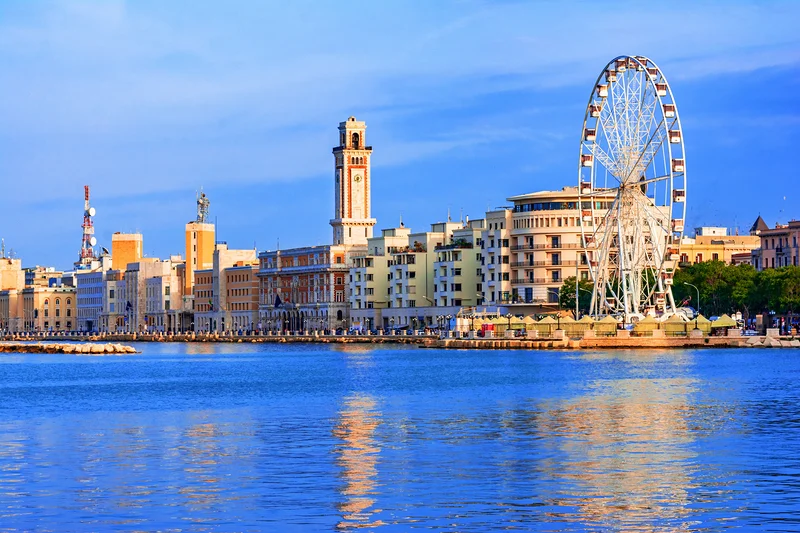
Matera is reachable by train from Bari in about an hour and a half, for a fare around $5.70 to $7.90*. From Rome, the most practical route is taking a flight to Bari followed by a train or car transfer. From North America there is no direct route: connect through Rome, Munich or Istanbul to Bari.
How to get around?
The historic center is best explored on foot, but renting a car is the most practical option for exploring the surrounding countryside.
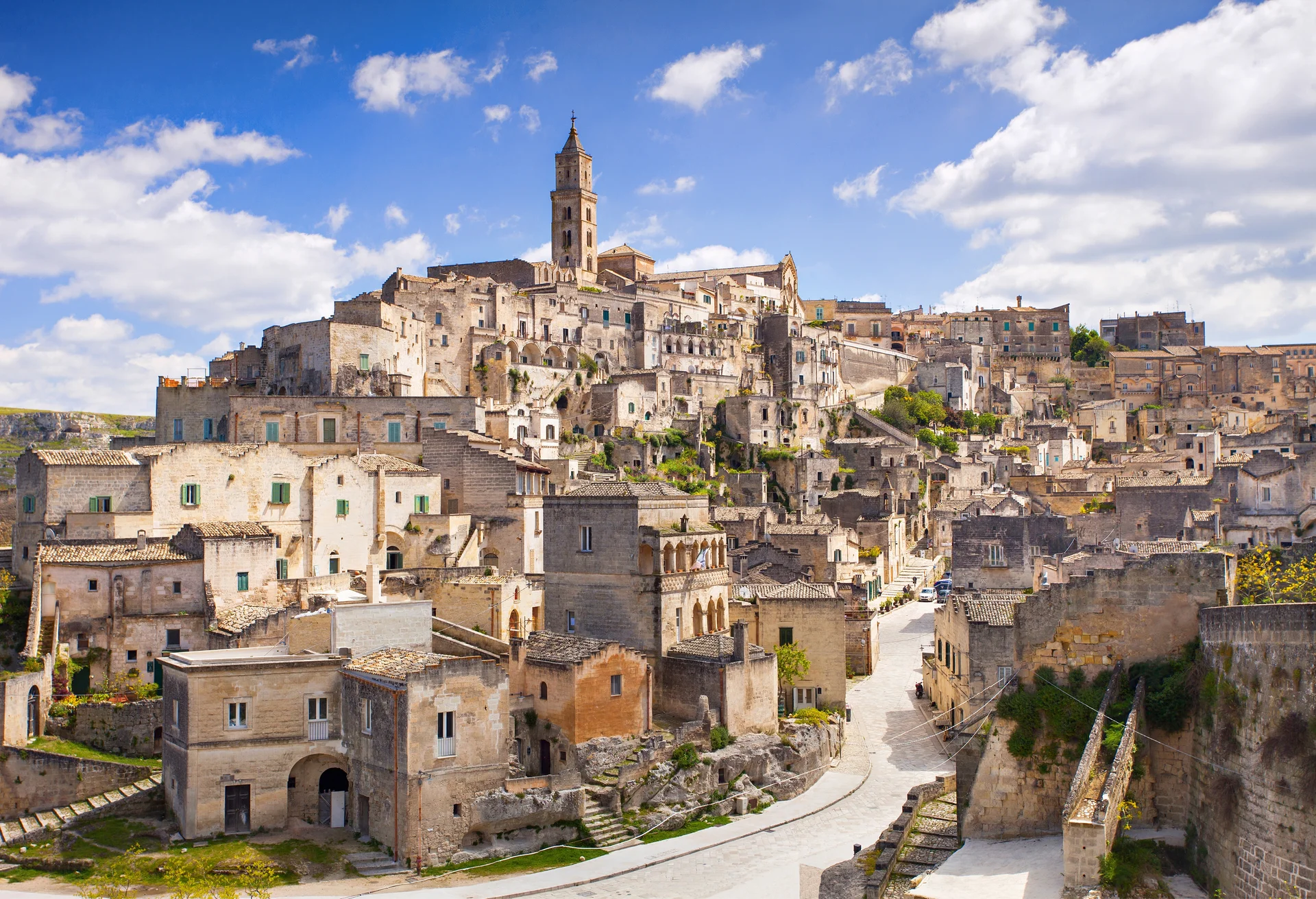
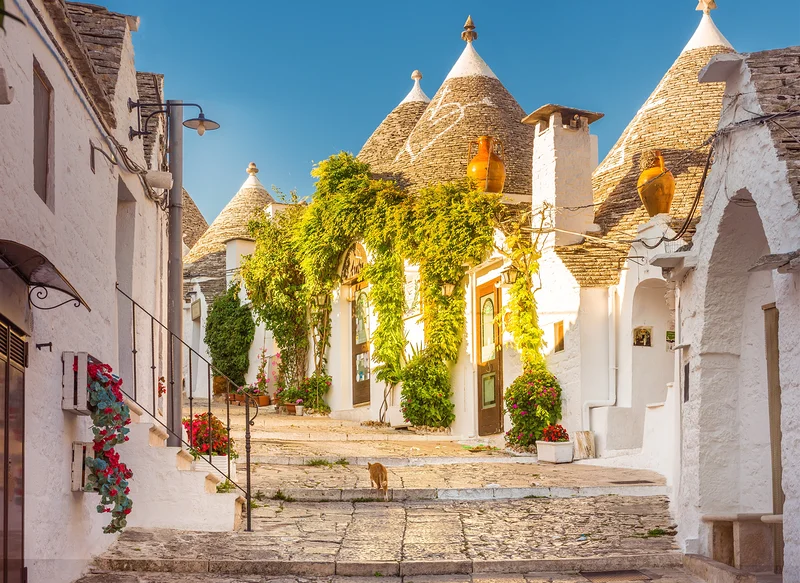
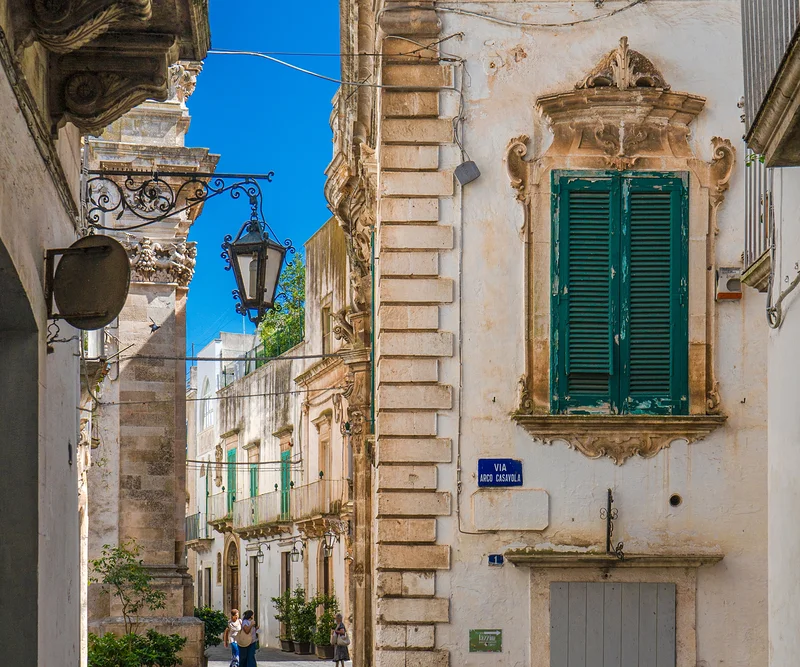
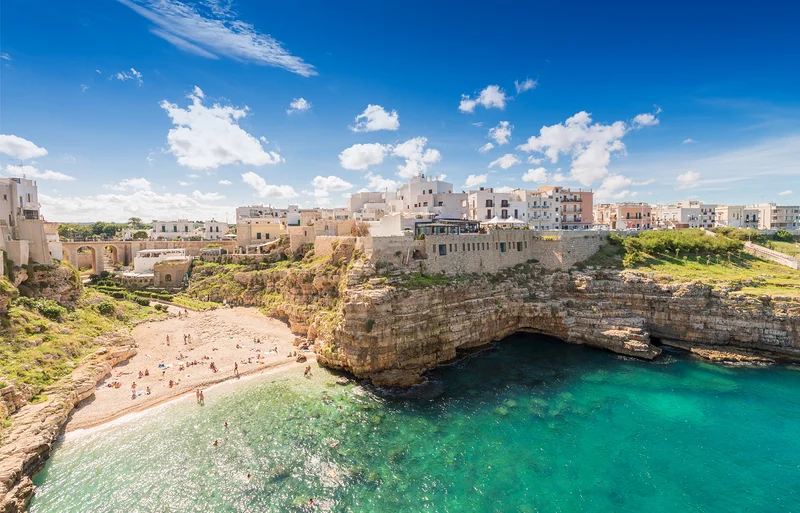
I went to Matera on the way back from a road trip in Puglia, Italy. You can easily spend a day there. It is a genuine pleasure to observe the locals in their daily life. Take the time to enjoy a coffee on a terrace in the sun, then get lost in the labyrinthine alleys. Matera is a UNESCO World Heritage site for its cave dwellings carved into the limestone rock, called sassi. You can visit rock churches, museums set up in old cave houses, and the Murgia viewpoint.