
Visiting Kalambaka
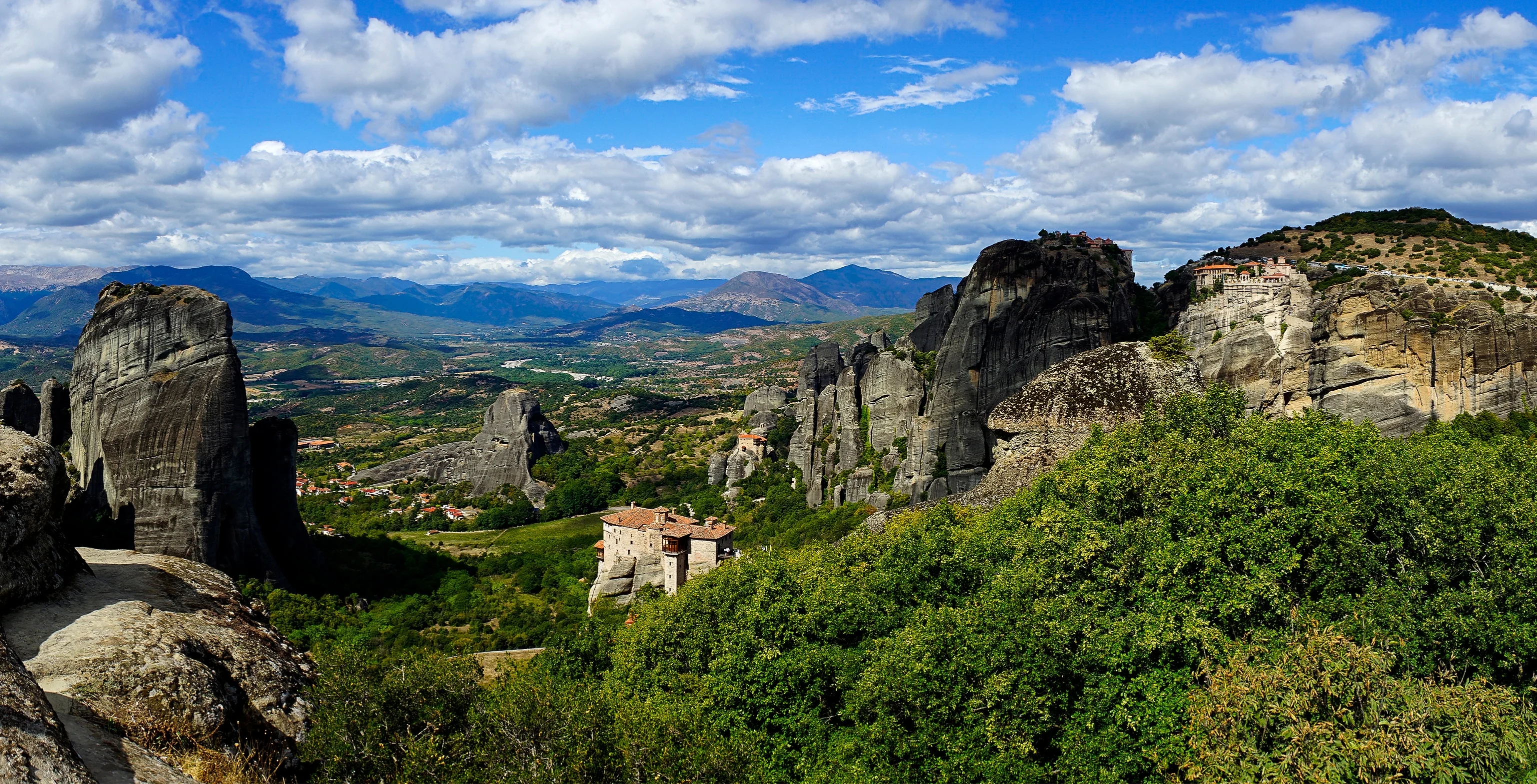
Located in Thessaly, a region in central Greece and the mythological land of the centaurs, Kalambaka is a small town whose charm lies primarily in its exceptional setting. Tucked into the mountains, it offers gorgeous views and a natural playground for outdoor sports. Yet travelers flock here every year for one truly rare and spectacular sight: the Meteora and their incredible clifftop monasteries.
The charm of a town surrounded by grandeur
With its splashing fountain, Kalambaka's main square captures the vibe of the entire town. Looming right over the urban center, the Meteora watch over the streets. Mythology says they were hurled down from the sky, and standing in front of these towering Tertiary-era conglomerate pillars, you can almost believe it. Because of them, striking views are everywhere, and the downtown area is packed with tavernas and restaurants where you can admire the scenery while trying a meat pie, one of the local specialties. Just a short walk from the main street, the Natural History and Mushroom Museum showcases the flora and fauna of the Thessaly plain through a collection of 350 mammals and birds. More intimate, the Museum of Hellenic Culture is worth visiting to explore Aesop's fables or view artists' interpretations of the Meteora. North of Kalambaka, beneath the rock of Aea, the Byzantine Church of the Assumption of Mary is a remarkable three-aisled structure built on the ruins of an ancient temple, ranking among the oldest in the country with superb frescoes and statues.
Monasteries suspended between earth and sky
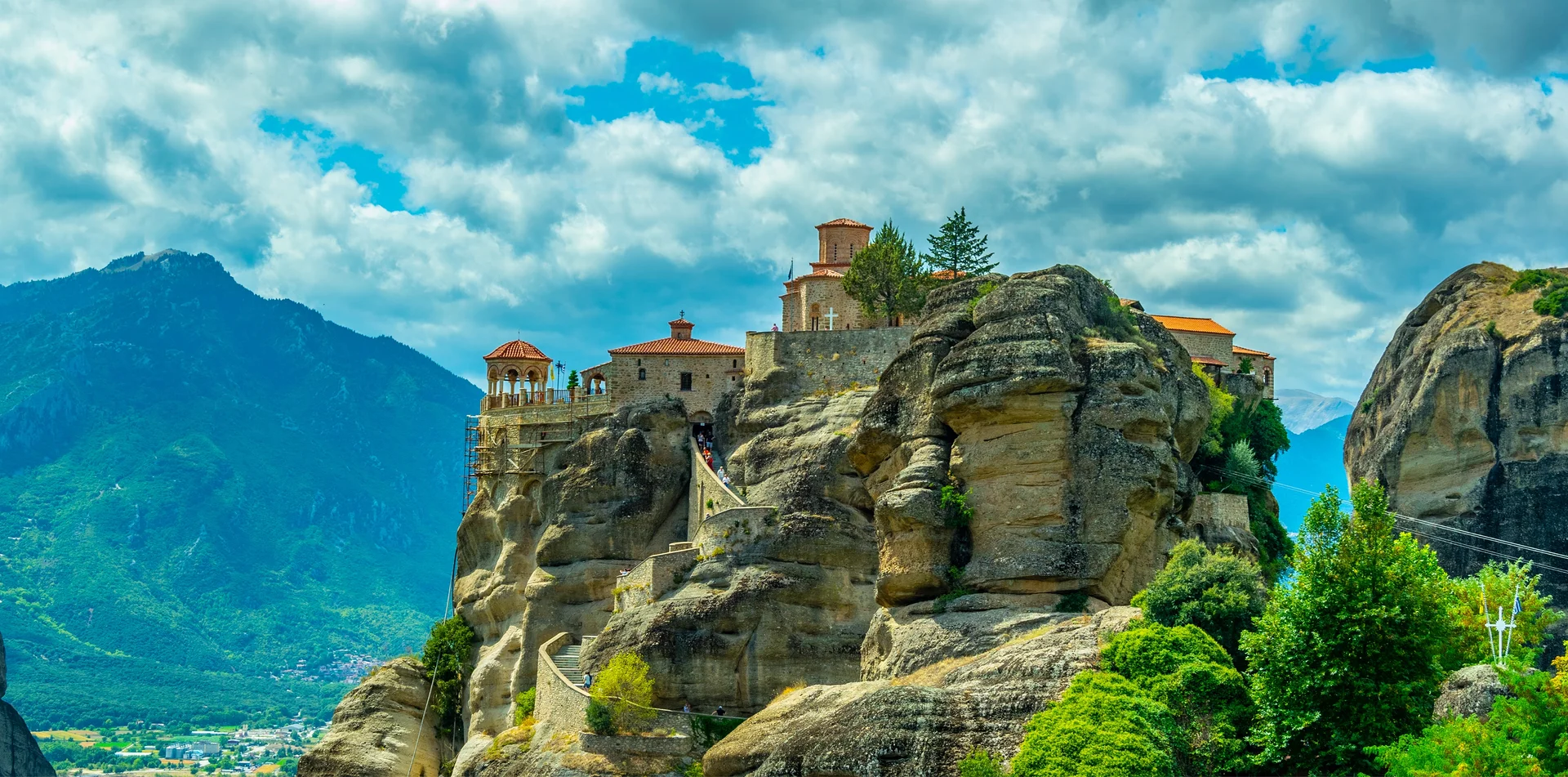
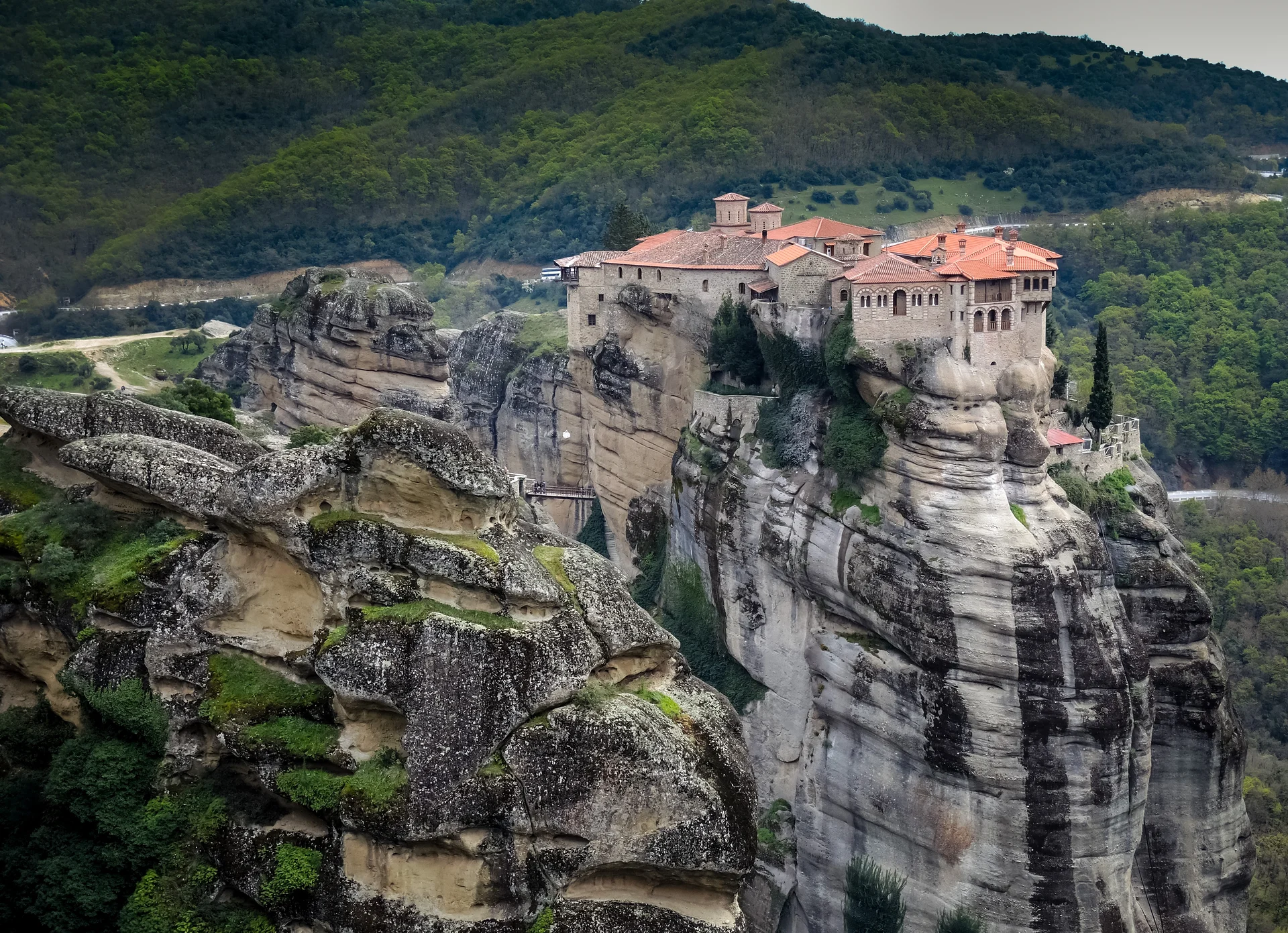
With surroundings like this, Kalambaka is a popular starting point for hiking, and an 8 km stretch of the Pinios River is great for rafting. Still, it is hard to overshadow the town's true marvels, the Meteora Monasteries. Twenty-four houses of worship were originally built atop these dramatic rock formations. Only 13 remain intact, and just six can be visited today. An unforgettable 17 km driving loop features stair-access points and an otherworldly atmosphere as you approach these clifftop sanctuaries. Built between the 14th and 16th centuries, the oldest of them all, Megalo Meteoro, dates back to the 1340s and is also the largest. The impressive Varlaam, the smaller Agios Nikolaos, Roussano with its English garden tended by nuns, the vertigo-inducing Aghia Triada, and Agios Stefanos with its two churches are all Eastern Orthodox and leave a lasting impression. The sweeping views and the sheer logistical feat of building them give the visit a surreal quality. For its beauty and history, the entire complex is designated a UNESCO World Heritage Site.
When to go
From November through late March, Kalambaka gets cold with plenty of snow. The best time to visit is from April to October.
How to get there
Flights from the US connect through major European hubs to Athens, 375 km away, or Ioannina, 103 km away. From either airport, you can continue by bus or rental car, though trains to Kalambaka run only from Athens since the Epirus region has no rail service.
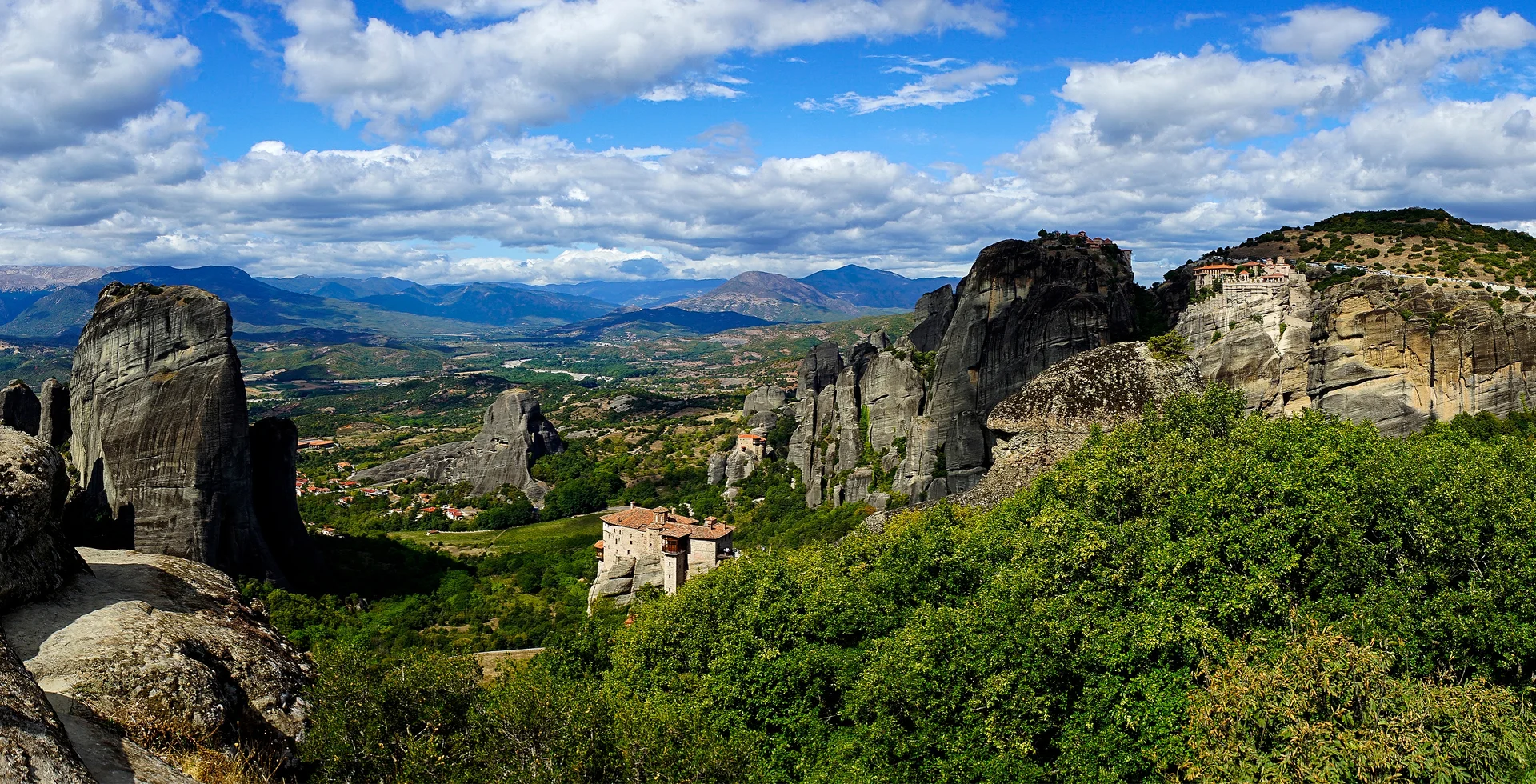
Kalambaka is a small town that you can visit quickly. It is not very big, but it has its local charm. The small side streets and especially the local restaurants are worth the trip. It is the ideal place to stay before visiting the famous Meteora monasteries.