
Visiting Corfu, the Greek Island with a Venetian Soul
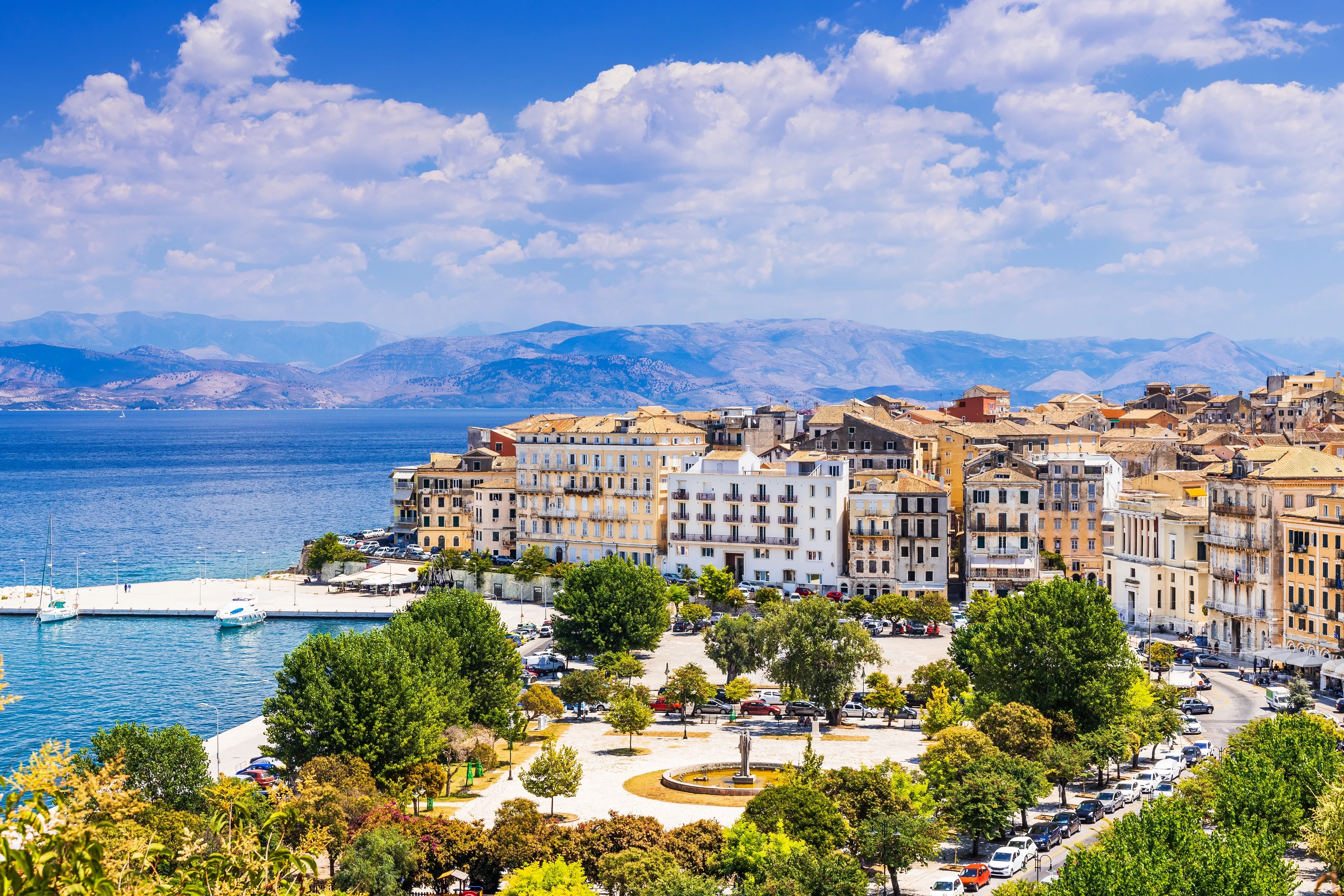
Expecting to spot a gondola out on the Ionian Sea? It sounds a bit far-fetched, and yet, wandering the narrow alleys of the Corfu Old Town gives you the distinct sensation of having crossed the Adriatic straight into an Italian maze. The ochre facades, the green shutters, the laundry hung out to dry between windows...
Here, Greece flirts with the Republic of Venice, and that hybrid identity is the main draw of this 228-square-mile island, whose old town is a UNESCO World Heritage site.
Corfu: The Ideal Mediterranean Destination for Travelers Who Want It All
Corfu caters to travelers who refuse to choose between culture and lazy beach days. If your ideal itinerary pairs a morning monastery visit with an afternoon swim, you will love it here. Families appreciate the easygoing pace, accessible beaches, and straightforward transit. Couples searching for romance will find it in the hilltop villages and secluded coves.
One caveat: July and August turn the top sights into tourist hubs. If you prefer to skip the crowds, aim for May through June or September through October.
As for the budget, expect mid-range Greek pricing: a proper meal runs $17-$23* per person, and a double room goes for about $68-$113* depending on the season. Renting a car is practically mandatory if you want to explore beyond the capital ($45-$68* per day).
The Old Town and Its Architectural Treasures
Kick off your exploration in the historic core, an old town that feels much more like a Tuscan city than a Cycladic village. Lose yourself in the labyrinth of the Campiello, a medieval neighborhood with alleys so narrow you can almost touch both walls by stretching out your arms. Worn stone staircases, arched passageways, and shaded little squares create a timeless atmosphere.
The Palace of St. Michael and St. George, the former residence of British governors, cuts a neoclassical silhouette at the north end of the esplanade. Its majestic arcades now house the Museum of Asian Art, a surprising collection right in the middle of the Mediterranean. Nearby, the Church of Saint Spyridon stands out thanks to its bright red dome towering over the rooftops. Inside, the frescoes by Panagiotis Doxaras are worth a look, as is the silver sarcophagus holding the island's patron saint.
Friendly tip: grab a sidewalk table on the Liston, an elegant arcaded promenade inspired by the Rue de Rivoli in Paris, to watch the locals on their evening stroll, known as the volta. Order an iced kumquat, the local specialty, and enjoy the free show.
In the Footsteps of Empresses and Ancient Heroes
About ten kilometers south of the city stands the Achilleion Palace, an architectural whim of Empress Sisi of Austria. Built in the late 19th century, this neoclassical villa reflects the empress's intense fascination with Greece and classical mythology. Terraced gardens frame sweeping views of the sea and surrounding hills. Monumental statues of Achilles dot the grounds, nodding to Sisi's obsession with the Greek hero.
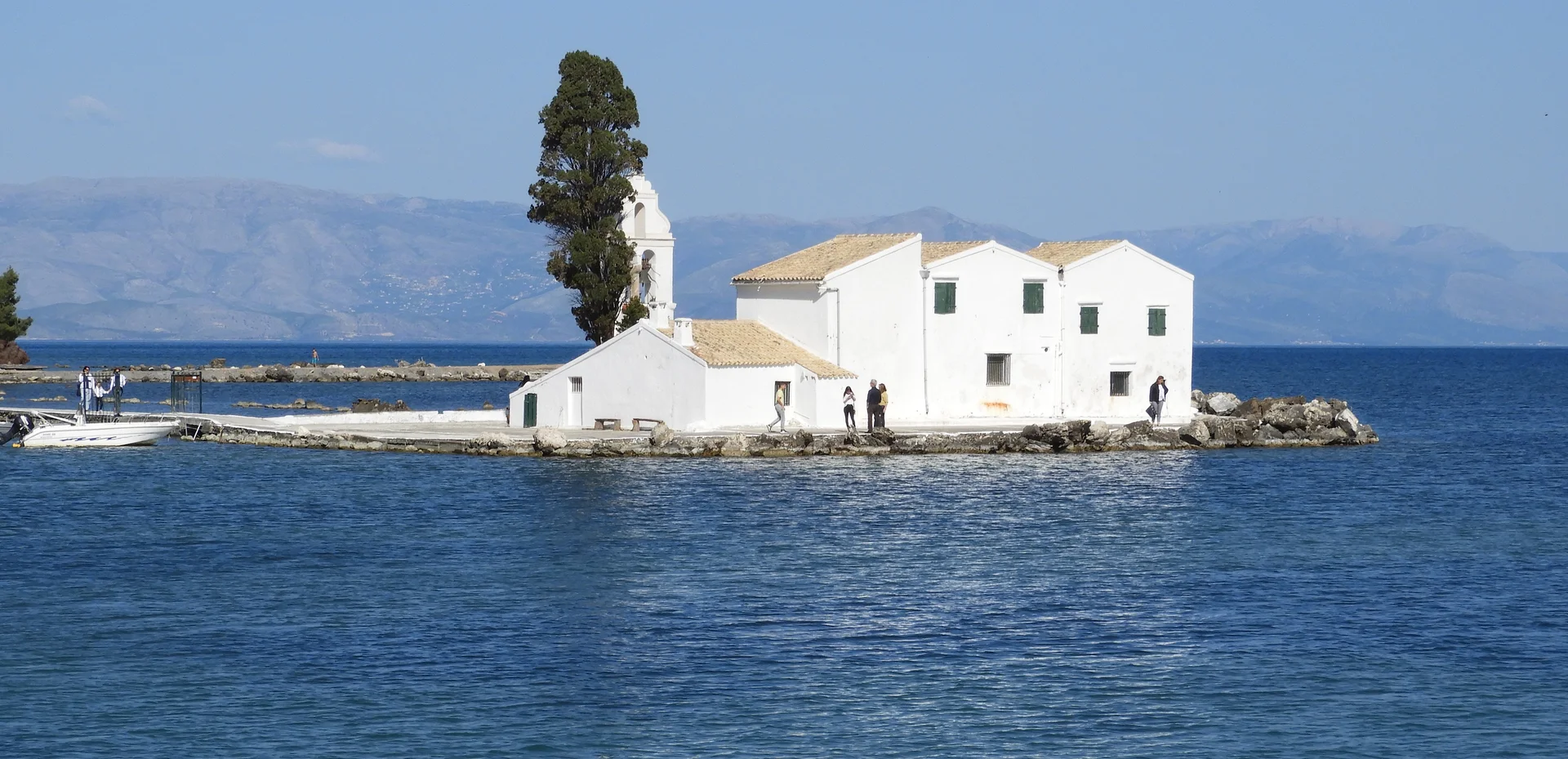
For a totally different vibe, take a boat over to the Pontikonisi islet, reachable from the Vlachernes Monastery for just a few euros. Topped by a tiny white chapel, this miniature rock is said by Homeric legend to be the ship of Odysseus turned to stone by Poseidon. It makes for one of the most photographed panoramas on Corfu, especially at sunset.
Friendly tip: skip the Achilleion in the middle of the day when the tour buses arrive en masse. Plan your visit for late afternoon, around 5 PM, when the golden light hits the gardens and the crowds have cleared out.
Beaches and Natural Wonders
Coastal Highlights
Paleokastritsa Beach, on the west coast, fully lives up to its reputation. This string of turquoise coves wedged between green cliffs is a playground for snorkelers and divers. The underwater terrain features sea caves and active marine life, and several dive shops run introductory sessions and trips for all levels further out.
Further south, Agios Georgios rolls out a golden sand ribbon stretching nearly three kilometers. The dunes bordering the beach provide natural shade during the peak of summer, and the shallow water for dozens of yards out makes it a safe bet for families with small children.
Lake Korission, a Wild Sanctuary
Just a short distance from Agios Georgios, Lake Korission offers a totally different atmosphere. This 430-hectare lagoon, cut off from the sea by a narrow strip of sand dunes, protects an exceptional bird sanctuary. Flamingos, herons, egrets, and dozens of migratory species gather here. Rent a kayak to explore this protected habitat at a calm pace, far from the beach resort scene.
Friendly tip: to experience Paleokastritsa without the rush, catch an early morning water taxi to the secluded northern coves. You will have these little paradises entirely to yourself until 11 AM, right before the organized boat tours show up.
Hilltop Villages and Inland Corfu
The mountainous interior of the island, carpeted with olive trees and cypresses, hides traditional villages where time seems to stand still. Pelekas perches on a hill, offering 360-degree views of the island from the Kaiser's Throne viewpoint. Lakones and Makrades, clinging to the mountainsides above Paleokastritsa, are worth the trip for family-run tavernas and vertigo-inducing lookouts.
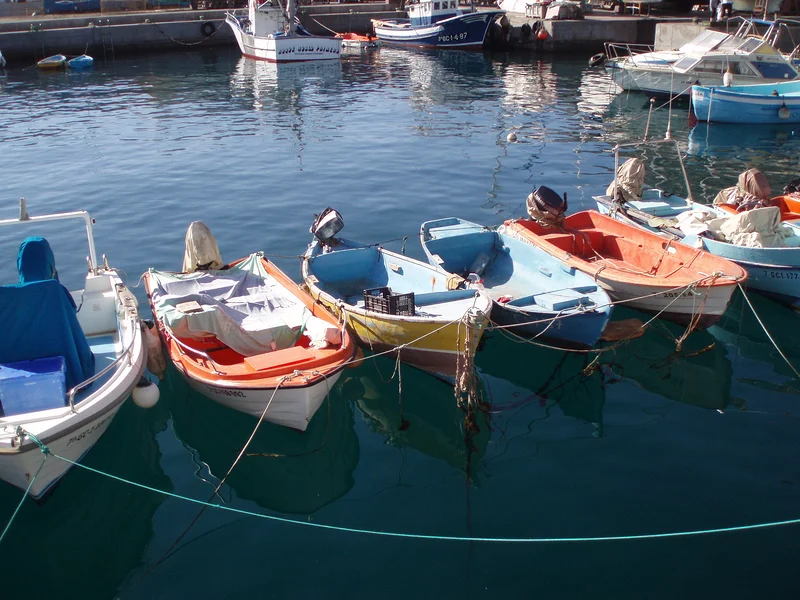
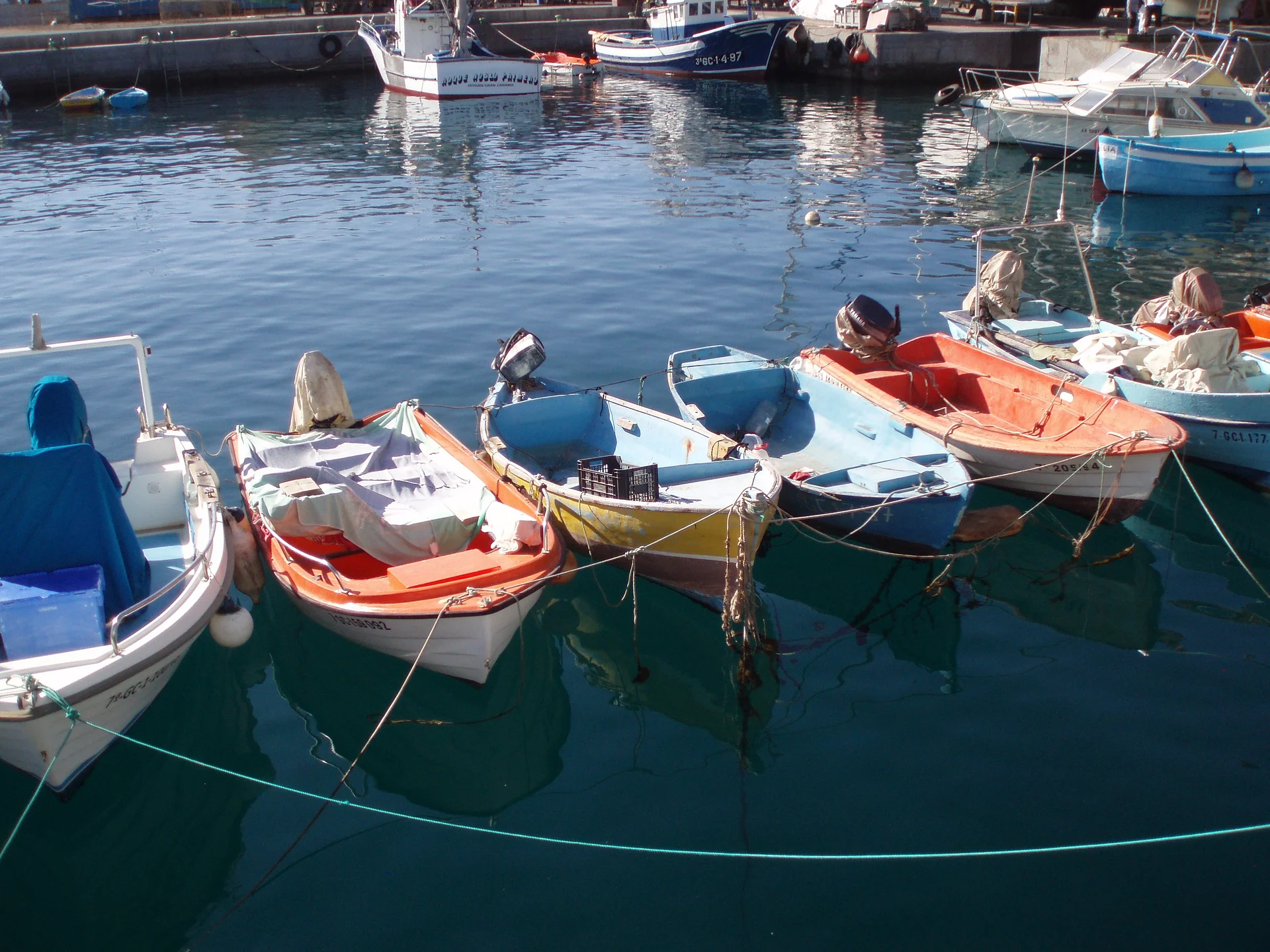
To the northeast, the villages of Kassiopi and Kouloura have held onto their authentic fishing port character despite the summer rush. Colorful wooden boats bob in tiny, protected bays where you can eat grilled fish right by the water.
Where to Eat and Drink in Corfu?
Corfiot cooking blends Venetian influences with Greek traditions. Do not miss sofrito, a signature dish of beef braised in a garlic and white vinegar sauce, which is a direct hand-me-down from Venetian rule. Bourdeto, a spicy paprika fish stew, warms up cooler evenings. When it comes to sweets, the kumquat reigns supreme in liqueurs, jams, and candied fruits.
In the old town, bypass the tourist traps on the esplanade and duck into the Campiello alleys to find genuine family-run tavernas. The covered market near the new port stocks local fruit, vegetables, and cheeses every morning except Sunday. Corfu graviera, a hard sheep's milk cheese, pairs nicely with a glass of local white wine.
How to Get to and Around Corfu?
Corfu International Airport sits just three kilometers south of the city. Several low-cost carriers operate direct flights between April and October, running $90 to $169* round trip depending on the month, with a flight time around 2 hours and 45 minutes from Western Europe. Outside the peak season, route through Athens and grab a short domestic hop (1 hour, $45-$79*) or take a ferry from Igoumenitsa (1.5 hours).
On the ground, a car rental is essential for exploring the island thoroughly. The roads are decent, though winding in the mountain zones. Budget $45 to $68* per day depending on the season. Local buses connect the capital to major beaches and villages, but limited schedules make spontaneous trips tough.
The historic downtown is strictly pedestrian: narrow lanes and stairs make driving impossible. Pack good walking shoes and leave your car in one of the paid lots on the outskirts (around $2.30* per hour).
When to go?
Corfu enjoys a mild climate that makes visits pleasant year-round. To enjoy the beaches without the crushing heat and heavy crowds, aim for May through June or September through October, when the sea is around 72 to 75 degrees, the sun shines consistently, and prices drop. July and August routinely hit 82 to 90 degrees and pack the sights with travelers.
Corfiot winters stay mild, with temperatures rarely dipping below 50 degrees. This off-season window suits hikers and culture-seekers, though most resort infrastructure closes from November through March. Visiting during Orthodox Easter puts you front row for the dramatic Saint Spyridon processions winding through the old town.
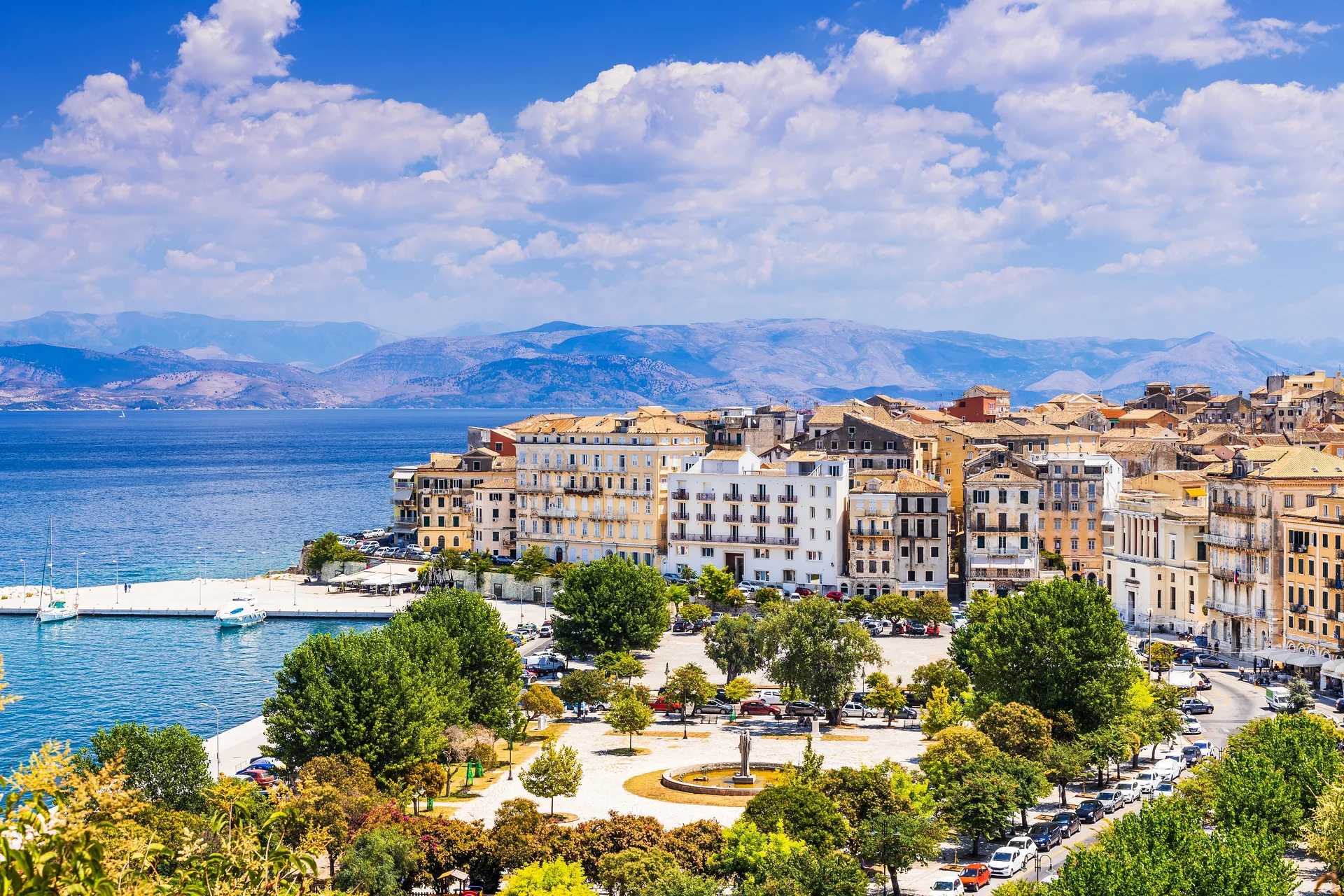
Even though Corfu is the capital of the island, the city remains quite charming and authentic. I really loved its lively atmosphere, even late at night. You eat really well there and there are plenty of cool places to grab a drink. The center is pretty with beautiful, well-preserved buildings.