
Milos, the Greek island where geology turned into art
Back in 1820, a local farmer literally dug up one of the most famous sculptures on earth here: the Venus de Milo. The island let its goddess move to the Louvre, but it kept its wind-sculpted lava landscapes, wild-colored beaches, and fishing villages where time seems to stand still. With more than 70 beaches and rock formations that look straight out of a sci-fi movie set, Milos is the best-kept secret in the Cyclades.
A destination for explorers, not partygoers
If you are looking for clubs and heavy nightlife, skip this trip entirely. Milos draws travelers who want to track down coves accessible only by boat, swim inside sea caves, and wander through villages of brightly painted houses. The island fits couples, families, and small groups of friends in their 30s and 40s who want peace and raw beauty.
One practical reality hits hard right away: without a vehicle, you are stuck. Buses do run, but schedules are limited, and certain beaches require a 4x4 or an ATV to reach. Budget $17 to $57* a day for a scooter, and more for a car. The western half of the island, past Achivadolimni Beach, stays wild with unpaved roads where most rental agencies will not let you take a standard car.
A budget that climbs in peak season
Outside of peak summer, expect to spend around $113* a day for two people, lodging included. In July and August, prices spike hard: hotels often require a three-night minimum stay and rates double easily. A taverna meal runs between $17 and $29* per person, and a boat trip to Kleftiko costs from $90 to $169*.
The lunar beaches of the north
Sarakiniko Beach defies description. Its blindingly white volcanic tuff rock has been carved by erosion into organic curves that look like the lunar surface. Bright turquoise water pushes into natural caves where you can swim. Get there early in the morning or late in the afternoon to dodge the crowds and catch the low-angle light. The actual beach is tiny, but everyone just claims a spot on the smooth rock shelves to sunbathe.
A few miles away, Papafragas offers a totally different vibe: a narrow inlet wedged between thirty-foot sheer cliffs, reached by a staircase carved straight into the stone. It makes a great spot for snorkeling on calm days. More adventurous visitors can push on to Firopotamos, an old fishing hamlet turned beach where colorful syrmata boat garages still line the water.
Friendly tip: the north coast faces the meltemi winds that blow hard in August. Check the forecast before heading that way unless you want a faceful of blowing sand.
The volcanic south and its fiery shores
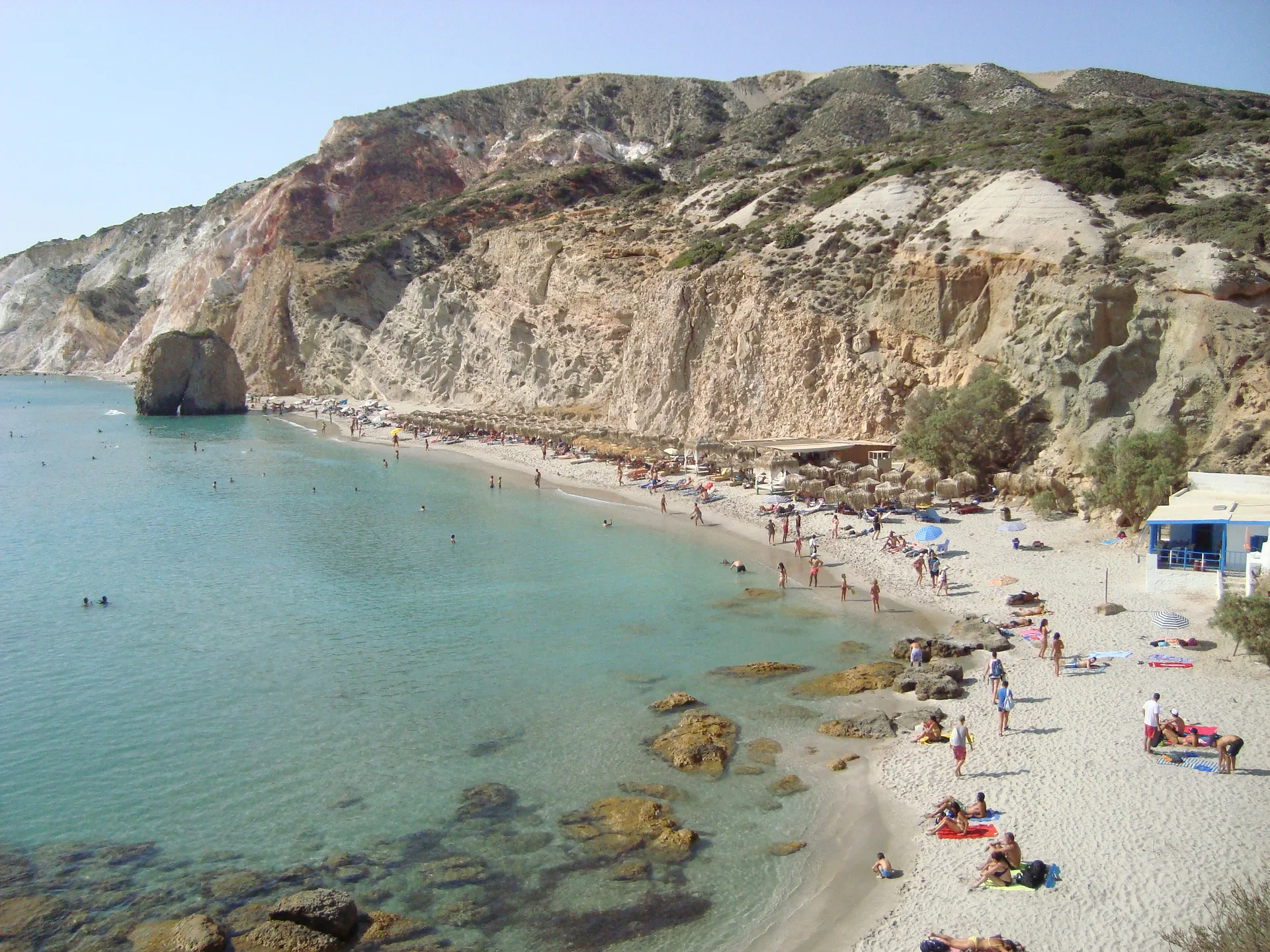
The south side exposes the volcanic roots of Milos. At Paleochori, the sand turns shades of ochre and deep red, and a quirky local feature puts on a show: at the Sirocco restaurant, they bake fish right in the sand using geothermal heat radiating up from the ground. Warm air bubbles occasionally pop up through the shallow water, making for a bizarre swimming experience.
Getting down to Tsigrado Beach takes some grit. You have to climb down a wooden ladder dangling against the cliff face, followed by a tight rock squeeze. Leave the flip-flops behind and wear real shoes. At the bottom, a secret cove with glass-clear water and sea caves waits for you. Right next door, Firiplaka gives you an easier alternative with glowing red cliffs and shallow water where families splash around safely.
Fishing villages with rainbow doors
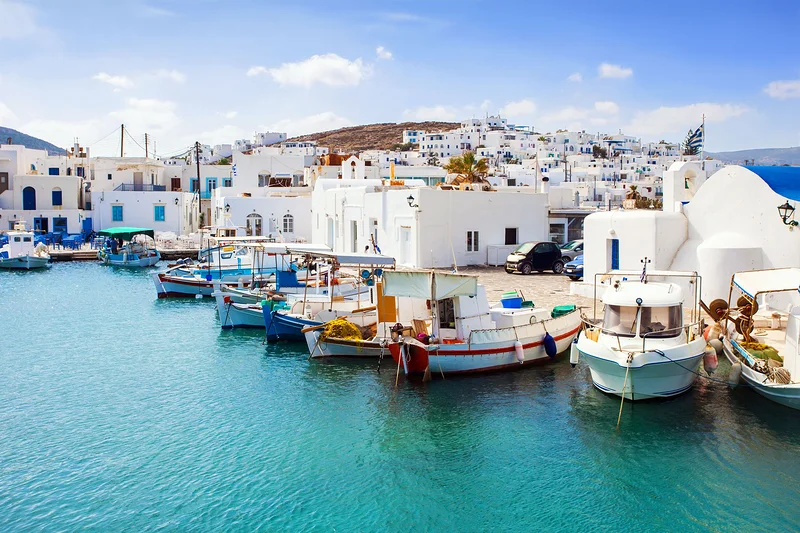
The true heart of Milos lies in its tiny fishing settlements. At Klima, about twenty two-story boathouses line the water's edge. The ground floor used to store fishing boats while the upper level served as living quarters. Today, these syrmata with their brightly painted doors reflect in the glassy bay. Sunset here is unreal. The neighboring village of Mandrakia brings that same charm, plus the Medusa taverna where the grilled octopus is worth the trip.
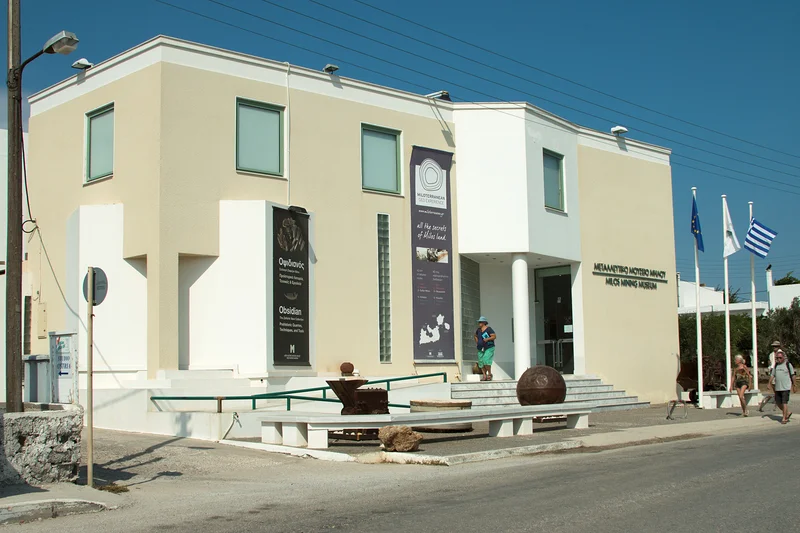
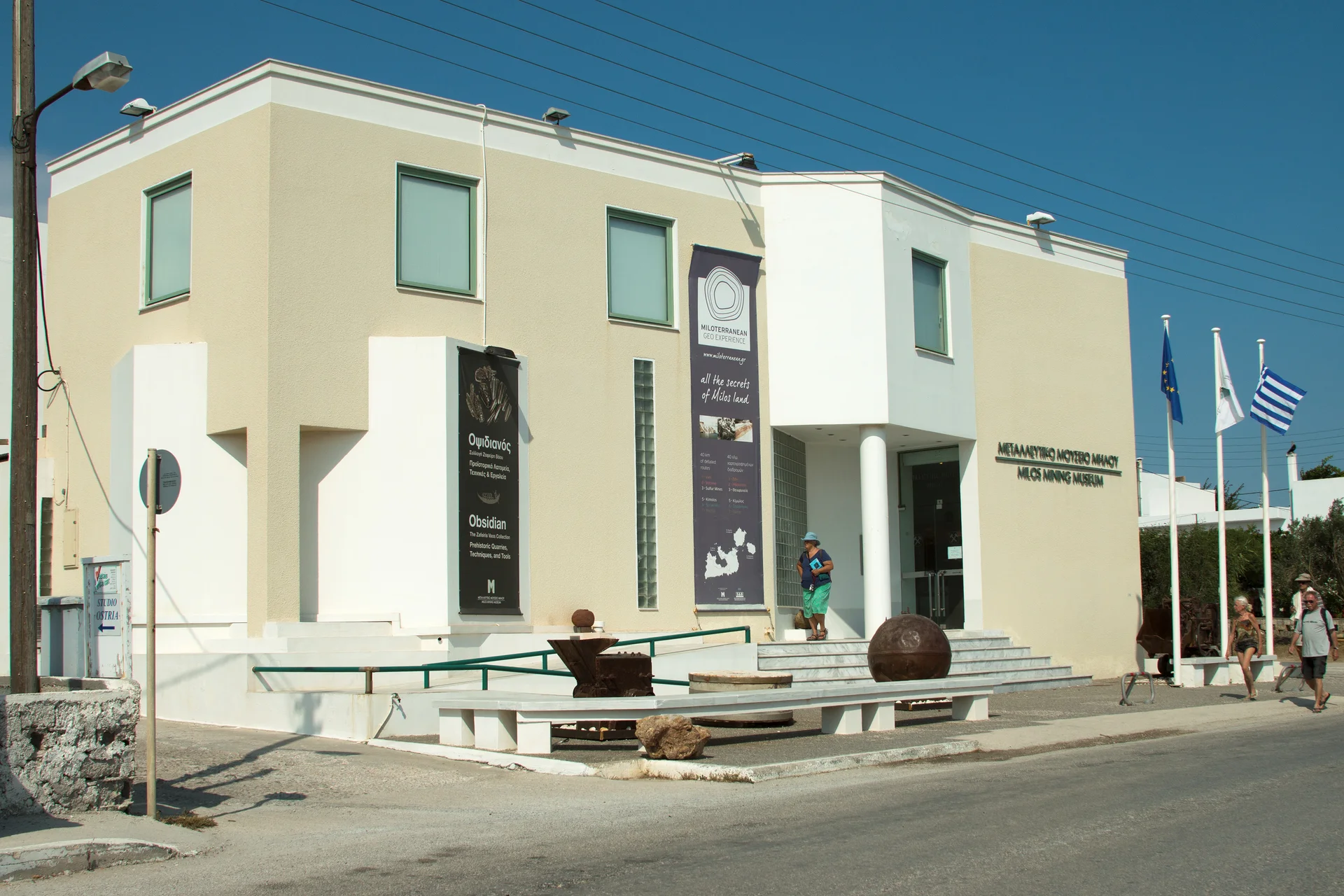
Plaka, the hilltop capital, looks down over the entire island. Its cobblestone lanes climb past whitewashed houses up to the ruins of a Venetian kastro. Everyone gathers here at sunset, either around the church square or after the ten-minute hike to the peak of the fort. The archaeological museum displays a replica of the Venus de Milo, since the real one shipped out two centuries ago.
Friendly tip: in peak season, cars are blocked from entering central Plaka late in the day. Park in the lots at the bottom and walk up.
The mandatory boat trip to Kleftiko
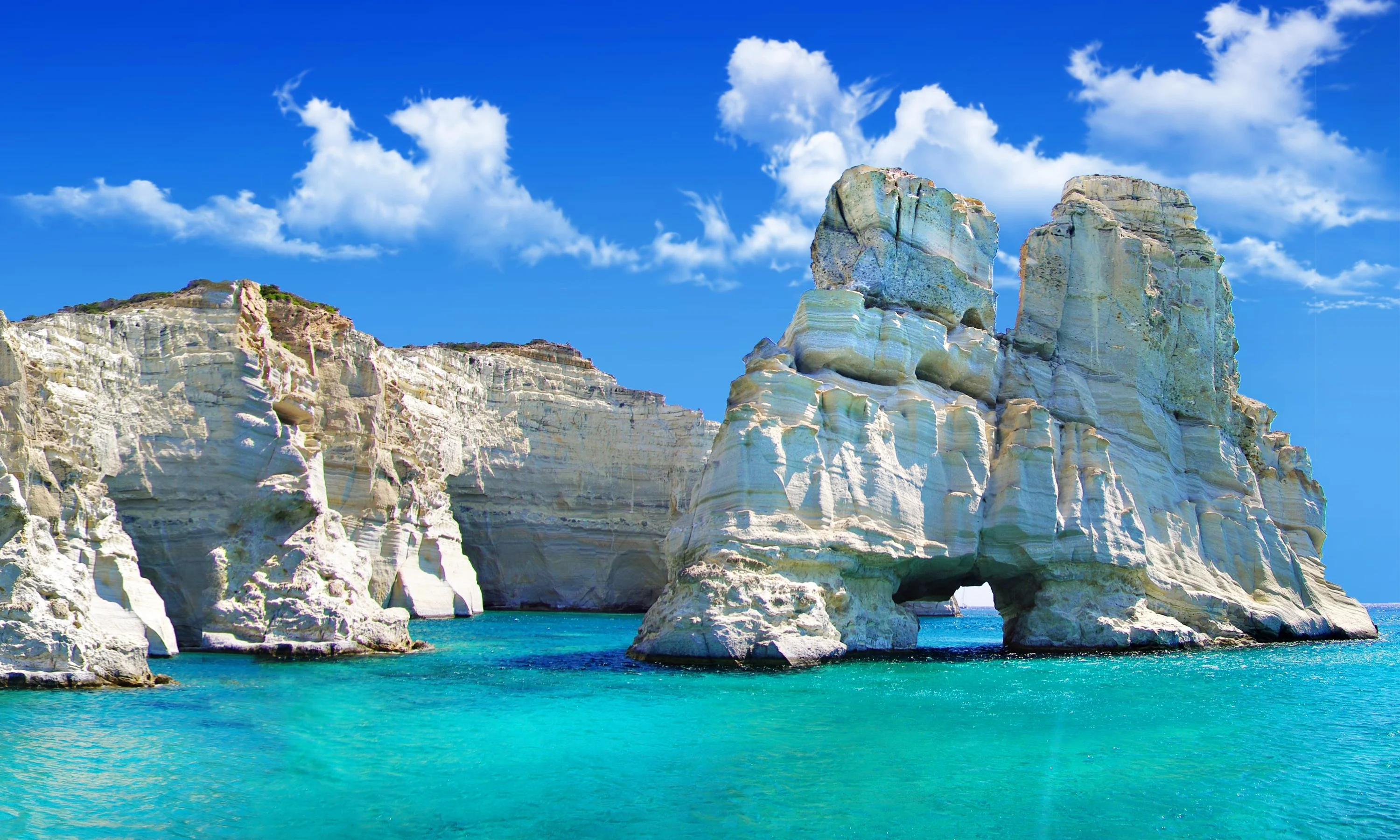
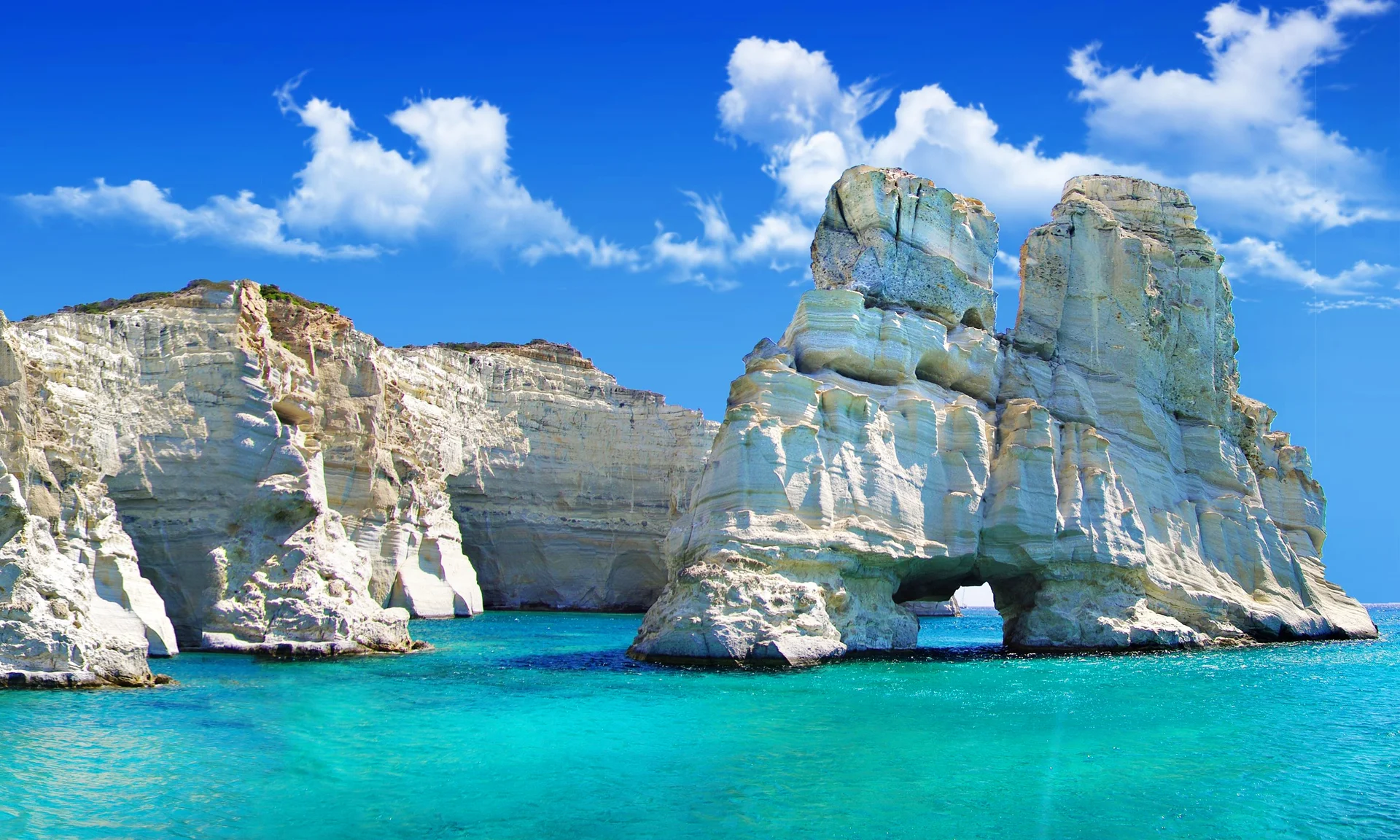
The cliffs of Kleftiko, once used as hideouts by pirates, are strictly reachable by sea. Sea caves punch through the stark white rock, the water turns impossible shades of turquoise, and the snorkeling is top-tier. Catamaran and sailboat tours typically set out from Adamas in the morning, packing in swim stops, a Greek lunch, and gear. Plan for a full day out. It is pricey, but it consistently ends up being everyone's favorite memory of Milos.
Where to eat and drink in Milos
Local cooking highlights fresh seafood along with island specialties like pitarakia, little fried cheese pastries. Down in Adamas, the O! Hamos! taverna plates up fantastic home-style food, including an unforgettable chickpea stew. For a cheap and fast gyros, Gyros of Milos right by the port does the job for under $3.40*. When evening hits, the outdoor tables in Pollonia serve fresh fish by the water, while sunset drinks at Plaka's Verina Cocktail Bar hit the spot.
Where to stay in Milos and around
Adamas works best if you want to be close to the ferry port and all services. Pollonia, on the northern tip, has a quiet beach-town feel with a nice swimming beach and solid dining options. Plaka appeals to travelers who want winding white alleys and big views, though hauling heavy luggage up those stairs is no joke. For a wild lodging experience, a few converted syrmata in Klima put you literally right on the water.
How to get to and around Milos
From Athens, daily flights reach Milos airport in 30 minutes. Ferries remain the standard route: plan for 3 to 7 hours from Piraeus depending on the vessel, with tickets running between $45 and $79*. From Santorini, the crossing takes under 2 hours. Use Ferryhopper to compare timetables easily.
Once you arrive, rent a car straight away; the rental desks line the port. The road network is decent everywhere except the rugged western half. A single day is enough to drive the whole island, but you will find yourself heading back to the same favorite beaches over and over.
When to go?
May, June, and September hit the sweet spot: comfortable weather, warm sea temperatures, and lighter crowds. July and August bring blistering heat, heavy winds, and maxed-out prices. After mid-October, the island empties out and many spots shut down for the season. April stays too chilly for swimming, but the hills are bright green and hotel rates drop significantly.
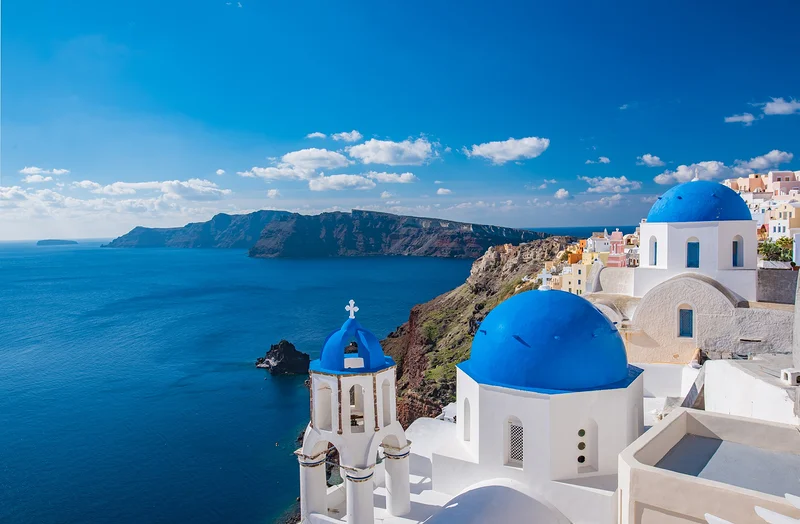
Visiting the island of Milos is a really good alternative to the Cycladic islands that are overrun by tourists, like Santorini. Between the port of Adamas, the island's capital Plaka, or even Pollonia way out to the east, every town has its own charm, and the island is packed with must-see tourist spots: the fishing villages of Mandrakia and Klima, Sarakiniko and its lunar landscapes, the spectacular cliffs of Kleftiko... You can spend a week here without getting bored! As a little bonus, don't hesitate to head over to the neighboring island of Kimolos, which is also absolutely worth the trip!