

Visiting Paros
Paros sits right in the middle of the Cyclades, the third-largest island in the chain and its most central. Its postcard villages run from the beach to the mountainside, with small fishing harbors, whitewashed architecture, and layers of cultural and archaeological history packed into one island. It's one of the most popular vacation destinations in the Aegean, and it feels both foreign and welcoming. This is the island whose marble was carved into some of antiquity's most famous statues, and its story is still being written in beauty and exceptional craft.
Postcard villages
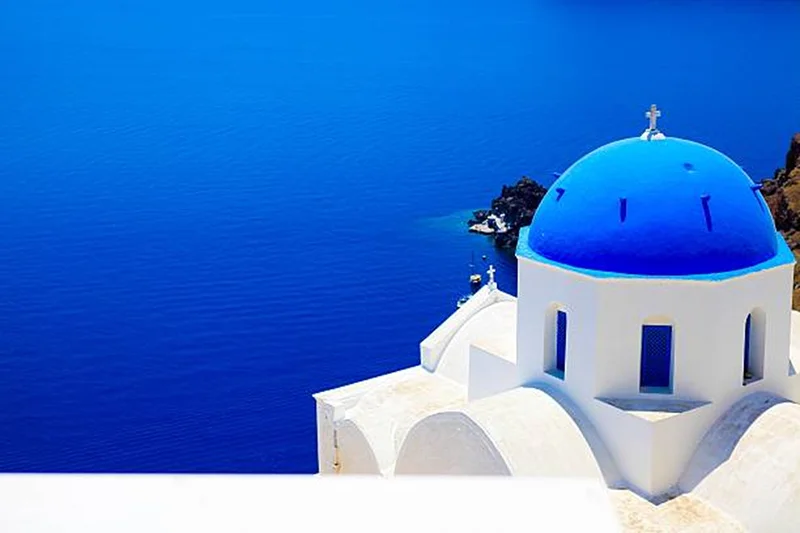
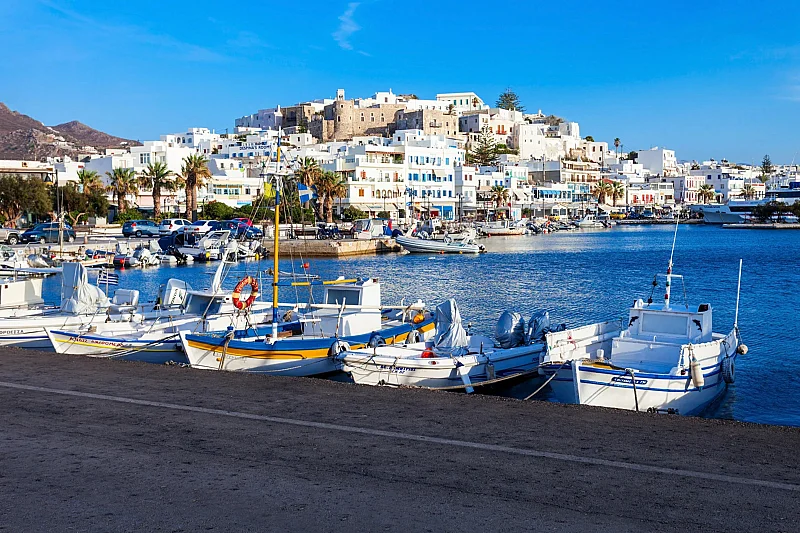
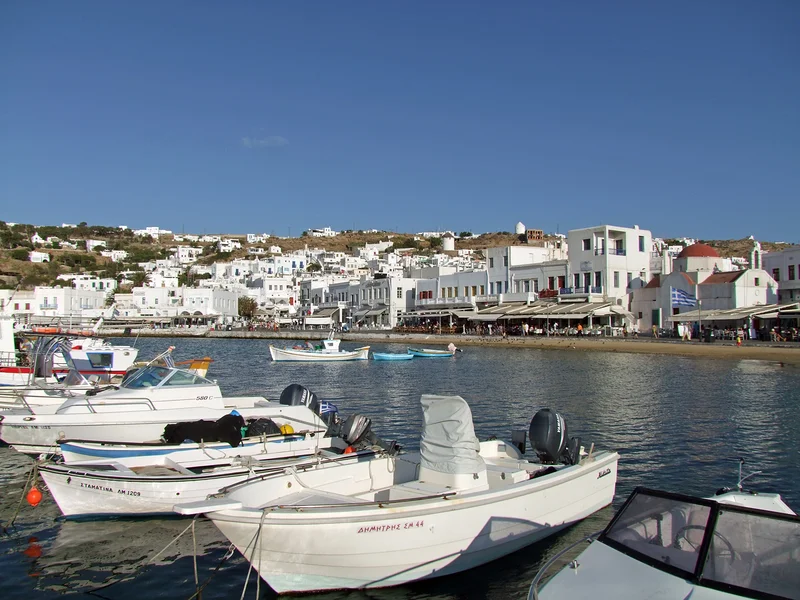
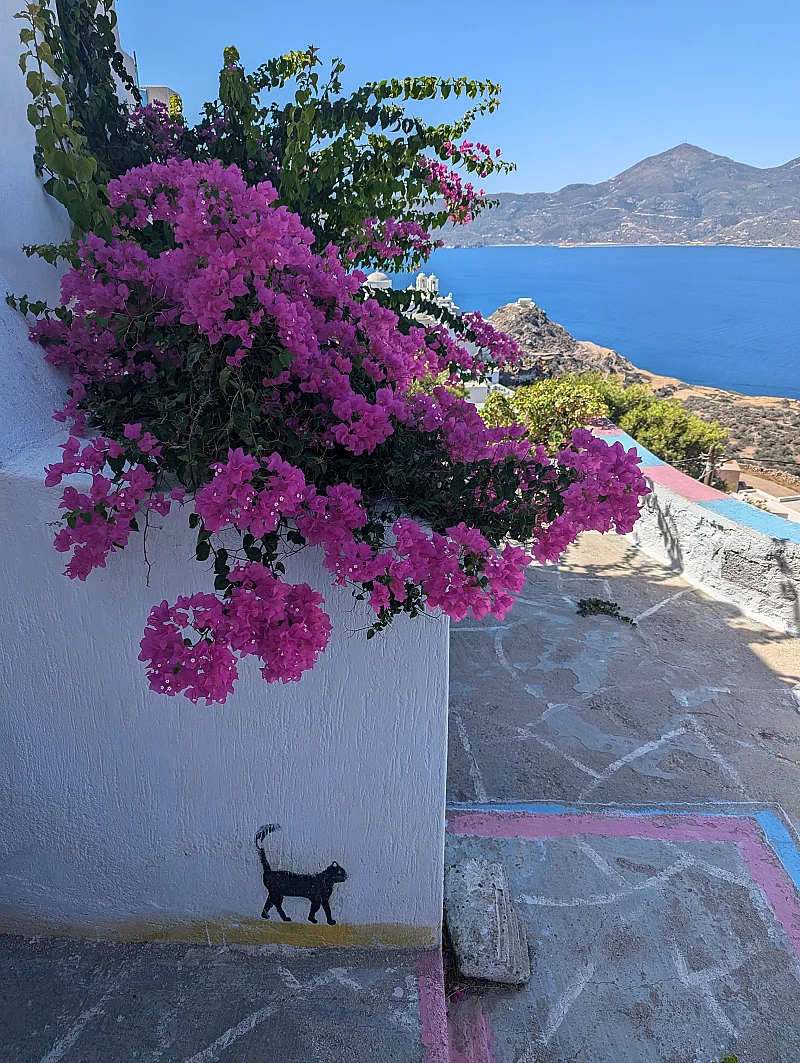
Start with Parikia, the bright capital that sets the tone for the island. The ferries dock in its port, and the old town has the classic Cycladic look: paved lanes lined with white houses and flowering vines that lead to the Venetian Kastro of 1260, the ruins of the Temple of Athena, and the famous Panaghia Katapoliani Basilica, founded in the 4th century. History is everywhere here, from the Byzantine Museum to the Ancient Necropolis, with tombs and sarcophagi dating to the 8th century BC. The Archaeological Museum holds the finds from across Paros and is genuinely worth your time. Six miles (10 km) away, Naoussa brings a chic resort feel. It's a former fishing village that has become the island's must-visit spot, with the same characterful architecture in its streets. Its Kolymbithres beach is a string of small coves studded with huge, sculpted boulders.
Ruins, nature, and exceptional beaches
At the foot of Mount Aghion Pandon, the small village of Lefkes is all about authenticity. Houses climb the hillside in an amphitheater under a pine forest, windmills sit on the heights above, a street of tavernas and shops is the main draw, and old communal laundries keep the tradition alive. The Agia Triada cathedral, with its two bell towers, is a striking building, and this is also where some of the island's best hikes begin. The trails in Paros Park are well regarded too. At the island's tip, its 80 hectares take in sweeping views, coastline, and a rocky headland topped by a magnificent lighthouse at 60 m. The Valley of the Butterflies is another Paros attraction. Its lush vegetation is home to the Jersey tiger moth, also known as the callimorpha, and the site is idyllic for nature lovers. The island's many beaches each have their own character. Golden Beach is one of the largest, and windsurfers flock to it, as they do to Santa Maria. Monastiri is the place for restaurants. The island is known for its citrus and wines, and it's full of local specialties like gouna (dried mackerel), cheeses, capers, and figs. A day trip to the neighboring island of Antiparos lets you visit its famous stalactite cave and enjoy quieter beaches.
When to go
Average temperatures run between 14°C and 28°C (roughly 57°F to 82°F), and April through October is the best window, with tourism peaking in summer. The island gets 3,000 hours of sunshine a year.
How to get there
The airport, 10 km from the capital, mostly handles domestic flights to Athens, so plan on a stopover there. If you're coming from Europe, that connection through Athens is part of the trip. By boat, ferries run from Piraeus, Rafina, and Lavrio.

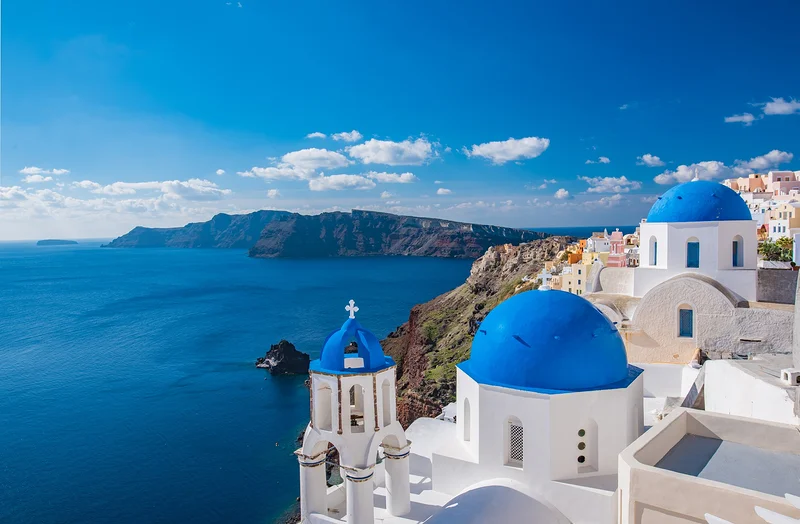
Paros is an island located in the center of the Cyclades. The main port is Parikia.
Paros is the ideal spot to use as a starting point for a sailing trip in the Cyclades.
Since the distance between each island is not too great, you can reach any of them in a maximum of 4 hours of sailing. Plus, these islands have plenty of bays that are protected from mass tourism and accessible only by boat.