Visiting Brittany
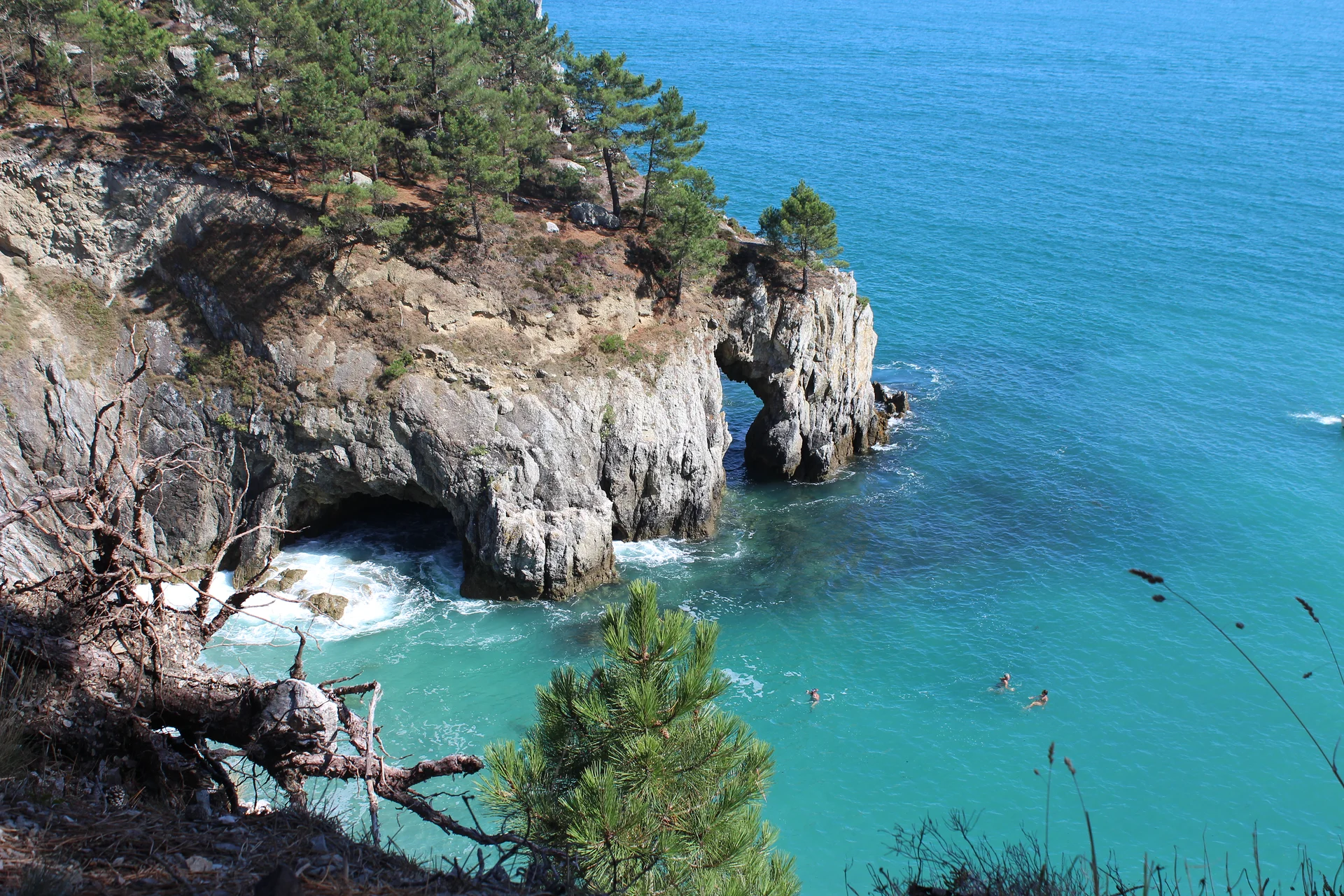
Two thousand seven hundred kilometres of coast for a peninsula three hundred kilometres wide: Brittany is made of cuts, estuaries, islands and headlands. The tide rises more than ten metres in the bay of Saint-Malo, which reshapes the landscape twice a day.
And the ground tells another story. The alignments at Carnac, the cairns and the dolmens are Neolithic, four and a half thousand years before our era, long before the Celts they are wrongly credited to. That depth is not found anywhere else in France.
You'll love it if
- You walk: the old customs path runs the length of the coast
- Oysters, salted butter and cider speak to you
- You take changeable weather as part of the scenery
Give it a miss if
- You want water at twenty-five degrees
- You're after big museums and city monuments
- You plan to visit the islands in August without booking the boat
The must-sees
-
1 Saint-Malo +49 recs
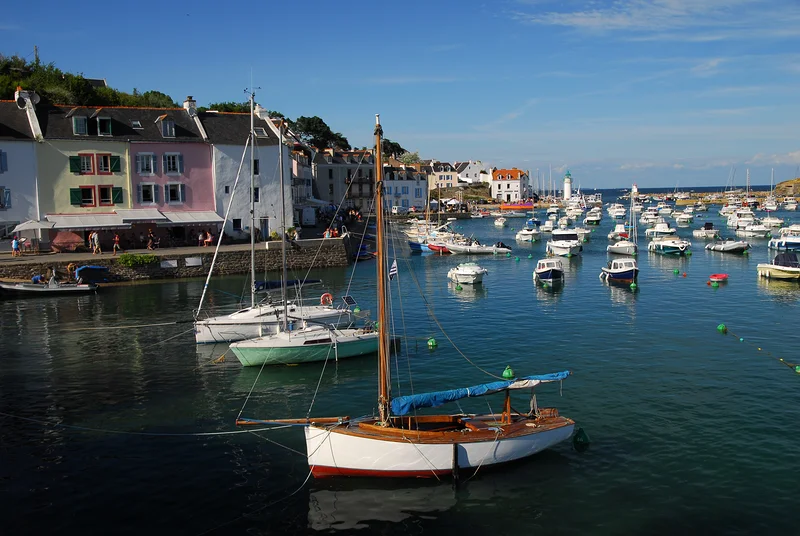
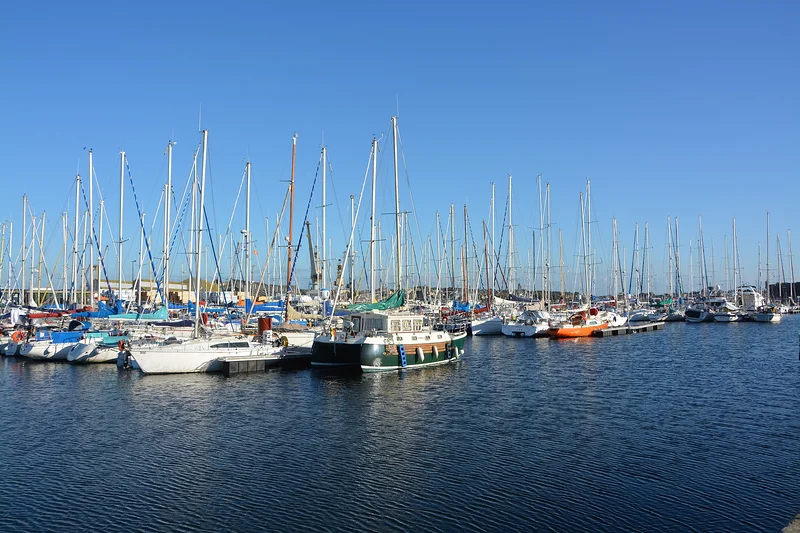
The corsair city inside its ramparts, rebuilt stone for stone after the destruction of 1944. The walk around the walls takes three quarters of an hour, and at low tide you can reach the islets on foot.
-
2 The Carnac alignments +25 recs
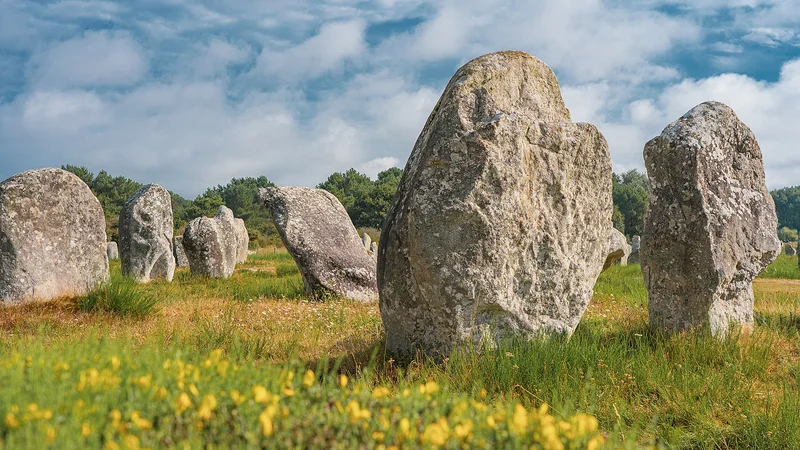
Nearly three thousand menhirs over four kilometres, raised between 4500 and 3300 BC. The fields are fenced to protect the heath, but guided visits go inside out of season.
-

3 Belle-Île-en-Mer +20 recs
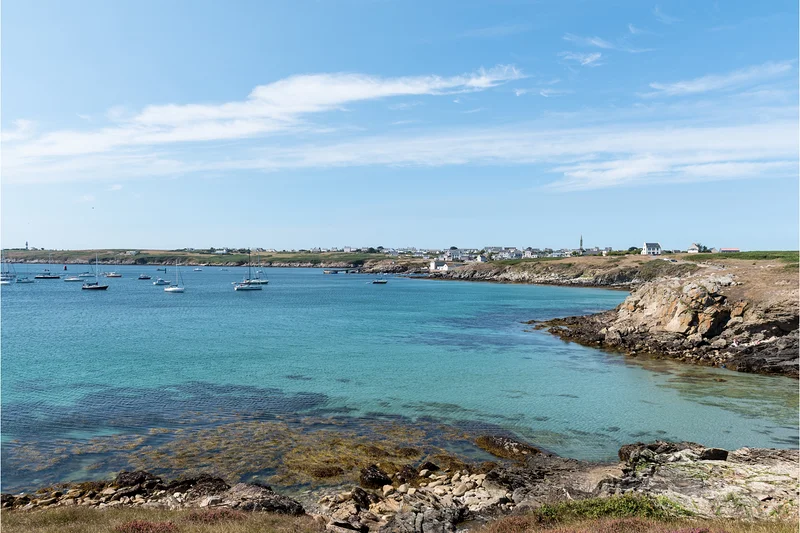
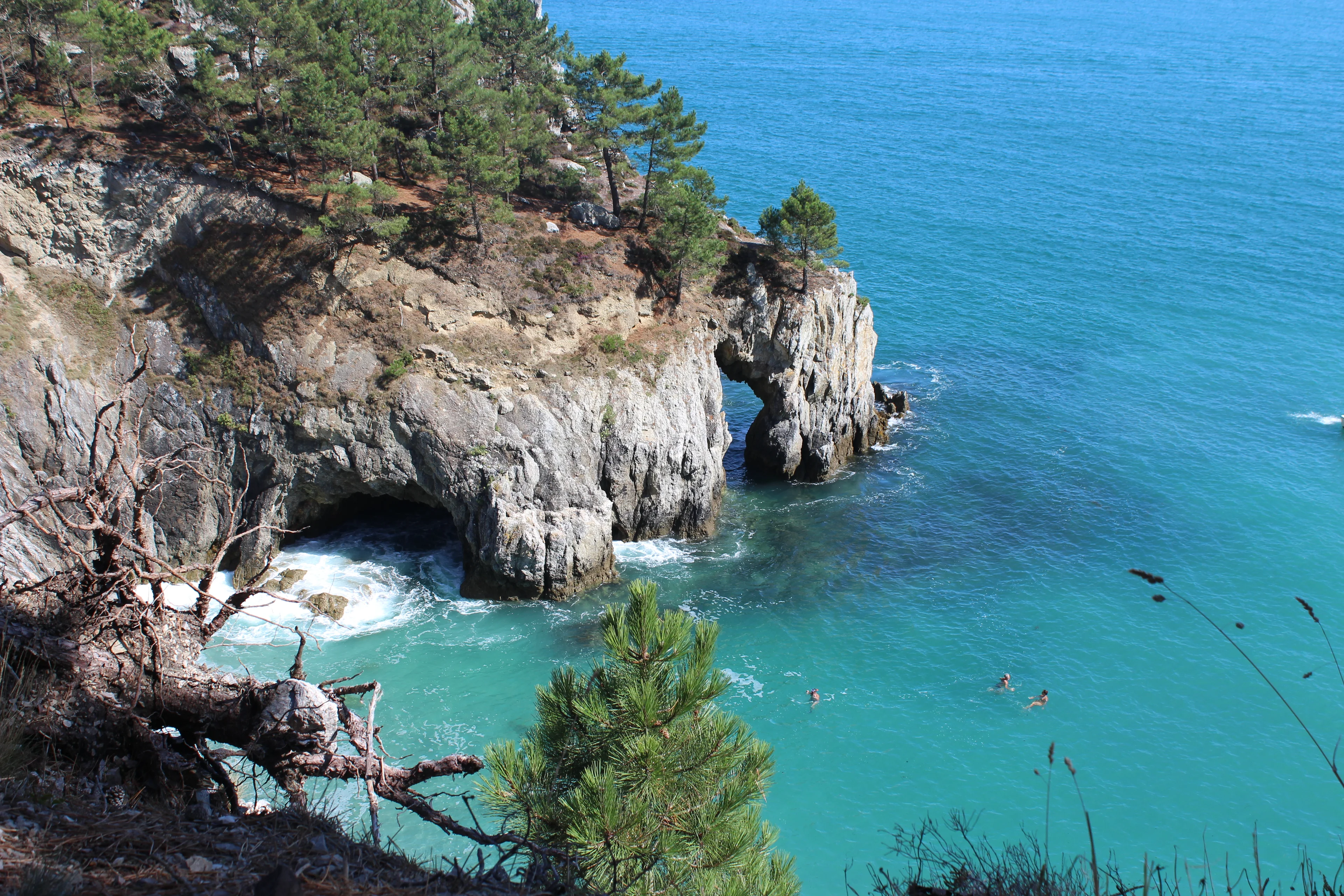
The largest Breton island, forty-five minutes from Quiberon. The Port-Coton needles, painted by Monet, are visible from the coast path. Book the boat in summer, and the car too.
-
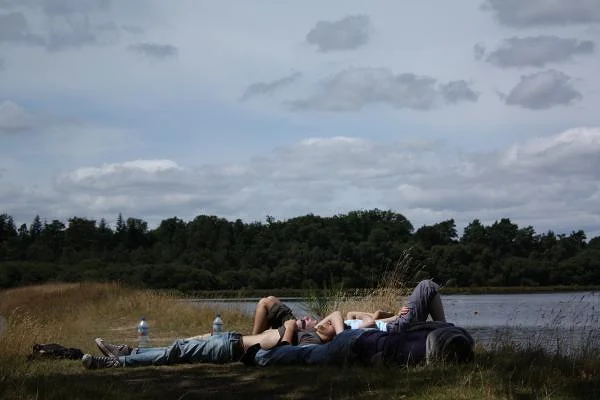 Photo posted by Sebastien Poncelet
4 The forest of Brocéliande +24 recs
The Paimpont massif, identified since the twelfth century with the forest of the Arthurian romances. Merlin's tomb and the Barenton spring are megalithic sites reinterpreted, which takes nothing away from the walk.
-
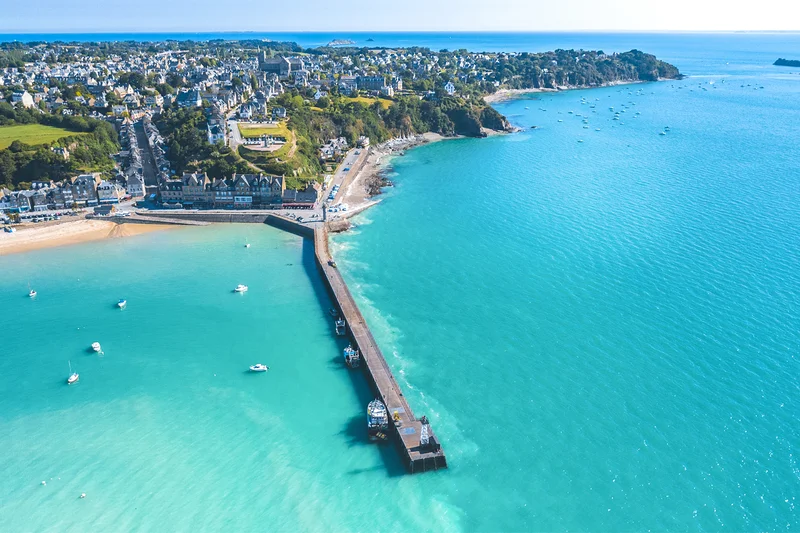
5 Cancale oysters +16 recs
The beds appear at low tide, opposite the town. You eat them on the quay, bought by the dozen from the grower, opened in front of you and handed over on a piece of card.
The classic mistake
Booking your accommodation before looking at the tide tables. At Saint-Malo, at nearby Mont Saint-Michel and at Cancale, the coefficient decides what you will see, and it is known a year ahead.
Our itineraries in Brittany
| Length | Route | What you see |
|---|---|---|
| Long weekend (3 days) | Saint-Malo › Cancale › Dinan | Ramparts, oysters, medieval town |
| 1 week | Rennes › Saint-Malo › Carnac › Quiberon | City, north coast, megaliths |
| 10 days | Rennes › Saint-Malo › Brest › Quiberon › Belle-Île › Vannes | Both coasts and an island |
You travel the peninsula along one coast, not both: the north for ramparts and cliffs, the south for megaliths, the gulf and the beaches. Linking them means crossing the interior, an hour and a half of driving with nothing to see.
For a week, pick your coast. For ten days, go round clockwise, keeping one night on an island.
When to visit Brittany
| Rating | Season | Weather | Crowds and prices |
|---|---|---|---|
| June and September | 16 to 22 °C, short showers | Moderate, mid-range prices | |
| July and August | 18 to 24 °C, changeable | Peak on the coast, high prices | |
| May and October | 12 to 18 °C, damp | Light, good prices | |
| November to April | 6 to 12 °C, wind and rain | Very light, many closures |
Our advice
Aim for September: the water is at its warmest of the year, the campsites empty out and the island sailings are still running. Check the tide tables before choosing your week, the big coefficients are a spectacle in themselves.
Getting to Brittany
-
1 By ferry Most direct
Plymouth to Roscoff, Portsmouth to Saint-Malo, and the Cork route to Roscoff. You land inside the region with your own car, which no other route does.
-
2 By train via Paris Simplest
under the Channel to Paris, then the high-speed line reaches Rennes in a little over an hour and a half from Montparnasse. Regional trains carry on to Brest, Quimper and Saint-Malo.
-
3 By car Most flexible
Breton dual carriageways are free of tolls, which is rare in France. Essential for the coast and the headlands, whether you bring a car or hire one at Rennes.
The ferry is the argument here: you arrive at Saint-Malo or Roscoff with the car the region requires, and you skip the long drive down. For a weekend in Saint-Malo or Rennes alone, the train is enough.
Getting around Brittany
A car is needed the moment you leave the towns: the headlands, the estuaries and the beaches have no regular service. The dual carriageways are free, which lightens the budget.
Worth knowing
Don't leave your car on a slipway or a foreshore car park without checking the time of high tide: vehicles are submerged every year, and insurers treat it as negligence.
What to eat in Brittany
- Buckwheat galette: buckwheat, water, salt, nothing else. The complète is egg, ham and cheese; the rest is up to the crêperie, and it is drunk with dry cider.
- Kouign-amann: risen dough, butter and sugar caramelised in the oven. Eaten warm, the same day, and it weighs what it promises.
- Oysters from Cancale: flat and cupped, farmed in the bay. Bought from the grower on the quay, they cost a third of the restaurant price.
- Far breton: a thick prune custard baked in a buttered dish. A family pudding rather than a shop-window speciality.
- Kig ha farz: the stew of the Léon, with its buckwheat pudding cooked in a cloth bag in the middle of the broth. A winter dish, served in the inns of the northern Finistère.
- Salted butter: Brittany escaped the salt tax, and the butter kept the habit. Churned by hand, it has nothing to do with the supermarket block.
- Farm cider: from Cornouaille above all, where it carries an appellation. Served in a bowl, not a wine glass.
Crêperies close between services and many don't open on Mondays. On the quays, the oyster huts stop selling in the early afternoon, as soon as the tide comes back in.
Where to stay in Brittany
| Area | Good for | Worth knowing |
|---|---|---|
| Saint-Malo | Ramparts, beaches, Cancale next door | Full and expensive in summer, book early |
| Rennes | City, restaurants, rail base | Good prices, forty minutes from the coast |
| Dinan or Vannes | Medieval town, the gulf | Quieter, very good value |
| Carnac or Quiberon | Megaliths, beaches, islands | Seasonal, much closed in winter |
| Brest or the north coast | Headlands, Océanopolis, estuaries | The windiest, the least visited |
How much does a trip in Brittany cost?
| Style | Length | Budget per person |
|---|---|---|
| Budget (campsite or gîte, markets, footpaths) | 7 days | €300 to €450 |
| Comfortable (hotel, crêperies and restaurants, one island) | 7 days | €750 to €1,100 |
| High-end (boutique hotel, fine dining, seawater spa) | 7 days | €1,800 to €2,600 |
- The season: on the coast, accommodation costs 50% more in August than in June, and books six months ahead.
- Oysters from the grower: a dozen bought on the quay costs a third of the same dozen at a table.
- The crossings: taking a car on an island boat costs several times the passenger fare. Leaving it at the port changes the budget.
- No tolls: the Breton trunk roads are free, which seriously lightens a driving itinerary.
- The natural sites: coast path, headlands, beaches and heath cost nothing. Most of the Breton landscape is free.
Traditions and way of life in Brittany
Breton is a Celtic language, a cousin of Welsh rather than of Gaelic, and it is still spoken by a few tens of thousands of people, mostly in the west. Bilingual schools and road signs have brought it back out of the private sphere, where a century of French state schooling had confined it.
The fest-noz is not a show: it is a dance, where you join the chain and learn the steps as you go. Unesco listed it as intangible cultural heritage in 2012, which surprised those who had been going on Saturday nights all along.
One thing that avoids a misstep: Brittany is not Normandy, and neither region finds the confusion funny. Here you say Brittany, and Mont Saint-Michel is Norman, even if the bay is shared.