
Quiberon, the peninsula where the ocean roars against the cliffs
Waves smash into the rocks of the Côte Sauvage with a deafening roar. White sea spray shoots several meters into the air. The wind gusts constantly. Just 500 meters away on the bay side, the water is as smooth as glass and children splash around in 30 cm of warm water. Welcome to the Quiberon Peninsula, a split personality territory tethered to Brittany by a strip of sand measuring 22 meters wide.
A haven for surfers and outdoor enthusiasts
This 14 km long tongue of land appeals to athletes and families chasing a breath of fresh air. Surfers, kitesurfers, and windsurfers find their groove on the exposed breaks of the Côte Sauvage. Cyclists cruise dozens of miles of bike paths winding between dunes and villages. Children wade safely on the fine sand beaches of the bay. Thalassotherapy fans pamper themselves at the Sofitel, a French pioneer in the field.
The exceptional microclimate delivers 2,500 hours of sunshine per year. July and August see the population triple and traffic gridlock explode on the single access road. Book 3 to 6 months in advance or visit in June and September.
Architecture buffs will likely be disappointed because, aside from a few typical Breton villages and the Château Turpault, the main draw here is the dramatic natural scenery. Plan for 2 to 3 days to properly explore the peninsula and perhaps squeeze in a day trip to Belle-Île.
Reasonable budget for a Breton beach town
Budget $79 to $113* per day during peak season. A savory buckwheat galette runs $9 to $17*, a solid dinner around $29*, and a Michelin-starred meal $57 to $90*. A 3-star hotel costs $90 to $169* a night, while a family campsite runs $29 to $45* per site. Bike rentals cost $16* a day.
The Côte Sauvage, a permanent Atlantic spectacle
8 km of jagged cliffs stretch from the Château Turpault to the Pointe du Percho. Built in 1904, this Anglo-medieval style manor marks the gateway to the rugged territory. As private property, it is not open to visitors, but its romantic silhouette cuts a striking figure against the crashing waves. A scenic coastal road runs the length of the shore with plenty of designated parking areas.
Waves break with fierce violence against the granite rocks, sending spray up to 10 meters high. The scenery shifts with the weather, offering deceptive calm on serene days and apocalyptic fury during storms. Swimming is strictly prohibited due to deadly currents. Experienced surfers tackle the heavy swells at Port Bara and Port Blanc beaches, and several surf schools offer lessons.
The Pointe du Percho, topping out at 30 meters, provides sweeping views of Belle-Île and the offshore islands. The semaphore station houses a small maritime surveillance museum. Marked and secure trails allow you to hike along the coast, though watch out for fierce coastal winds.
Friendly tip: Never walk right up to the edge of the cliffs for a selfie. Several fatal accidents happen every year because the rocks are slippery and the waves are unpredictable.
Downtown and the lively ports
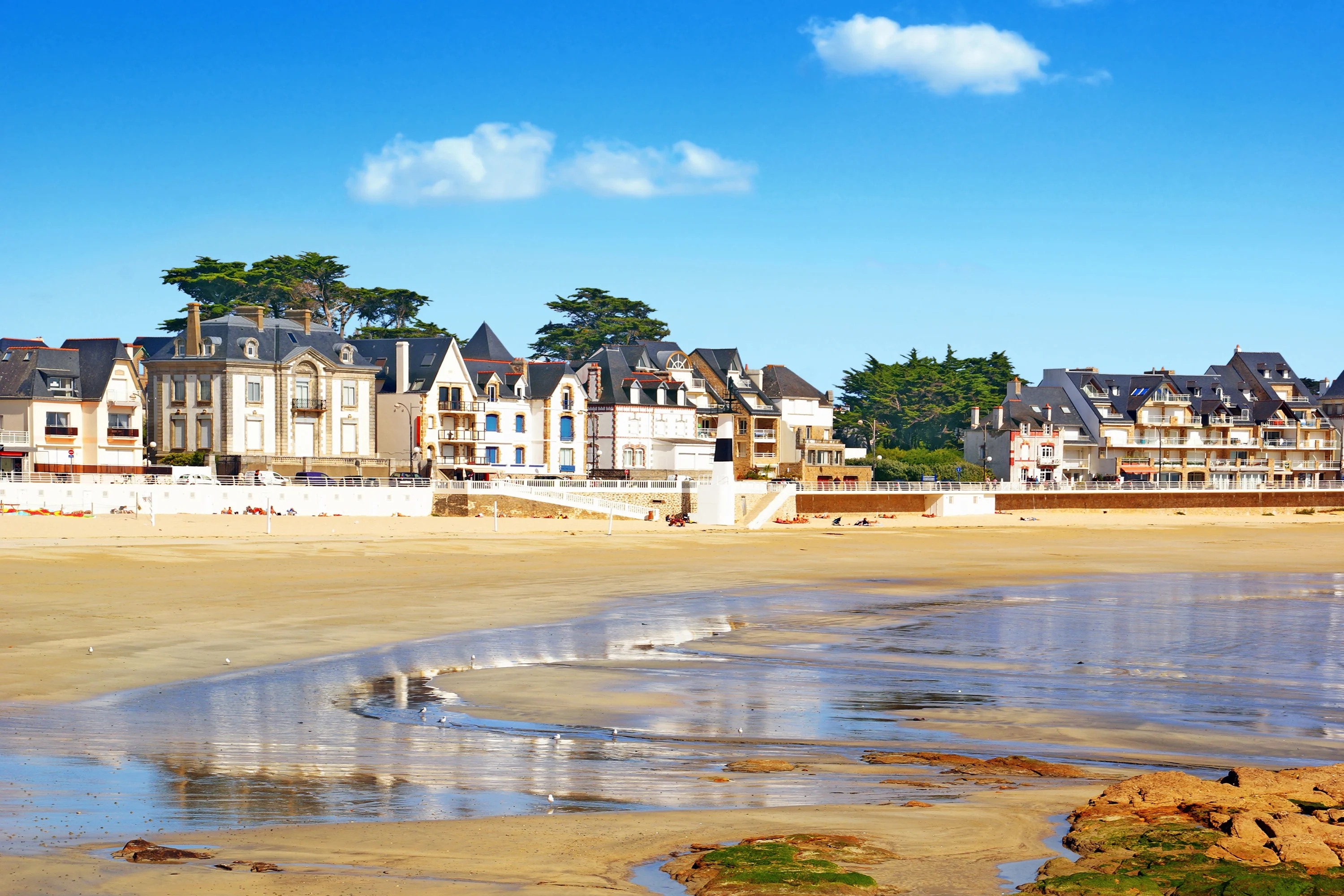
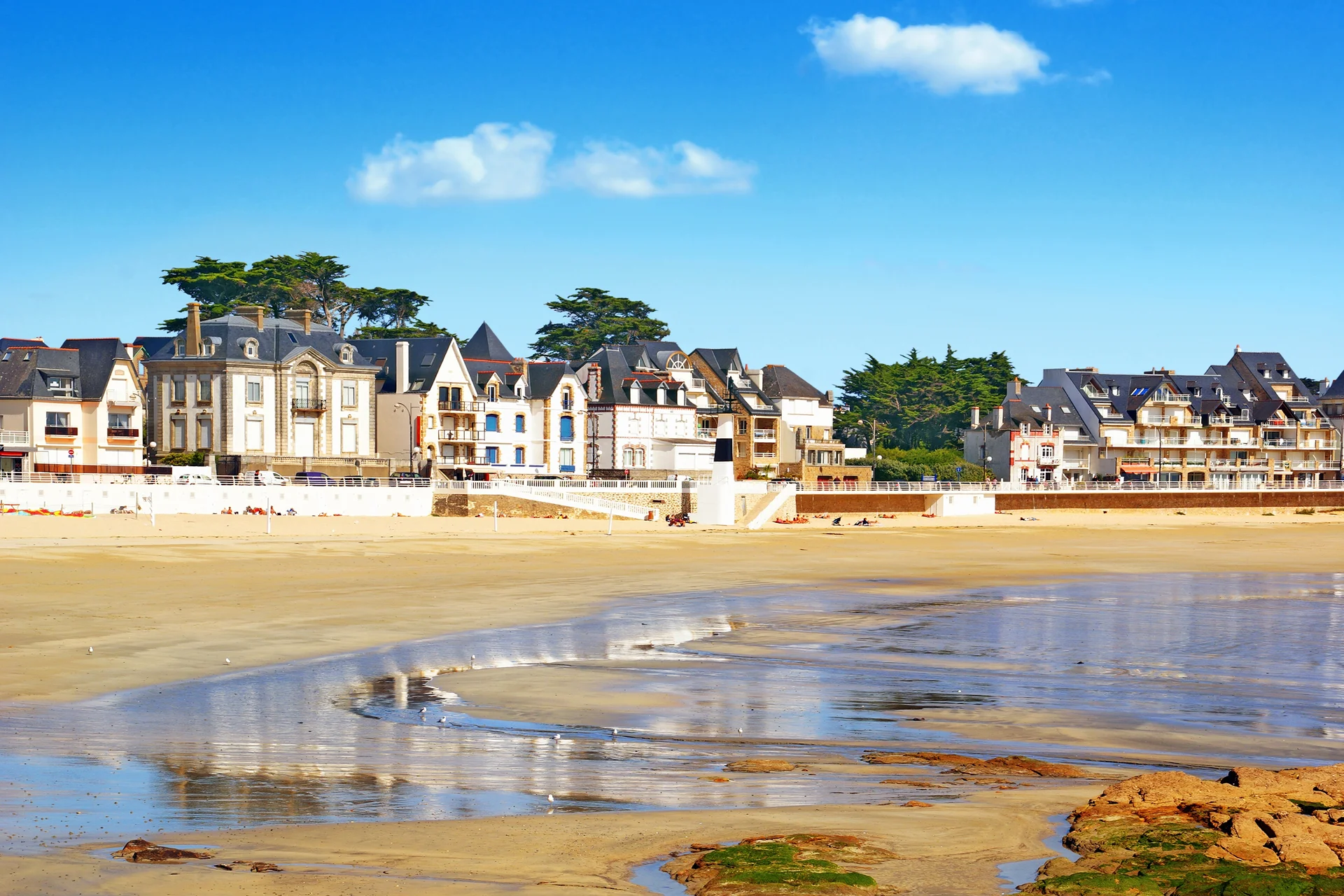
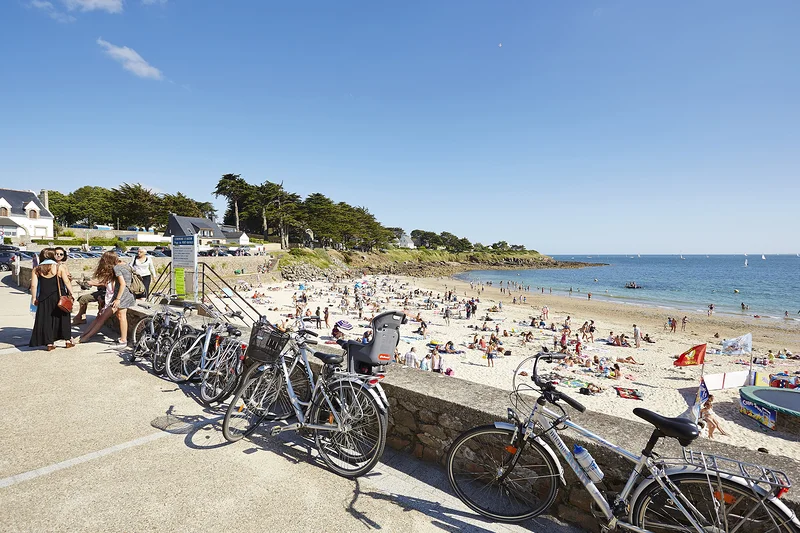
The Grande Plage stretches its kilometer of fine sand right in the heart of town, featuring shallow waters that are lifeguarded in summer and ideal for families. Lined with boutiques, creperies, and ice cream shops, the boulevard Chanard comes alive as soon as the weather warms up. With oceanfront terraces and vendors selling niniches, those long artisanal lollipops voted best candy in France in 1946, a classic summer atmosphere is guaranteed.
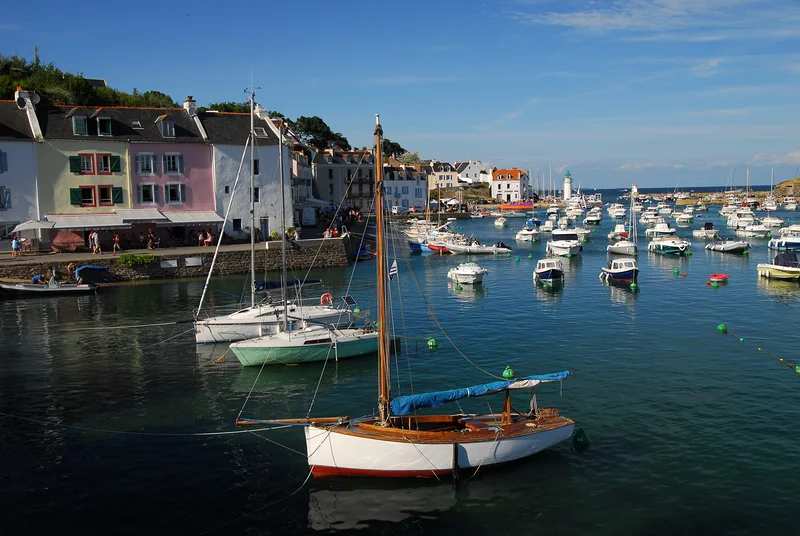
Port Maria, formerly France's top sardine fishing port until the 1950s, now hosts 36 fishing boats. Ferries to Belle-Île, Houat, and Hoëdic depart multiple times a day. The La Belle-Îloise and La Quiberonnaise canning factories open their workshops for tours, where it is fascinating to watch workers hand-pack sardines into tins. On-site shops sell the canned goods directly.
Port Haliguen is a 1,200-slip marina that exudes chic nautical vibes, where gleaming yachts, racing sailboats, and fishing boats rub shoulders. Built in 1856, the lighthouse towers over the harbor entrance, and its keeper's house hosts art exhibits. Restaurant and bar terraces offer panoramic views over the bay, making the docks an ideal spot for sunset.
Secret villages and the edge of the world
Saint-Julien, Kermorvan, and Kerniscop keep traditional Breton spirit alive with low whitewashed houses, blue shutters, and overflowing hydrangeas in season. Narrow cobblestone streets wind past granite washhouses. The Lavoir du Ragot near Kernavest is worth a detour since the Agapanthe association transformed it into a flowering landscaped garden. Heathland trails lead out toward the Tour de Locmaria for a peaceful escape from the summer crowds.
At the southern tip, the Pointe du Conguel projects a rocky tongue of land 1 km long and 200 m wide for a true edge-of-the-world feeling. A trail loops all the way around, passing an orientation table and large stone slabs that are remnants of seaweed kilns used to burn algae for soda factories. Out front, the Teignouse Lighthouse marks the boundary between the bay and the open ocean, offering sweeping views of the offshore islands. It is an ideal sunrise spot if you are an early riser. Owned by the Conservatoire du Littoral, it is restricted to pedestrians only, and bikes are banned.
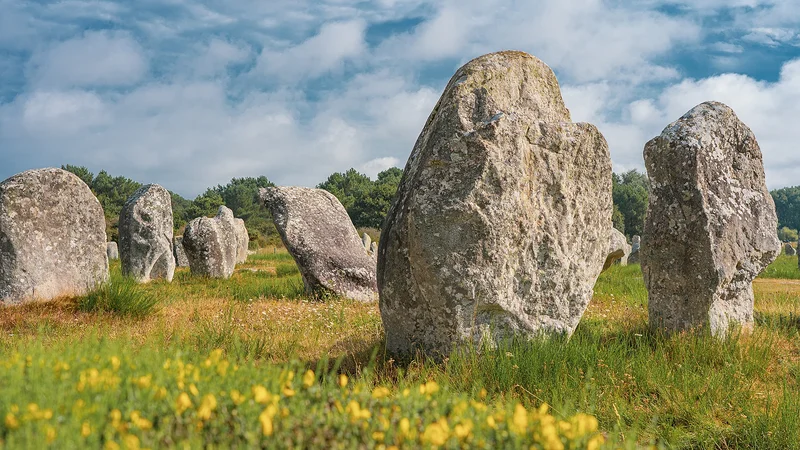
Saint-Pierre-Quiberon in the northern part of the peninsula pairs family beaches with megalithic sites. The Kerbourgnec alignments and the Kergavat dolmen dating back to 4500 BC bear witness to Neolithic human settlement. Sheltered beaches alternate between sand and rock pools, perfect for children, while the port of Portivy retains its authentic fishing village charm.
Where to eat and drink in Quiberon?
Seafood rules the menus here, featuring fresh catch of the day from the local fish market, shellfish platters, and bay-grown oysters. Some restaurants even serve canned sardines as a starter. Le Petit Hôtel du Grand Large in Saint-Pierre earns a Michelin star for its inventive cuisine. Brume, Tempête, Les Baigneuses, and La Base serve creative dishes hovering around $29-$40*.
Breton creperies dot the entire peninsula, and Ty Retro lets you customize your galettes. For sweets, the niniches from the Maison d'Armorine come in every flavor imaginable. In the summer, confectioners prep these long caramel lollipops right in front of passersby. Salidou, the salted butter caramel spread from the same house, is meant to be spread on crepes or eaten straight from the jar with a spoon. Local treats like far breton, kouign-amann, and Breton shortbread will satisfy any sweet tooth, and the Quai des Saveurs gathers all these specialties under one roof.
How to get to and around Quiberon?
From Paris, take a TGV high-speed train from Gare Montparnasse to Auray in 3 hours and 30 minutes and transfer. From July to August, the Tire-Bouchon seasonal train reaches the peninsula in 40 minutes for $3.40*, offering a scenic ride along the bay with ocean views on both sides across the narrow isthmus. The rest of the year, an SNCF bus makes the trip in 1 hour for $7.30*. By car, plan for 5 hours and 40 minutes from Paris via the A11 highway and the RN165 road down to Auray.
July and August bring massive traffic jams on the single access road, with waits lasting several hours on weekends. Take the train instead or arrive outside peak travel times. Once you arrive, the Quib'bus connects the town center, campgrounds, and beaches from 8h30 to 20h30 for $1.20* a day. Biking remains the best way to get around thanks to safe bike paths, flat terrain, and multiple rental shops. Rates run $16* a day or $57* for the week.
When to go?
June and September combine great weather, manageable water temperatures around 16-18°C, and reasonable crowds. July and August sell out everywhere with daily traffic jams and packed beaches. The exceptional microclimate lets you enjoy the peninsula from April through October, while spring and autumn draw hikers and cyclists with changing landscapes and gorgeous light.
Avoid November through March because of icy winds, frequent rain, and half the shops closing down for the season. Winter reveals the raw and wild face of the Côte Sauvage during dramatic storms.
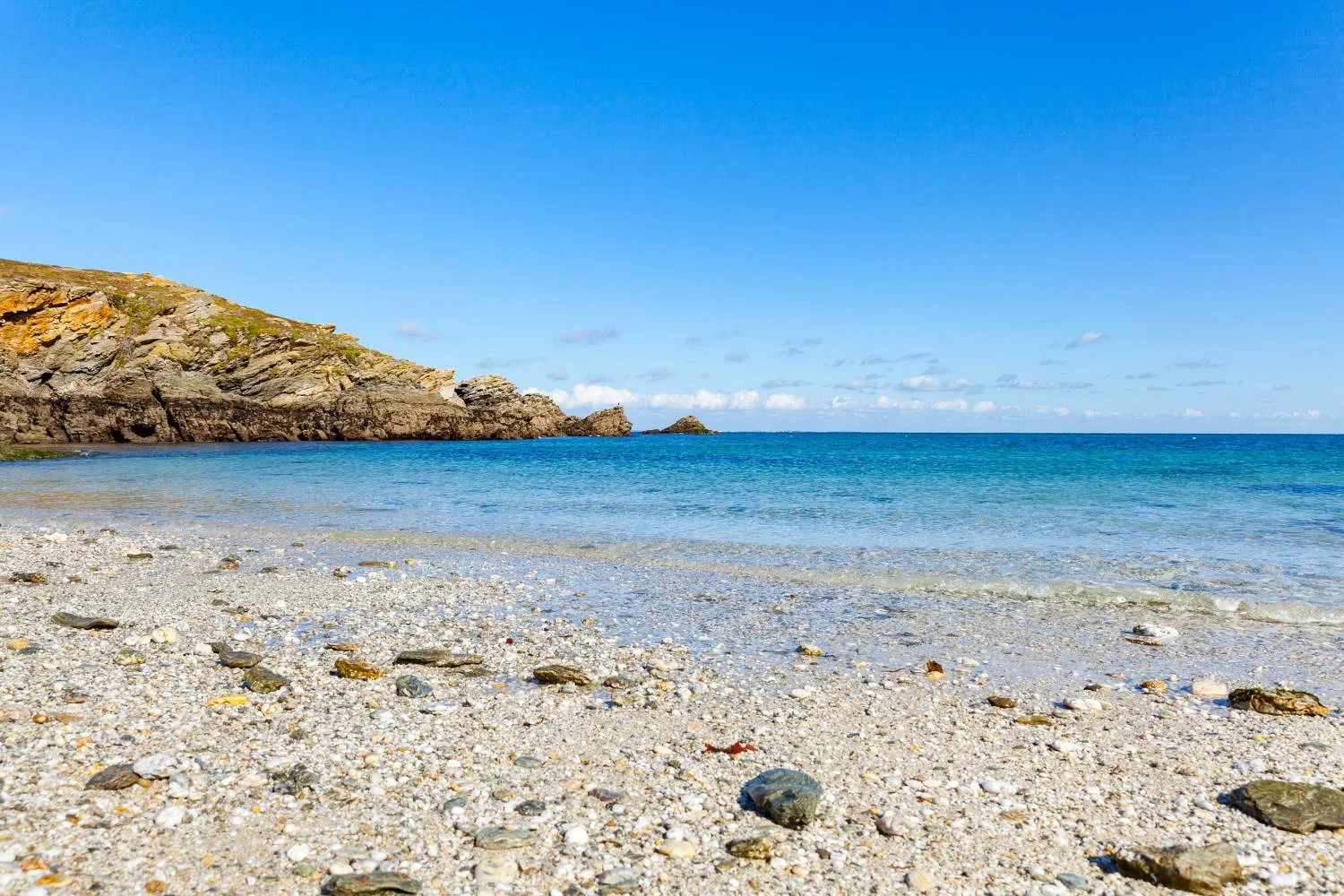
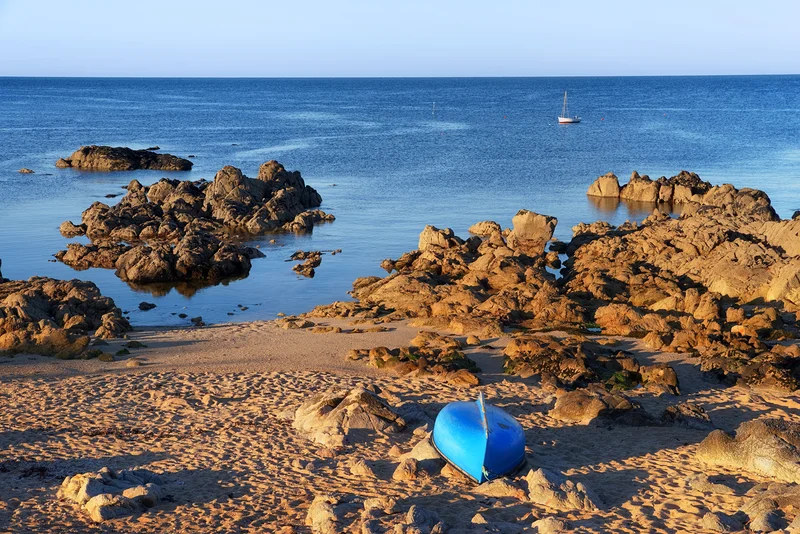
To me, this is one of the most beautiful spots in Brittany! This peninsula offers swimming in crystal clear waters and superb hikes along the cliffs (GR34). The harbor, which is always lively, is nice for walking around and having lunch on a terrace. There are plenty of beaches for water activities. For swimming, I recommend La Grande Plage, which is easy to get to, or the beautiful Port Bora beach. My favorite place remains the Pointe du Percho. This walk along the steep trails is a real breath of fresh sea air!