
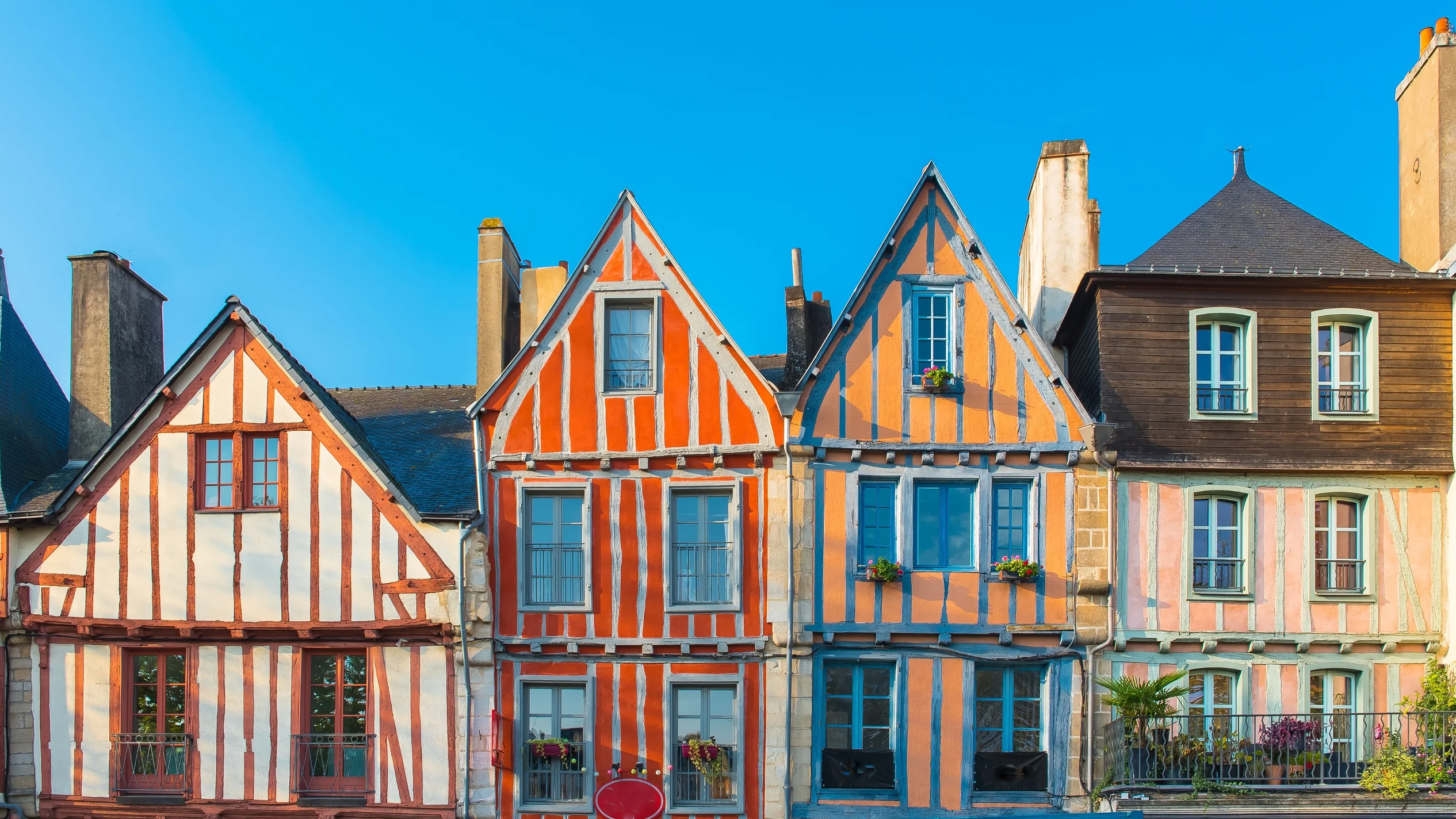
Vannes, the medieval city that kept its ramparts and its soul
It is 8:00 AM on a September Saturday. On Place des Lices, produce vendors set up crates of vegetables while the scent of warm butter drifts from the bakeries. A fishmonger unpacks spider crabs still damp from the Gulf. Behind the covered market hall, the pink and blue half-timbered houses seem to watch over this daily routine that has not changed since the 14th century. Vannes possesses a rare quality: an authenticity that tourism has not yet worn down.
A human-scale city for wanderers and food lovers
Vannes appeals to travelers who prefer strolling over checking boxes. With its roughly 54,000 residents and entirely pedestrian center, the city can be explored on foot in a single day. It suits couples seeking quiet romance, families with children curious about history, and fans of hearty Breton food. Nightlife enthusiasts and beach-crowd chasers will be disappointed, as life here follows the rhythm of the tides and the markets.
The true strength of Vannes is its strategic position. It opens the gateway to the Golfe du Morbihan, an inland sea dotted with forty islands. You can spend the morning in the medieval alleyways and the afternoon on a boat toward Île aux Moines. This versatility makes it an ideal base for exploring southern Brittany without ever getting back in the car.
A manageable budget for Brittany
Expect to pay $90 to $146* per night for a guesthouse or boutique hotel in the old town. A galette and crepe meal runs $17-$23* per person, and a seafood platter costs $29-$45*. Museums charge modest admission fees, and walking the ramparts costs nothing.
The old town: 170 half-timbered houses and centuries of history
Enter through Porte Saint-Vincent, the city symbol. This 17th-century gate displays the coat of arms of Vannes: the ermine of Brittany crowned with three towers, framed by two greyhounds given to King Francis I during his visit in 1532. Above, the statue of the patron saint watches over visitors.
Place Henri IV concentrates the finest timber-framed facades in the city. Their upper stories overhang the street. This architecture is no accident, because in the Middle Ages, only the ground footprint was taxed. Property owners thus gained space by widening the upper floors. Today, cafe terraces occupy this square where time seems to stand still.
Friendly tip: look for the carvings of Vannes and his wife at the corner of Rue Noé and Rue Bienheureux-Pierre-René-Rogue. This jovial bust couple, embedded in a 16th-century facade, has become the unofficial symbol of the city. No one knows for sure who they represent, but their good cheer will make you smile.
The ramparts and their secret gardens
Vannes preserves one of the best-maintained fortified ensembles in Brittany. The wall walk offers a roughly 45-minute stroll revealing the city from an unexpected angle. From the Tour du Connétable, the tallest fortification, the view sweeps over slate roofs and French-style gardens laid out in the former moats.
Below the walls, the lavoirs des remparts make for a quiet discovery. These covered washhouses where local women scrubbed laundry until the 20th century were restored in 2006. Even during busy hours, this corner stays peaceful. Water still flows here along a stream bordered by greenery.
The Saint-Patern neighborhood: the oldest and most lively
This district occupies the site of the Roman city founded in the 1st century BC. Streets still bear the names of ancient trades like Rue du Four and Rue de la Tannerie. The 18th-century Saint-Patern church overlooks a maze of narrow lanes where independent shops resist standardized chains.
Saint-Patern also concentrates the nightlife of Vannes. Live music bars, creative restaurants, and busy terraces follow one another. The contrast with the quiet of the old town is surprising, as student youth and neighborhood residents mingle here in a relaxed atmosphere.
From the harbor to the Gulf: maritime Brittany within boat range
The marina stretches for several hundred meters from Porte Saint-Vincent. A tree-lined promenade runs alongside the docks where sailboats and passenger boats line up. The Office de Tourisme occupies a building on the quay and sells tickets for cruises in the Gulf.
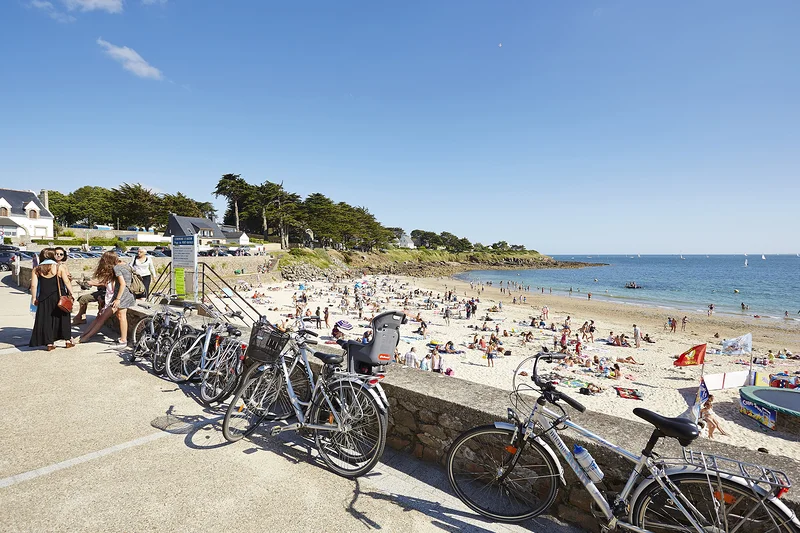
The presqu'île de Conleau, 5 km from the center, features a landscaped beach and a natural saltwater pool. You can reach it via a pedestrian path along the estuary. Restaurant Le Corlazo serves seafood there with views of the Gulf islands. It is where locals come to catch the sunset.
Friendly tip: book a cruise toward Île d'Arz instead of Île aux Moines if you visit during peak season. Less crowded, it offers similar landscapes and a remarkable tidal mill at the Pointe de Berno.
Where to eat and drink in Vannes?
The culinary scene in Vannes revolves around two focal points: Halles des Lices and Halle aux Poissons. The first gathers about thirty producers from Tuesday to Sunday morning. The second, entirely renovated in 2018, offers the catch of the day including scallops, spider crabs, sea bass, and the famous Gulf oysters representing 10% of French production.
For the kouign-amann, the iconic pastry of Brittany, two spots vie for local favor. Chez François on Place des Lices serves a generous and crunchy version. La Huche à Pain, a few meters away, champions a more traditional recipe. Both are worth the detour.
The creperie Dan Ewen, near Saint-Patern church, is an institution. Its authentic decor and 100% Breton menu draw a loyal crowd. For seafood, Brasserie des Halles serves mussels in white wine and shellfish platters in a friendly setting.
Where to stay in Vannes and around?
The old town concentrates the most charming accommodations: guesthouses in half-timbered houses and small character hotels. The harbor district offers a practical alternative for those wanting to catch early boats to the islands. Rates there are slightly more accessible.
For more space or quiet, neighboring towns offer gîtes and restored manors. Arradon and Séné, 10 minutes away by car, open directly onto the Gulf. Château de Locguénolé in Kervignac, a Relais & Châteaux member, represents the upscale option.
How to get to and around Vannes?
The TGV connects Paris-Montparnasse to Vannes in 2h30 direct. From Rennes, expect 1h by TER or TGV regional train. The station sits a 20-minute walk from the historic center, or 5 minutes by Kiceo bus. OUIGO trains also serve the Paris-Quimper line with a stop in Vannes.
By car, free expressways ease access: Rennes to Vannes via the RN166, and Nantes to Vannes via the RN165. Free parking lots exist on the outskirts of the center. The Golfe du Morbihan City Pass includes public transit and discounts on 30 sites, available in 24h, 48h, or 72h formulas.
For the Gulf islands, boats depart from the gare maritime, accessible in 10 minutes by bus from the center. Regular shuttles serve Île aux Moines and Île d'Arz year-round.
When to go?
Spring and autumn offer the best compromise between pleasant weather and reasonable crowds. The Semaine du Golfe, held every two years at Ascension, gathers over 1,000 traditional rigged ships in an exceptional maritime spectacle. Summer remains pleasant, but lines grow at the ferry piers. Avoid the first half of August if you dislike crowds.
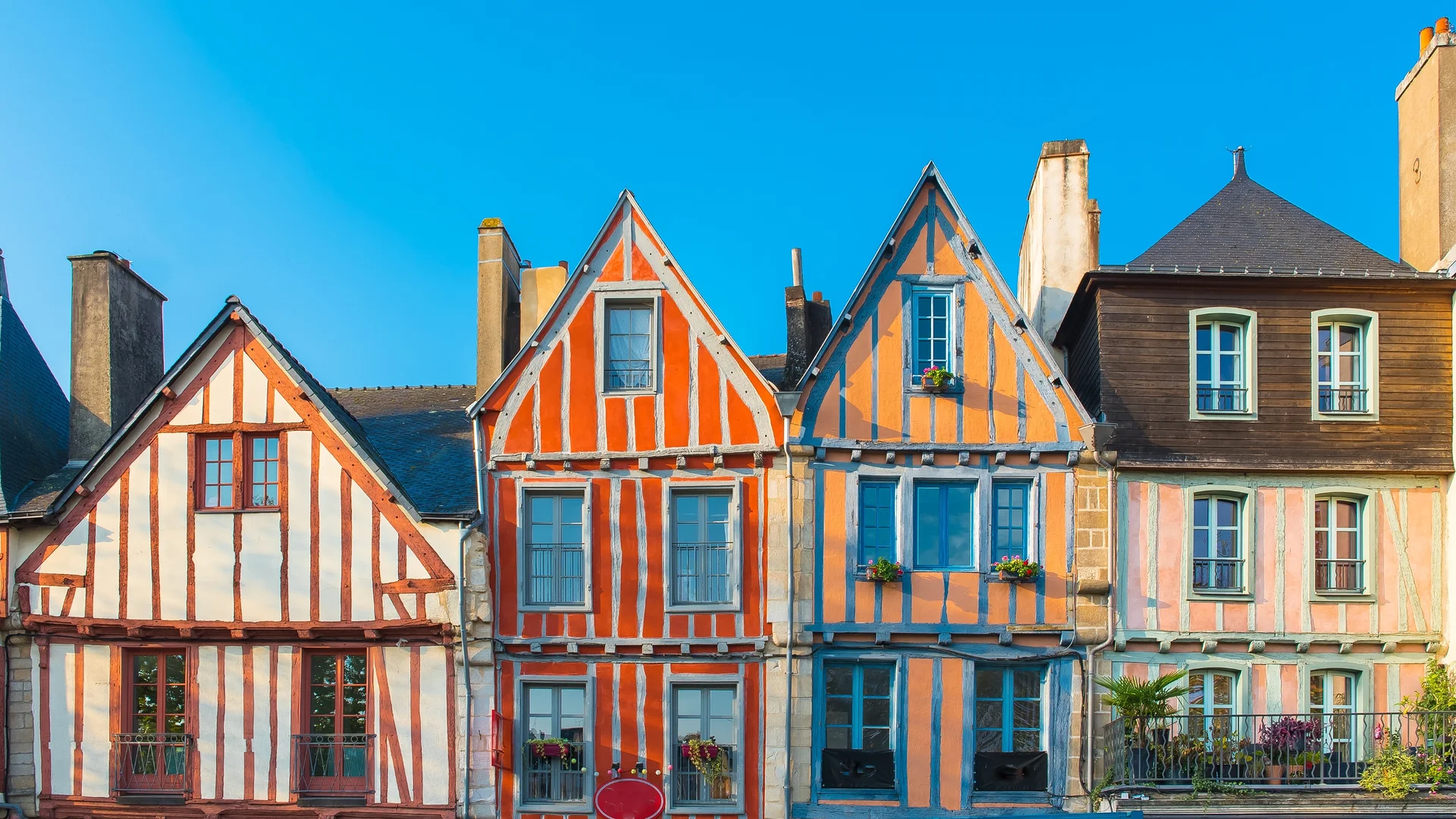
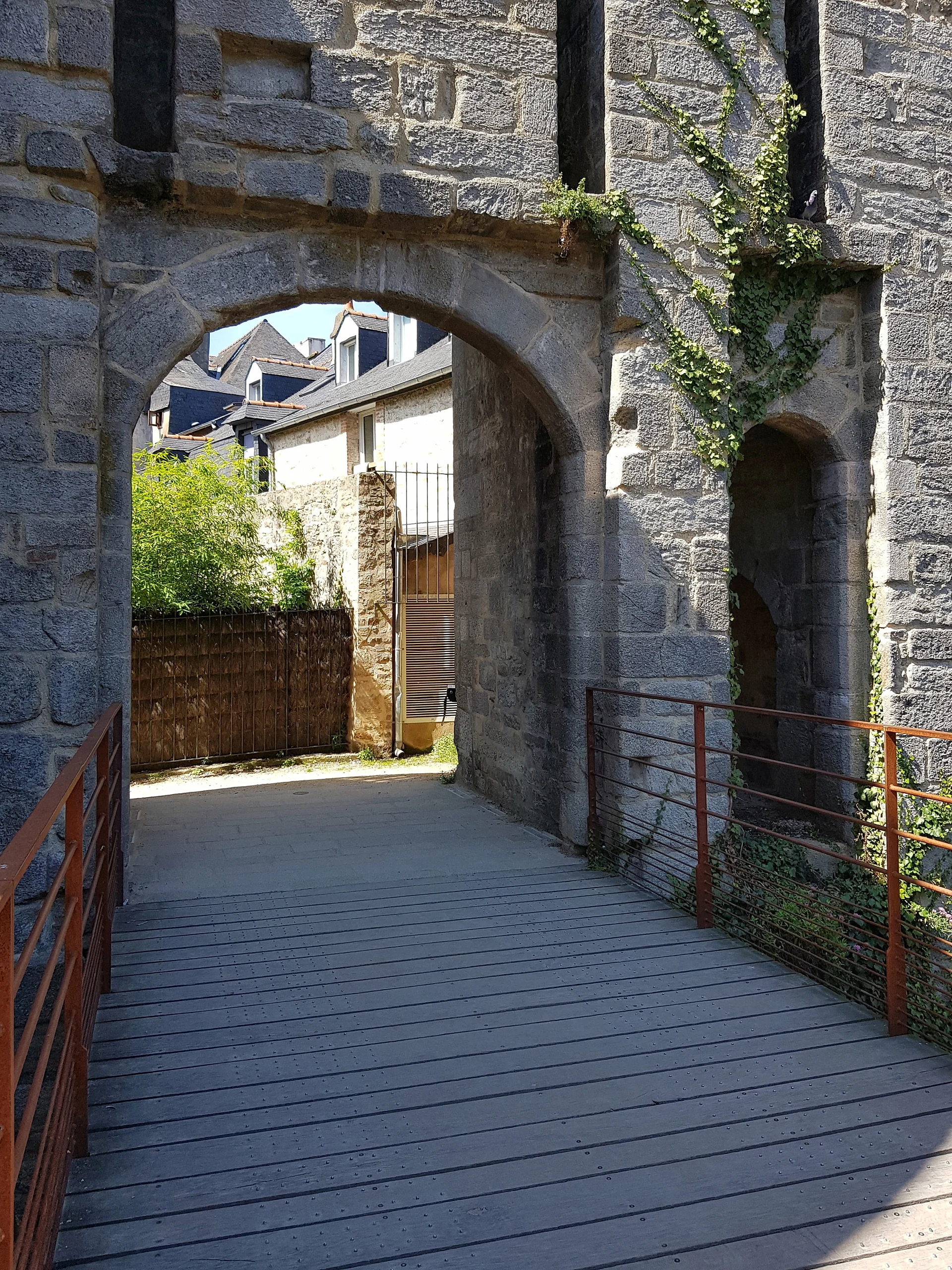
Vannes is a beautiful discovery in the Gulf of Morbihan. As a historic Breton city, it has managed to keep traces of its past, like the ramparts that encircle the old town, the half-timbered houses, and the small cobblestone streets. Different routes are offered to help you discover the city in the best conditions. There is nothing like a good sweet crepe and a bowl of sweet cider after a day of exploring to recharge your batteries. The shopping streets are very lively, and many artisan shops offer various regional products. We return to Vannes regularly with pleasure, and the whole family is thrilled to go back!