
Josselin, where the dukes never left their castle
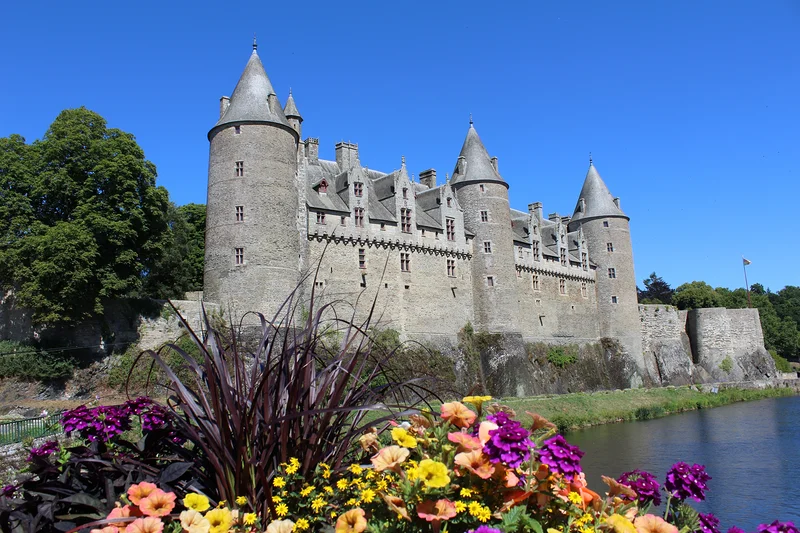
Three granite towers rise above the Oust river, heavy and resolute. Their reflection in the calm canal water looks straight out of an illuminated medieval manuscript. The surprise hits when you walk around to the garden side, where the fortress transforms into a Renaissance palace adorned with stone lacework so fine it looks embroidered.
This contrast defines Josselin: a town of 2,500 people that has kept both of its faces intact, part warrior and part courtier. Even more striking, the Rohan family has lived within these walls for over a thousand years. The 14th duke still eats breakfast here.
Josselin: inland Brittany, without the coastal crowds
If you are looking for beaches and seafood at every meal, keep moving. Josselin sits 45 minutes inland from the coast, deep in the Morbihan region of Brittany. It is a destination for travelers who prefer cobbled alleys to coastal paths and half-timbered houses to fishing ports. Fans of medieval history and built heritage will find plenty to keep them busy. Families traveling with kids can easily fill a full day without anyone getting bored.
The town is small enough to explore on foot in half a day, but setting aside a full day lets you take in the castle, the Bois d'Amour park, and an electric boat ride on the canal. Having a car is essential for day trips to Rochefort-en-Terre or the Brocéliande forest, both located within 40 minutes.
Reasonable pricing for Brittany
Expect to pay between $79 and $135* per night for a quality guesthouse, $12 to $17* for a savory buckwheat galette with hard cider, and $12* for admission to the castle. Free parking near the canal and open access to the historic center help keep costs down.
The Château de Rohan: a thousand years of history, one family
The Château de Josselin deserves a long visit. Built in the 11th century by the Viscount of Porhoët, it gave the town its name in honor of his son Josselin. Out of the original nine towers, only four survived the devastation of the Wars of Religion and the partial demolition ordered by Cardinal Richelieu. The Oust-facing facade impresses with its military strength, its 60-meter height, and its thick walls. The courtyard facade, built in the flamboyant Gothic style, reveals an entirely different character with openwork balustrades, carved dormer windows, and remarkably delicate granite filigree.
Guided tours cover the ground floor and first floor, where 18th-century furniture, family portraits, and royal mementos reflect daily aristocratic life. A clock gifted by Louis XV stands out among the notable pieces. The former stables house the Doll and Toy Museum, a collection of 5,000 items started by Herminie de Rohan in the 19th century.
Friendly tip: choose the guided tour over the self-guided option. It is the only way to access the upper floor, and the local guides share fascinating family stories. Book ahead for the French-language slots at 2:30 PM or 3:30 PM.
Medieval alleys and half-timbered houses
The historic Sainte-Croix neighborhood grew alongside the castle. Its 54 half-timbered houses, painted in bright colors, mostly date back to the 16th and 17th centuries. The oldest one, at 3 rue Georges-Le-Ver, dates to 1538. These homes reflect the town's past prosperity as a hub for cloth and leather trading.
Place Notre-Dame serves as the bustling heart of the town, featuring creperies, artisan shops, and an old stone well reminiscent of the one in Rochefort-en-Terre. Place de la Congrégation, with its red and white houses and its view of the castle gates, offers one of the best viewpoints in town. A trail marked by 40 interpretive panels lets visitors discover the local architecture and history at their own pace.
The basilica and the legend of the brier
The Basilica of Notre-Dame du Roncier takes its name from a 9th-century legend. A local farmer reportedly found a statue of the Virgin Mary hidden in a thorn bush. When taken to a nearby chapel, the statue miraculously returned to the briar patch several times. Even more remarkable, his blind daughter reportedly regained her sight after the discovery. The current building combines architectural styles from the 13th to the 16th century, and its bell tower reaches 60 meters high.
Inside, stop to admire the stained glass windows and the cenotaph of Olivier de Clisson, Constable of France and builder of the current fortress. You can climb the 138 steps of the bell tower for sweeping views across a sea of slate roofs and the castle towers.
Friendly tip: every September 8th, a pilgrimage honors the miracle tradition. If you prefer to avoid the crowds, plan your visit for another date.
The canal and the Bois d'Amour
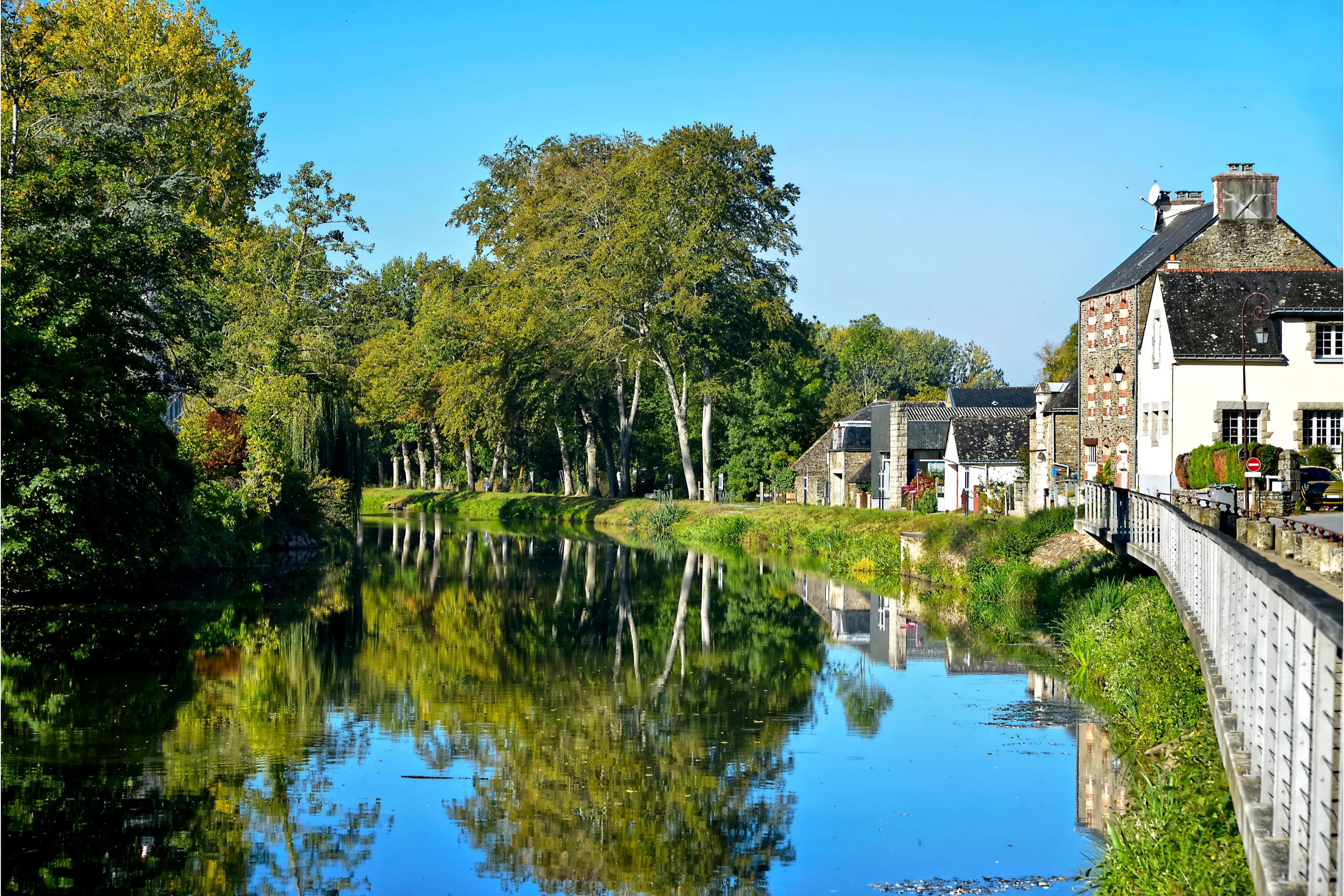
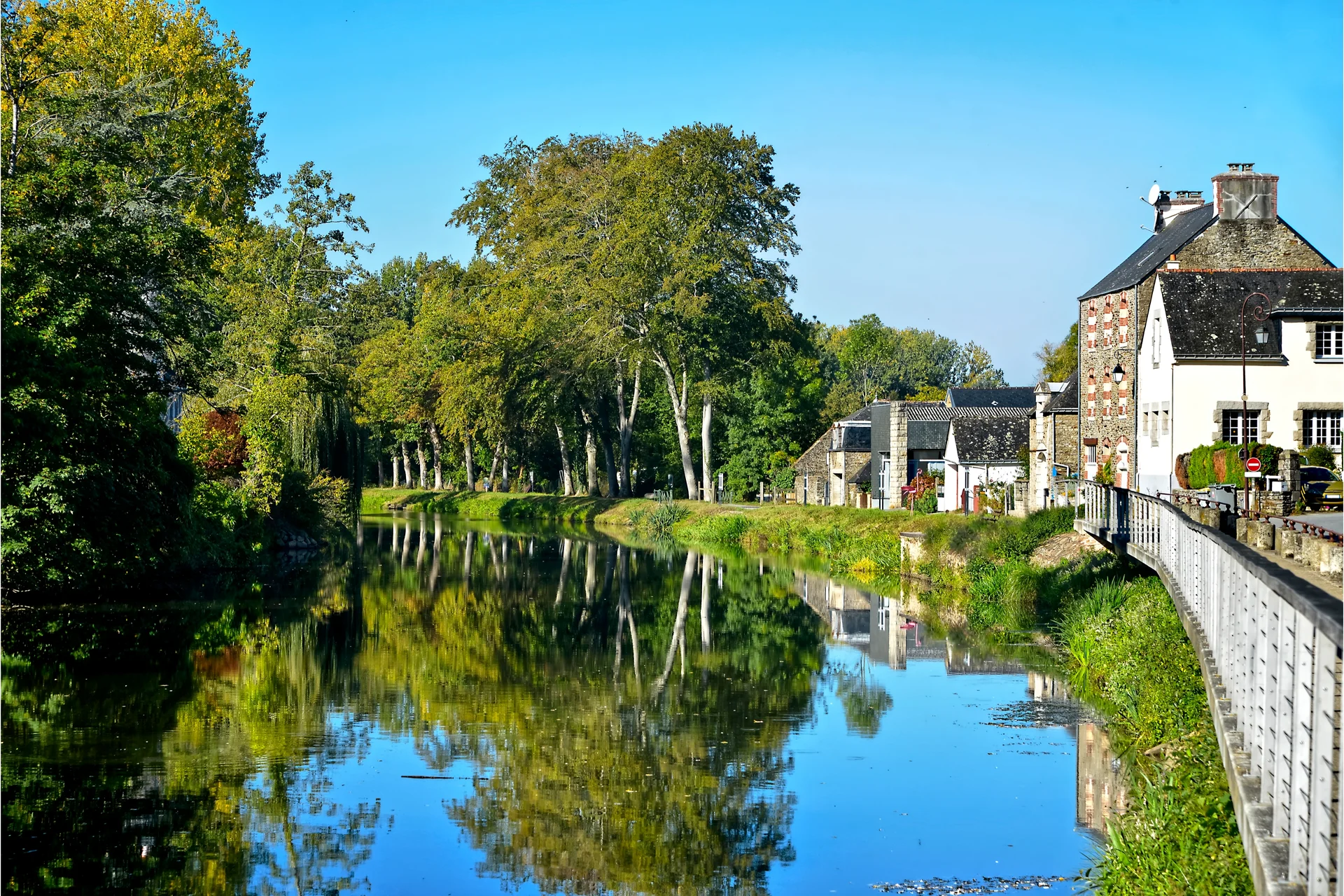
The Nantes-Brest Canal runs alongside the town and offers one of the best angles for viewing the castle. The towpath is ideal for walking or biking, and it follows the waymarked cycle route along the Nantes-Brest Canal. You can also rent an electric boat from Ti War an Dour to cruise the water without needing a boating license.
The Bois d'Amour serves as the town's green lung. This landscaped park winds through wetlands, a bamboo grove, and centuries-old trees, and its rhododendron collection bursts into color every spring. For families, a zip line and playground sit right at the entrance. The Circuit au fil de l'eau, a 12-kilometer playful hiking loop, introduces hikers to local flora and fauna via audio posts and wooden interactive stations.
Where to eat and drink in Josselin
The local food scene comes down to one word: galette. Creperies compete fiercely on quality, using buckwheat flour often milled nearby. Crêperie La Marine features a south-facing terrace right across from the castle. Crêperie du Château sources its flour from the Bertho flour mill in Guéhenno. Ar Kastell, in the middle of the historic center, works exclusively with fresh seasonal ingredients.
The classic complete galette, topped with egg, ham, and cheese, is always a reliable choice. More adventurous eaters can try the Méneac galette with spinach and goat cheese or the market gardener version loaded with fresh mushrooms. Wash it all down with a bowl of dry or semi-dry hard cider. For a more refined meal, Chez Simon serves seasonal dishes in a minimalist setting.
Where to stay in and around Josselin
Lodging choices are modest but sufficient for a stopover. The Hôtel-Restaurant du Château enjoys a prime location facing the castle on the opposite bank of the Oust. Guesthouses set inside 19th-century stone houses provide a charming alternative right in the historic center.
For tighter budgets, several campgrounds sit nearby: Val de Landrouet offers tent sites, cottages, and year-round mobile homes. Camping Le Val Aux Fées in Concoret sits right at the edge of the Brocéliande forest in a wooded setting. A free RV service area is also available at the edge of town. Travelers who prefer a livelier base can choose Vannes, located 45 minutes away, to combine sightseeing with nightlife.
How to get to and around Josselin
Josselin does not have a train station. The most practical route is taking the high-speed TGV train to Rennes from Paris in 1 hour and 30 minutes, then renting a car for the remaining 80 kilometers. From Vannes, expect a 45-minute drive. From Nantes, it takes 1 hour and 40 minutes via the N165 and D764 highways.
For European travelers, the Rennes-Bretagne Airport offers flights from several capitals. The larger Nantes-Atlantique Airport provides a wider range of international connections. The free parking lot on rue du Canal, just steps from the castle, is a rare perk in Brittany. Once you arrive, the entire town is easily explored on foot.
When to go
Spring brings the rhododendrons in the Bois d'Amour into bloom and provides ideal lighting for photographing the castle's reflection. Summer draws more visitors, but Josselin never experiences the crushing crowds of coastal beach resorts. The Medieval Festival takes over the town every two years on July 14th during even-numbered years. Autumn is a great time to combine your trip with mushroom foraging in the nearby Lanouée forest and listening to red deer stags roaring at dusk.
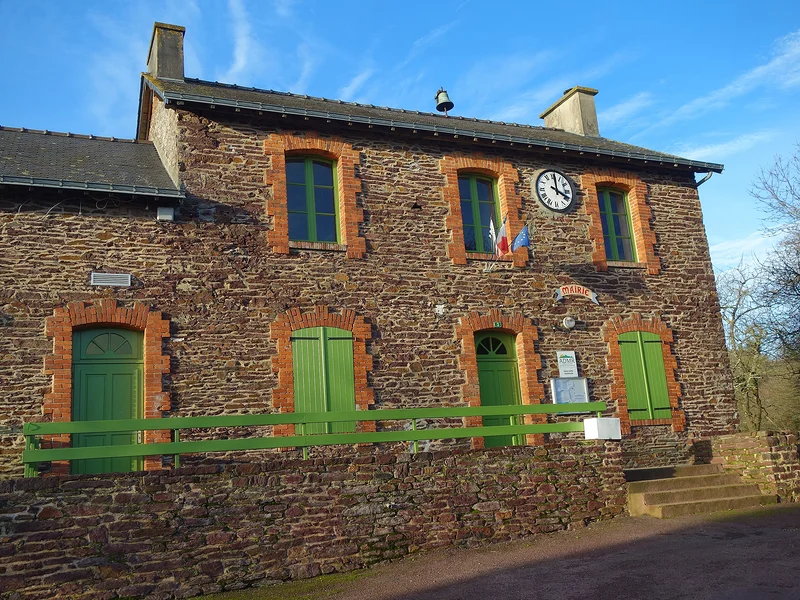
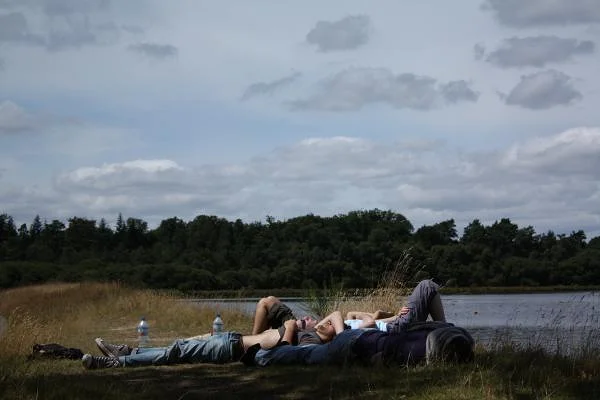
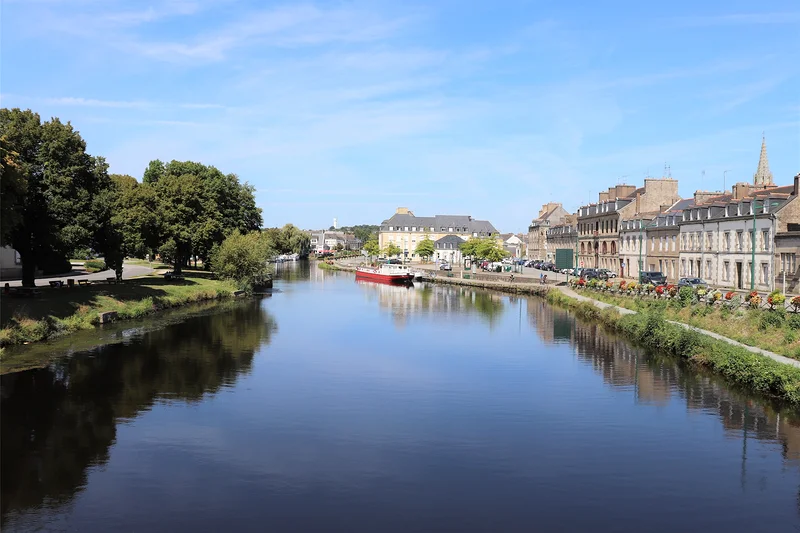
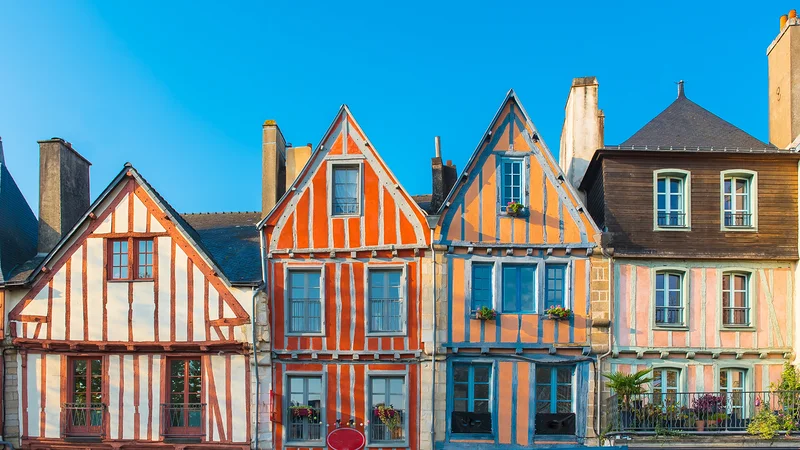
Josselin is a stunning medieval town, full of charm with its cobblestone streets and half-timbered houses.
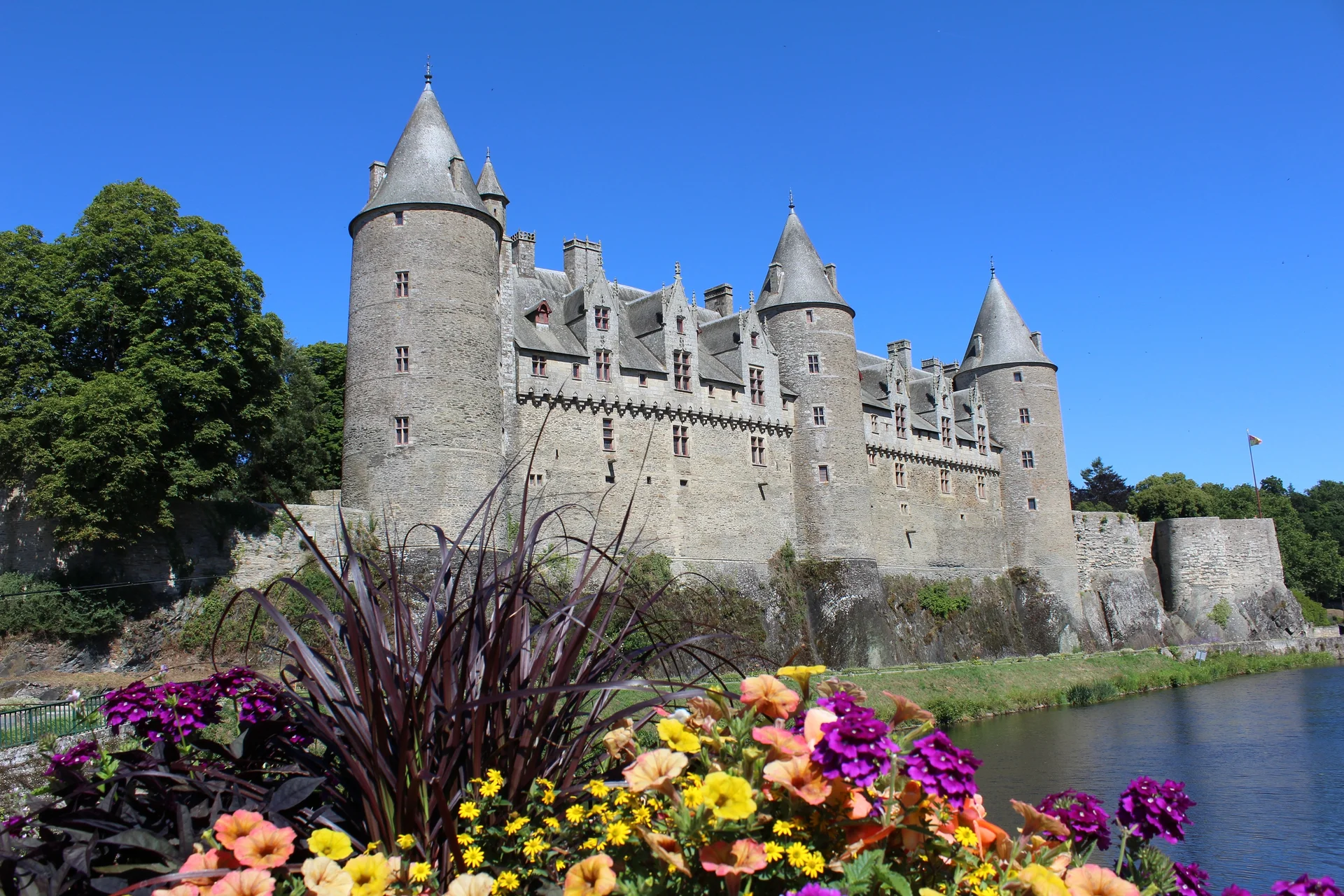
If you arrive by bike along the Nantes to Brest canal, the view is magnificent. You can see its imposing castle from a distance, standing majestically above the river.
A must-see stop for anyone who loves history and beautiful walks.