
Brest, a City Built on Resilience
The wind hits your face the second you walk out of the train station. Salty, briny, almost brutal. Brest doesn't sugarcoat anything. This edge-of-the-world city, flattened by 90% during World War II, rebuilt itself in gray concrete with an almost defiant stubbornness. Locals talk about their city with a pride mixed with tenderness, like someone defending a misunderstood friend. They are right.
Brest: A Destination for Free Spirits
If you are looking for the charm of timber-framed houses and medieval alleys, keep walking. Brest was rebuilt in the rush of the 1950s, and it shows. But if you appreciate the raw energy of a working port, the wild beauty of the surrounding coast, and the no-nonsense hospitality of the Bretons, you are going to love it.
The city suits maritime heritage buffs, families with Océanopolis as a main draw, and anyone wanting to explore Finistère without breaking the bank. Nightlife lovers might run out of options past midnight, and luxury shoppers will prefer Rennes or Nantes.
A Reasonable Budget for Brittany
Plan on $79 to $135* per day for a couple, lodging included. A decent hotel room runs around $68 to $102*, and a seafood meal at the port costs between $23 and $40* per person. Museums stay accessible with admission fees rarely exceeding $17*.
The Port and the Rade: The Beating Heart of the City
You cannot understand Brest without walking its docks. The commercial port gives off an unapologetic industrial vibe, while the Moulin Blanc marina offers a more polished look. Between the two, the téléphérique crosses the Penfeld river in under three minutes. This aerial crossing above the naval dockyard remains one of the best ways to grasp the city's fragmented geography.
The rade de Brest, one of the largest natural harbors in the world, is best explored by boat. Shuttles connect the port to the village de Le Fret on the Crozon Peninsula. The crossing takes thirty minutes and costs less than ten euros, letting you skip an hour of driving while gaining a unique perspective on the coast.
Friendly tip: Ride the cable car in the late afternoon when the low sun illuminates the cranes of the naval port. A one-way ticket costs $1.80* with a standard bus pass.
Recouvrance: The Working-Class Soul
The Recouvrance neighborhood on the right bank of the Penfeld river holds the last traces of pre-war Brest. A few old houses survived the bombings, particularly around rue de Saint-Malo. The atmosphere here is more working-class and less polished than in the rebuilt center.
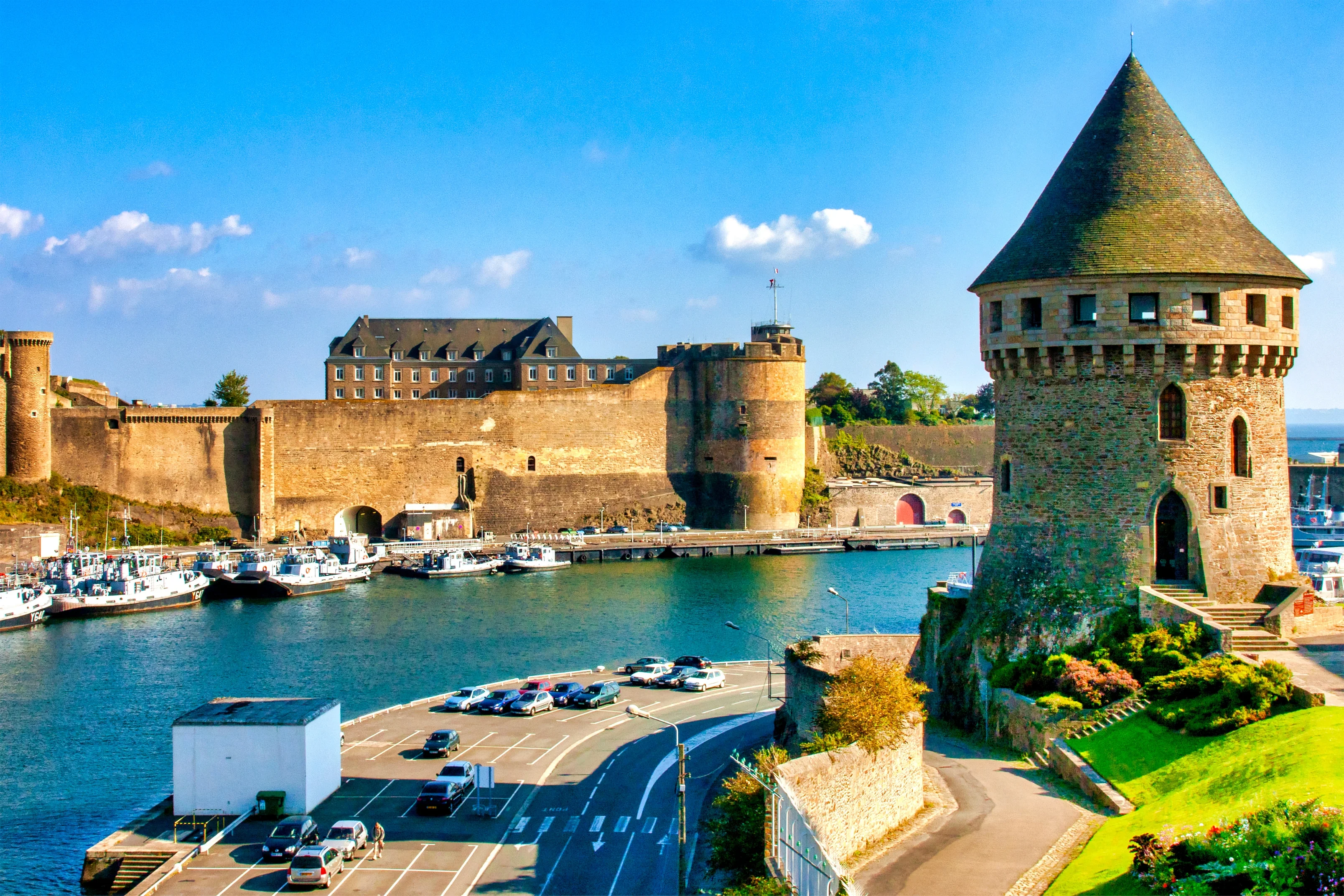
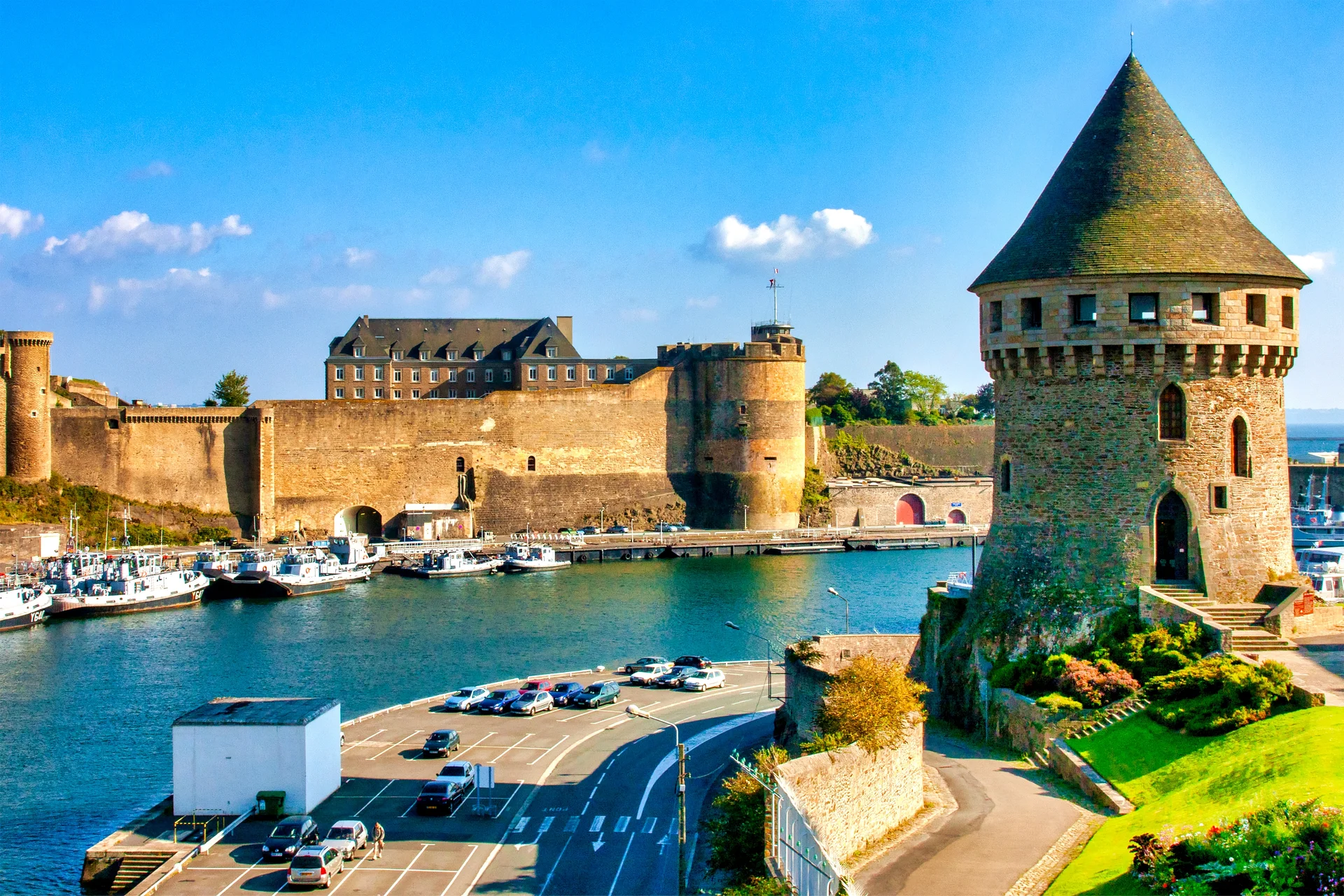
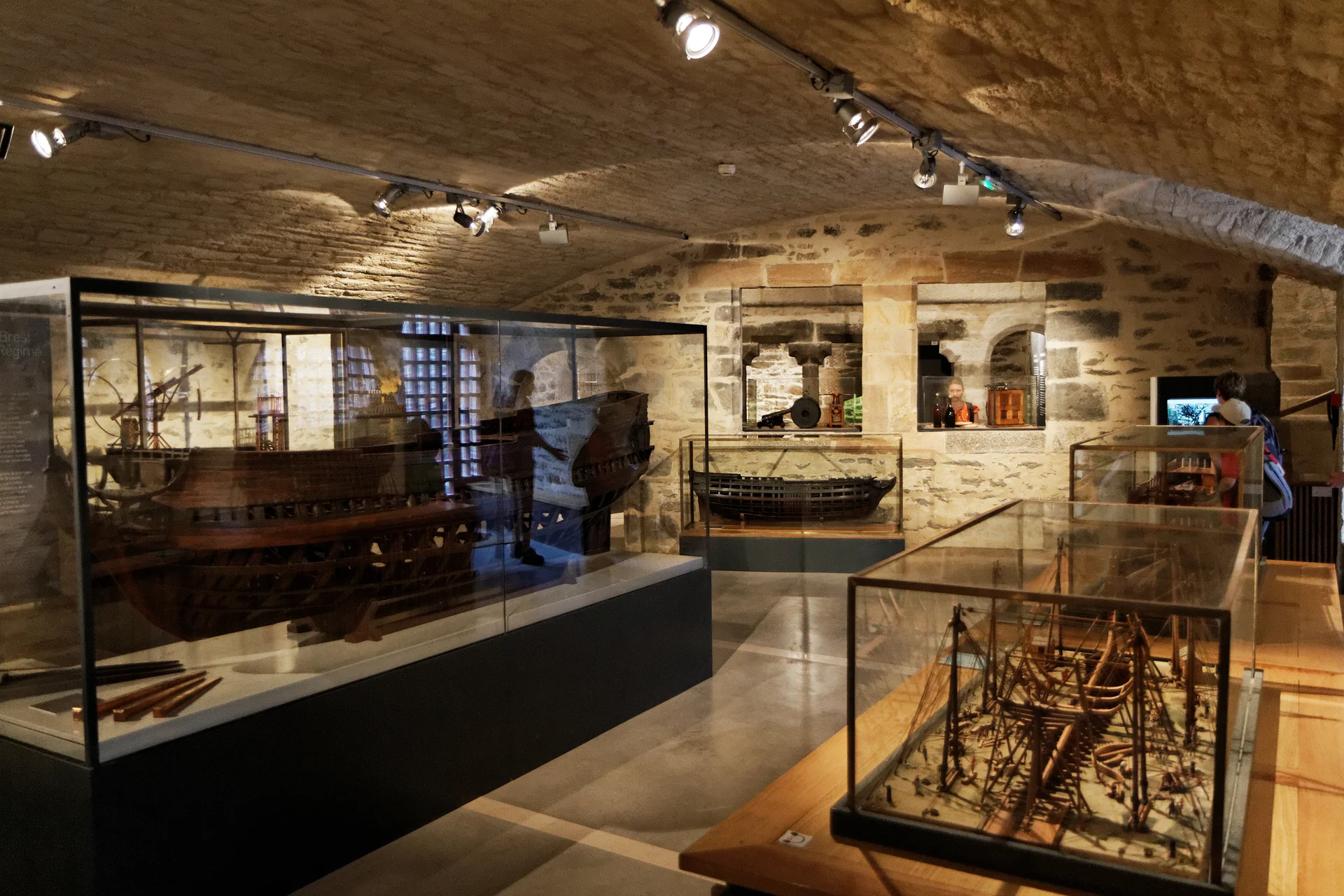
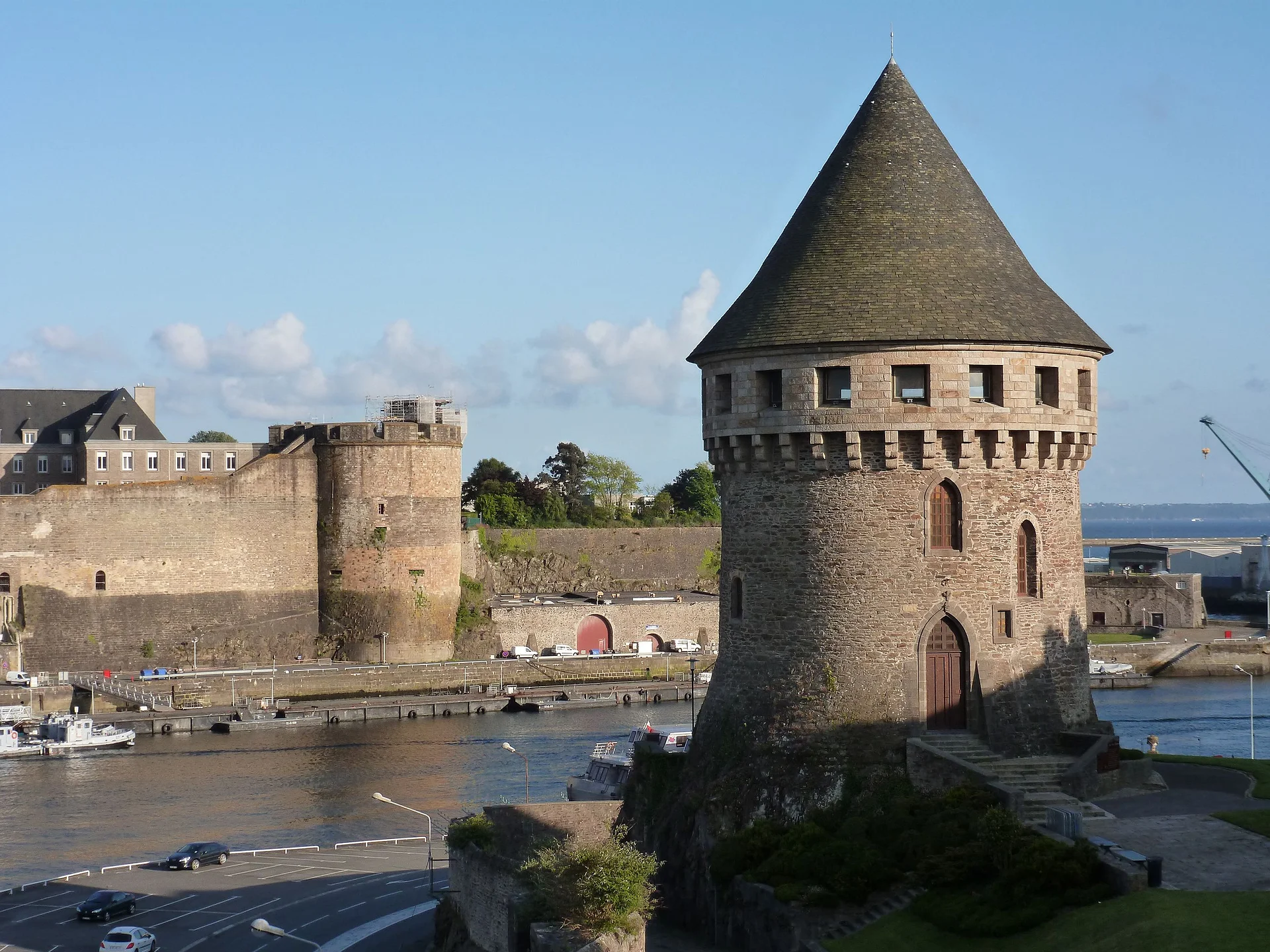
The Tanguy Tower, a small medieval fortress that miraculously escaped damage, houses a free museum about old Brest. The scale models and dioramas bring the vanished city back to life with moving precision. Right across the way, the château, Roman in origin, overlooks the mouth of the Penfeld and hosts the National Navy Museum.
Océanopolis: Much More Than an Aquarium
Locals sometimes roll their eyes when people bring up Océanopolis. Too touristy, they say. They are wrong. This ocean discovery park, divided into three thematic pavilions, offers high-level scientific immersion. The polar pavilion houses a colony of penguins in a striking setting. The tropical pavilion recreates a living coral reef.
Allow at least half a day. Adult admission costs about $27*. The site sits two miles from downtown, accessible by bus or by a bike path running along the coast.
Friendly tip: Arrive right when it opens for the sea otter feeding at 10:30 AM, followed by the seals at 11:00 AM. These times are not always posted on the website.
Wild Escapes Around Brest
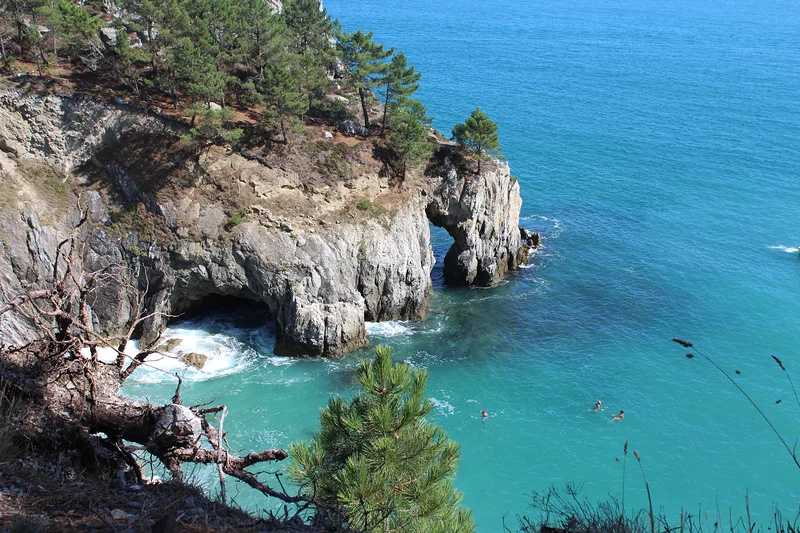
The city serves as an ideal base camp for exploring the most dramatic coastlines in Brittany. The Crozon Peninsula offers sweeping views, especially from the pointe de Pen-Hir and its rows of standing stones facing the ocean. Plan for a forty-five-minute drive.
Closer by, the Abers form a landscape of winding estuaries unique to France. Aber Wrac'h charms visitors with tiny harbors and protected dunes. Hikers will find manageable day sections along the GR34 coastal trail.
Where to Eat and Drink in Brest?
Seafood reigns supreme, with guaranteed freshness thanks to the nearby fish markets. The Siam neighborhood concentrates most of the downtown restaurants. For a more local experience, head toward the tables at the commercial port or Recouvrance.
The kouign-amann, a buttery, caramelized Breton cake born in Douarnenez, finds its finest makers here. Local craft breweries produce standout artisanal beers. Dry Finistère cider, crisper than its Calvados counterpart, pairs perfectly with buckwheat galettes.
How to Get to and Around Brest?
The Brest-Bretagne Airport connects to Paris-Orly in an hour and fifteen minutes. From Paris-Montparnasse, the TGV high-speed train takes between three and a half and four hours depending on connections. By car, expect six hours from Paris via the A11 and the expressway.
The Bibus network covers the metropolitan area efficiently, but exploring the surroundings requires a vehicle. The tramway crosses the city from east to west and serves the main points of interest. Single tickets cost $1.80*.
When to Go?
May, June, and September offer the best compromise between pleasant weather and reasonable crowds. The International Maritime Festivals, held every four years, transform the city into a massive gathering of traditional tall ships. The next edition is in 2028. The windy, rainy Brest winter appeals to fans of moody atmospheres and dramatic waves.
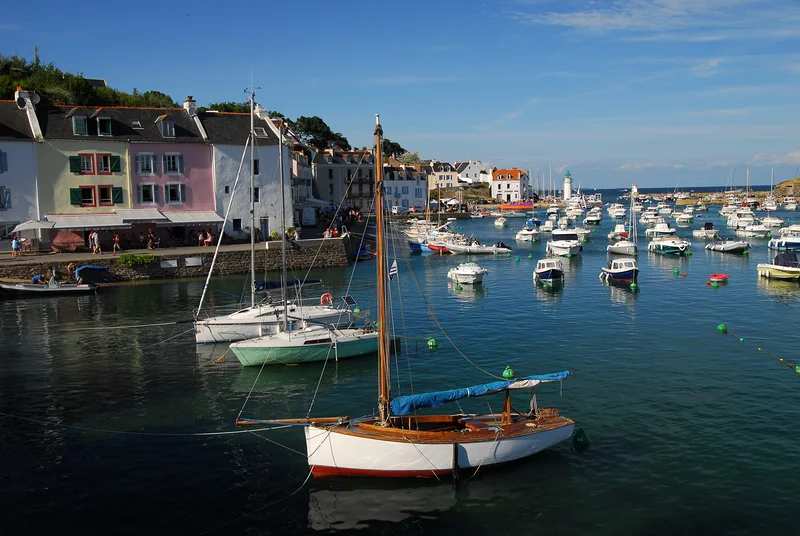
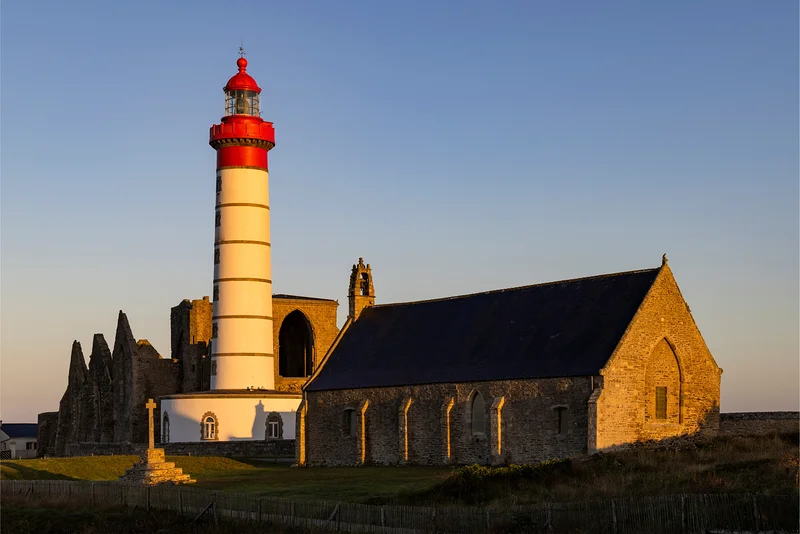
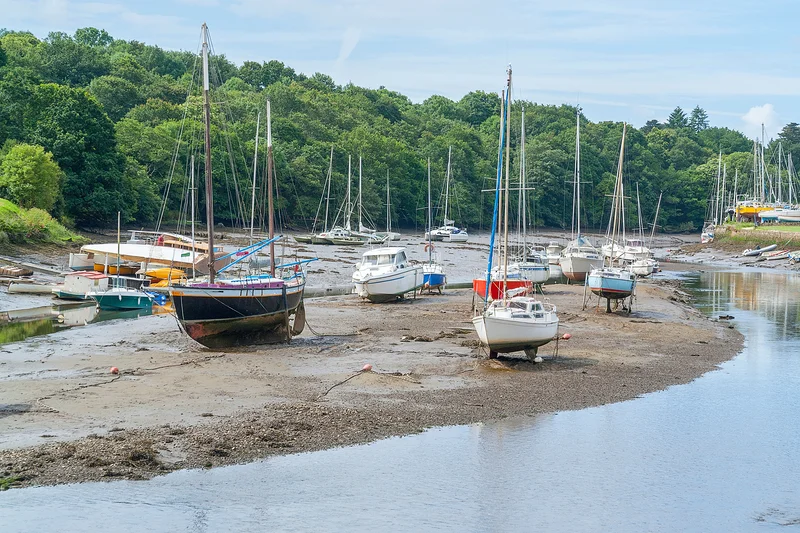
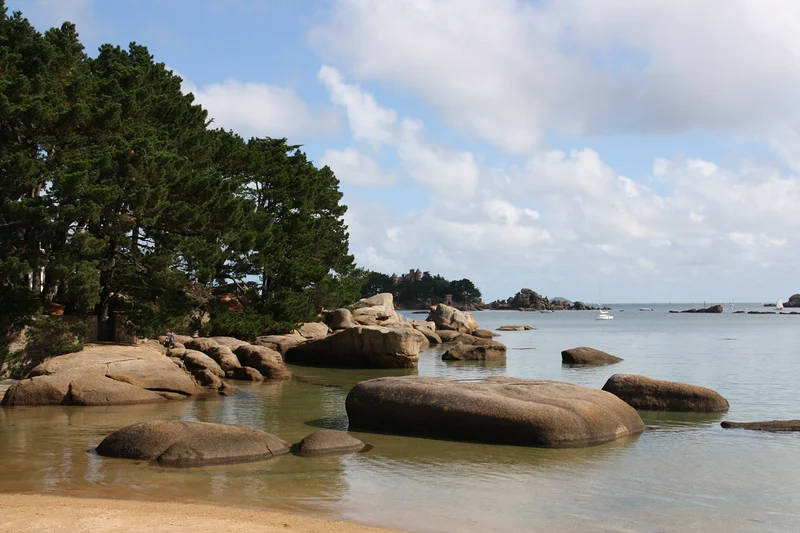
We have a few stereotypes about Brittany, especially regarding the weather. The city was partly destroyed during the war and rebuilt in a style that is not always the most aesthetic, it is true. However, I really enjoyed discovering this other waterfront.
The must-sees? Rue de Siam and Place de la Liberte with their bustling energy, the Naval Museum to discover a whole slice of history, Oceanopolis...