
Visiting Crozon
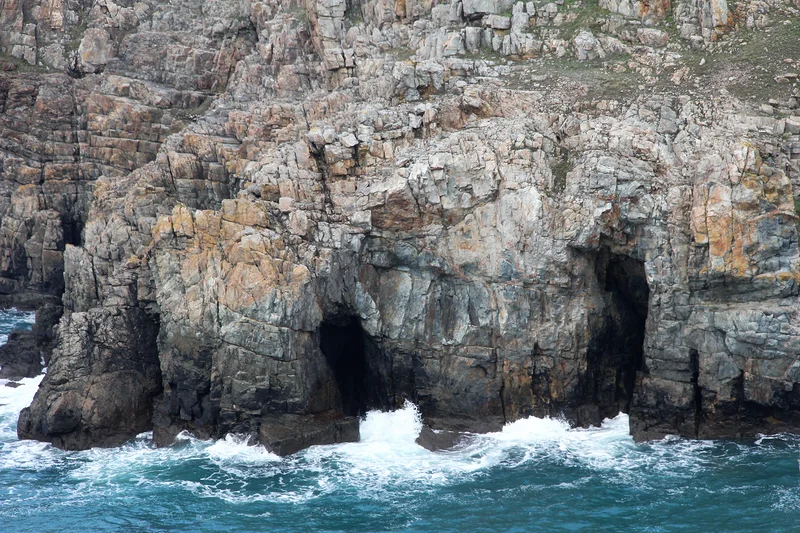
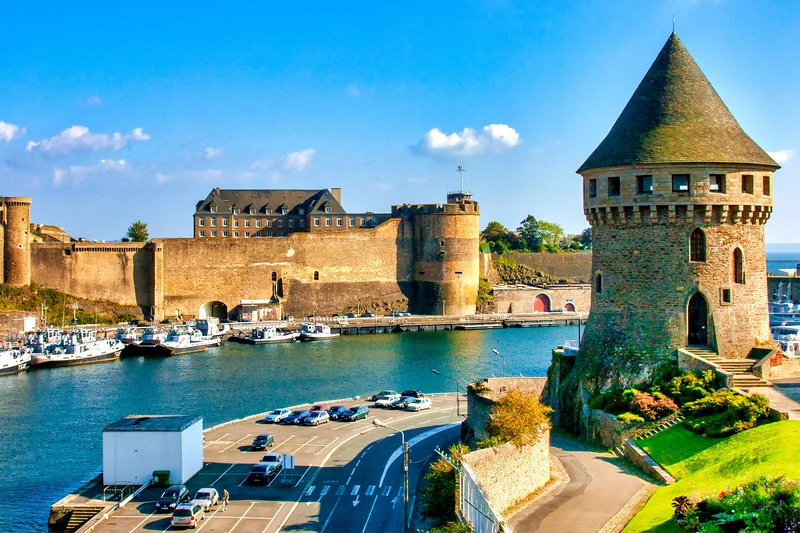
Crozon sits on the peninsula of the same name, right in the middle of the Armorique Regional Natural Park and bordered by the Iroise Sea. Expect a rugged, wild coastline marked by dramatic cliffs. Back in the 17th century, the peninsula caught the eye of Vauban, who built a network of fortifications designed to protect Brest. Some of these defensive structures are still standing, like the Fort des Capucins or the ruins of the fort de l’Aber in Crozon, located on l’île de l’Aber and reachable on foot only at low tide.
The stunning coastline of Crozon
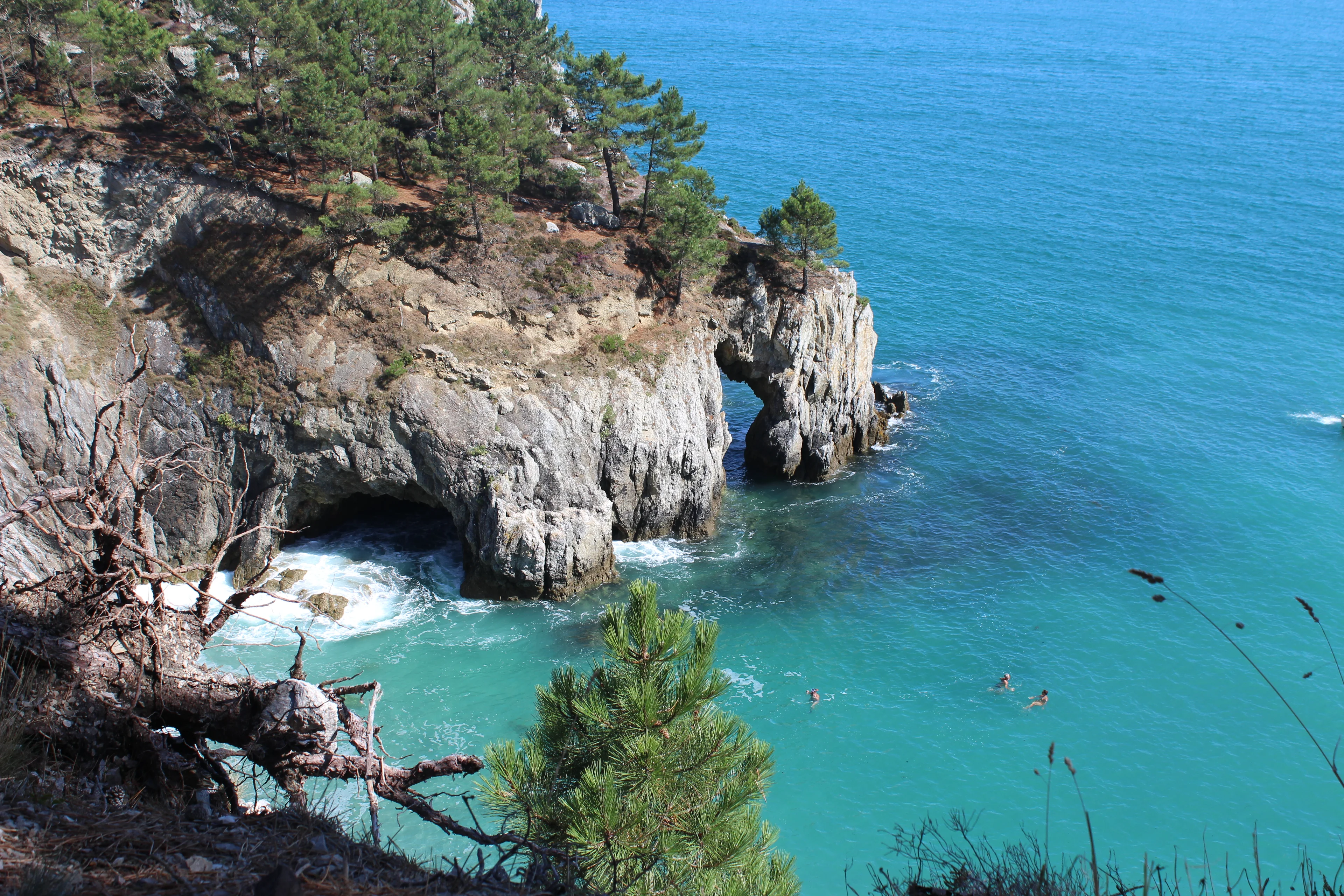
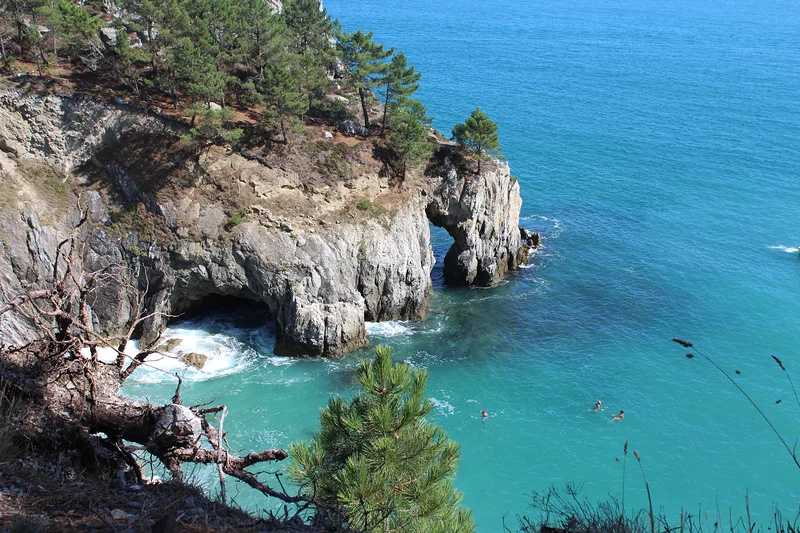
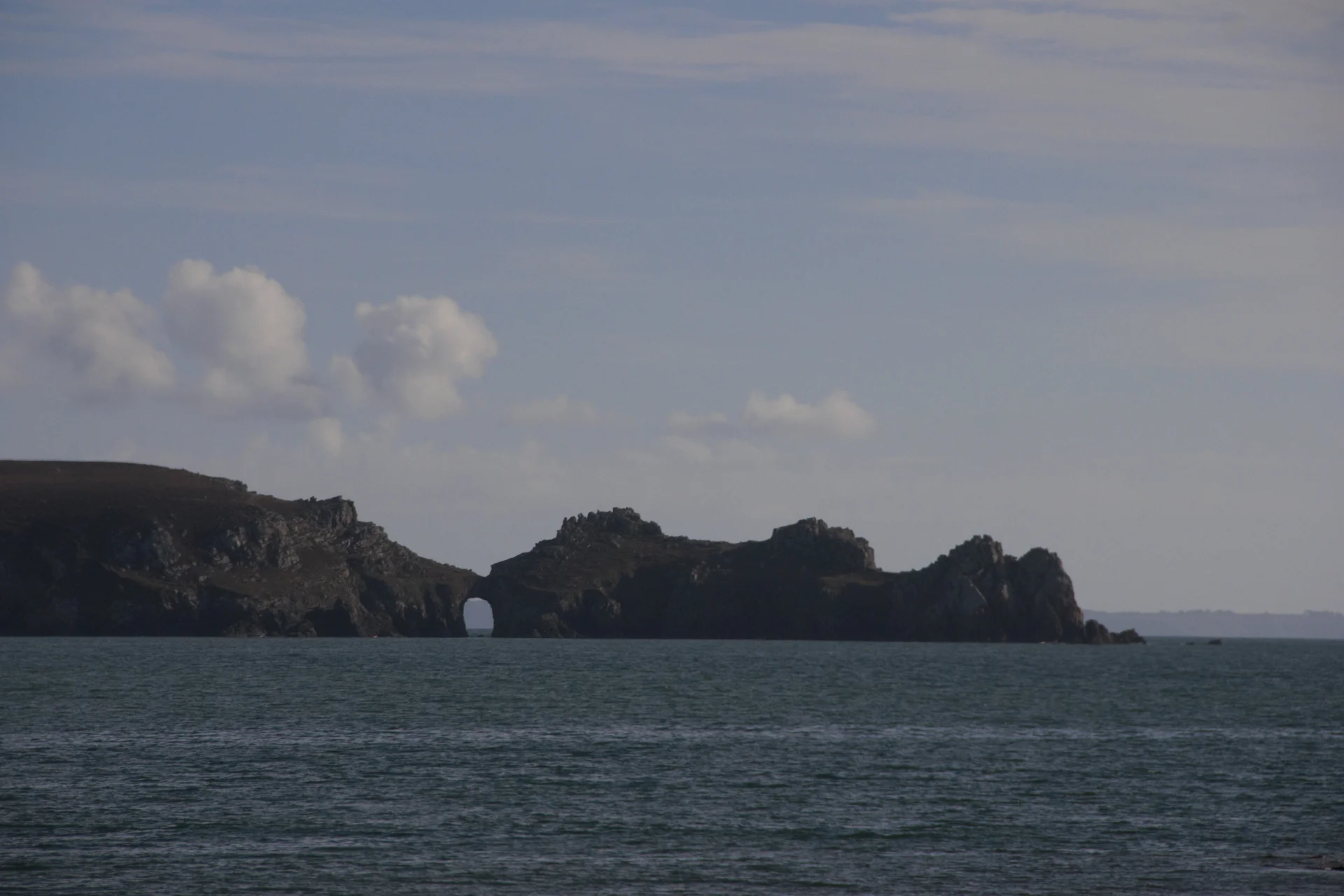
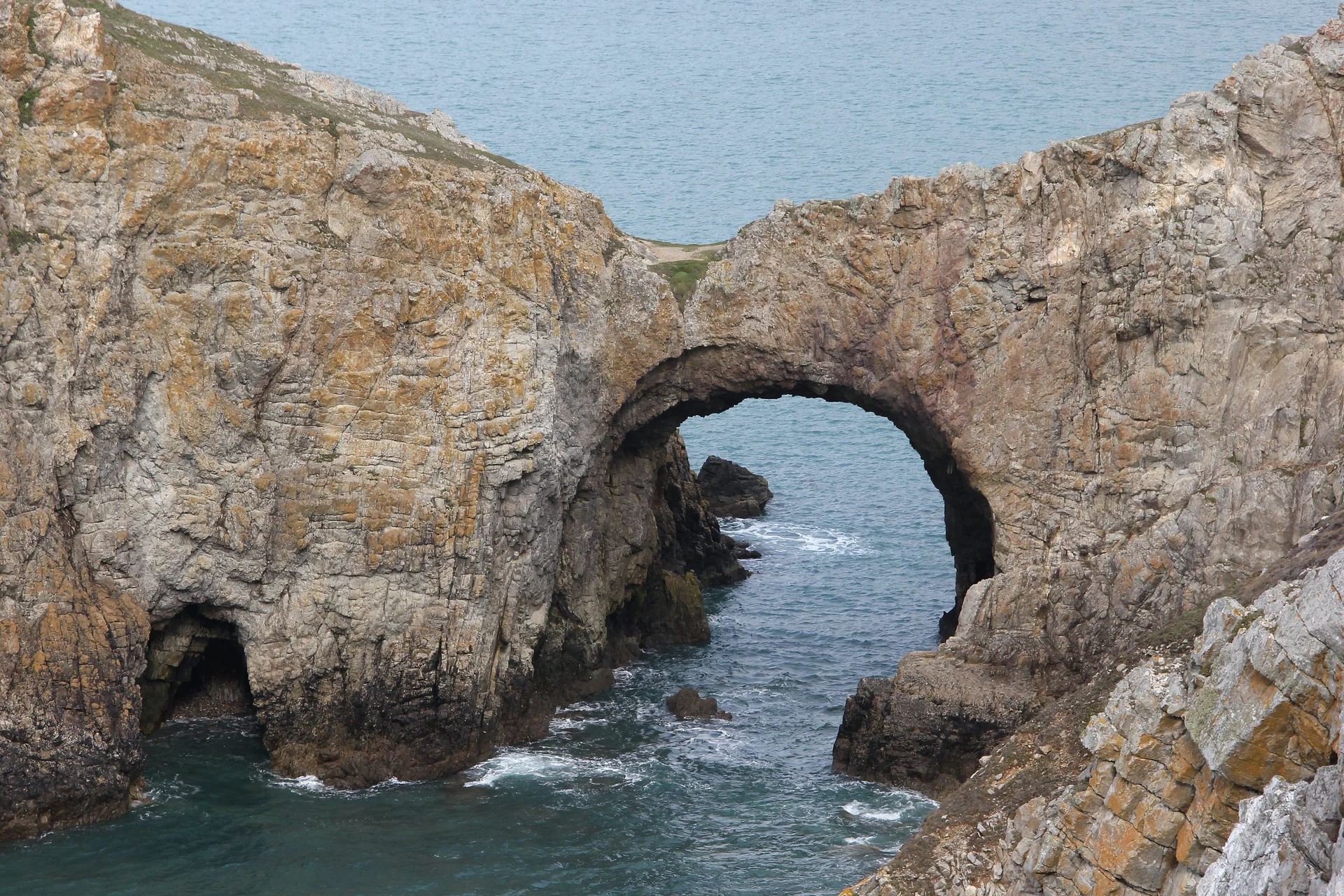
The coastline of the Crozon Peninsula stands out for its jagged, picturesque landforms carved by erosion, creating a series of headlands and capes hanging over the water. Highlights include le cap de la Chèvre and la pointe de Dinan. They frame sweeping views over the bay, and you will spot curious natural rock formations like the castle of Dinan, a sea arch carved right through the stone by waves. The GR 34 hiking trail hugs the entire coast, giving you access to hidden coves. One of the most famous is the plage de l’île vierge. Access is banned now due to erosion risks and rockfall danger along this stretch of cliffs, but you can still take in the beach and its striking turquoise water from the clifftops.
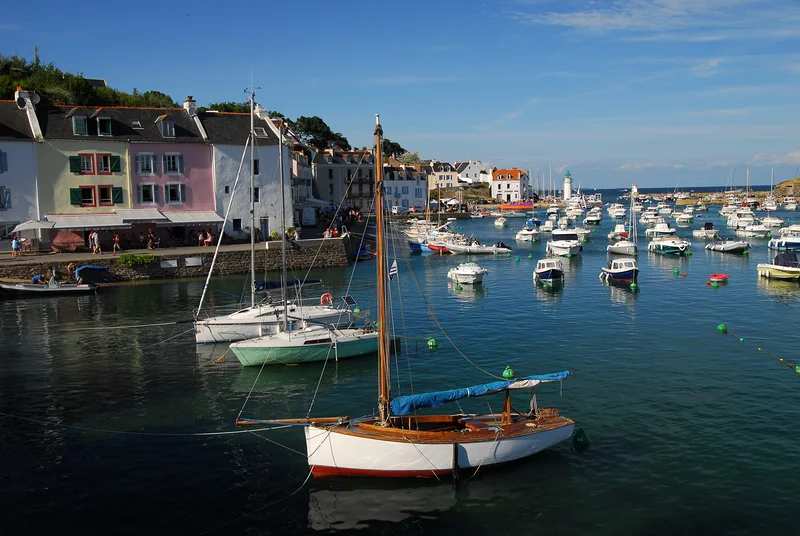
You will find plenty of beaches and water sports around Crozon. Stop by Morgat, an old sardine and tuna port turned into a marina, where you can book a boat tour or sign up for a surf lesson.
The rocky shores of the Breton tip
Crozon's unusual geology and varied terrain have long fueled local folklore and inspired artists. If you want to understand the local stone formations, a stop at the Maison des Minéraux is well worth your time. The museum focuses on rock study and houses a collection of fluorescent minerals.
Sticking with stone, several historic sites sit right around Crozon. South of Morgat, you will find Ty ar C’huré, literally the Priest's House, which features dozens of upright stones lined up for what was clearly a sacred purpose, even if the exact origins remain a mystery. A bit further out, near Camaret-sur-Mer, nearly a hundred standing stones rise over three metres high. This site, erected 2500 BC, is known as the alignements de Lagatjar. Back in Crozon itself, make time to see the remarkably well-preserved Dolmen de Rostudel.
When to go
The tip of Brittany is best visited during the summer months between June and September. Keep an eye out for the wind, which whips up quite strongly on this side of the Atlantic.
Getting there
Driving is the easiest way to reach Crozon. If you are taking the train, head to Brest or Quimper, both of which offer regional bus connections straight to the Crozon Peninsula. Cyclists will find plenty to love here with nearly 200 kilometres of bike paths crisscrossing the peninsula.
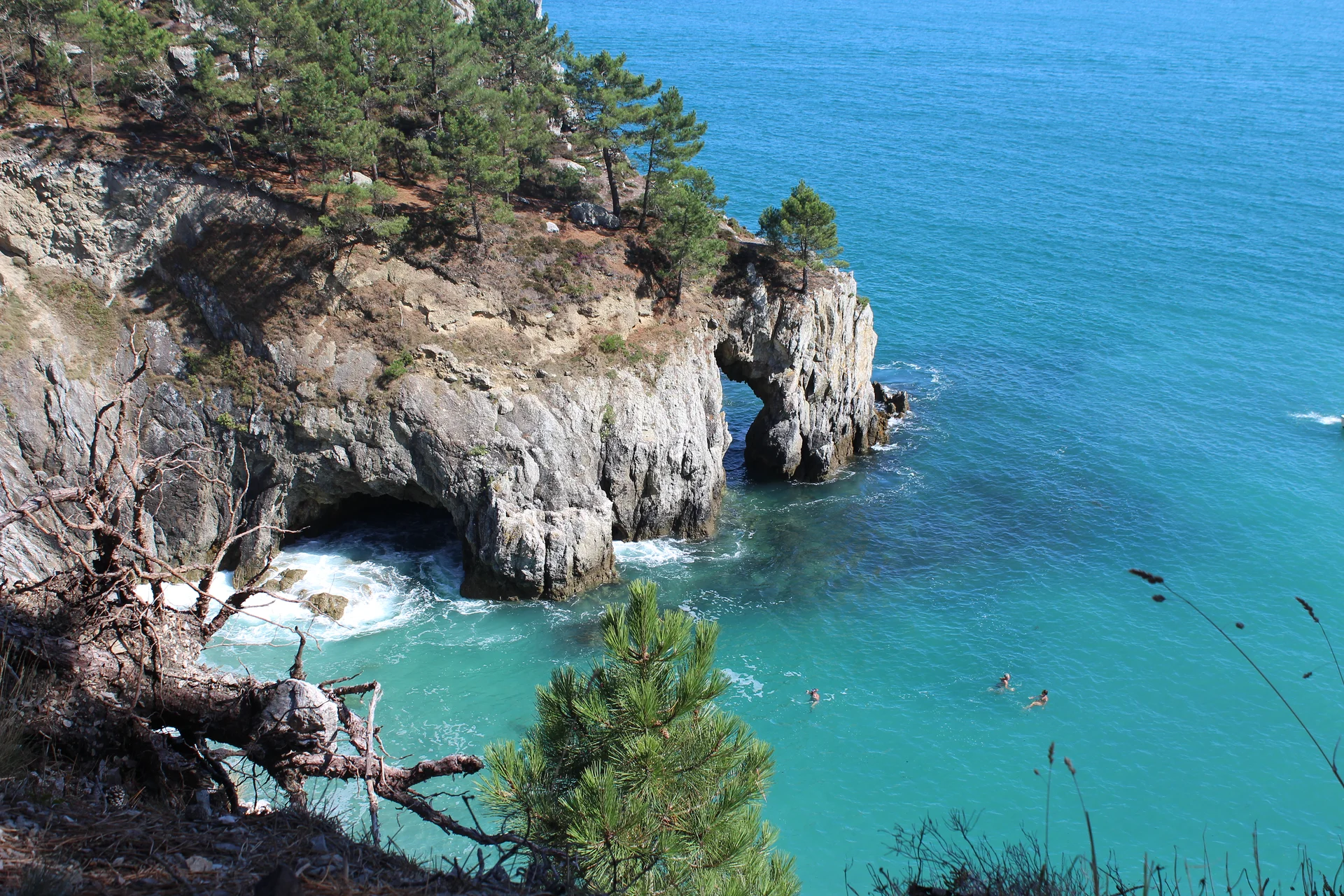
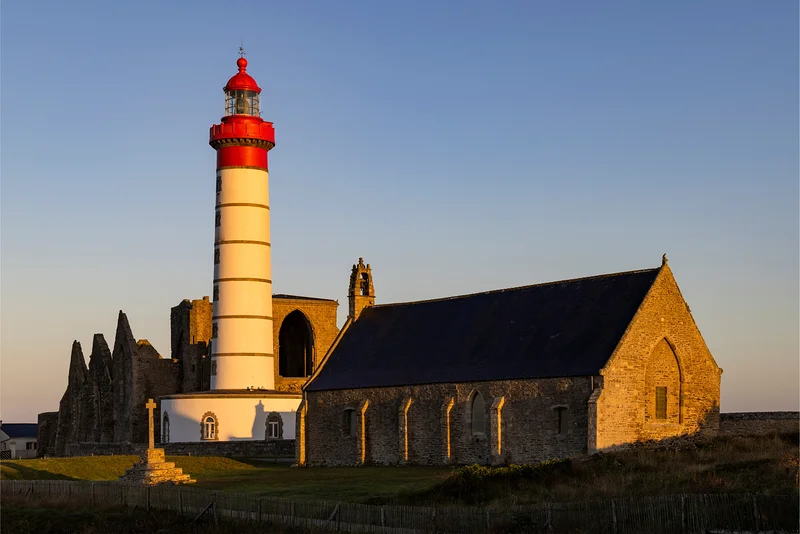
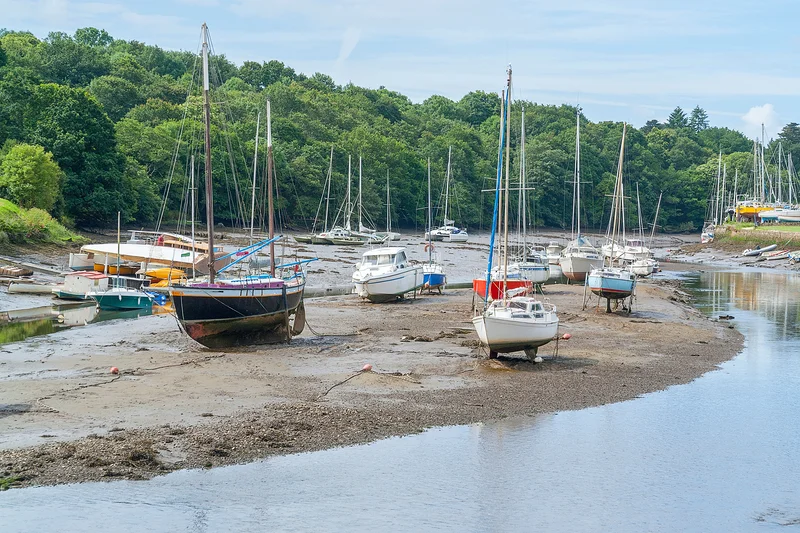
The Crozon peninsula is a place that offers stunning natural and wild landscapes. It is the perfect spot for great hikes with a view of the sea and the cliffs. There are also some really beautiful beaches. I found that it wasn't too crowded, and sometimes you even feel like you are the only person in the world. A place you absolutely must see in Brittany.