
Visiting Brest Castle
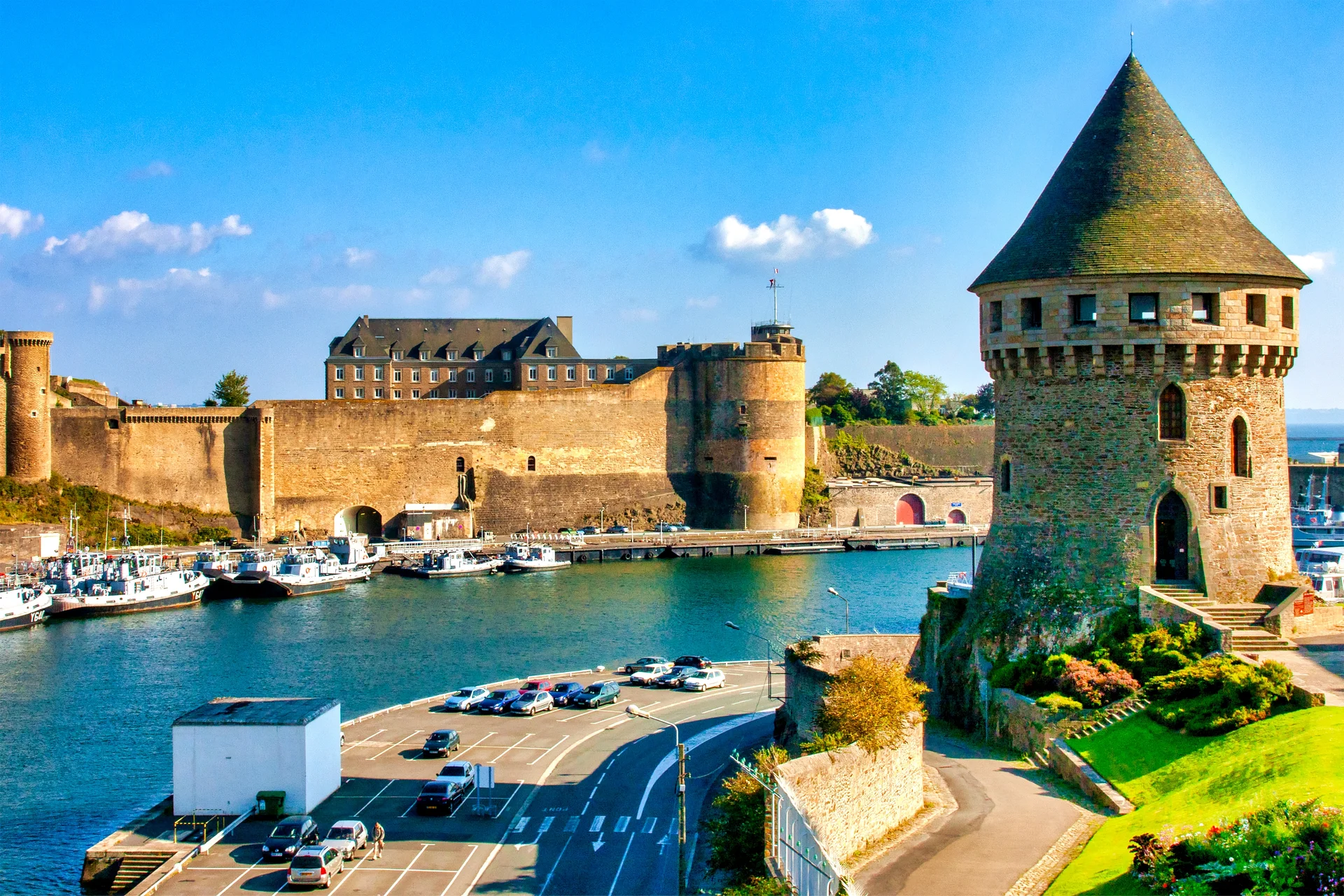
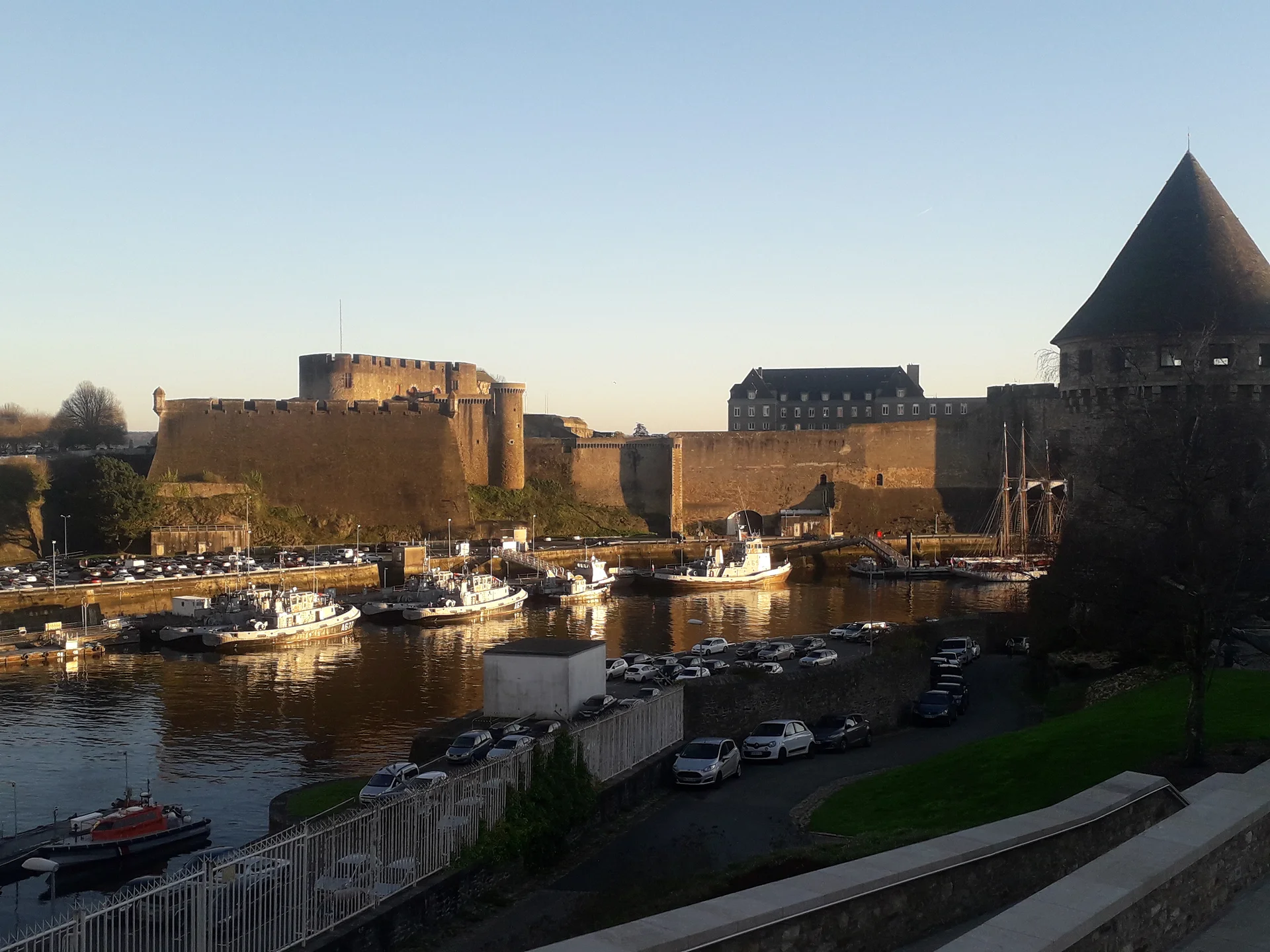
In Brest, located in the Finistère department, you can explore a particularly compelling castle. Its requirement to defend against both maritime and land-based threats, coupled with the development of the port of Brest, resulted in a truly unconventional fortress.
History
The history of this site dates back to the 3rd century, during Roman occupation. Frequent raids by Saxon pillagers forced local troops to fortify the coastline, making this strategic location an essential defensive position.
As Roman influence waned, the stronghold was abandoned, and for a period, specific records of its activity disappear. It is easy to assume the original garrison departed, leaving the site open for various local lords to eventually claim as their own.
What remains certain is that by the 10th century, this strategic Breton site successfully resisted repeated incursions by Vikings. These raiders were no longer just looting, as they attempted to establish Norse dynasties across Brittany, Ireland, and Normandy. Yet, after a century of pressure, the castle remained unconquered.
The castle fell by force only once, in 1341, when John, Count of Montfort, captured it following a brutal siege that led to the surrender of its defenders. He subsequently allied with the English to maintain control of his prize. In fact, it was the English who continued the major structural modifications to the castle.
Later, Cardinal Richelieu pushed to transform Brest into a major naval port, which triggered significant construction projects on the castle and its surroundings. Colbert and Vauban also worked on the building to modernize its defensive installations.
Brest Castle
This castle serves as one of the five sites of the Musée national de la Marine (French National Navy Museum). Intimately linked to the arsenal de Brest (Brest Naval Arsenal), the site houses an impressive collection. Permanent exhibits include ship models, navigation instruments, paintings, figureheads, sculptures, and various other artifacts.
It is a visit defined by history, military engineering, and naval heritage.

Since the city suffered during the Second World War, you do not always find old buildings. All the more reason to visit and appreciate this fortress. Seeing it, with the water and boats all around, you feel a bit more of the city's soul. The main attraction is clearly the National Navy Museum. But the garden is also very pleasant and offers a bit of greenery for a quiet moment.