
Brittany. A word that conjures up images of salt-sprayed air, ancient legends, and villages with real grit. For me, it’s also a place filled with memories.
As a teenager, this region, especially Finistère, meant seaside vacations. I remember the rugged coastlines that are so iconic here, the jagged, strangely shaped rocks, the hidden coves, and the beautiful sandy beaches where we’d spend our days playing, swimming, and soaking up the sun.
My love for Brittany has never faded over time. My interests have just evolved, and I’ve developed a real hunger to learn about the history of the region. Around Brest, I had the chance to explore five little gems in Finistère that are well worth the detour. From the countryside to the sea, each one tells its own unique story. Today, I’m taking you on a tour of 5 Breton villages, with a special personal favorite: Lesneven.
1. Lesneven, my personal favorite: charm, history, and legends

Lesneven feels like a gateway to the Legendary Coast (Côte des Légendes). Just 20 kilometers from Brest, this small town full of character hooked me from the very first minute. Picture cobblestone alleys, granite houses that look like they’re from another era, and that distinct feeling of having stepped into a different century.
A deep dive into the history of Lesneven
Lesneven gets its name from Count Even, who is said to have established his residence here in the 9th century. Once a commercial hub and the seat of Léon, an ancient Breton principality, the town has held onto traces of its glorious past. The Ursuline Convent, now transformed into the Léon Museum, is a must-visit to understand the local history. A collection of period artifacts and stories about daily life transported me straight into the heart of old-school Brittany.

While wandering around, I stumbled upon the Place du Général Leclerc, where the Monday morning market comes to life. You can really breathe in the authenticity here. Local producers, steaming buckwheat crêpes, and lively conversations in Breton make this market a show all on its own.
Around Lesneven
Lesneven is also an excellent base for exploring the surrounding countryside. Just a few kilometers away, you’ll find the moorlands and coastal landscapes that you only get in Finistère. Special shout-out to Plounéour-Trez, a coastal village where the sea seems to play with the rocks at low tide.
2. Locronan: a leap into the past

Ranked among the Most Beautiful Villages in France, Locronan is a medieval marvel. Here, the stone houses and narrow, paved streets almost make you want to go looking for a knight or a fairy behind every door.
The legacy of Saint Ronan
Locronan is named after Saint Ronan, an Irish hermit who settled here in the 5th century. The Saint-Ronan Church, a true Gothic gem, and the granite mansions from the 15th and 17th centuries bear witness to the prosperity once brought by the linen trade.

Walking through Locronan is like stepping into a living postcard. I had a blast strolling through the main square and stopping at a little crêperie to try the traditional butter-and-sugar crêpe before hiking up the hill overlooking the village. The view over the Bay of Douarnenez is magnificent, especially at sunset.
3. Le Conquet: between sea and history

Arriving in Le Conquet, the salt air woke me up instantly. There’s no doubt about it: here, the sea is queen. This small fishing port, located at the tip of Finistère, exudes a unique energy that blends maritime history with raw nature.
An authentic port
Le Conquet has always looked toward the sea. In medieval times, it served as a departure point for maritime trade with the British Isles. Today, its alleys lined with stone houses still tell the story of that past.
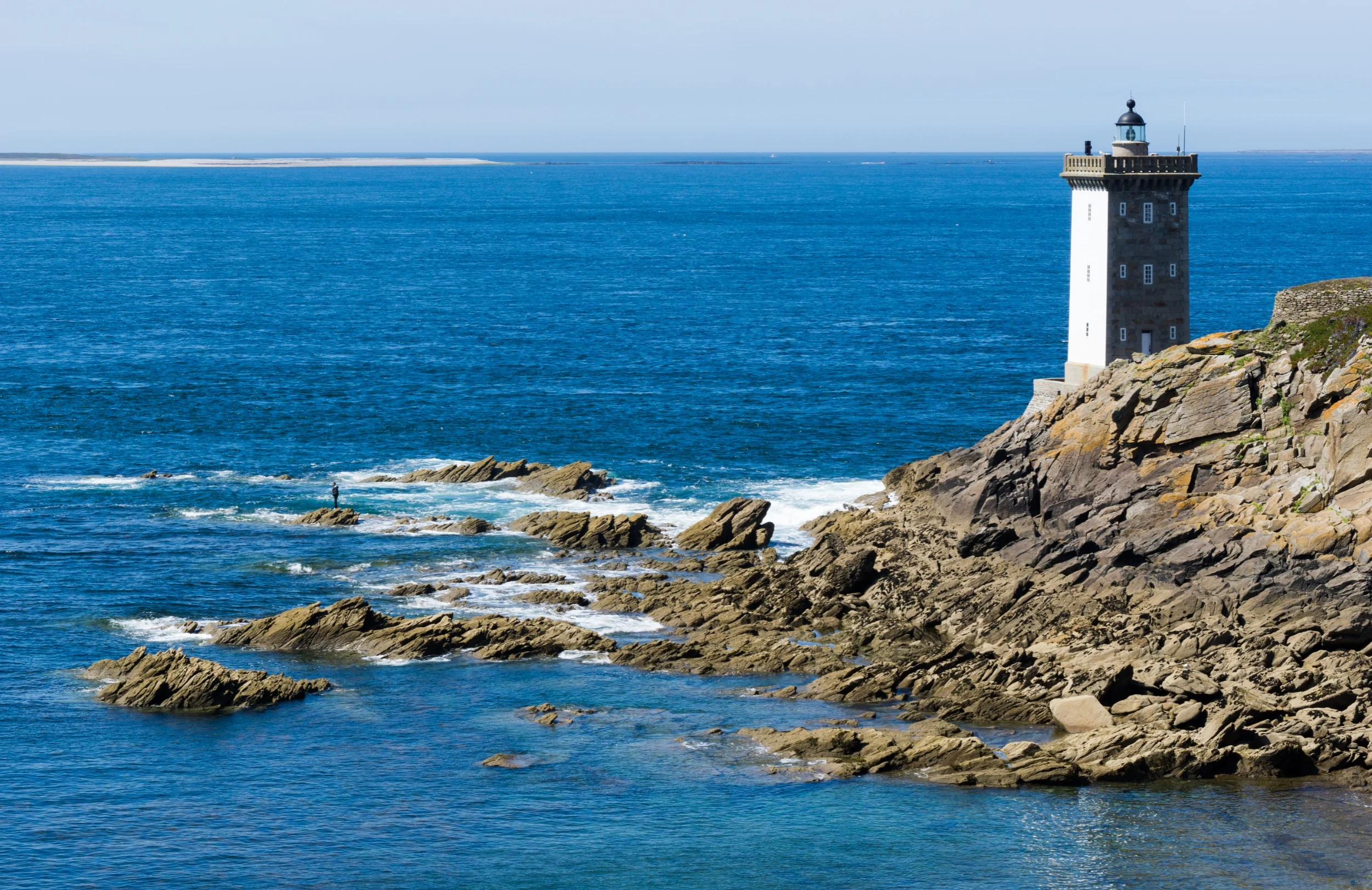
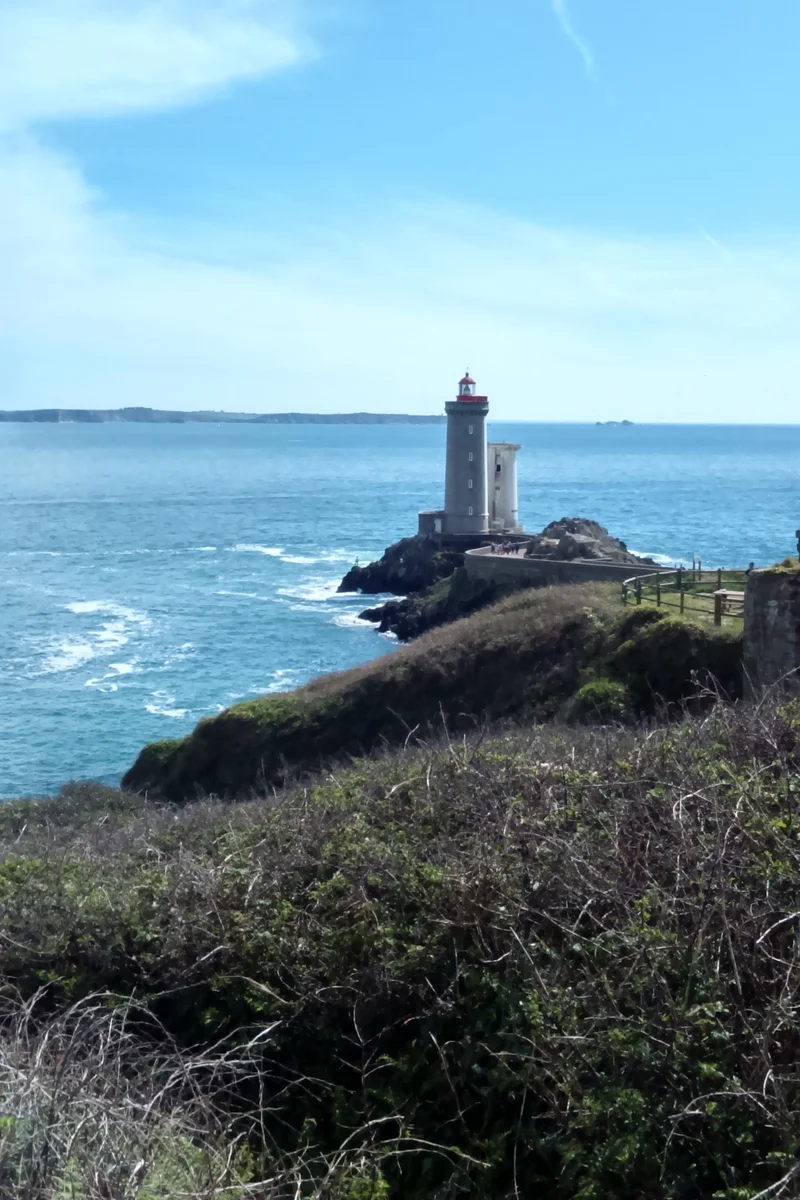
It’s also the jumping-off point for the islands of Ouessant and Molène. Taking the boat for a day of exploration is an experience that will leave you with wonderful memories. Between tides, I walked to the Pointe de Kermorvan, a "world's end" spot where the lighthouse stands proudly against the ocean. The waves crash there with such raw beauty that you can’t help but be mesmerized.
4. Landerneau: the charm of the inhabited bridge

Landerneau, just 20 minutes from Brest, is a small town full of surprises. It’s best known for its Rohan Bridge, one of the last inhabited bridges in Europe.
The Rohan Bridge and its half-timbered houses
Built in 1510, the bridge is a rare testament to medieval Breton architecture. As you cross it, you can admire the half-timbered houses that overhang the Élorn river. Some now house artisan shops or charming little cafés where you can settle in for a gourmet break.
A vibrant village
Landerneau isn’t just about heritage. In recent years, the town has established itself as a major cultural hub. The Hélène & Édouard Leclerc Foundation hosts world-class contemporary art exhibitions, a striking contrast that gives the town a breath of modernity.
5. Plougastel-Daoulas: the land of strawberries and calvaries

To wrap up this getaway, we’re heading to Plougastel-Daoulas, famous for its strawberries and its impressive religious heritage.
The monumental calvary
You can’t visit Plougastel without admiring its monumental calvary, erected in the 17th century. A true sculpted masterpiece, it uses its many scenes to tell the story of the Passion of Christ and the lives of the people at the time.
A land of delicacies
Plougastel is also the kingdom of strawberries. Since the 18th century, these little red wonders have been the pride of the village. During my visit, I was lucky enough to try a strawberry tart from an artisanal bakery. Pure bliss!

Practical tips
Where to stay?
To fully enjoy the villages around Brest, there are several types of accommodation available depending on your preferences and budget:
-
Campsites: This is the most budget-friendly option, and today they can offer a very satisfactory level of comfort. To book a campsite, here is a direct link to the Brittany section of Tohapi, a site I recommend because I’ve used it several times.
-
Bed & Breakfasts and Gîtes: This is the ideal option for an authentic experience. In Lesneven, you’ll find charming rural gîtes in the heart of the Breton countryside. I personally loved the warm welcome and the delicious local breakfasts.
-
City Hotels: Brest, located about 30 minutes from all these villages, offers a wide range of hotels, from the most modern to the most traditional. It’s a good base if you plan to explore all of Finistère, though it is the most expensive option.
-
Unique stays: If you’re looking for an original experience, try yurt stays or tiny houses in the countryside. Some villages like Plougastel-Daoulas even offer stays in treehouses.
The best time to visit
Finistère reveals its best assets at different times of the year, but some seasons are particularly well-suited for discovering the villages:
-
Spring (April to June): The days get longer, nature explodes with color, and the villages slowly wake up after winter. It’s also the ideal time to avoid the summer crowds while enjoying pleasant weather.
-
Summer (July and August): The peak season! Events are in full swing, the markets are lively, and traditional Breton festivals set the rhythm for the villages. However, book your accommodation well in advance, as this is the busiest time.
-
Autumn (September and October): A calm and gentle atmosphere sets in. The landscapes turn golden, perfect for hiking or seaside strolls.
-
Winter (November to February): Even if the Breton weather can be fickle, the region has a special charm under the winter spray. It’s the perfect time for fireside getaways and discovering villages without the tourists.
Getting around Finistère
-
By car: To explore the villages freely, having a vehicle is almost essential. Breton roads are well-maintained, and the distances between villages remain short. Remember to include stops in the small hamlets you’ll pass along the way.
-
By bike: Brittany is particularly well-suited for cycling enthusiasts! Bike paths crisscross the Breton countryside and follow the coastline. The coastal trails are a treat for the more athletic.
-
Public transport: Brest is well-served by train and bus. However, for more remote villages like Locronan or Le Conquet, options can be limited, especially off-season.
Specialties not to be missed

A visit to Brittany would be incomplete without a few gourmet stops! Here are some local specialties to taste during your getaway:
- Kouign-amann: This pastry, rich in butter (and pleasure), is a must. I particularly enjoyed the one I had in Locronan, crispy just the way it should be.
- Breton crêpes and galettes: Accompanied by local cider, they are the foundation of a typical Breton meal. The markets in Lesneven and Landerneau are the perfect places to enjoy them.
- Plougastel strawberries: If you pass through Plougastel-Daoulas in the summer, try the famous local strawberries, renowned for their sweetness and inimitable fragrance.
- Fish and seafood: Finistère is all about the sea! In Le Conquet, take a break in a small port to enjoy oysters or a seafood platter facing the ocean.
Local events not to miss
Every village has its traditions, and some festivals are truly worth experiencing:
- Traditional markets: The one in Lesneven on Monday mornings is something to see at least once :) It’s a concentrated dose of Breton atmosphere where you’ll find fresh produce and artisanal treasures.
- The Great Troménie of Locronan (every 6 years): A unique religious procession that attracts thousands of pilgrims and visitors.
- Breton festivals: In summer, many villages organize fest-noz (traditional Breton parties) where Celtic dance and music take over until the end of the night.
Conclusion: Breton authenticity around Brest
These five villages in Finistère, each with its own unique character, gave me a condensed taste of authentic Brittany. My favorite, Lesneven, remains etched in my memory as a permanent invitation to return. Whether you’re a history buff, a sea lover, or just curious, you’ll find in these villages a Brittany that is generous, real, and incredibly beautiful.
So, are you ready to plan your Breton getaway?



Comments (0)
No comments yet. Be the first!