
Visiting Dinan
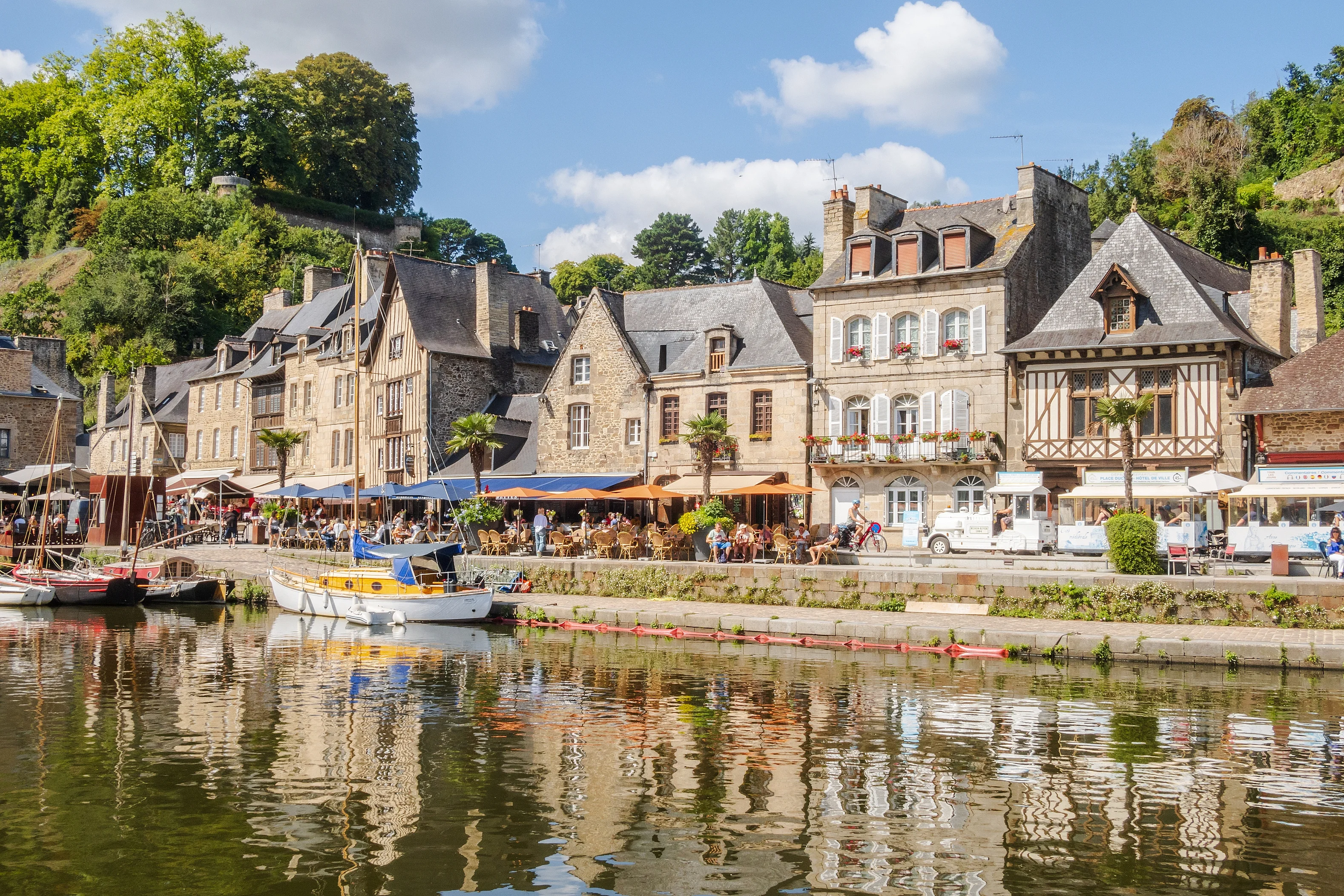
Perched above the Rance River in the Côtes-d'Armor department of Brittany, Dinan stands as one of the best-preserved walled cities in France. Its collection of half-timbered houses dating from the 15th and 16th centuries is a masterclass in medieval architecture.
At the heart of the Middle Ages
Dinan is consistently ranked among the most photogenic towns in France. It is easy to see why, with its stone dwellings, narrow medieval lanes, and intact ramparts. As a designated City of Art and History, it has served as a hub for merchants and artisans for centuries. Walking through the town, you can still visualize the workshops of weavers, glassblowers, and wood gilders. Many of these traditional crafts remain active in the town today. For a deeper dive, time your visit for the Fête des Remparts. Held every two years since 1983, this festival transforms the city with medieval markets, costume balls, and jousting tournaments.
Charming curiosities
Keep your eyes up while walking to spot the 130 half-timbered facades that define the town's character. Key landmarks include the couvent des Cordeliers and the basilique Saint-Sauveur. Construction on the basilica began in the 12th century, though it remained unfinished. The heart of Bertrand du Guesclin, a hero of the Hundred Years War, is interred here. Your route will inevitably take you down the rue du Jerzual. This street requires sturdy footwear, as it drops at an incline of 12 to 18 degrees over a 500-meter stretch. For the truly ambitious, the town hosts an annual footrace up this steep path.
Heights and waterfronts
For a vantage point over the region, climb to the top of the Château or the Tour de l'Horloge. You can also walk a portion of the 2.7-kilometer defensive wall with a guide. Afterward, head down to the port of Dinan. This waterfront area is lined with restaurant terraces, making it the perfect spot to sit down with a traditional buckwheat galette. From here, you can follow the banks of the Rance along the former towpath, passing a 16th-century manor house along the way.
When to go
Dinan is accessible year-round for those interested in its architectural history. The warmer months are ideal for spending full days outdoors and exploring the banks of the Rance. Visiting in summer also ensures that the widest selection of local boutiques, restaurants, and hotels are open.
How to get there
To reach Dinan, fly into Rennes, the closest major airport. From there, it is a 45-minute drive to Dinan. If you prefer public transit, you can take a regional TER train. If you are driving from elsewhere in France, expect a travel time of about 3 hours and 50 minutes from Paris or 2 hours from Nantes.
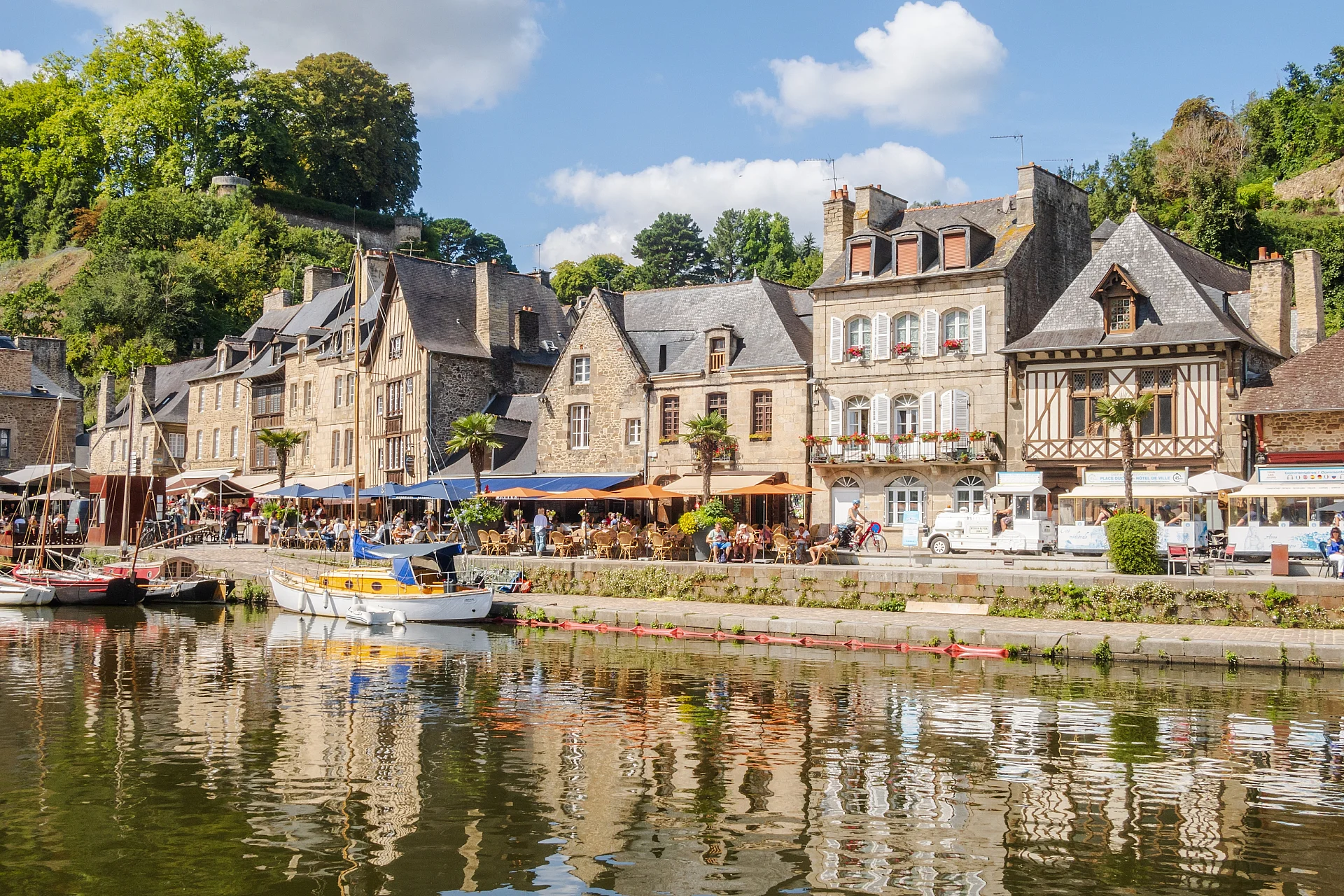
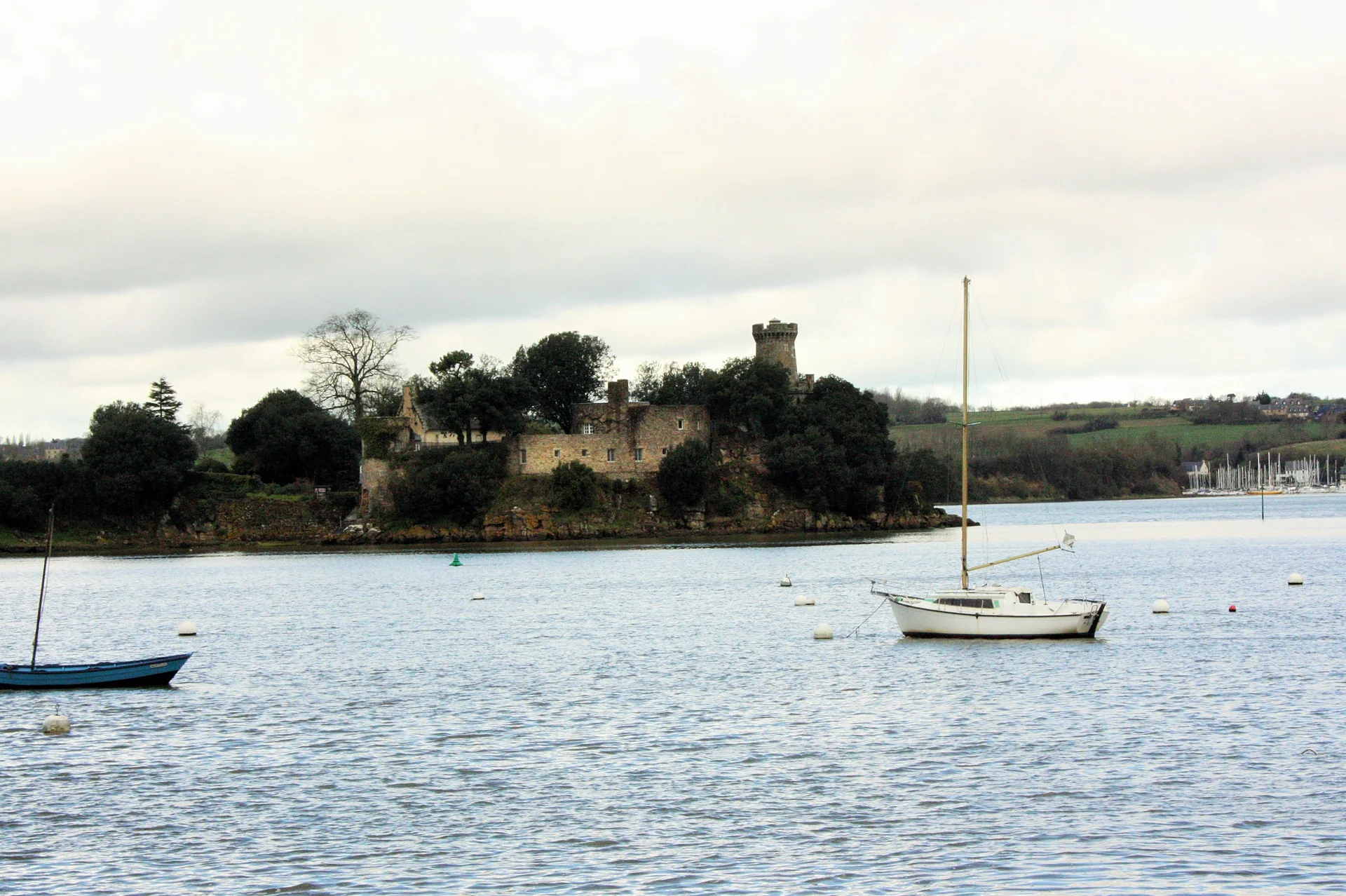
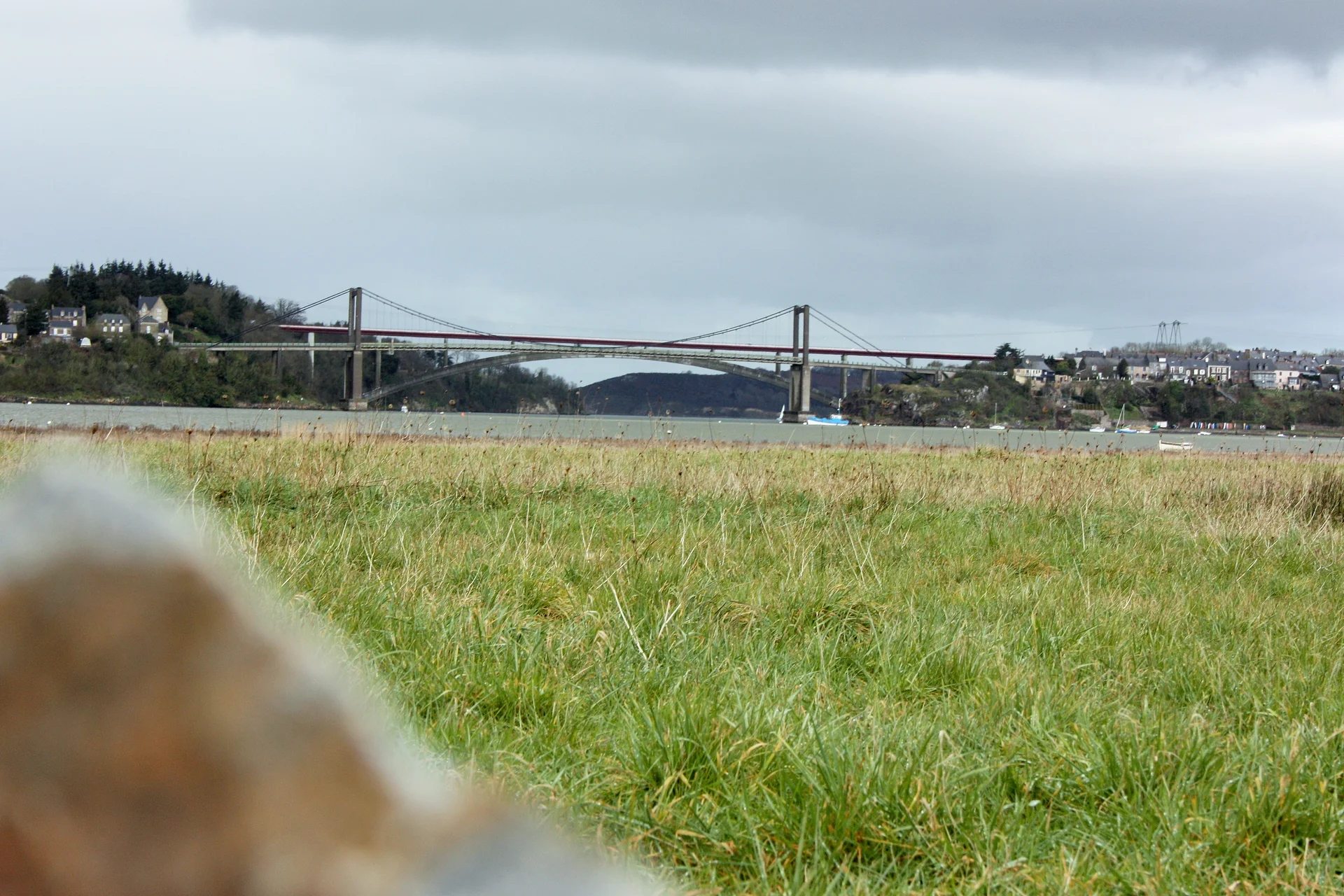
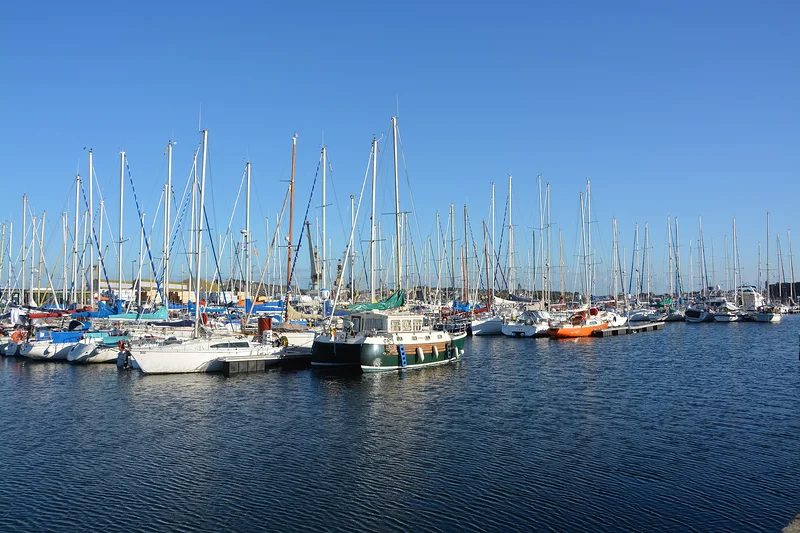

Dinan is a surprising medieval city, almost stuck in the past. Surrounded by its ramparts, the town offers half-timbered houses, cobblestone alleys that are sometimes a bit tricky to navigate, numerous restaurants serving local products, and little shops selling old books, paintings, or even sweets. The Fête des Remparts, organized every two years, really highlights this medieval atmosphere. But Dinan is also a fishing port on the Rance. It takes a bit of courage to head down, and especially to head back up the cobblestone alley that leads to the small fishing port, the Rue du Petit Fort (for us with a stroller that day), but the vibe here changes completely. The Dinan viaduct, the banks of the Rance, the fishing boats, you quickly forget that you have to walk back up afterward!