
Saint-Malo, Where the Sea Shapes History
The tides here sometimes surge past ten meters. That single number changes everything. At low tide, you can walk across damp sand straight out to offshore forts and rocky islets. Four hours later, those exact same rocks vanish beneath emerald waves. This relentless rhythm has dictated daily life in Saint-Malo for centuries, fueling the fortunes of legendary privateers and making every visit entirely different from the last.
A Destination for History Buffs and Salt Air Fans
The city appeals to travelers who love the feeling of salt spray on their skin. Couples looking for a romantic escape will find their spot along the stone ramparts at sunset. Families appreciate the lifeguarded beaches and the Grand Aquarium. Meanwhile, naval history enthusiasts can easily spend days exploring historic shipowners' mansions, museums, and fortifications.
On the flip side, visitors seeking solitude will leave disappointed in summer. This walled port town draws over two million people every year, and July and August turn the narrow alleys into a bustling anthill where parking becomes a serious puzzle. Keep in mind that 80% of the old walled town was rebuilt after the 1944 bombing raids. The historic stone façades largely date from the post-war era, even though the reconstruction faithfully followed the original architecture.
Reasonable Pricing for Brittany
Plan on spending between $90 and $135* per day for a couple during shoulder season. Budget hotels start at $51* a night, while 3-star properties range from $90 to $146*. A traditional savory buckwheat galette runs around $11*, and a seafood platter costs between $29 and $57* depending on what is included.
The Ramparts and Intra-Muros: The Beating Heart
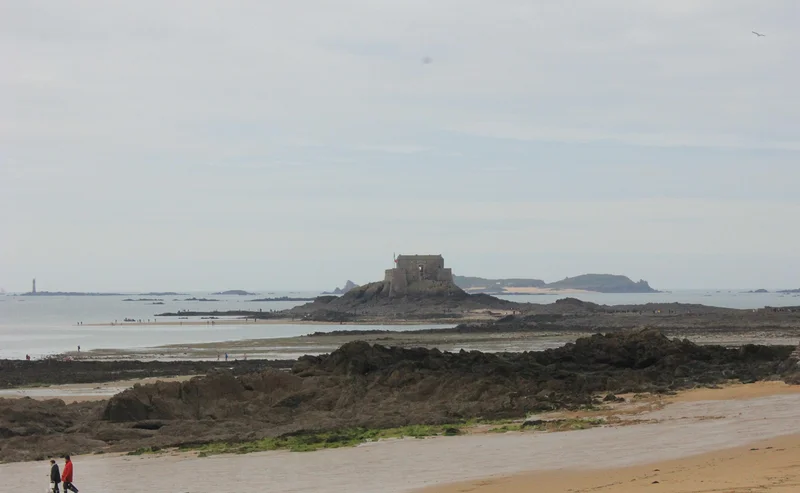
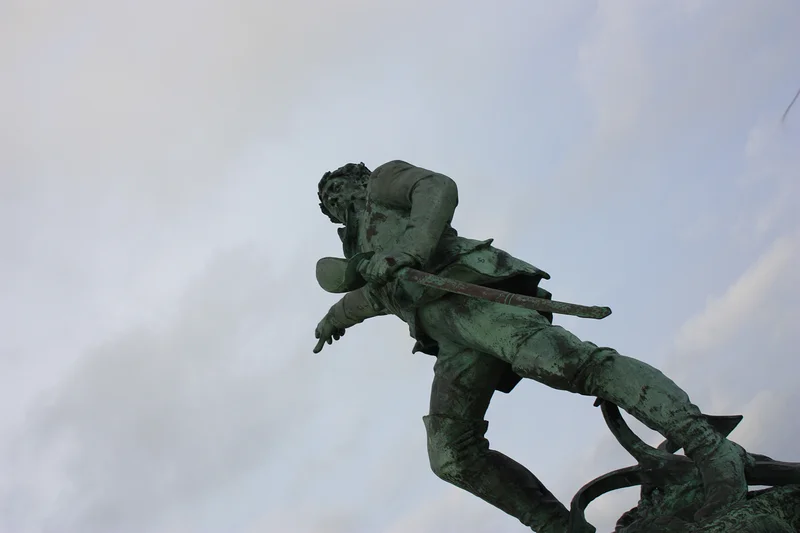
Walking the ramparts is completely free and takes about 1 hour and 30 minutes for the full 1754 meters of the circuit. Multiple access points let you hop on and off whenever you like. From the stone bastions, the view opens up over the bay, the offshore islets, the Fort National, and the distant silhouette of Dinard. A statue of Robert Surcouf, the most famous privateer of Saint-Malo, awaits you near the Bidouane tower.
The narrow streets of Intra-Muros pack in boutiques, creperies, and curiosities. On rue de l'Orme, step inside Épices Roellinger, the gourmet spice shop founded by Michelin-starred chef Olivier Roellinger. Right across the street, the Maison du Beurre sells famous Bordier butter infused with unexpected flavors like seaweed or Madagascar vanilla. The Saint-Vincent Cathedral holds the tombs of Jacques Cartier and Duguay-Trouin.
Friendly tip: check the tide schedule before heading out. At low tide, you can walk across to the island of Grand Bé where writer Chateaubriand is buried. Pay attention though, because the tide comes back in fast and unprepared visitors get stranded every single year.
Saint-Servan and the Cité d'Aleth: Off the Beaten Path
This neighborhood, annexed to Saint-Malo in 1967, maintains its own distinct identity. Locals consider themselves Servanais first and Malouins second. The Solidor Tower, a 14th-century medieval keep, dominates the mouth of the Rance estuary. The 39-45 Memorial occupies former German bunkers on the Pointe d'Aleth, offering a sobering look at why the city suffered so much during the Liberation.
The Bas Sablons beach offers a quieter alternative to the long Sillon stretch and sits within easy walking distance of Solidor. The neighborhood also features several good spots to eat, including La Fourchette de Léonie, with set menus starting at $23*.
Tidal Excursions: Forts and Islets
The Fort National, built by military engineer Vauban in 1689, can only be visited at low tide. The walk across the wet sand is part of the adventure, and local guides share stories about the privateers who brought immense wealth to the city. The Petit Bé, smaller but just as picturesque, is explored the exact same way.
For maritime history buffs, a full-scale replica of the privateer ship L'Étoile du Roy is docked at the port. Walking the decks of this 47-meter three-master gives you a clear sense of life for a 240-man crew back in the 18th century. Going inside is well worth the time.
Friendly tip: to dodge the crowds at the Fort National, aim for the early hours of low tide. Guided tours generally set off 30 minutes after the water has dropped enough.
Cancale and the Emerald Coast
Just 15 kilometers to the east, Cancale serves as the oyster capital of France. The harbor oyster market lets you buy a dozen for just a few euros and eat them right on the rocks facing the water, following the local tradition of tossing the empty shells onto the shore. On a clear day, you can spot the distant silhouette of the Mont-Saint-Michel on the horizon.
Dinard, reachable in 10 minutes via the Compagnie Corsaire passenger ferry, offers a striking contrast. This Belle Époque resort town favored by 19th-century English travelers features grand villas and manicured gardens. Alfred Hitchcock drew inspiration here for the setting of Psycho after seeing the Villa Les Roches Brunes.
Where to Eat and Drink in Saint-Malo?
Buckwheat galettes reign supreme here. The intimate and polished creperie Grain Noir serves a classic complete galette for $11*. The Comptoir Breizh Café blends Breton tradition with Japanese touches using premium ingredients. La Marie-Décile on Place du Canada works exclusively with local and organic ingredients.
For seafood, La Cabane on Quai Duguay-Trouin offers an all-you-can-eat spread of oysters, shrimp, and winkles for around $44*. Méson Chalut is known for exceptional fresh catches. If you want a fine dining experience, Le Saint Placide consistently earns top praise. The restaurant Texture functions as a bistro by day and a wine bar by night, serving seasonal market fare featuring excellent scallops.
Getting There and Around Saint-Malo
High-speed TGV trains connect Paris to Saint-Malo in about 2 hours and 20 minutes, and the train station sits a 15-minute walk from the historic center. If you are driving from Paris, plan on 4 hours via the A11 and N137 highways. The Paul Féval park-and-ride lot lets you leave your car at the edge of town and catch a free shuttle straight to Intra-Muros.
Ferries run by Brittany Ferries arrive directly from Portsmouth and the Channel Islands, with the terminal located a 10-minute walk from the ramparts. To explore nearby towns, bus number 5 runs to Cancale, while the passenger ferry to Dinard departs from the Dinan slipway right at the foot of the ramparts.
When to go?
May, June, and September offer the ideal sweet spot of pleasant weather and manageable crowds. The dramatic high tides happen around the equinoxes. Steer clear of July and August if you dislike heavy crowds, as the narrow streets of Intra-Muros get tough to navigate. The Route du Rock, an independent music festival, brings mid-August energy for fans of alternative sounds.
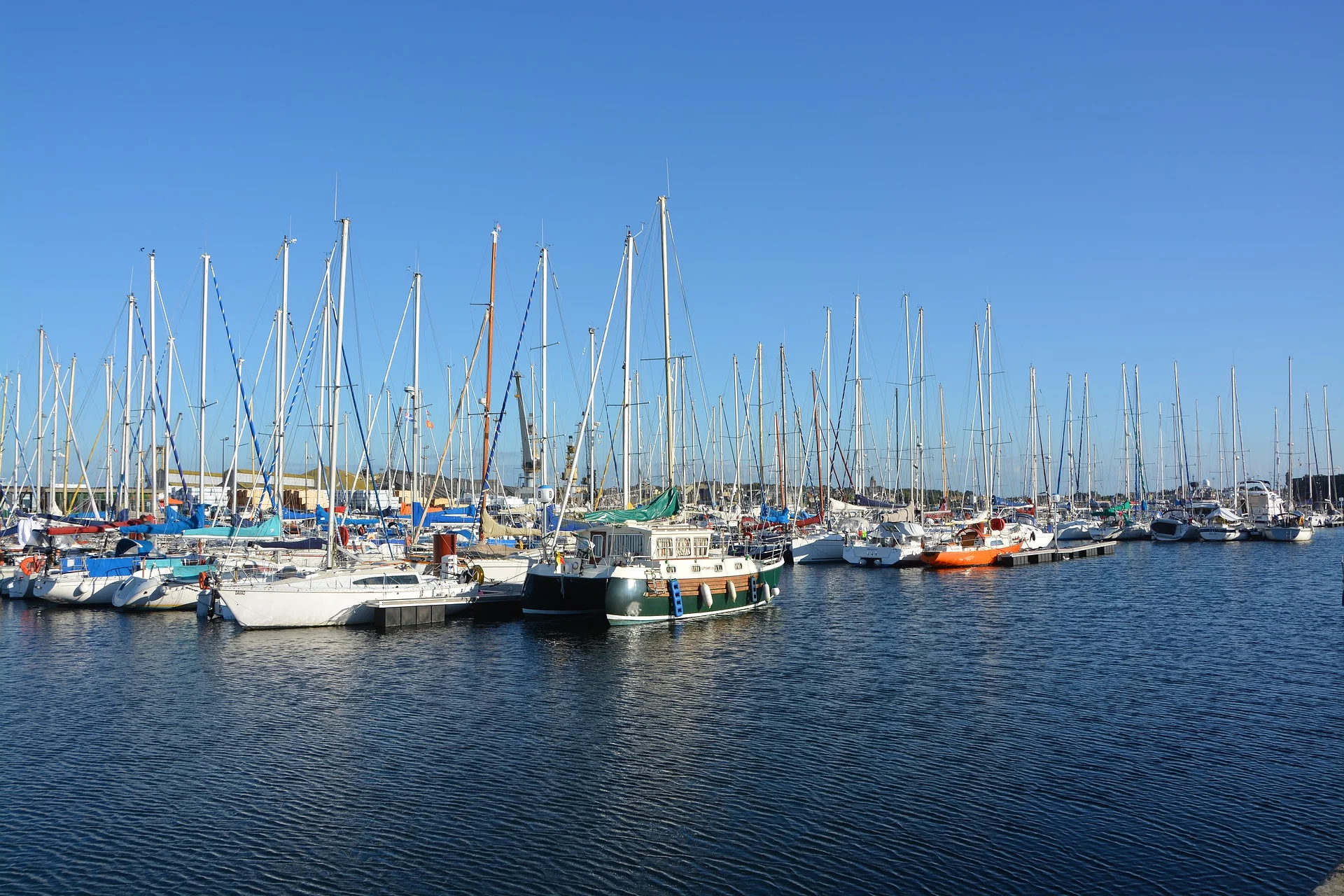

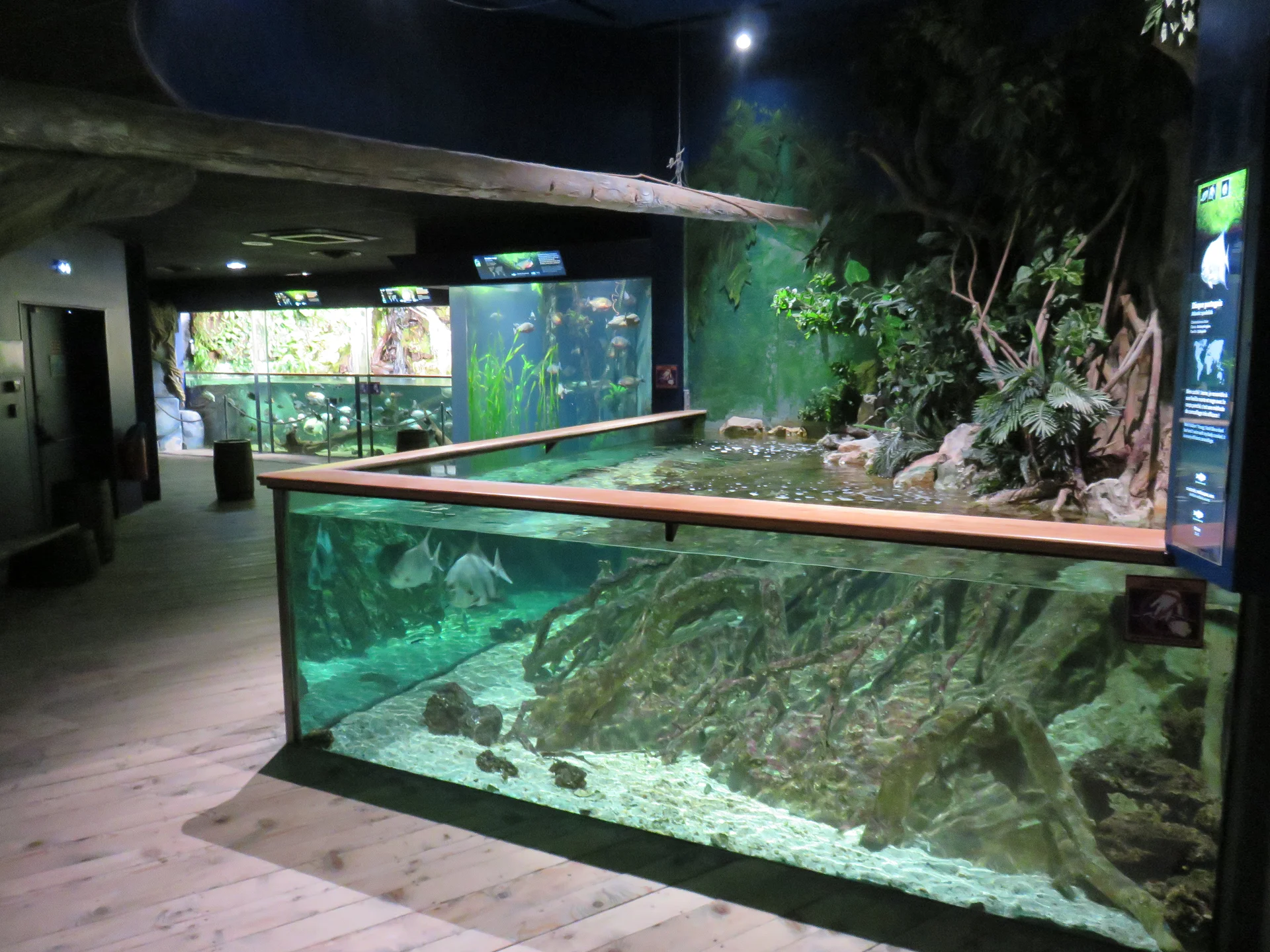
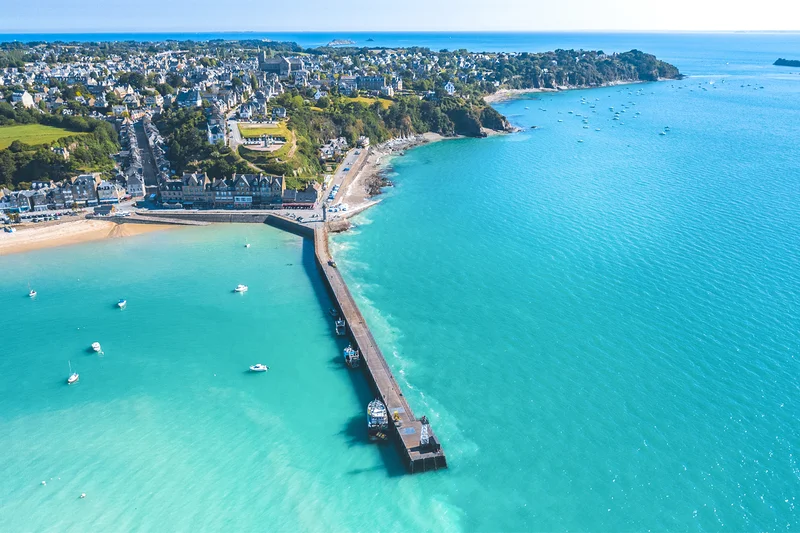
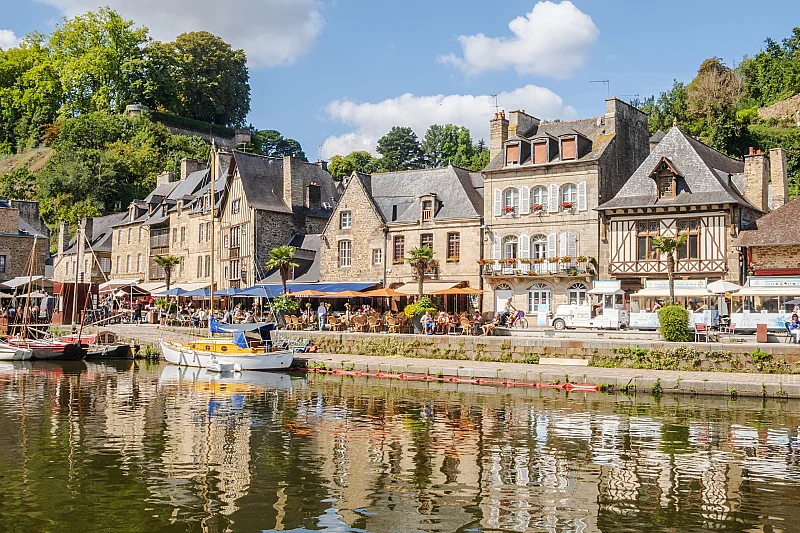

Saint-Malo is I think, one of the most beautiful cities in Brittany. From the splendid walled city and its old streets, to the pretty Saint-Servan neighborhood, and passing by the Sillon, Saint-Malo is stunning.