
Dol-de-Bretagne, the town that skips mass tourism
Twenty miles separate Dol-de-Bretagne from the Mont Saint-Michel. Twenty miles, and an entire world. While tour buses flood the neighboring bay, this small medieval town of 5,000 residents keeps its own pace, largely indifferent to the surrounding hustle. Its Gothic cathedral, one of the oldest in Brittany, towers over a landscape of hedgerows and reclaimed polders. Few towns of this size hold history this dense.
A destination made for you?
Dol-de-Bretagne is not a classic resort destination. No beach, no nightlife, no major museum. It is a stop that rewards the traveler, ideal for anyone looking to understand Brittany beyond the clichés.
Good destination for:
- Fans of medieval architecture and Breton history
- Travelers combining a trip to Mont Saint-Michel and Saint-Malo
- Families looking for a quiet and affordable base in the region
- Cyclists and hikers (bay and marsh bike paths)
- Curious travelers drawn to megaliths (Champ-Dolent menhir)
Not recommended for:
- Travelers seeking nightlife or heavy entertainment
- Those who want to do everything on foot from the coast or the beach
- Fans of fine dining or urban shopping
A refreshingly reasonable budget
| Expense category | Estimated range |
|---|---|
| Basic lodging (camping, simple guesthouse) | $17 to $40* |
| Comfortable lodging (hotel, character gîte) | $62 to $102* |
| Quick bites (bakery, crêperie) | $7.90 to $14* |
| Sit-down restaurant meal | $17 to $32* |
| Activities and daily visits | to $12* (free cathedral admission) |
| Total daily backpacker budget | $40 to $62* |
| Total daily comfortable budget | $90 to $146* |
Practical side, nothing complicated
The town is easy to navigate without any special logistical hurdles. The historic center is compact, free parking lots are plentiful on the immediate outskirts, and tourist signs are clear. Outside the peak summer season, crowds are practically nonexistent.
The climate follows standard Breton patterns: mild but damp, with winds that can pick up. Pack a waterproof layer even in July. Outside the peak summer weeks, most shops close on Sunday afternoons and Mondays.
Saint-Samson Cathedral and the medieval heart
You might not expect a cathedral of this scale in such a modest town. Saint-Samson Cathedral is an architectural surprise, built starting in the 12th century, blending Romanesque and Gothic styles with a sobriety that gives it real power. The uncrowded interior invites genuine quiet contemplation.
Right next door, the promenade des Douves runs alongside the old rampart ditches. It is one of those places where you find yourself alone with history, with no gates and no admission ticket.
Friendly tip: Walk up to the northern ramparts in the late afternoon. The view over the polders and the silhouette of Mont Saint-Michel on the horizon, on a clear day, is worth the trip all by itself.
Grande Rue des Stuarts, suspended in time
The Grande Rue des Stuarts is the main medieval street, lined with arched houses dating from the 11th and 12th centuries. Several have kept their original timber structures. It is worth noting that several facades rank among the oldest examples of civilian architecture preserved in Brittany.
The street houses a few food shops, an independent bookstore, and craftspeople. The vibe is that of a living town, not a frozen tourist set.
The Champ-Dolent menhir and the marshes
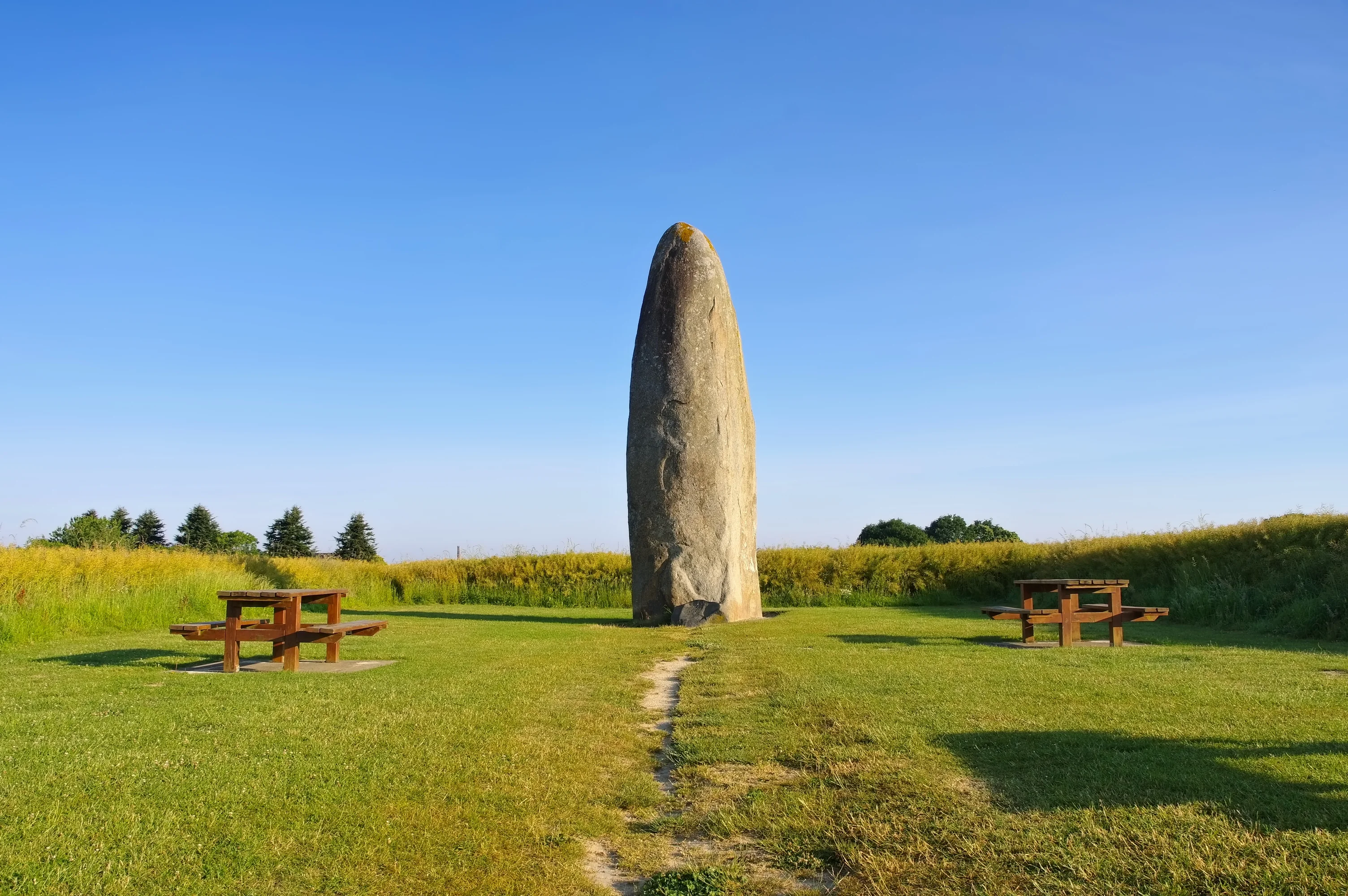
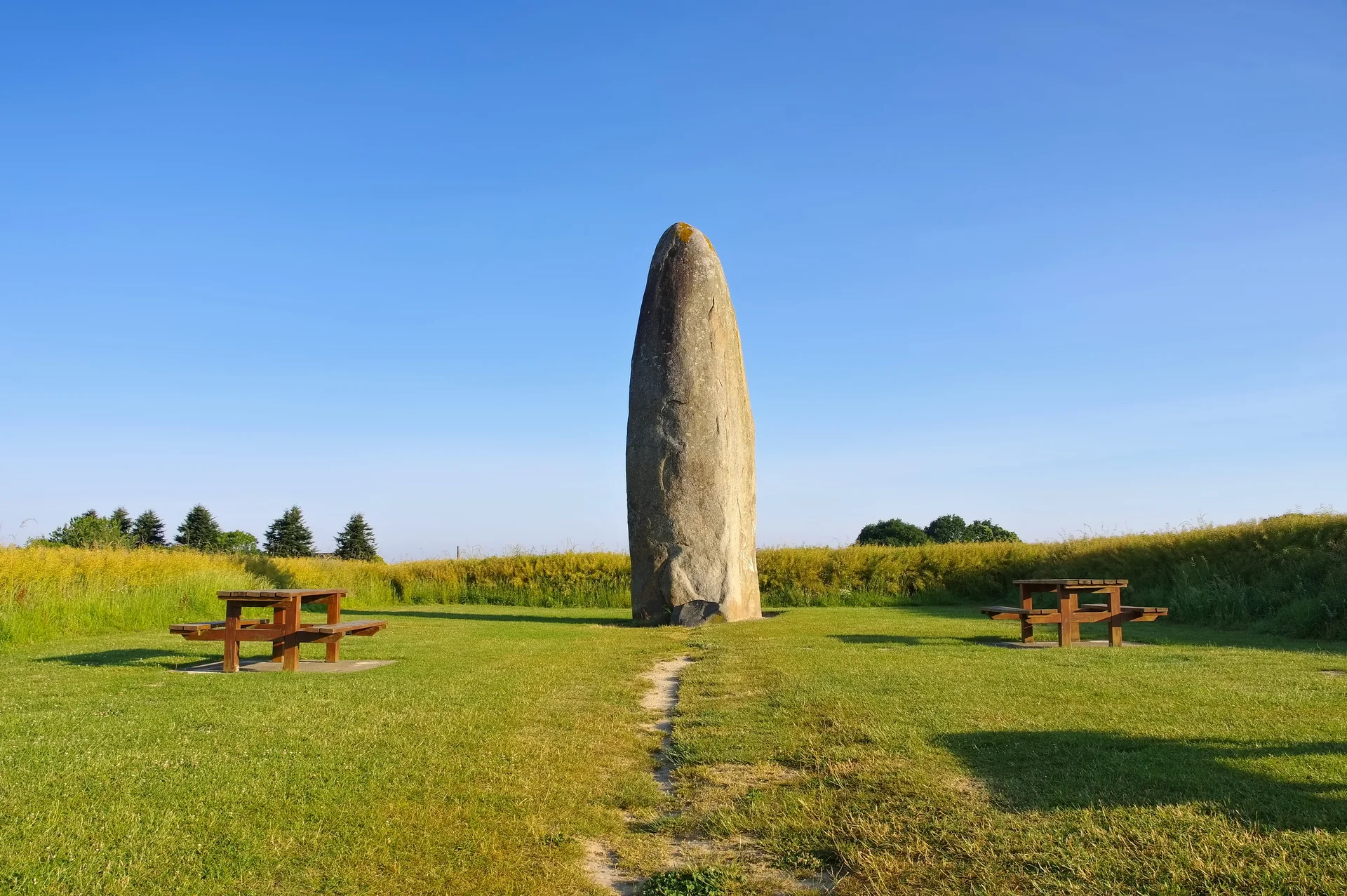
A mile south of the center, the Champ-Dolent menhir stands 31 feet (9.50 metres) tall, making it one of the most impressive in Brittany. It rises alone in a field, with no fences or staging. This lack of fanfare is almost shocking for a monument of this size. Free access year-round.
The marshes of Dol, ancient seabed areas drained by humans over the centuries, form a flat and silent landscape that we at Avygeo find uniquely captivating. Best explored by bike, with shimmering canals and wading birds crossing the low sky.
The Museum of the Bay of Mont Saint-Michel, an unexpected gateway
The Museum of the Bay of Mont Saint-Michel, housed in the former episcopal buildings, traces the geological and human history of this ancient bay. The approach is educational without being boring, and it makes an ideal complement to a visit to the nearby Mount by giving you the keys to understand what you are looking at.
Plan for about an hour. Admission remains modest, and the spot is rarely crowded.
Where to eat and drink in Dol-de-Bretagne?
The culinary scene is that of an unpretentious small Breton town: a few traditional restaurants, one or two solid crêperies, and food shops clustered around the place de la Cathédrale. The Saturday morning market is the local hub for seasonal fruits and vegetables, regional cheeses, and galette-saucisses.
Specialties to look out for: buckwheat galettes with regional andouilles, kouign-amann from traditional bakeries, and produce from local marsh market gardeners, whose root vegetables are remarkably high quality.
Where to stay in Dol-de-Bretagne and surroundings?
The downtown area offers a few character guesthouses inside stone houses. For a longer stay or for families, the rural gîtes in the surrounding countryside, particularly toward Baguer-Morvan or Mont-Dol, offer more space and quiet. The municipal campground remains a solid budget option.
Under 20 miles away, Saint-Malo and Cancale significantly expand the range of available lodging, especially for those looking for an upscale seaside hotel.
How to get to Dol-de-Bretagne?
By train, the Dol-de-Bretagne station is served by the Rennes-Saint-Malo TER line. From Rennes, plan for about 40 minutes. From Saint-Malo, about twenty minutes. Paris-Montparnasse is accessible via TGV to Rennes, then a connection.
By car from Paris, count 3.5 to 4 hours via the A11 and A84. From Nantes, about 1 hour 45 minutes. From Caen, about 1 hour 30 minutes via Avranches. Parking lots at the entrance to the historic center are free and well-sized.
How to get around Dol-de-Bretagne?
The historic center is entirely walkable in under 30 minutes. For the Champ-Dolent menhir or the marshes, a bike is the ideal option. Rental shops operate in town or in Saint-Malo.
Local taxis cover transfers to the station or Mont Saint-Michel, but you should book ahead. No major rideshare apps operate reliably in this rural area.
When to go?
Spring (April to June) and fall (September to October) are the most pleasant seasons: low-angle light over the polders is spectacular, and crowds stay light. Summer draws bigger throngs, especially in July and August when the crowds from Mont Saint-Michel overflow into the region.
Avoid the peak migration weekends in mid-August if you are looking for peace and quiet. On the other hand, winter stays mild and the town keeps its character for anyone willing to embrace an even slower pace.
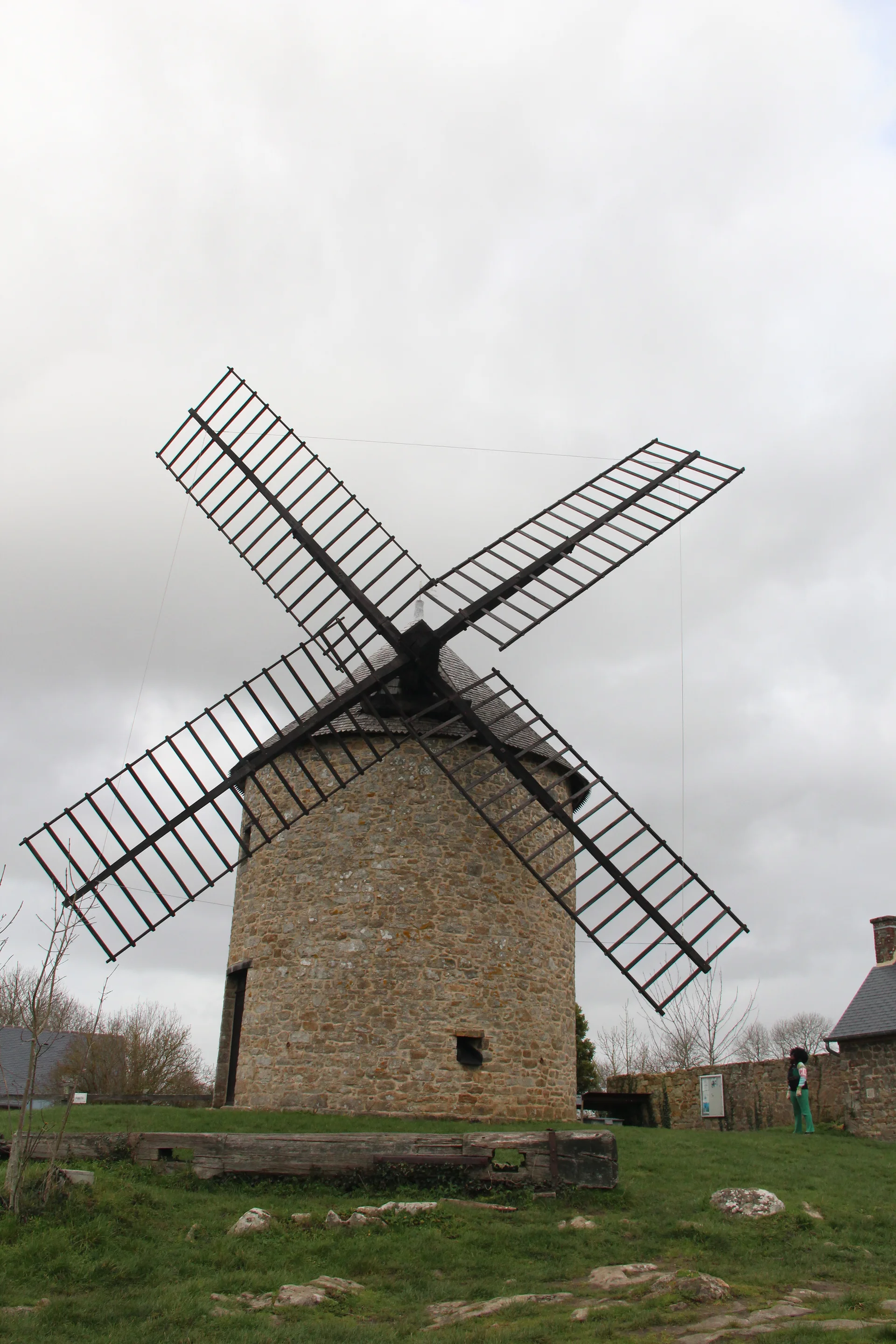
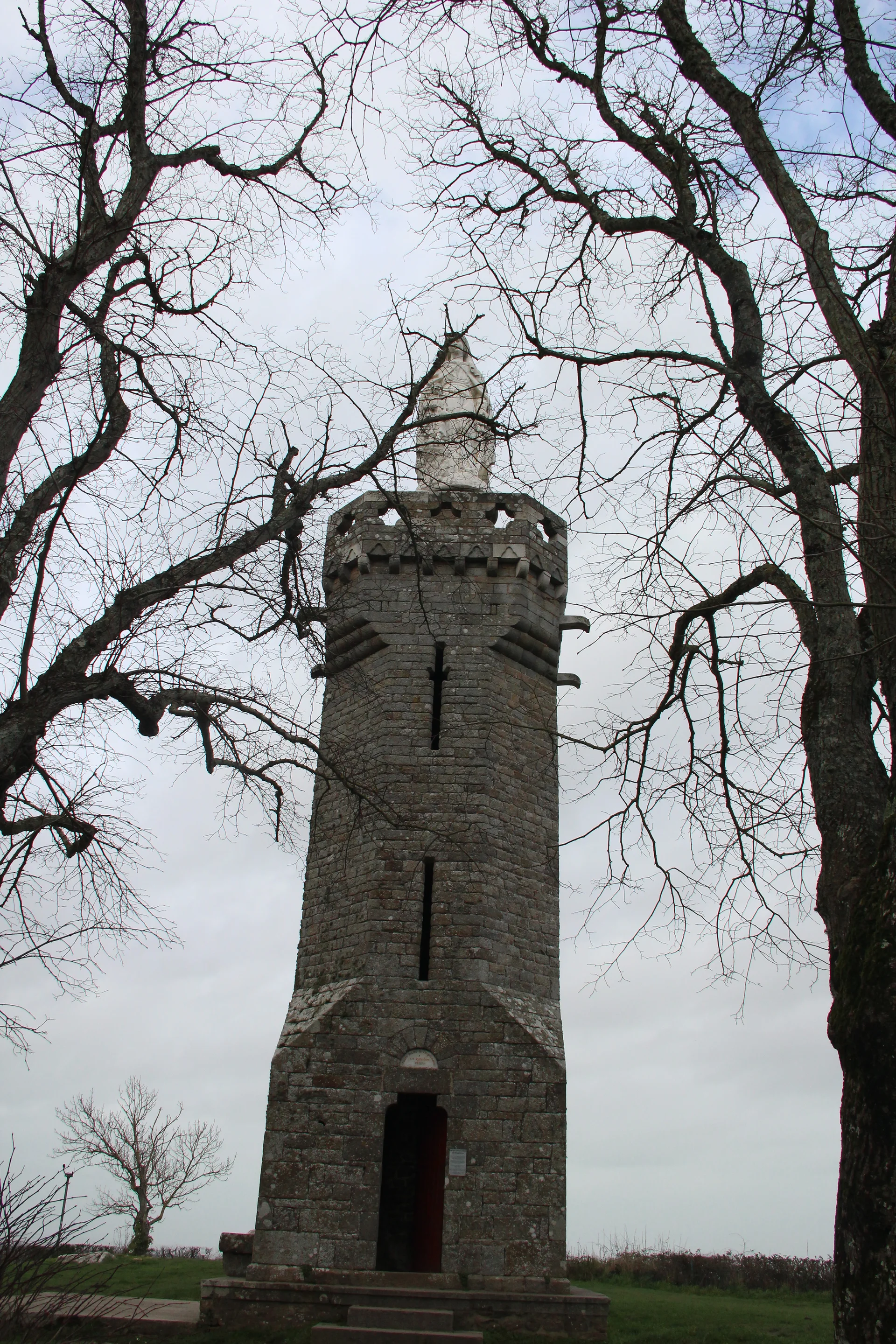
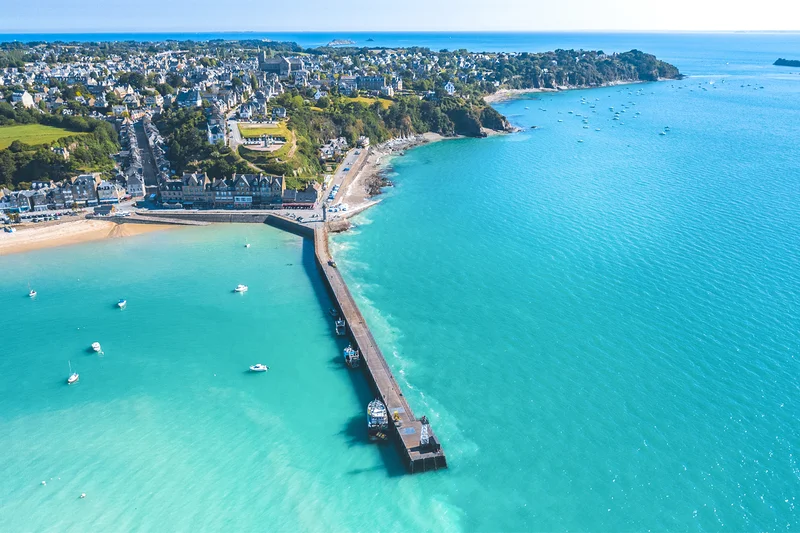
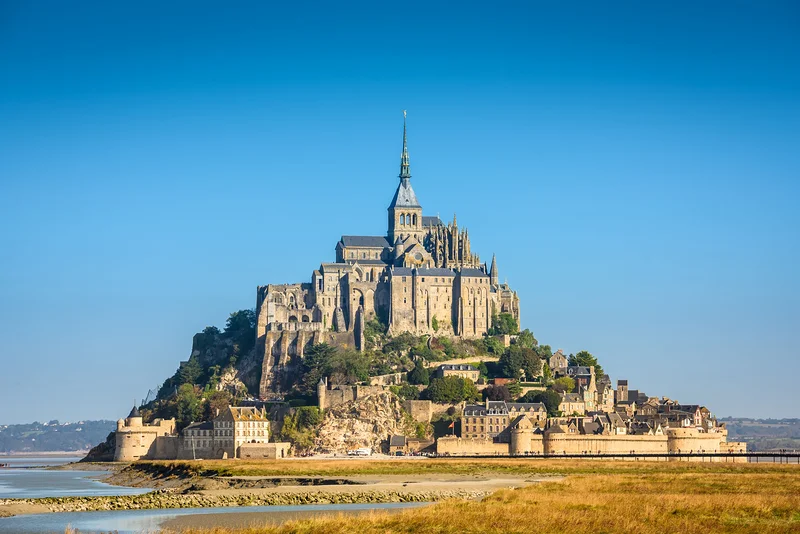
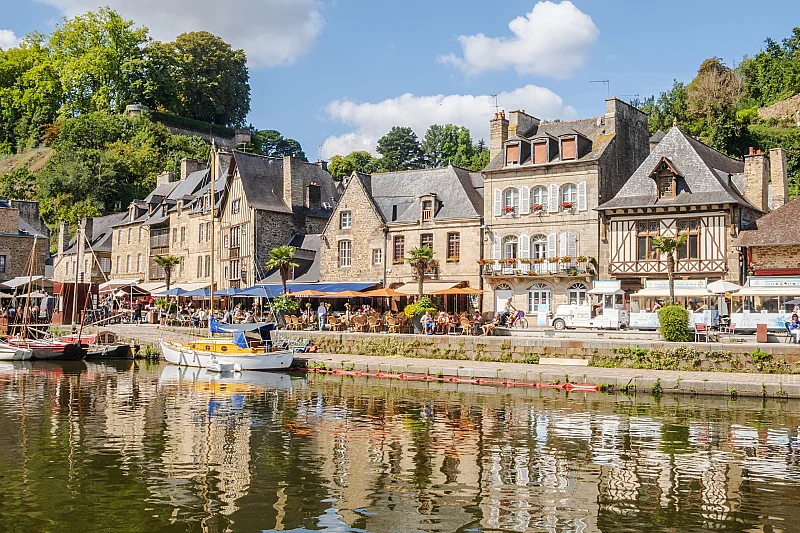
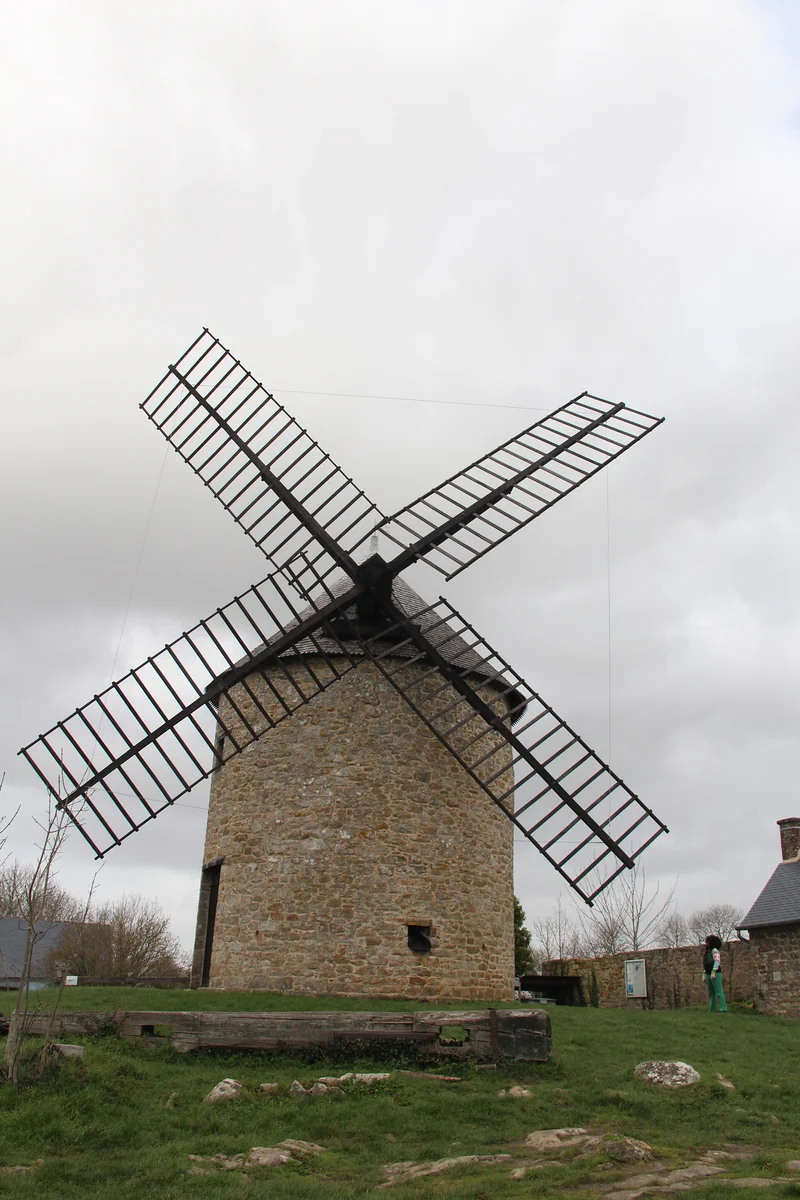
Dol-de-Bretagne is right at the gateway to Brittany and is designated as a Petite Cité de Caractère. I quickly understood why once I arrived. The town is overflowing with architectural treasures. From the medieval houses to the Saint-Samson Cathedral, every narrow street offers its fair share of great surprises. Not far from there, the Mont-Dol, which is not very well known, is a must-see local curiosity.