
Rennes, the Breton capital that never truly sleeps
Saturday night at 11:00 PM on the rue de la Soif. The crowd spills onto the street, glasses clink together, and conversations blur into a cheerful murmur. Rennes has 70,000 students for 220,000 residents. This extreme ratio shapes a city where energy flows constantly, outdoor cafe terraces stay packed, and every week brings its share of concerts, art exhibits, and unexpected events. The Breton capital has kept its half-timbered houses while cultivating a confident modernity.
Rennes: the ideal car-free weekend destination
Do you love pedestrian downtowns, lively indoor markets, and nightlife you can reach entirely on foot? Rennes checks every box. You can explore the entire city without a vehicle, the metro and buses cover the essentials, and the vibe stays lively from Monday through Sunday.
Beach lovers will be disappointed, as the coast is an hour away by car. Anyone looking for total quiet might find the center noisy on weekends. But for a cultural and festive city break, it is tough to beat in Brittany. The city suits solo travelers and couples who enjoy going out at night without breaking the bank.
A gentle budget for a major metro area
Plan for $90 to $146* per day for two people. Downtown hotels run $79 to $124* a night, and a complete buckwheat galette with cider costs $14 to $21* per person. The metro costs $1.70* a ticket, and most museums charge under $12*.
The historic center: half-timbered houses and cobblestones
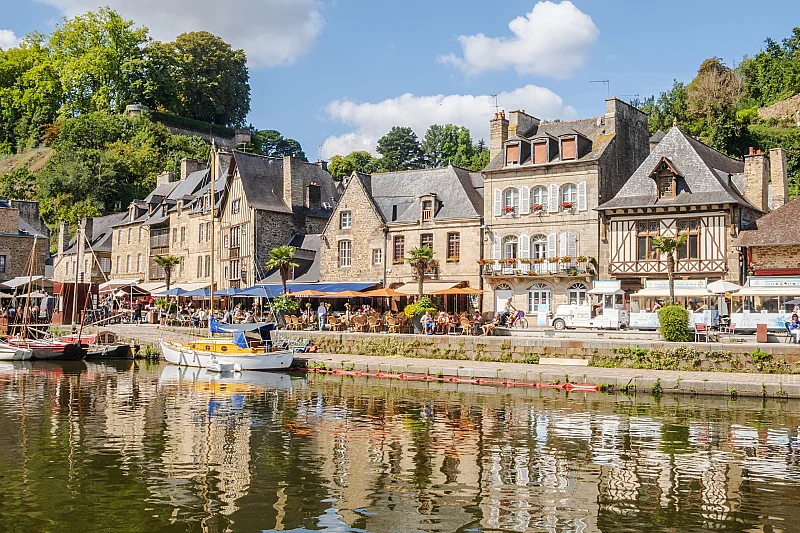
The medieval core miraculously escaped the 1944 bombings. Half-timbered houses crowd around the place des Lices. Every Saturday morning, a massive market takes over the square with over 300 vendors, oysters shucked on the spot, and farmhouse cider.
The place Sainte-Anne concentrates the most sought-after terraces. Colorful facades frame a village-like atmosphere despite the size of the city. From there, the rue Saint-Michel, nicknamed rue de la Soif, rolls out dozens of bars over a few hundred yards. The energy peaks there from Thursday to Saturday.
Friendly tip: Saturday's market at place des Lices requires arriving before 10:00 AM to avoid the rush. Grab a coffee at the counter of the halles Martenot while watching the produce vendors set up.
The Parliament and the quays: the other face of the city
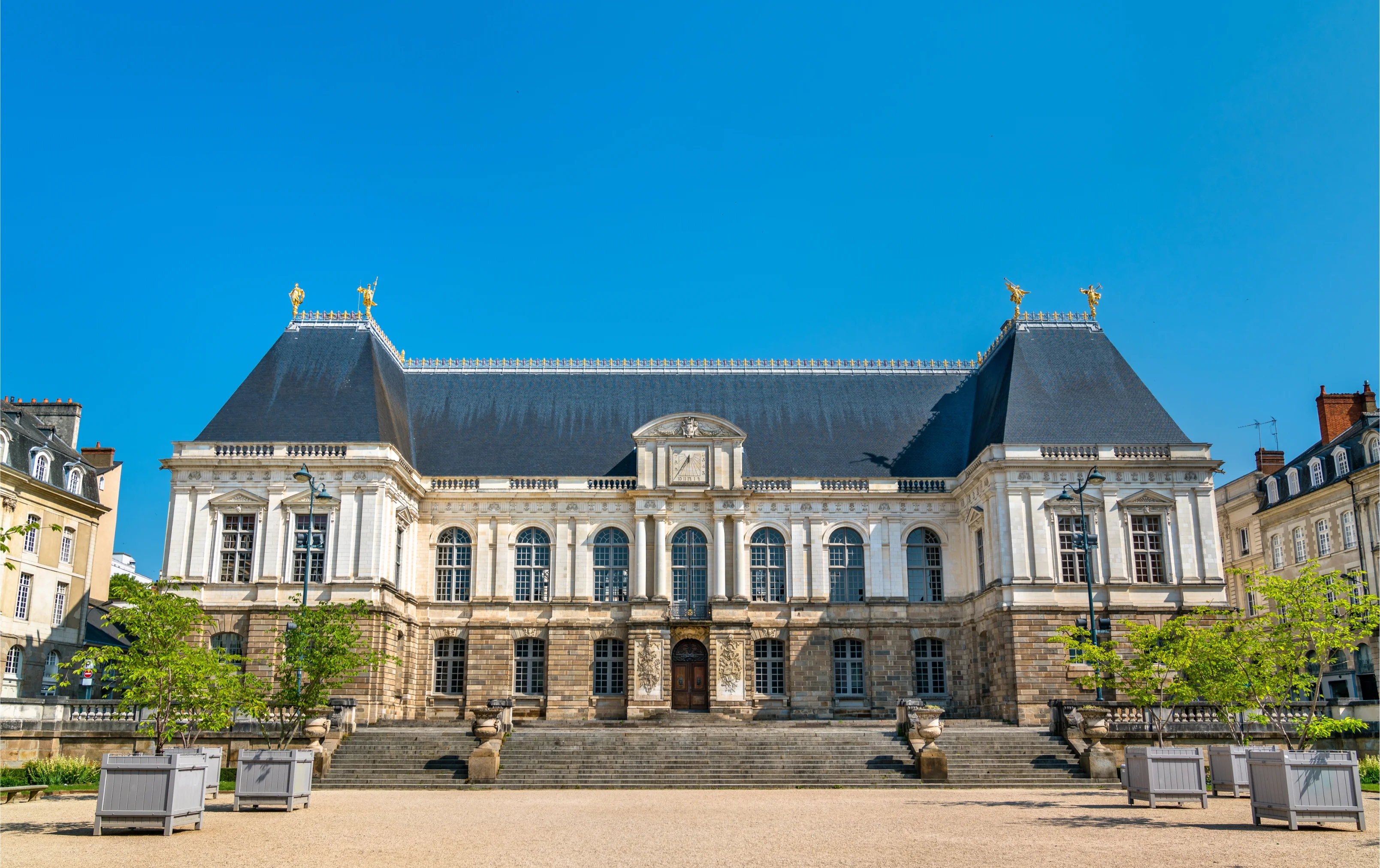
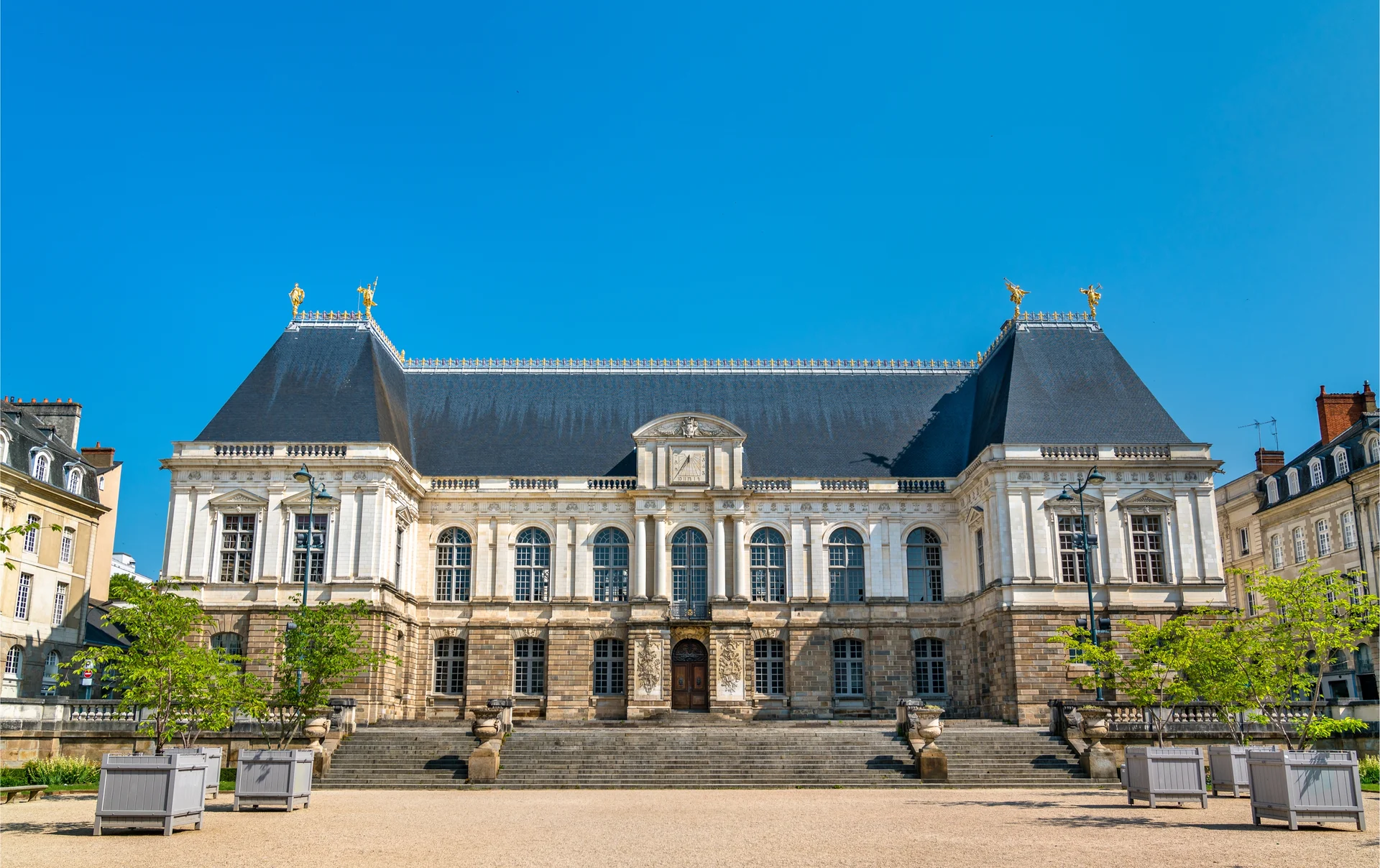
The Parlement de Bretagne dominates the square of the same name with a somewhat cold majesty. This 17th-century building, devastated by a fire in 1994, was rebuilt identically. Guided tours let you explore the Grand'Chambre and its painted ceilings. Reservations are required through the tourism office.
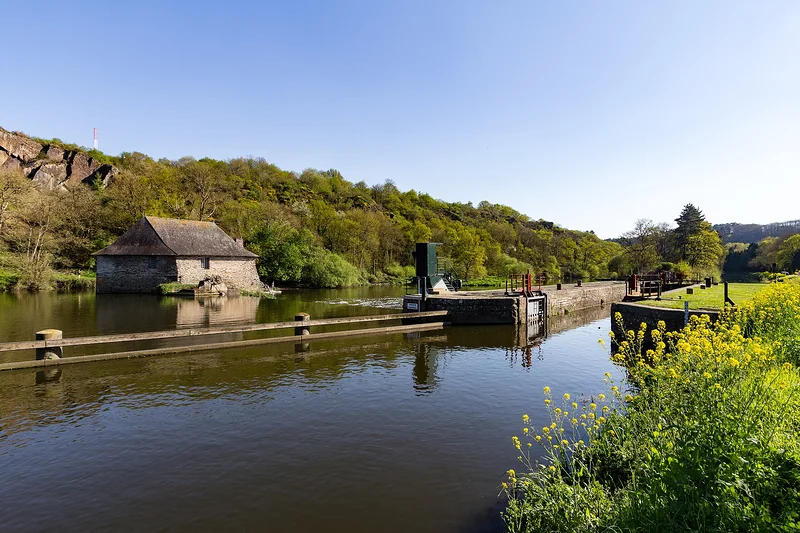
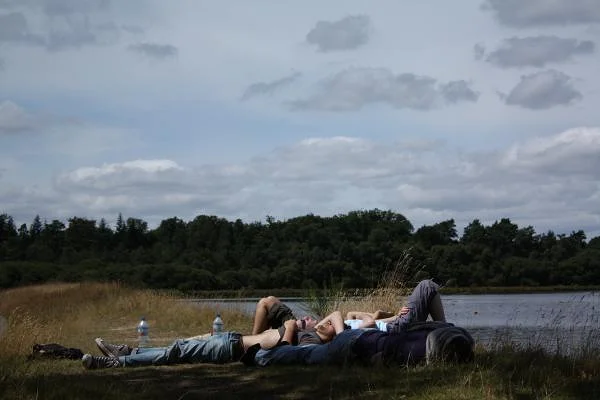
The quais de la Vilaine offer a pleasant walk all the way to the Thabor Park. This 25-acre garden mixes a rose garden, a French formal garden, and a wooded area. Locals picnic here at the first hint of sunshine. The park opens for free every day and remains the most peaceful spot in the center.
Sainte-Anne district and the outer neighborhoods
North of the center, the neighborhood around Sainte-Anne keeps a more residential feel. The portes Mordelaises, remnants of the medieval ramparts, mark the entrance to the old town. On the other side, the faubourg Saint-Hélier shelters quieter addresses far from the standard tourist path.
The musée des Beaux-Arts, housed in a 19th-century building, showcases an eclectic collection ranging from Egyptian archaeology to Picasso. The permanent collections are free and temporary exhibitions cost $5.70*, and the place rarely gets crowded, even on weekends.
Friendly tip: For a free panoramic view, head to the top floor of the Champs Libres. This cultural complex also houses the Museum of Brittany and a planetarium.
Beyond the beltway
The surrounding area is worth a few side trips. The forêt de Brocéliande sits forty minutes away by car. Arthurian legends come to life here between the Val sans Retour and the Barenton fountain.
Closer by, the town of Vitré preserves a remarkably intact medieval center. A thirty-minute regional train ride gets you there.
Where to eat and drink in Rennes?
Buckwheat galettes and dry cider make the quintessential local duo. The rue Saint-Georges lines up creperies, but the best ones often hide on the side streets. Look for spots that mention blé noir de Bretagne IGP buckwheat flour on their menu.
Racines, a contemporary indoor market, offers street food stalls and fresh produce in a relaxed setting. For dinner, the neighborhood around the rue Vasselot gathers more upscale restaurants without the high-voltage atmosphere of the rue de la Soif. Salty butter breton cake pairs perfectly with an after-dinner coffee.
How to get to and around Rennes?
The high-speed train connects Paris-Montparnasse in 1 hour and 25 minutes, making Rennes one of the most accessible regional capitals from Paris. Direct connections also run to Lyon, Lille, and Strasbourg. The Rennes-Saint-Jacques airport offers a few domestic and European flights, but remains modest.
In town, the automated metro system crosses the city from north to south. The Star bus network handles the rest. The center is easy to navigate on foot, and the Star bike-share program lets you reach outlying neighborhoods for under $2.30* a day.
When to go?
Spring and early autumn offer the best conditions, with mild temperatures and moderate crowds. The Transmusicales festival in early December draws contemporary music fans from around the world. Avoid August if possible, as many students leave the city and certain spots close for annual vacation.

I will be a bit subjective for this review, since I am from Rennes! But I have to say that I really love my city for its energy and cultural life. Especially in the summer, there is always something to do (whatever your budget!): theater, movies, free concerts and museums, outdoor cinema, science and cultural activities for kids, sports introductions, parks, walks along the Vilaine...
If you want to visit Brittany, Rennes is a great home base to start: you can find affordable lodging there and visit the surroundings. Rochefort en Terre, Saint Malo, or even the Brocéliande forest are not very far...