Ajaccio

Top 10 most beautiful cities in Corsica to visit2026 ranking

Discover the most appreciated cities in Corsica by our members. Feel free to publish your own reviews to take part in this collaborative ranking.

The most beautiful cities in Corsica

#1 Ajaccio +63 recs

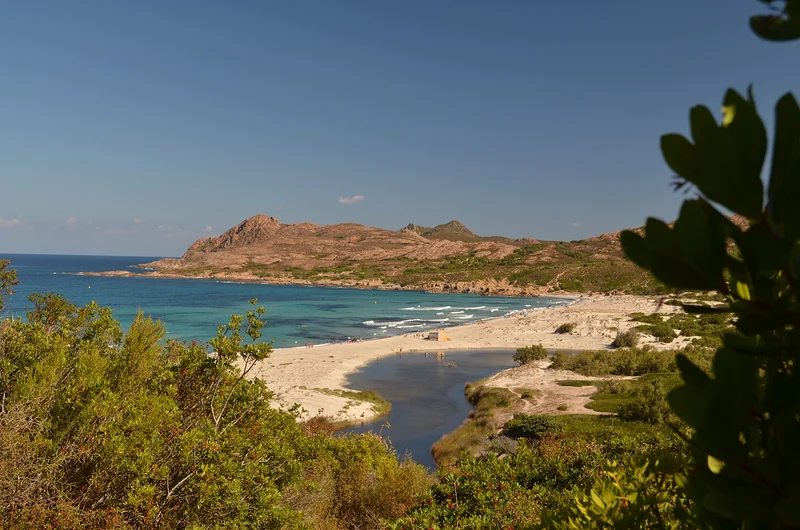
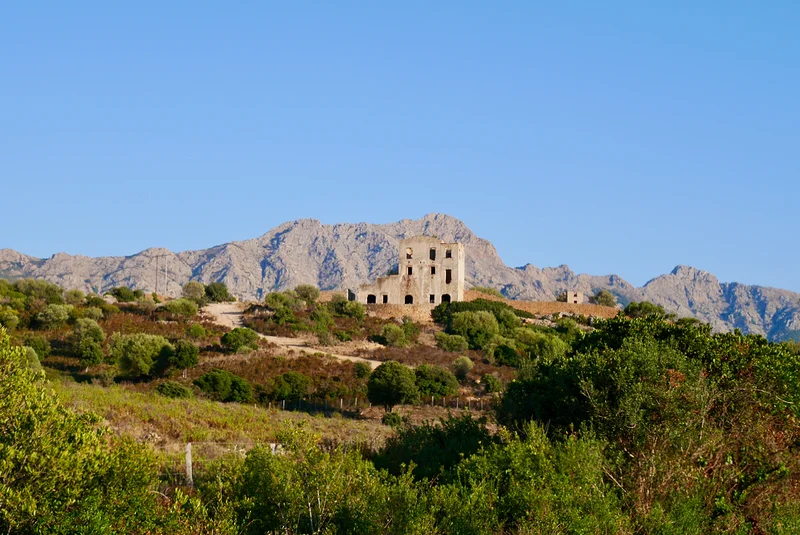
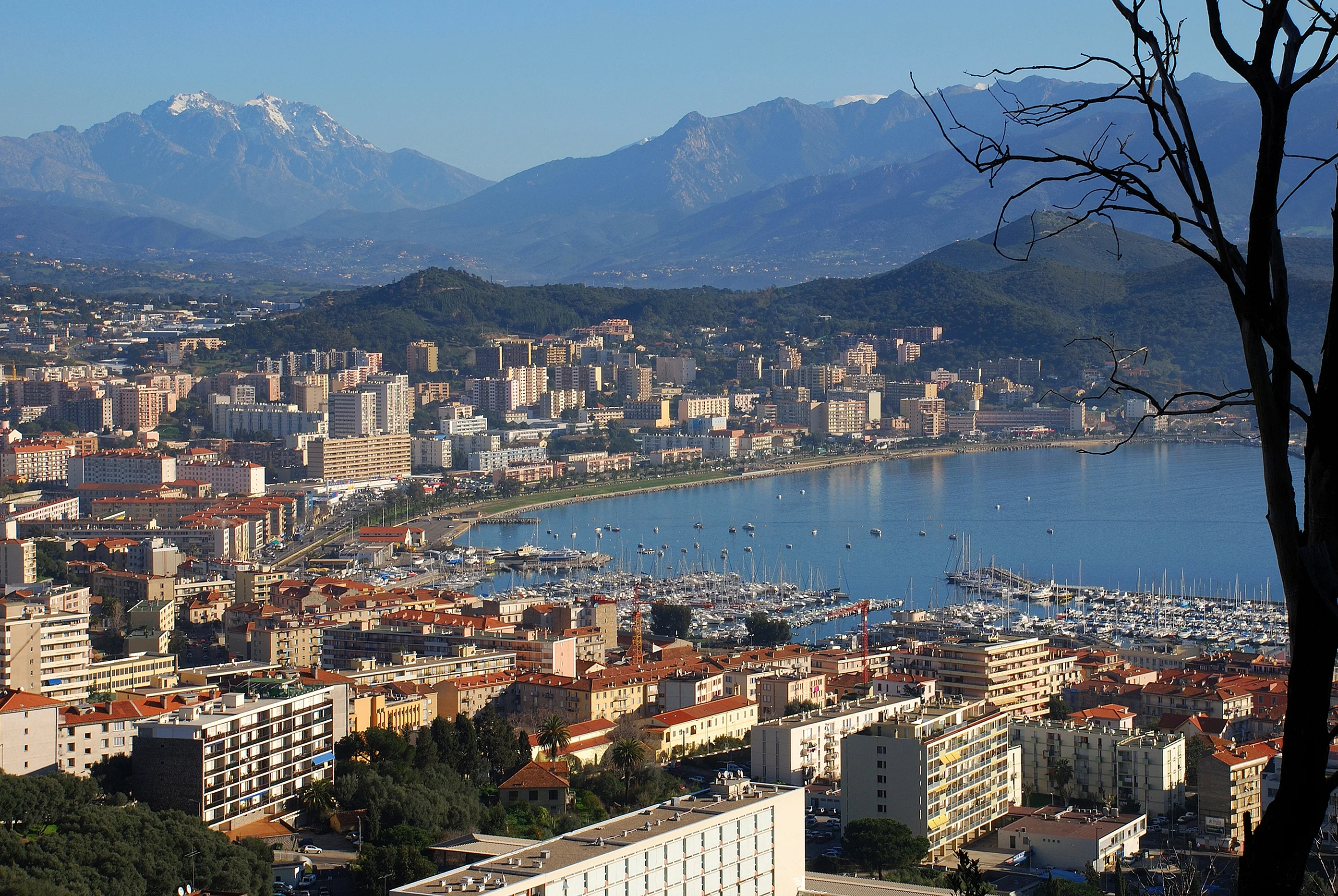
Ajaccio, the capital of Corsica, blends a coastal lifestyle with hills scented by wild maquis shrubland and deep historical roots. The city offers a laid-back pace for exploring, serving as a primary hub for accessing the island's premier coastal scenery. You can walk the streets where Napoleon grew up, browse the local Mediterranean market, and reach some of the most impressive beaches in France.

Must-see

#2 L'Ile-Rousse +62 recs

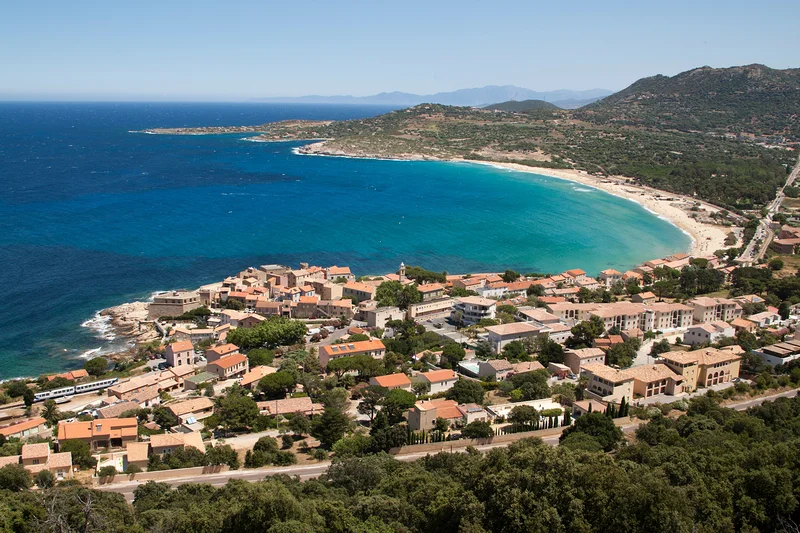
L'Île-Rousse sits on the northwest coast of Corsica, serving as a laid-back base for exploring the Balagne region. With accessible beaches, waterfront promenades, and narrow streets shaded by plane trees, the town offers a relaxed pace similar to a quiet California beach town. Nearby mountain villages provide an easy way to experience the local crafts and history of the rugged interior.

Must-see

#3 Bonifacio +57 recs

Bonifacio sits atop 230-foot white limestone cliffs overlooking the Mediterranean, defying gravity like a coastal fortress in Big Sur. The Genoese citadel and narrow cobblestone streets overlook a harbor tucked deep into a narrow inlet. Between the steep King of Aragon staircase, sea caves, and the turquoise waters of the Lavezzi Islands, you are constantly navigating a vertical landscape.

#4 Bastia +55 recs

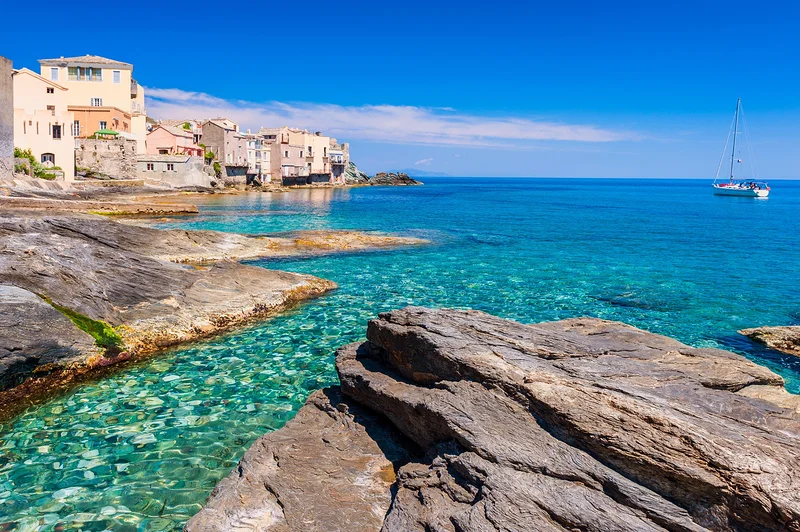
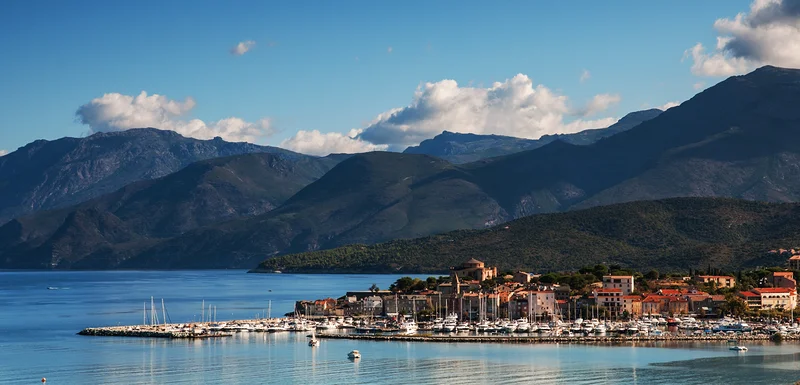
Bastia sits in the north of Corsica, serving as one of the island's most popular hubs while maintaining its distinct character. As the former capital during the Genoese era, the city holds a deep history and a compelling architectural footprint. It is a necessary stop for anyone exploring the Isle of Beauty.

The Citadelle perched on its rock

You will spot it immediately, whether you arrive by road or by sea. The Citadelle of Bastia, also known as Terra-Nova, has been a city landmark since it was built in 1378. Once you pass through the Porte Louis XVI, you enter the ramparts and find yourself wandering through a maze of narrow, winding alleys. Do not miss the Cathédrale Sainte-Marie, which features classic 17th and 18th-century baroque architecture. Inside, you will find a massive solid silver statue of the Assumption of the Virgin that weighs half a ton. Nearby, the Palais des Gouverneurs, a designated historical monument, houses the Bastia Museum and details the city's long history.

Bastia and the art of living

To really get a feel for Bastia, you need to slow down and wander. The Vieux-Port is a popular neighborhood where locals and visitors alike grab a drink while watching the boats bob in the breeze. It connects to the Citadelle via the Romiu garden, a quiet green space that is particularly photogenic at sunset. As for the place Saint-Nicolas, it is a favorite gathering spot for everyone in town, hosting markets and various festivities throughout the year.

If you are a foodie, Corsican cuisine is well-represented here. On the place du Marché, you can sample coppa or small canistrelli cookies. The rue Napoléon is the hub for local artisans, including cheese shops, bakeries, and specialty grocers. Be sure to sit down at a local restaurant to try the cured meats or fish dishes, such as baccalà (salt cod) or sardines stuffed with brocciu, a fresh local cheese.

When to go

You can visit Bastia year-round, as Corsica changes significantly with the seasons. Summer is the peak time for swimming and soaking up the warm Mediterranean temperatures. Spring and fall offer mild weather with fewer crowds. Consider a winter trip to Bastia as well, which allows you to see a quieter side of the island and experience daily life alongside the locals.

How to get there

You can reach Bastia by plane or ferry. Flying is an option from several French cities via low-cost carriers or Air Corsica. For example, a flight from Paris to Bastia takes 1 hour and 35 minutes and typically costs around 130 EUR (about $140). The ferry takes longer, ranging from a full day to an overnight trip, but it allows you to bring your own vehicle and enjoy the sea crossing. Ferries depart from Nice, Marseille, and Toulon.

Must-sees

#5 Porto-Vecchio +44 recs

Porto-Vecchio is the face of Corsican beach life, featuring white sand beaches lined with umbrella pines and turquoise waters that rival the Caribbean. While Palombaggia and Santa Giulia rank among the best beaches in Europe, the town also offers a historic Genoese citadel with quiet alleys and a mountainous interior where the Aiguilles de Bavella jagged peaks dominate the skyline. You get two sides of the island here, blending high-end relaxation with rugged hiking trails.

Must-sees

#6 Corte +35 recs

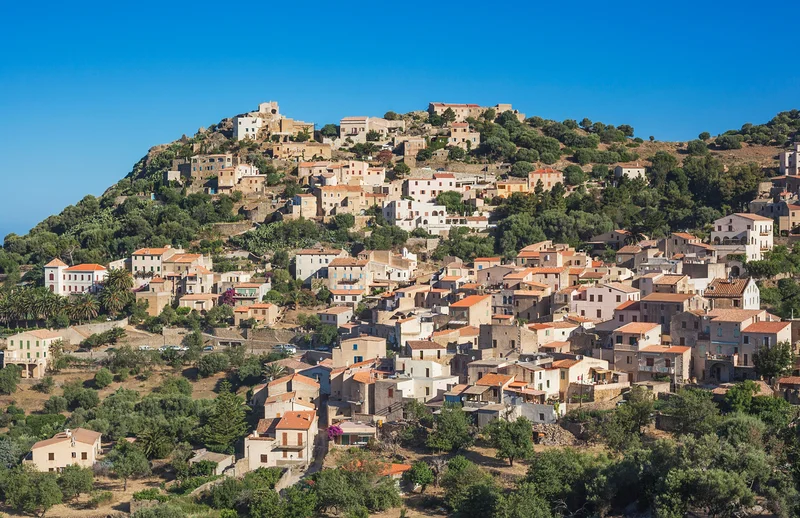
Forget the beaches. Corte acts as the pulse of Corsica, a proud citadel perched between the clouds and the peaks. It is a base for alpine adventure, where you can walk through alleys steeped in history, swim in the glacial pools of the Restonica valley, and experience the raw terrain of the island. Expect a serious destination for travelers prioritizing elevation, rugged wilderness, and a sense of place.

#7 Calvi +35 recs

Calvi balances coastal life and rugged mountains, anchored by a 13th-century citadel that overlooks the harbor much like a Mediterranean version of a historic California seaside town. Its Genoese architecture, accessible beaches, and narrow streets provide an intimate atmosphere for travelers. Use the city as a base for hiking the Revellata peninsula or exploring the villages in the Balagne backcountry.

Must-sees

#8 Aleria +21 recs

On the east coast of Corsica, Aleria is more than a beach stop. It is an open-air history book where Roman ruins overlook the brackish waters of a lagoon famous for its oysters. Far from the crowds of the deep south, this area offers a sensory experience defined by the scent of the maquis shrubland and sea breezes on miles of sand. Expect a quieter, more grounded side of Corsica that feels removed from the passage of time.

#9 Piana +17 recs

Piana sits on the west coast of Corsica. Built in an amphitheater layout at an elevation of 438 meters above the Gulf of Porto, the village is defined by its calanques, or calanches in the local Corsican dialect. These are striking pink granite cliffs shaped by wind and sea into complex, rugged formations. The D81 road winding along the coast offers clear vantage points of this wild, jagged landscape, which has been a UNESCO World Heritage site since 1983. You can also explore by foot, such as on the old trail from Piana to Ota, an ancestral mule path lined with historic dry-stone walls.


One of the most beautiful villages in France

Tucked away along the west coast of Corsica, Piana has a year-round population of about 400 that swells with thousands of visitors during the summer months. The area was under Genoese rule until the 18th century. The Republic of Genoa constructed a series of watchtowers to defend the Corsican coast against invasions. A few miles from Piana, you can find the Turghju Tower, built in 1608 at the top of Capu Rossu, sitting 331 meters above the water.

The village features a parish church dedicated to the Assumption, the Santa Maria Assunta Church, which houses two protected works of art: a 17th-century painting of Saint Hugo of Lincoln and a polychrome carved wooden statue of the Assumption. The Roches Rouges Hotel, a historic hotel built in 1912, still stands in Piana as a testament to the early tourism boom on the island and is recognized as a 20th-century heritage site.


Discovering Corsican treasures

Piana is defined by the landscape surrounding the village, a mix of calanques, pine forests, and the deep blue of the Mediterranean. The cliffs of Piana protect an extremely rare endemic plant that grows in the cracks of the granite rocks: Madame de Gysperger's pink, a small white flower found only in this specific part of Corsica.

To explore the surroundings, take the road leading to Ficajola Marine. This former fishing port is a cove surrounded by small stone fishing cabins and is a popular spot for diving. For swimming, head to Arone Beach, located 12 kilometers from the village center.


When to go

The best time to visit the village and the calanques is outside the peak summer crowds. While there, watch the cliffs at different times of the day, as the granite colors shift significantly depending on the light and weather conditions.


How to get there

To reach Corsica, fly into Ajaccio or take a ferry from Marseille, Toulon, or Nice. From these arrival points, rent a car for the roughly 1 hour and 20 minute drive to Piana. You can also book a boat tour from Ajaccio to see the cliffs from the water.

Must-see

#10 Galéria +16 recs

Galéria is a village in Balagne, a region of Corsica, located south of Calvi at the foot of Capu Tondu, which reaches an elevation of 825 meters. The area bordering a wide bay was long uninhabited because it served as a hideout for pirates raiding the coast. The region historically relied on pastoralism. A testament to this remains today in the Ponte Vecchiu, an old bridge from the era of the Republic of Genoa. It crosses the Fango river and historically allowed local shepherds to move between grazing areas without paying tolls.

The extraordinary Corsican biodiversity

Galéria is defined by the natural beauty of its surroundings, beginning with the Scandola Nature Reserve. This wild, volcanic peninsula is a UNESCO World Heritage site that can be toured by boat. The reserve covers nearly 2,000 hectares, split between 900 hectares of land and 1,000 hectares of sea, and is home to threatened plant and animal species, including ospreys, peregrine falcons, and a variety of corals. The site is visually striking, with the glowing red rocks of the ancient caldera contrasting against the blue of the Mediterranean.

The other major ecological highlight in Galéria is the Fango Delta, classified as a UNESCO Biosphere Reserve. You can navigate the area by kayak to quietly observe numerous bird species, such as gray herons, moorhens, and egrets, as well as European pond turtles, a threatened freshwater species.

Swimming in fresh and salt water

Galéria features beaches with coarse, gray sand and a small port, perfect for spending a day lounging in the sun. The waterfront sits below the Galéria Tower, or A Torra di a Foce di u Fangu, a Genoese tower built between 1551 and 1573. Like the seven other towers in the Calvi jurisdiction and the network of fortifications circling the Corsican coast, it was built by the Italians to monitor and protect the island from pirate attacks.

If you prefer wilder swimming spots, head to the back country of Galéria in the Falasorma Valley, where the Fango river winds before emptying into the Bay of Galéria. The Fango, labeled a Wild River Site, consists of a series of pools and waterfalls that offer plenty of options for swimming or canyoning excursions.

Near Galéria, you can also hike along the trail on the road to Calca to explore the lake and dam of Calca.

When to go?

The best time to experience Corsica is outside of the peak summer rush. Spring or the months of September and October offer mild, pleasant temperatures.

How to get there?

From the airport in Calvi, it is a 20-minute drive to Galéria. The village is approximately a two-hour drive from Ajaccio.

Must-see

Latest reviews

Very lively

The town of Porto-Vecchio will appeal just as much to those looking for a lively scene as it will to nature lovers. The center is very vibrant and includes plenty of shops, bars, and restaurants. But…

38 0

A lively city

This is a city with an active port, so don't really expect to find a village vibe there. That said, it is pleasant enough and not yet totally overrun with tourists. I also remember how beautiful the n…

33 0

The heart of Corsica

Corte is mostly known for housing the island's only university. But it would be a shame to stop there! It is a city with very rich culture and history. I really recommend the Museum of Corsica! Its…

32 0

Better places to see in Corsica

I am not a fan of Ajaccio. Napoleon Bonaparte's hometown is packed in high season. We had to camp at a site very far from the city center and it was also a pain to find parking. Despite everything, Aj…

39 0

Beautiful historic city

The city of Ajaccio has a rich historical heritage. The center is particularly well preserved. You can follow in the footsteps of Napoleon and visit the house where he lived or the cathedral where he…

37 0

Rankings by travellers, for travellers

Our rankings are powered by thousands of reviews from travelers like you, not the arbitrary pick of a single editor. Every positive review you publish raises the destination’s score.

1 positive review = +1 reco

Your voice matters!

Have you travelled and discovered amazing places? Share your experience and help the community rank the most beautiful destinations! Sign up for free to post reviews and make your voice heard.